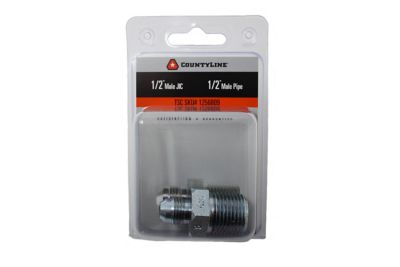
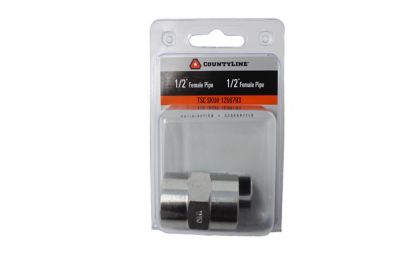
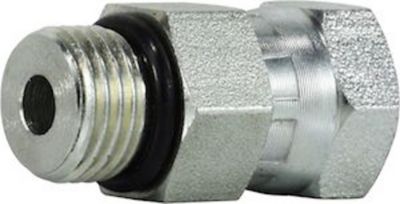
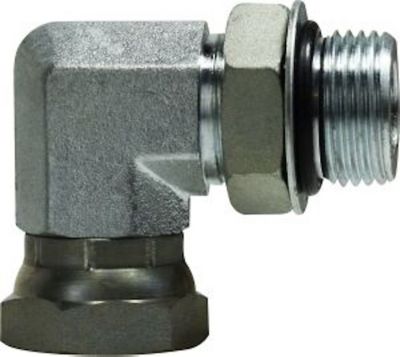
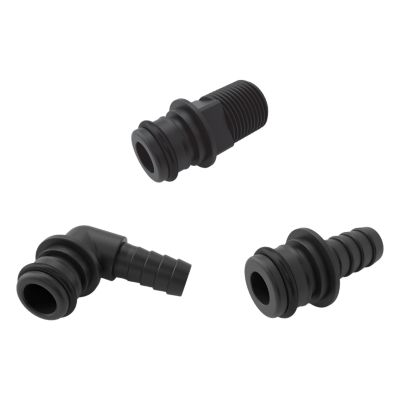
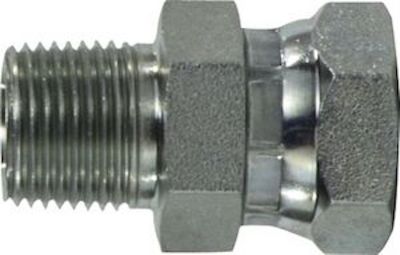
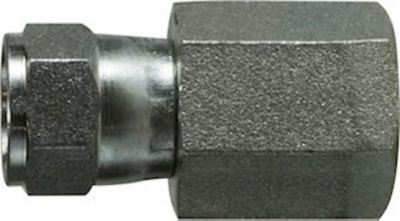
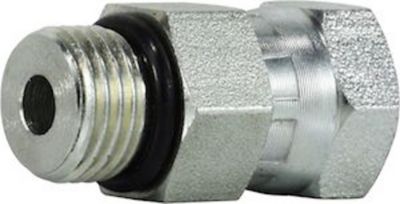
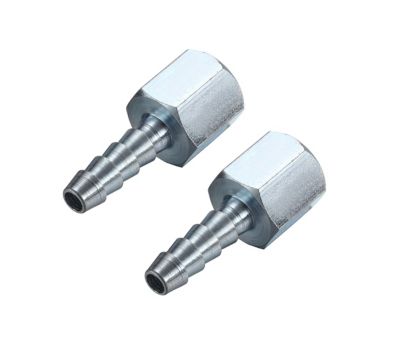
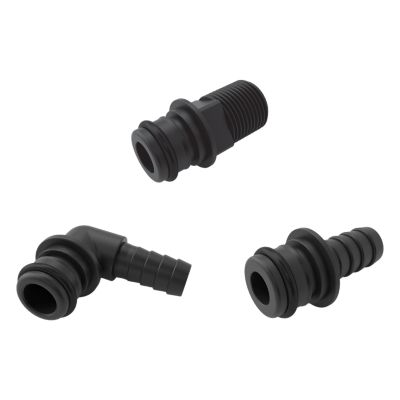
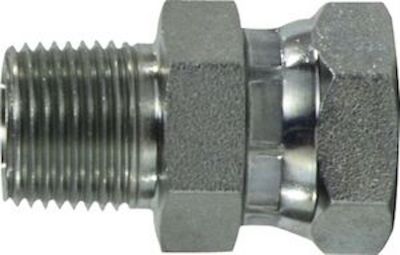
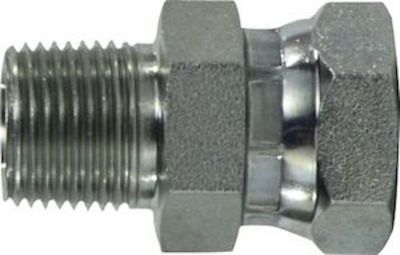
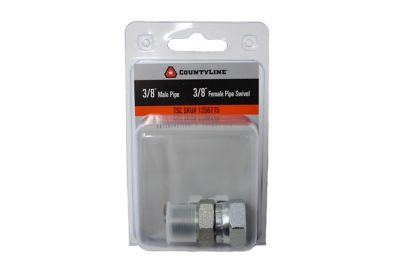
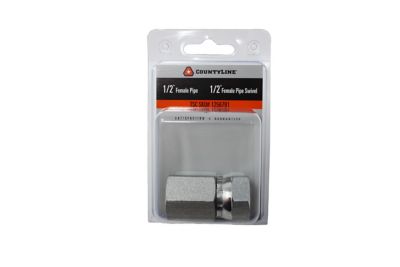
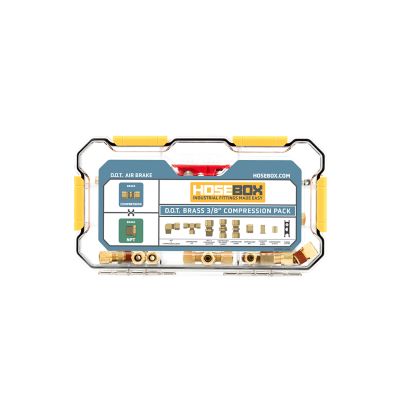
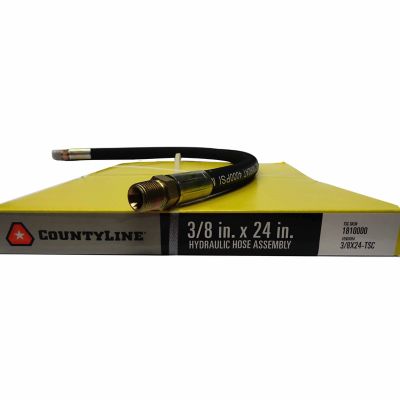
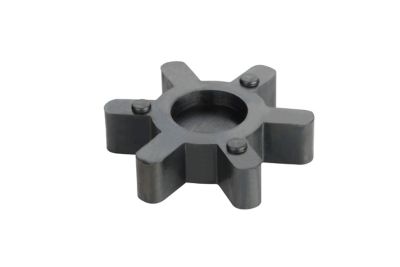
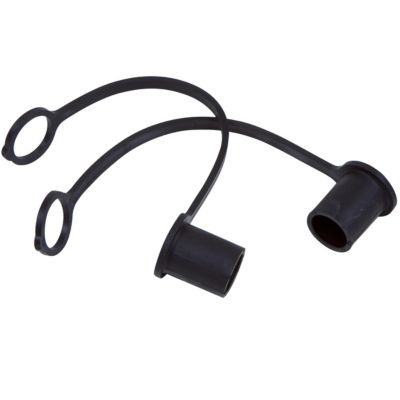
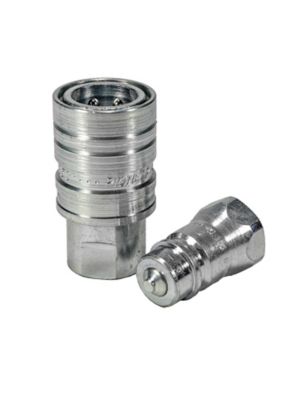
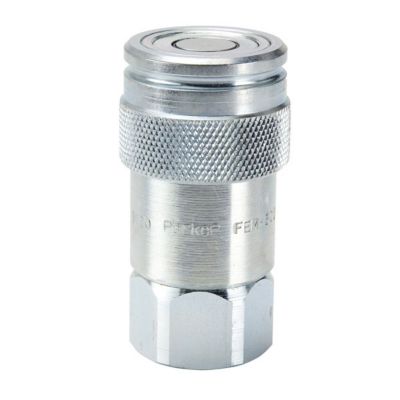
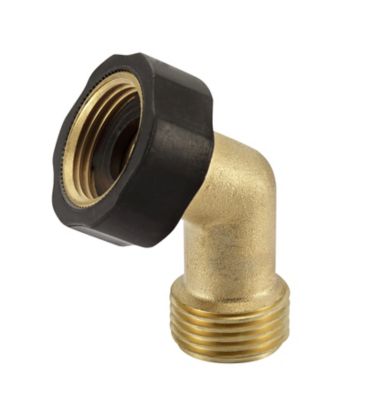
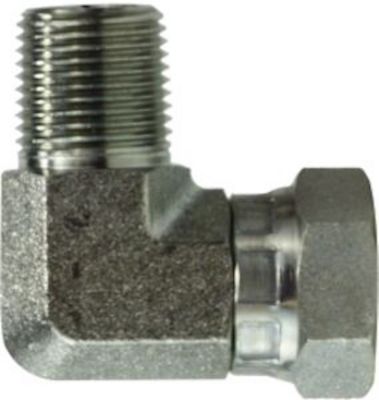
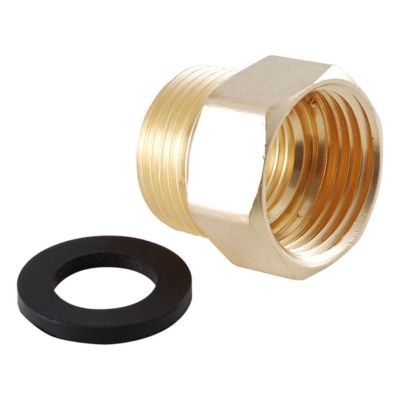
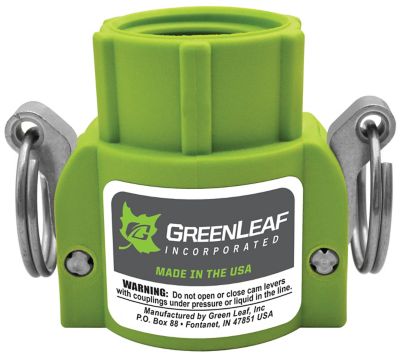
Hydraulic fittings connect hoses, tubes, and pipes to pumps, valves, cylinders, and other parts of a fluid power system. They help keep pressurized fluid contained so equipment can lift, push, steer, and carry a load. Around a farm or acreage, those connections keep loader arms moving, log splitter cylinders cycling, and attachments working through long afternoons. A fitting may be small enough to sit in the palm of a hand, but its thread pattern, sealing surface, material, and pressure rating all matter to the whole assembly. Straight connectors join lines without changing direction, elbows route connections around tight spaces, and tees create branches where the system design calls for them. Adapters connect different fitting styles or sizes, while hydraulic quick couplers let compatible attachments connect and disconnect without taking apart a threaded joint. These parts serve farmers, ranchers, equipment operators, repair shops, and property owners handling routine maintenance or replacing worn connections. Intended use makes a difference: a stationary splitter has different routing and exposure concerns than a loader hose that bends every time the bucket moves. Vibration, repeated pressure changes, road salt, wet bedding, and grit around a tractor hitch can all affect how a connection holds up. During cooler months, fluid viscosity and seal temperature limits also deserve attention, especially on equipment parked in an open shed overnight. Choosing hydraulic fittings means matching the entire connection rather than finding threads that appear close. Equipment specifications, hose assembly requirements, and the mating port provide the starting point for fit. Maximum working pressure, operating temperature, hydraulic fluid compatibility, and movement at the connection help narrow the match further. A fitting rated for the job still needs the proper hose, mating connector, and assembly method. The system’s allowable working pressure is limited by its lowest-rated component, and a published burst pressure is not a working-pressure rating. That distinction matters whether the job involves shifting round bales or running a cylinder on a shop-built piece of equipment.
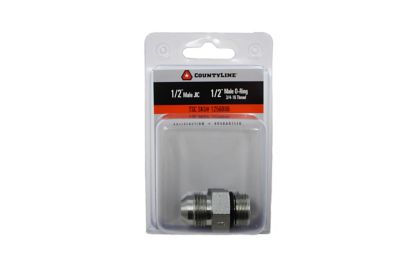
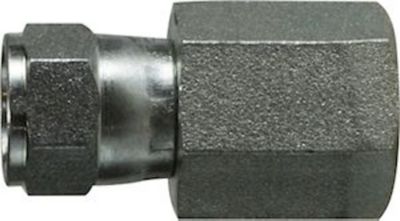
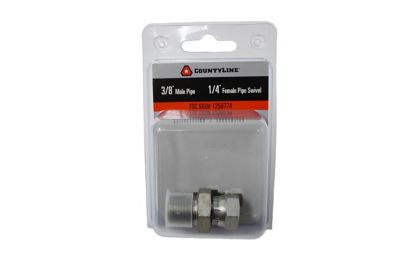
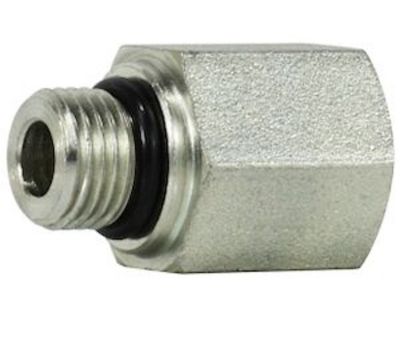
The main hydraulic fitting styles differ in how they seal, not just in how their threads look. JIC fittings have a 37-degree flare seat and form a metal-to-metal seal at the mating surfaces; the threads bring those surfaces together rather than providing the seal themselves. A 45-degree flare connection is not interchangeable with a 37-degree JIC connection, even when the thread dimensions look similar. O-ring face seal fittings, often called ORFS fittings, have an O-ring in a groove on the male fitting’s flat face that seals against the mating flat surface. SAE O-ring boss fittings, or ORB fittings, have straight threads and an O-ring that seals at the port’s chamfer. Although both styles incorporate O-rings, their sealing arrangements are different and are not interchangeable. NPT fittings have tapered pipe threads and generally need an appropriate hydraulic-compatible thread sealant applied according to manufacturer directions. NPTF dryseal threads have a different thread geometry intended to reduce the spiral leakage path; sealant requirements still depend on the connection and manufacturer specifications. Metric hydraulic fittings can involve different thread pitches, cone angles, and sealing arrangements, so a metric diameter alone does not establish compatibility. This is particularly important when maintaining equipment from different manufacturers in the same machine shed. Thread diameter, pitch, male or female configuration, and sealing style all belong in the match. Dash sizes add another layer: for many hose connections, the dash number represents nominal hose inside diameter in sixteenths of an inch, while tube-fitting dash sizes often refer to tube outside diameter. Neither should be mistaken for the actual thread diameter. Manufacturer dimension charts, thread gauges, and seat-angle references help distinguish connections that look nearly alike on the bench. Port size and passage size matter, too, because an undersized flow path can create restriction and heat. For attachment connections, matching quick couplers also involves the coupling series, body size, pressure rating, and connection requirements—not simply whether two ends seem to latch together.
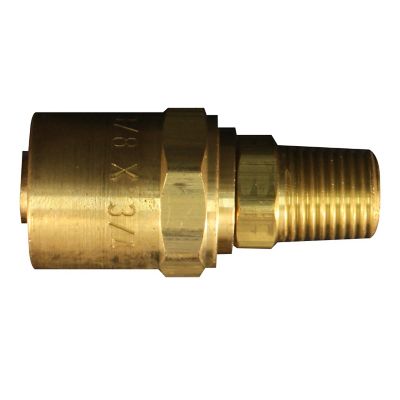
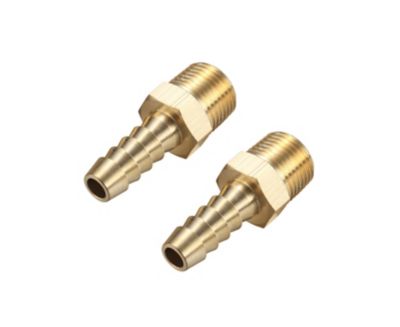
Material choice affects strength, corrosion resistance, fluid compatibility, and service life. Carbon steel is common in hydraulic systems, often with zinc plating or another protective finish to help resist surface corrosion. Stainless steel may suit connections exposed to persistent moisture or corrosive surroundings, provided the fitting’s pressure and fluid specifications match the application. Brass appears in some hydraulic applications, but its suitability depends on the particular fitting’s rating and operating conditions; material alone never establishes a safe pressure limit. For a closer look at that material category,
steel fittings offer related connection options whose specifications still need to match the job. Seals need the same attention as metal bodies. O-ring compounds have different limits for petroleum-based fluids, other hydraulic fluids, and temperature, so matching only the ring’s diameter leaves part of the decision unfinished. Fit also includes physical clearance: an elbow that clears a frame rail while parked may contact it when an attachment travels through its full range. Good routing leaves room for the specified hose bend radius and helps keep twisting, rubbing, and side loads away from fitting joints. On a working tractor, that can mean the difference between a hose moving freely beside a loader arm and one scraping against a bracket every lift. Care starts with keeping dirt out of open lines and protecting disconnected couplers with suitable caps or plugs. Clean sealing faces, intact threads, and correctly seated O-rings support a sound connection, while scratched seats, flattened seals, corrosion, and damaged plating warrant attention. Manufacturer torque specifications matter because overtightening can damage threads, sealing surfaces, or O-rings rather than stop a leak. Hydraulic connections must be serviced with equipment secured, raised components mechanically supported, and system pressure relieved according to the equipment manual. Never check a suspected pressure leak with a hand; escaping fluid can penetrate skin and requires immediate medical attention. Properly matched fittings, careful assembly, and regular inspection help keep small connection problems from interrupting the next load, lift, or pass across the property.