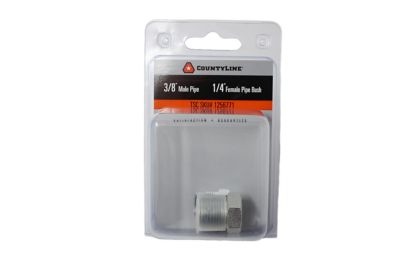
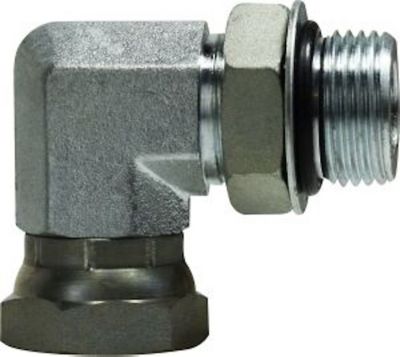
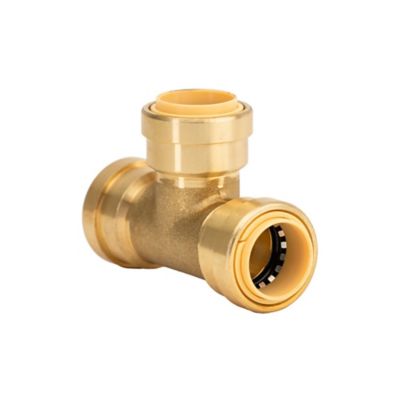
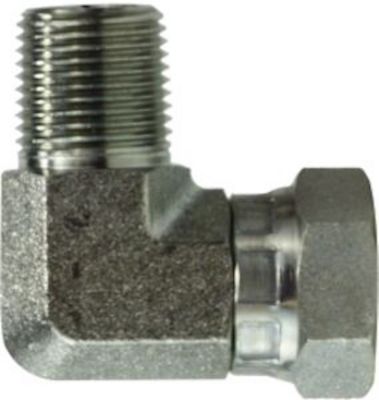
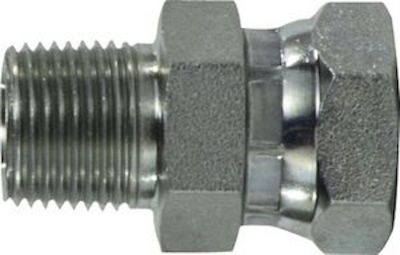
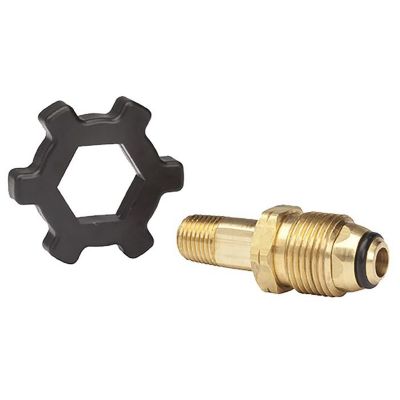
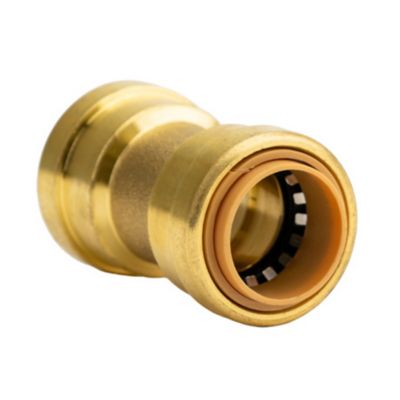
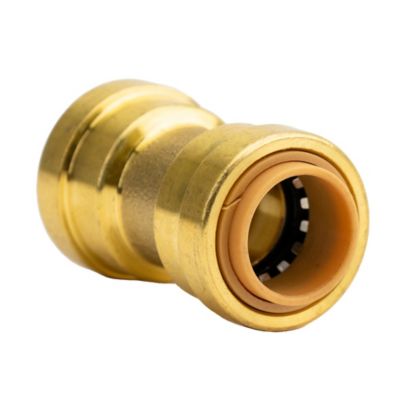
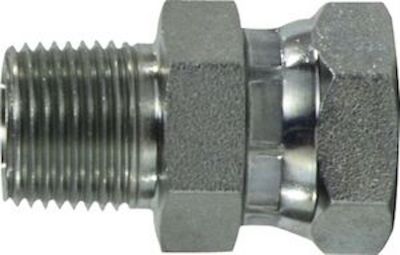
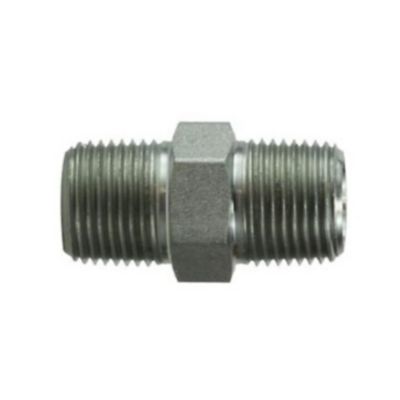
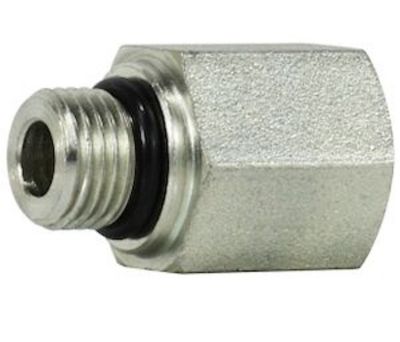
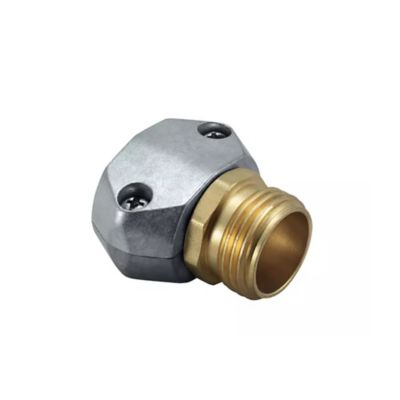
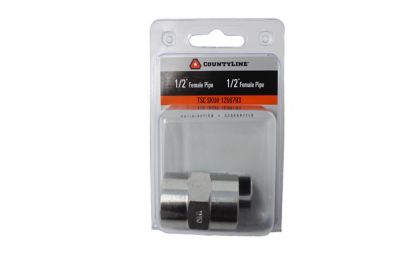
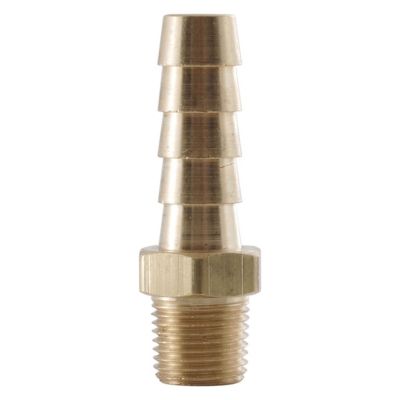
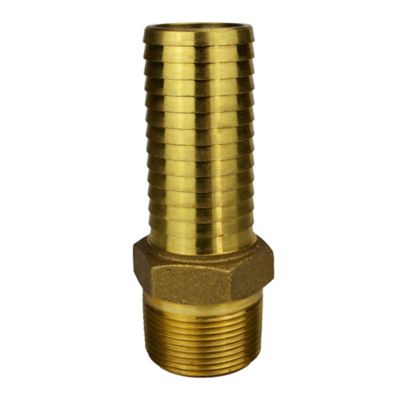
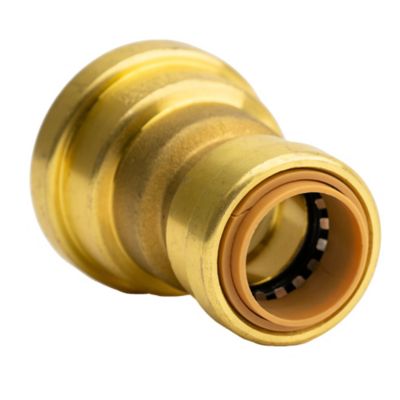
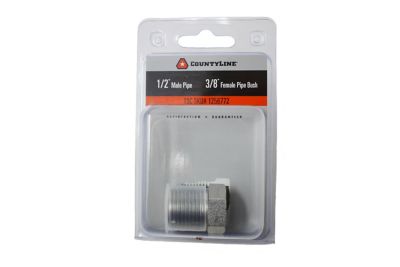
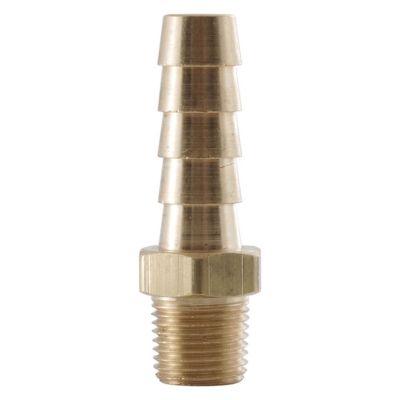
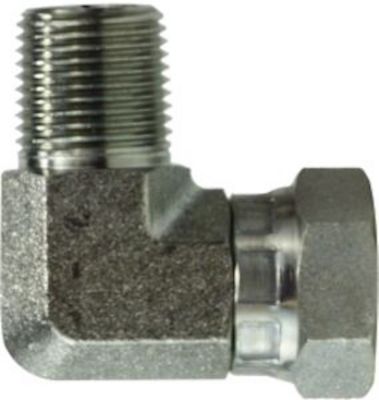
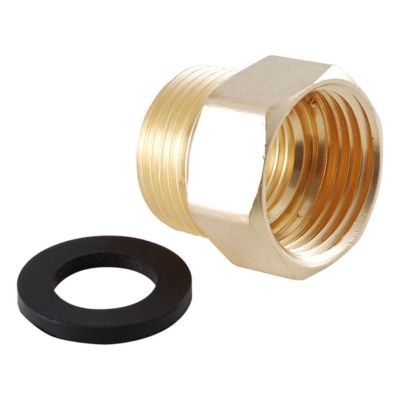
Metal fittings are the small but hardworking pieces that help turn a pile of pipe, tubing, hose or structural material into a dependable working system. Used around farms, homes, shops, barns and job sites, fittings can join two sections, change direction, reduce an opening, split a line or connect materials with different sizes and thread styles. The right fitting helps keep a water line tight, an air system organized, a fuel or fluid connection properly supported and a frame or repair project built to last. Before you shop, identify the job first. A plumbing and piping project may call for a different material and connection style than an automotive repair, compressed-air setup, livestock watering line or structural build. Take a close look at what you are connecting, including whether it is copper, PVC, steel, brass, rubber hose or another material. Measure the outside diameter when needed, then confirm the nominal pipe size, fitting size and thread type. National pipe thread, straight thread and metric thread are not interchangeable, and a connection that almost fits can leak, strip or fail under pressure. It is also worth checking whether the fitting joins male and female threads, requires a threaded adapter or is designed for another method of connection. A few minutes with a tape measure, thread gauge or the original fitting in hand can save a return trip when the wind is cold and the truck is already loaded.
Material matters just as much as size. Brass and bronze are popular for many water-line and general plumbing applications because they offer solid strength and good resistance to rust and corrosion. If your work involves drinking water, outdoor exposure or equipment that sees regular moisture, check that the fitting is rated for that use and compatible with the rest of the system. Stainless steel is valued for its strength and resistance to corrosion, making it a practical choice for demanding environments, washdown areas and projects where a clean, long-lasting connection matters. Malleable iron is sturdy and often economical for air, gas and liquid lines when the fitting is properly rated for the service. Aluminum is lightweight and versatile, which can make it useful in automotive and fabrication applications where every pound matters. Metal fittings can be tough, but even the best material will not make up for a mismatched connection. Avoid pairing metals without considering galvanic corrosion, especially where moisture is present, and use the proper sealant, gasket or thread tape for the line and the fluid moving through it. Sealant should not be used as a substitute for correct threads or a sound fitting. For water, air, gas and fuel systems, always follow applicable codes and the fitting manufacturer’s pressure and temperature ratings; gas work and other high-risk repairs are best handled by a qualified professional. For water lines, drain the system and relieve pressure before taking anything apart. In a dusty shed or muddy pasture, wiping threads clean before assembly can make a surprising difference in how smoothly a connection comes together.
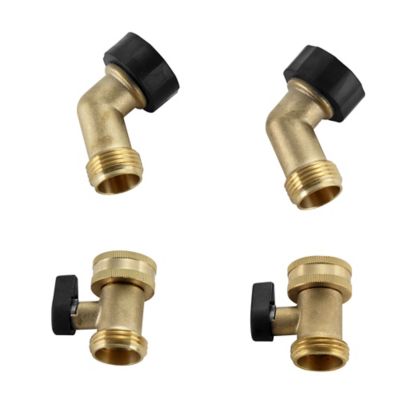
A good fitting should suit both the immediate repair and the conditions around it. Outdoor lines may face rain, freeze-thaw cycles, soil, animal contact and accidental knocks from a gate, loader or feed cart. Indoor shop systems may need to stand up to oil, vibration, compressed air or repeated adjustments. Look for sturdy construction, clean threads and a shape that leaves room for a wrench without putting strain on nearby pipe. Elbows can help route a line around a post or wall, tees can branch a run, couplings can join sections and adapters can transition between different connection types, but every added connection is another place to inspect. Support long runs so the fitting is not carrying the weight of unsupported pipe, and avoid forcing a line into alignment by tightening the fitting harder. That old habit can twist threads or place stress on the joint; a short section of flexible hose or a properly sized connector may be the better fix. For a broad selection of water-ready options, take a look at
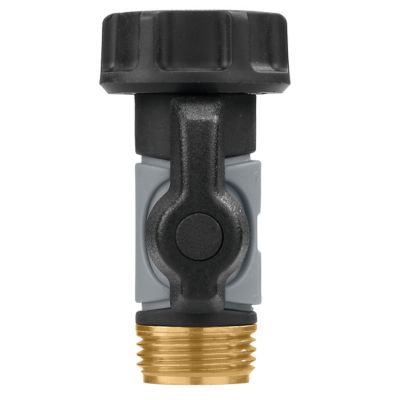
Brass Fittings. When cooler weather settles in, metal fittings also make sense as part of routine property maintenance: check exposed connections for drips, surface corrosion and freeze damage, and protect vulnerable lines according to the system requirements. Keep a few commonly used sizes organized in the shop, along with the right wrenches and sealing materials, so a small leak does not turn into a long evening spent searching through coffee cans and drawers. Whether you are maintaining a stock tank, improving a workshop air line, repairing equipment or finishing a fabrication project, choosing the correct metal fitting means matching the material, size, thread, pressure rating and environment to the job. That careful match is what gives a connection the quiet reliability you notice most when everything keeps working as it should.