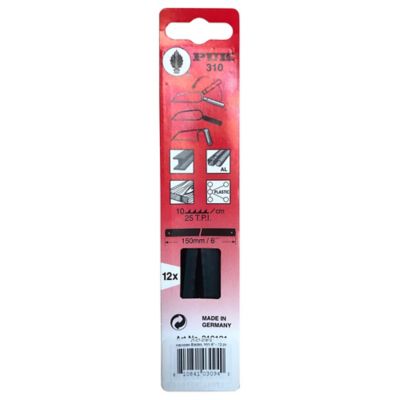
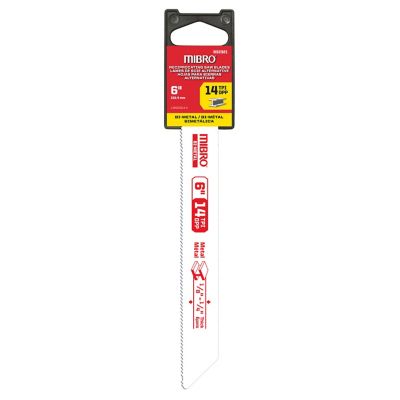
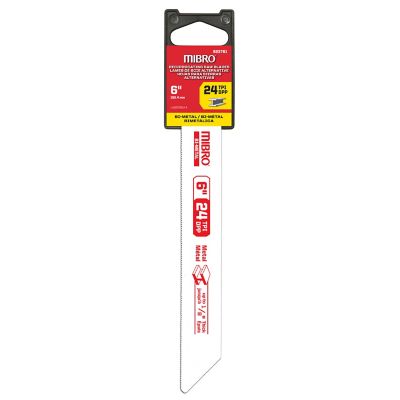
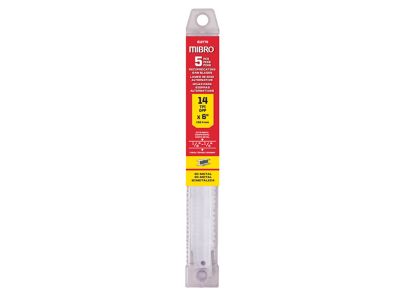
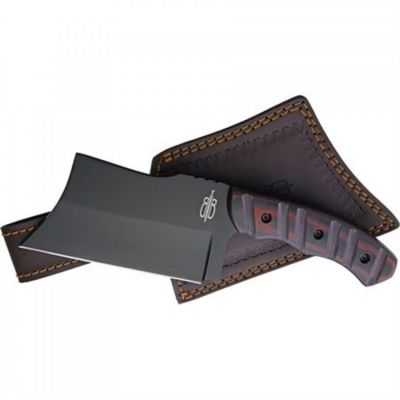
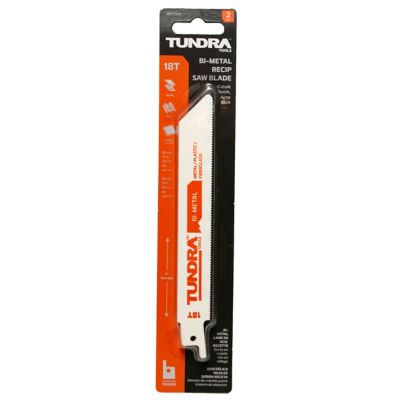
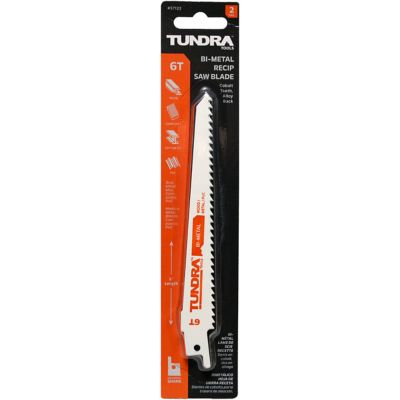
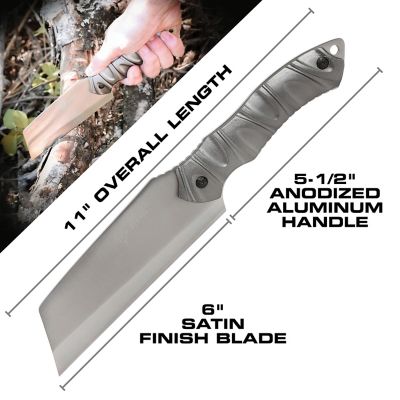
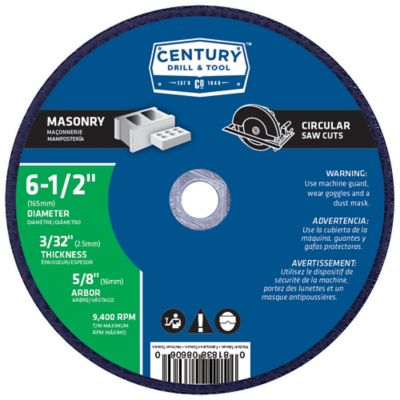
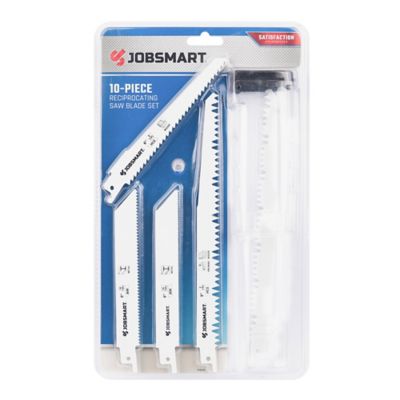
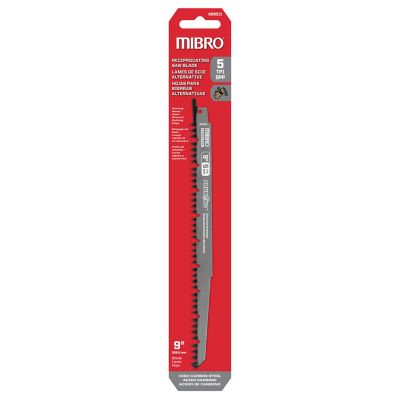
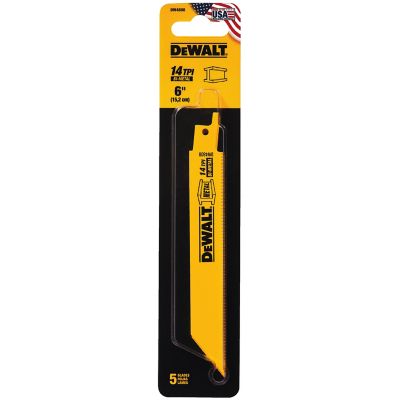
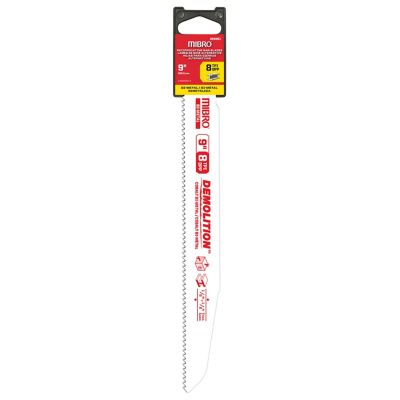
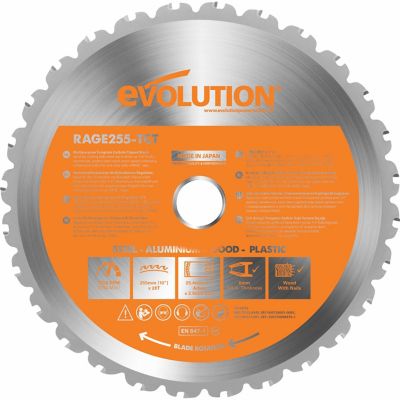
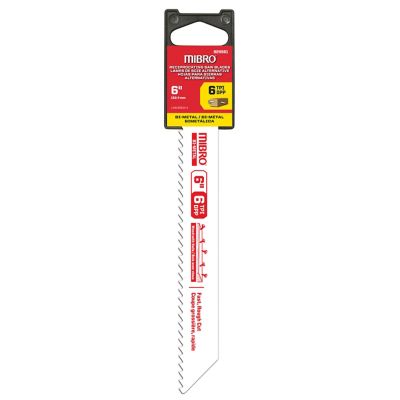
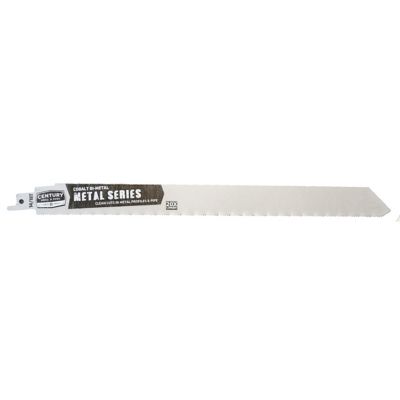
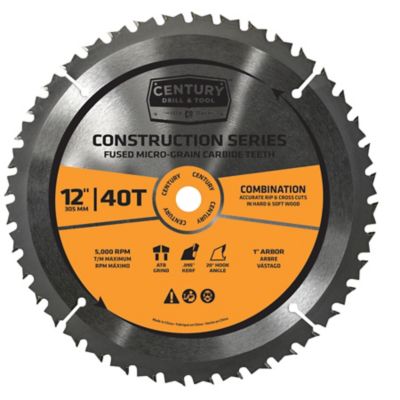
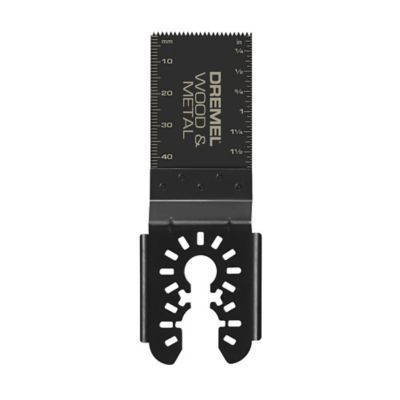
Six-inch blades are cutting blades sized by a dimension that depends on the tool: diameter for a circular saw blade, length for a reciprocating saw blade, or blade length for many knives. That shared measurement does not make the different styles interchangeable. A round blade for a powered saw, a straight blade for a reciprocating saw, and a fixed knife blade each serve a different purpose and attach to or function with different equipment. Around a farm, workshop, or home, those differences matter more than the number on the package. Trimming a board for a feed-room shelf calls for a different cutting edge than shortening a steel bracket or working through a damaged fence rail. Saw blades in this size range can handle wood, metal, or other materials when their construction and cutting edge match the job. Knife blades belong to a separate group, with their suitability shaped by edge geometry, blade thickness, handle design, and the task at hand. Steel construction varies, too. High-carbon steel often provides flexibility for wood-cutting reciprocating blades, while bi-metal construction combines a flexible backing with a harder cutting edge. Carbide-tipped teeth offer wear resistance for designated applications, and diamond cutting edges serve particular masonry, tile, and similar materials when both the blade and tool support that work. None of these materials is best for every job. A blade that makes sense for rough lumber may leave an unsuitable finish on a visible shelf edge, while a blade intended for thin metal may struggle with thick stock. For homeowners, mechanics, tradespeople, and folks keeping fences and outbuildings in working order, the useful starting point is the combination of cutting material, tool compatibility, and the finish the work requires. A clear description of all three tells far more than blade size alone.
For powered cutting tools, fit includes several measurements beyond the six-inch designation. Circular saw blades need the specified diameter, arbor hole, and mounting arrangement for the saw, along with a speed rating that meets or exceeds the tool’s maximum operating speed. A six-inch blade is not automatically a substitute for a nearby size, even when the difference looks small. The manufacturer’s requirements also determine which blade styles and cutting materials the tool can handle. Reciprocating blades have their own shank requirements, and nominal blade length does not equal usable cutting reach. Part of the blade sits behind the work, and the blade travels back and forth through its stroke. Enough length must remain beyond the material throughout that movement to avoid the tip catching inside the cut. That consideration becomes especially important with pipe, thick posts, and layered assemblies where the far side is hard to see. Within the range of
6-inch saw blades, tooth design helps separate rough cutting from finish work. Fewer, larger teeth generally clear chips faster in suitable wood-cutting applications, while finer tooth patterns can provide a smoother edge or better engagement with thinner material. For metal-cutting reciprocating blades, tooth pitch needs to suit the material’s thickness so several teeth engage the work rather than catching on an edge. Thin-wall tubing and heavy bar stock therefore call for different considerations. Blade width and thickness also influence handling: a broader, thicker reciprocating blade can resist bending during straight cuts, while a narrower profile can make curved cuts more manageable where the blade is rated for that work. On circular blades, kerf describes the width of material removed. A thinner kerf may reduce cutting resistance, but it still needs to suit the saw and application. For repair jobs involving hidden nails or mixed materials, a blade expressly rated for those conditions matters; a wood-cutting label alone does not establish that capability.
Service life depends on the blade’s construction, the material being cut, and how the work is supported. A board rocking across a pair of sawhorses, a loose piece of angle iron, or a pinched cut can put extra strain on an otherwise suitable blade. Secure support, proper clamping, and a clear cutting path help the tool work without unnecessary twisting or binding. Feed pressure matters as well: forcing a blade can create heat, damage teeth, and leave a rougher result rather than getting the job done faster. Cutting fluids are appropriate only where the blade, tool, and material instructions permit them. For knives, a six-inch blade brings its own handling considerations. Blade length should be distinguished from overall length, and the handle needs to offer control for the intended task. A suitable sheath protects the edge and helps keep it from contacting other gear during storage or transport. Stainless steel resists corrosion but still benefits from cleaning and drying; carbon steel generally needs closer attention to moisture and an appropriate protective treatment. Any care product must suit the blade’s intended contact, including food contact where applicable. Saw blades also benefit from removing residue with a compatible cleaner and storing them so teeth do not knock against other tools. Inspection can reveal chipped teeth, cracks, bends, heavy corrosion, or a worn cutting edge before those problems affect the next job. A dull blade may show itself through extra effort, burning, wandering cuts, or increased vibration, though tool condition and setup can cause similar symptoms. Sharpening is an option only for blade types designed for it and in accordance with the maker’s directions; other blades require replacement. Disconnecting power or removing the battery before blade changes, keeping guards in place, and wearing the specified eye, hearing, and other protection remain part of working with powered blades. Whether the task is fitting a shop shelf or cutting material for a gate repair, a well-matched six-inch blade helps keep the work controlled and the finished cut suited to the job.