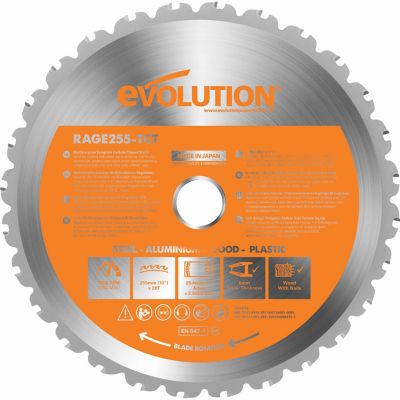
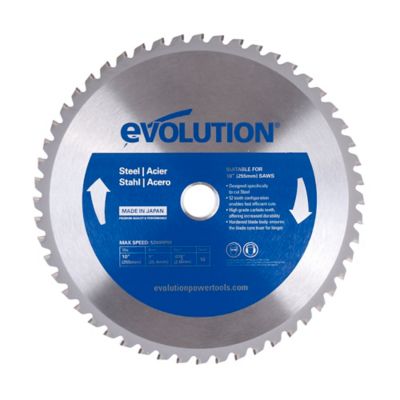
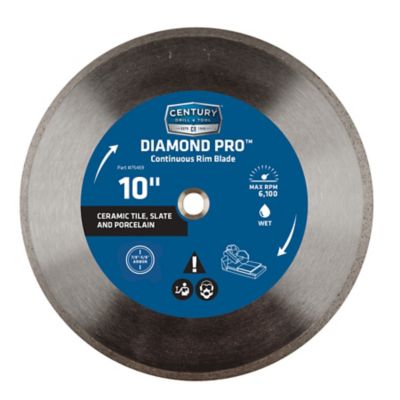
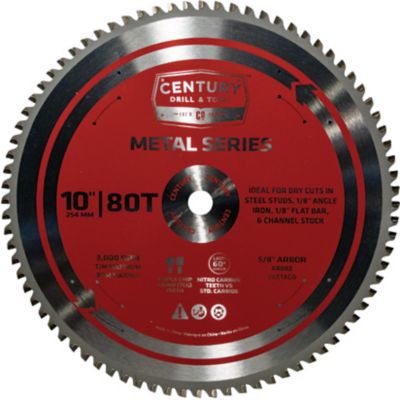
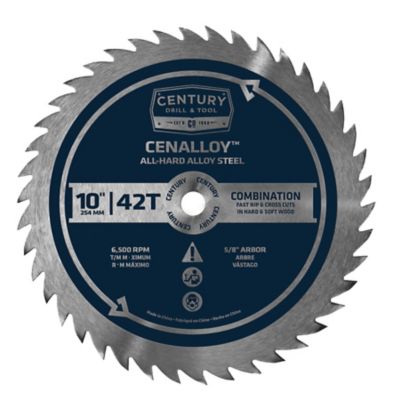
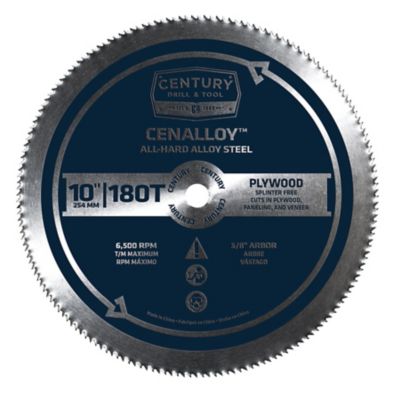
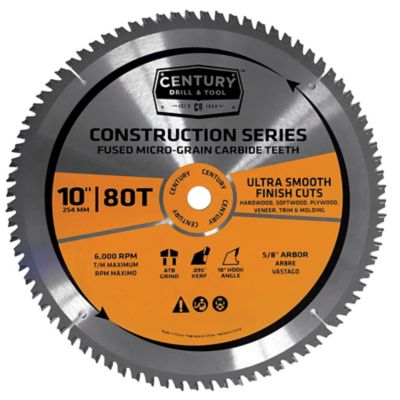
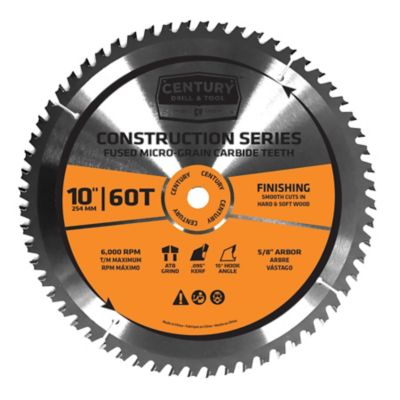
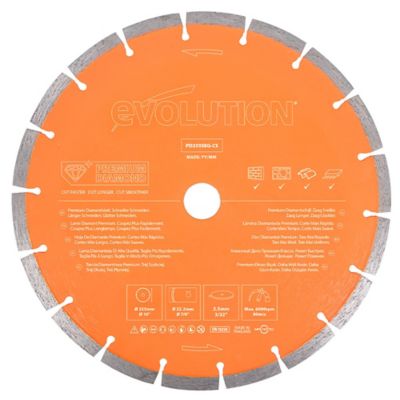
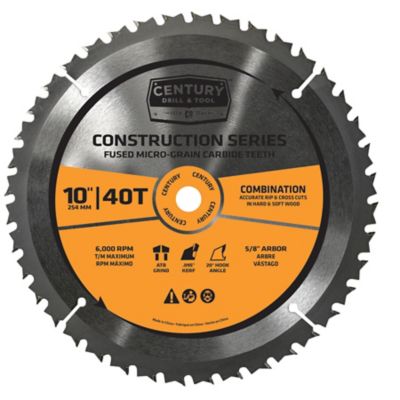
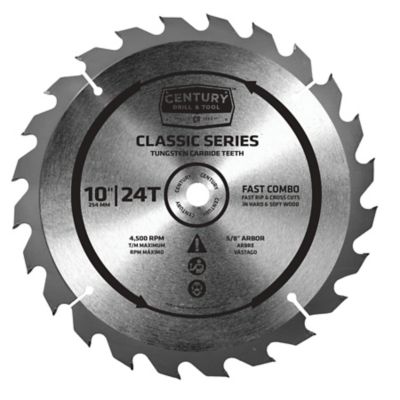
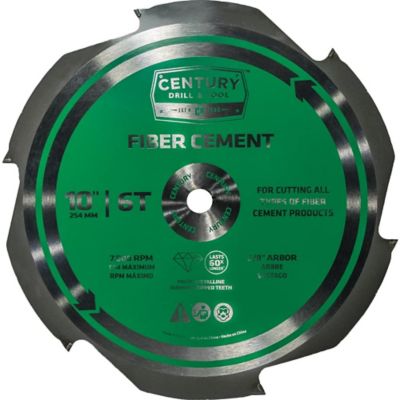
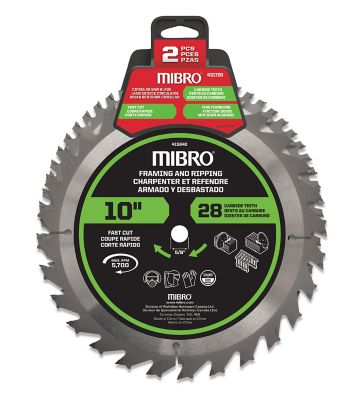
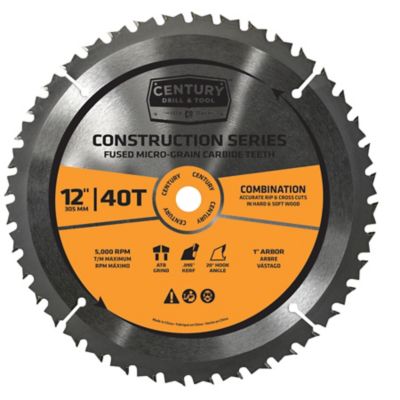
When a project calls for a dependable saw blade, 10 inch blades are a common, versatile choice for table saws, miter saws, and many jobsite saws. They are often used for cutting lumber, plywood, hardwood, softwood, laminates, and some plastic materials, making them useful for everything from building fence panels and shelving to trimming flooring, cutting cabinet parts, and handling repair work around the farm. Before choosing a blade, match it to both the saw and the material. Most 10 inch saw blades use a standard 5/8 inch arbor hole, but checking the arbor size, maximum blade diameter, and recommended blade speed in your saw’s owner’s manual is an important first step. The blade must fit securely, sit flat on the arbor, and be compatible with the saw’s guard and riving knife. A blade that is the right size but not suited to the machine can make a cut harder to control, so a few minutes spent checking the specifications can save time and trouble at the workbench. It also helps to think about the kind of cut you make most often. Blades with roughly 32 to 40 teeth are generally suited to faster ripping cuts, where the blade follows the grain and needs to clear chips and sawdust quickly. A 40-tooth combination-style blade can be a practical all-around option for people who move between ripping boards and making crosscuts without changing blades for every task. Blades with about 60 to 80 teeth, or other higher tooth-count designs, are better suited to smoother crosscuts, trim, molding, plywood, and finished woodworking where a clean edge matters. More teeth usually mean a finer cut, while fewer teeth often remove material faster. The best choice depends on the balance between speed, finish, and the type of stock being cut.
Tooth design, kerf, and the material being cut all affect how a 10 inch blade performs. Ripping teeth are shaped to move efficiently through the length of a board, while crosscut and combination designs are made to produce cleaner cuts across the grain. When working with plywood, melamine, laminates, or finished boards, a higher tooth count and a blade designed for a fine finish can help reduce splintering and chipped edges. For ordinary construction lumber, a faster general-purpose blade may be a better fit, especially when the cut will be covered by a joint, trim, or paint. Thin-kerf blades remove less material with each pass, which can reduce waste and take some strain off a smaller saw. They may be helpful when working with a portable jobsite saw or when every bit of expensive hardwood matters. Standard-kerf blades can offer a sturdy feel and are often chosen for heavier table saw work, provided the saw has enough power and the blade is compatible with its setup. Keep in mind that no blade is ideal for every material. Wood blades are not intended for cutting steel or other metals, and plastic can melt or bind if the blade and feed rate are not appropriate. Use the blade according to its stated purpose, and let the saw do the work rather than forcing the stock through the cut. A sharp blade should move steadily without excessive burning, vibration, or wandering. If you notice scorched wood, rough edges, unusual noise, or resistance that was not present before, stop and inspect the blade, saw alignment, and workpiece. Resin and pitch can build up on teeth over time, especially when cutting pine or pressure-treated lumber, so cleaning the blade as recommended can help it perform more smoothly. Store spare blades in a dry place with the teeth protected, and avoid laying them loose in a drawer where the carbide tips can be knocked against tools.
A 10 inch blade can be a useful addition to a workshop, garage, barn, or job trailer, whether the work involves weekend building projects or steady maintenance around a property. A homeowner may use one for making straight cuts for shelves, planter boxes, raised beds, or small outbuildings, while a contractor or experienced DIYer may keep several tooth patterns on hand for framing, finish work, and sheet goods. It can also be a thoughtful gift for someone setting up a first shop, upgrading a jobsite saw, or taking on woodworking during the cooler months, when indoor projects have a way of filling the evenings. Choose based on the recipient’s saw and the work they actually do rather than simply selecting the highest tooth count or the lowest price. A person building gates and repairing boards will likely value a durable, general-purpose option, while someone making furniture or installing trim may appreciate a blade designed for smooth, clean cuts. Safe cutting habits matter just as much as the blade itself. Wear eye and hearing protection, keep hands away from the cutting path, use a push stick or other approved aid when needed, and support long boards so they do not twist or fall as the cut is completed. Make sure the fence is parallel, the miter gauge is secure, and the blade is fully stopped before clearing scraps. Never reach near a spinning blade, and do not cut stock that is warped, wet, or unstable unless the saw and technique are suited to it. For smaller machines or specialty jobs, comparing sizes can also help you find the right fit; shoppers looking for another compact option can browse
6 Inch Saw Blades. With the right arbor fit, tooth count, kerf, and material rating, 10 inch blades can provide reliable cuts for routine repairs, building projects, and careful finish work from the first board to the last.