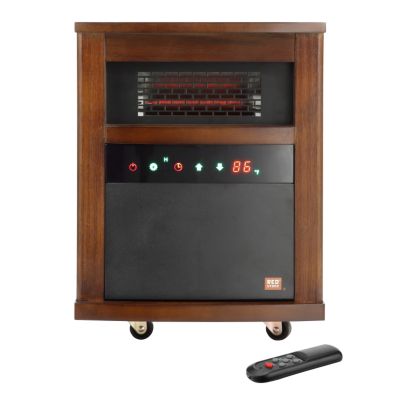
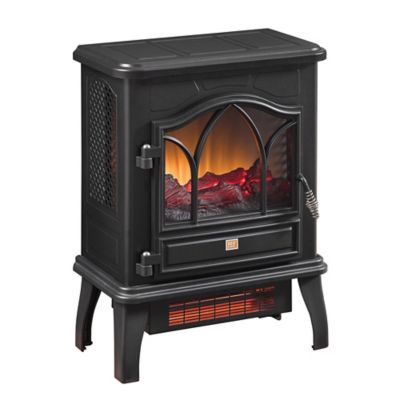
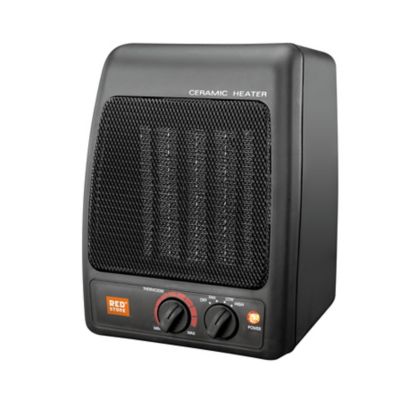
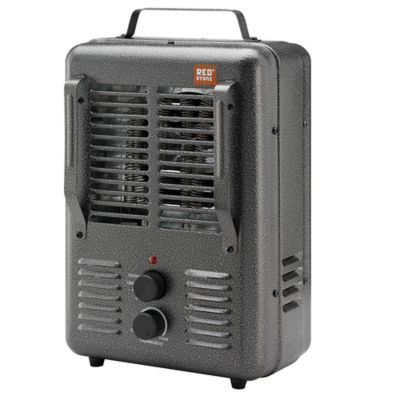
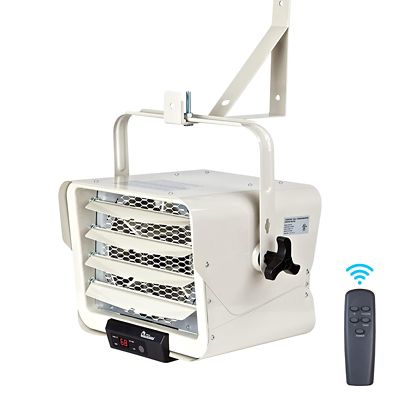
A 5,000 BTU heater provides supplemental warmth for a small room or a spot where folks sit and work, rather than heating an entire house or a wide-open barn. BTU stands for British thermal unit, and heater output is generally expressed in BTUs per hour. For electric resistance heaters, 5,000 BTUs per hour is roughly equivalent to 1,465 watts; a standard 1,500-watt electric space heater produces about 5,100 BTUs per hour. That puts these heaters in a familiar small-room heating range, often associated with spaces around 150 to 200 square feet under suitable conditions. Coverage is an estimate, not a promise: insulation, ceiling height, window area, air leaks, and the difference between indoor and outdoor temperatures all affect how much warmth a room holds. A snug home office with a closed door is a different job from a drafty outbuilding with gaps around the siding. In a farmhouse bedroom or a small enclosed workspace, a heater in this range can supplement the main heating system while someone is awake and nearby. A 300-square-foot room with substantial heat loss may call for more output, especially when there is no other heat source. The distinction between BTUs and watts matters when comparing heater sizes. A 5,000-watt electric heater produces about 17,000 BTUs per hour—more than three times the output of a 5,000 BTU heater—and often has different installation and electrical requirements. Keeping those ratings separate makes it easier to match the equipment to the space. For someone handling paperwork after chores or spending an afternoon at a sewing table, the appeal of a smaller heater is straightforward: warmth close to the activity without expecting a compact appliance to do the work of a whole-building system. Floor space also matters, since the heater needs a safe location with room around it, not just enough space to squeeze beside a chair.
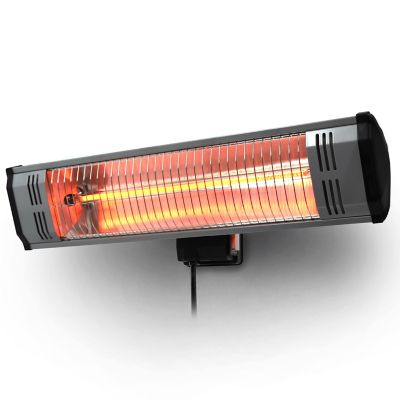
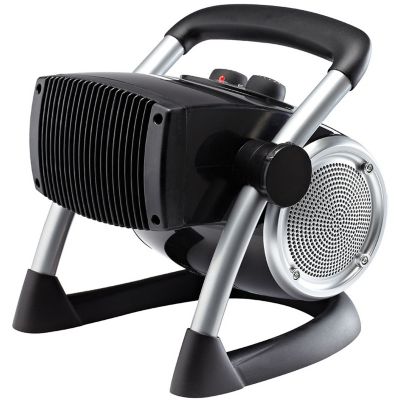
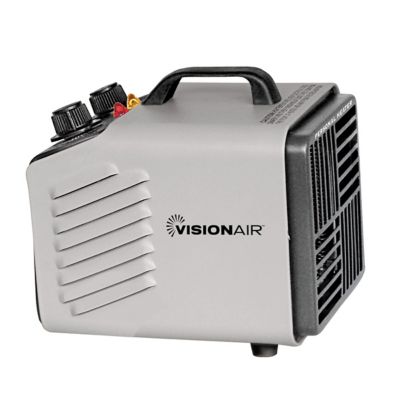
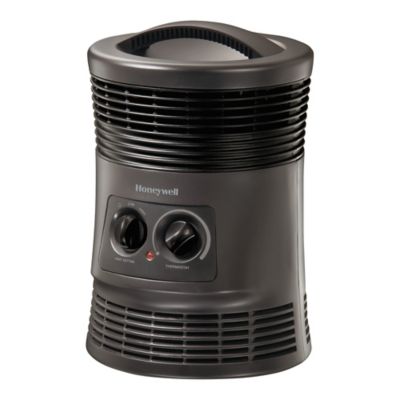
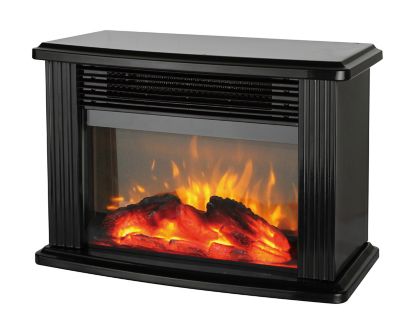
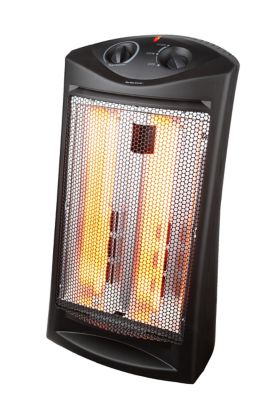
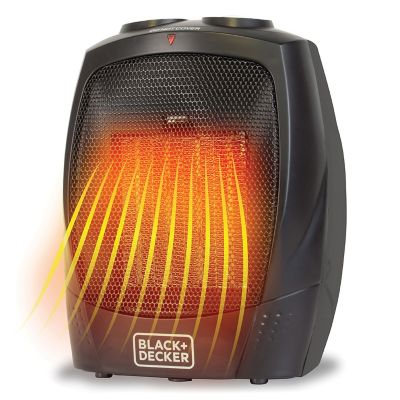
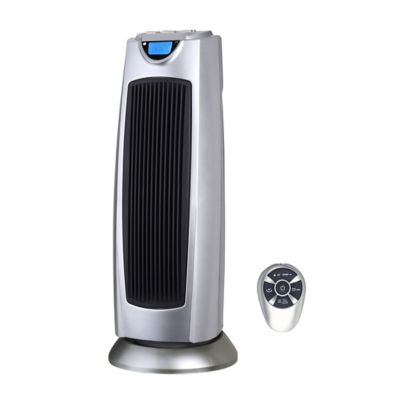
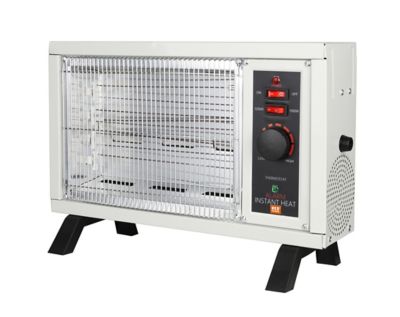
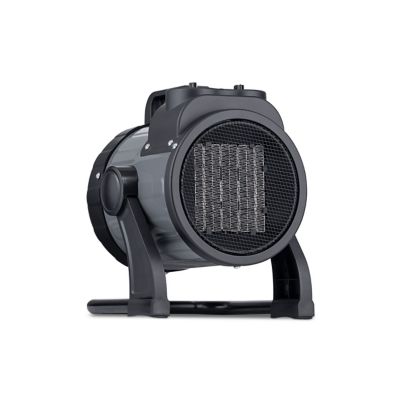
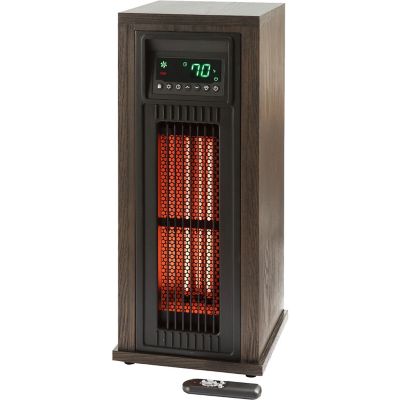
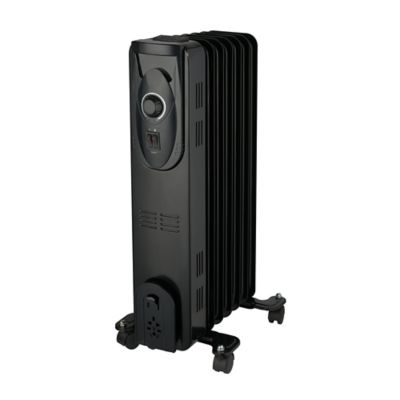
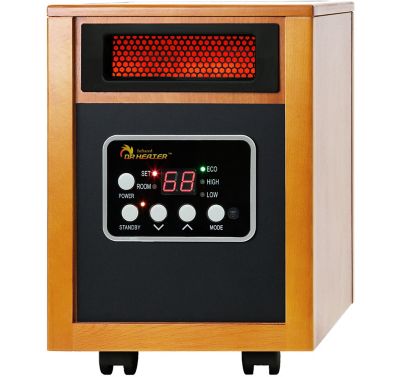
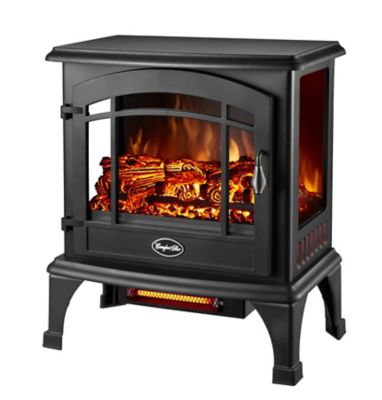
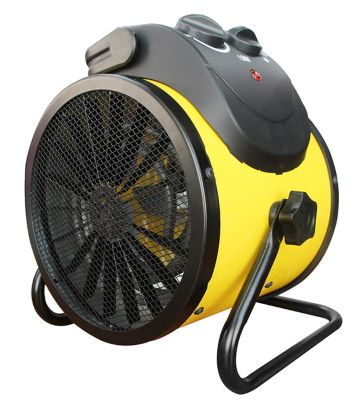
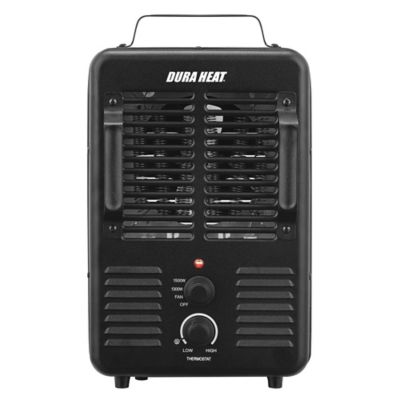
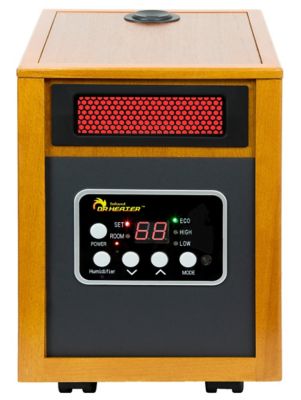
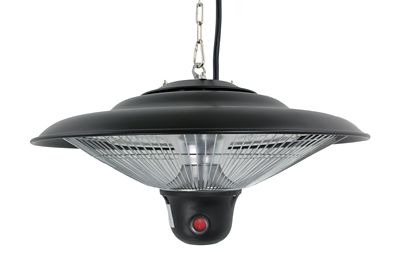
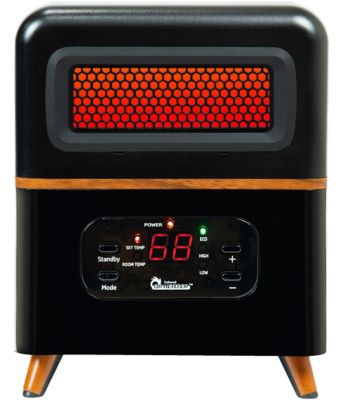
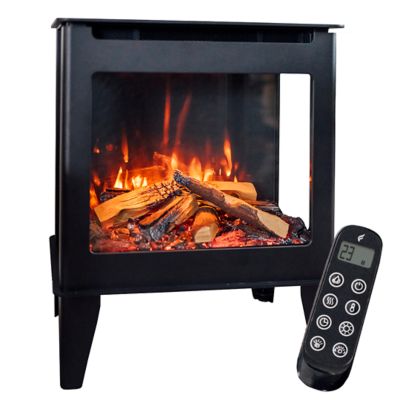
Heaters around 5,000 BTUs come in different configurations, and the way they deliver warmth can matter as much as the output number. Fan-forced electric heaters move air across a heating element and send warmed air into the room, making airflow direction and fan sound worth considering for desks, reading areas, and other quiet spaces. Ceramic models also commonly rely on a fan, with a ceramic heating element supplying the heat. Radiant designs direct warmth toward people and nearby surfaces, while convection designs warm circulating room air. Oil-filled electric radiators contain sealed heat-transfer fluid, take longer to warm up, and continue releasing stored heat for a while after the element cycles off; they do not burn oil or need routine fuel refills. These differences influence how warmth feels, but heaters drawing the same wattage have broadly comparable total heat output. A fan can spread that warmth around without increasing the amount the heating element produces. Construction may include metal housings, heat-resistant plastic components, protective grilles, or sealed radiator sections. Each design has its own handling and placement considerations, and even a carrying handle or a housing described as cool-touch does not mean every surface stays cool. A stable base, controls that are easy to read, and a handle positioned away from hot surfaces can make everyday operation simpler. Adjustable thermostats help maintain a selected temperature by cycling the heater, while multiple heat settings provide a choice between lower and higher output. Oscillation can distribute airflow across a wider area, and a stationary outlet keeps it aimed in one direction. For a room where conversations or phone calls happen, operating sound deserves attention alongside dimensions and control placement. For someone who moves a heater between approved indoor locations, weight and a secure grip may matter more than an elaborate display. Portable and mounted designs also serve different needs: one allows relocation after cooling, while the other requires a suitable installation location and the mounting method specified by its manufacturer.
Electrical fit and safe placement are central considerations for 5,000 BTU heaters. Many portable electric models in this output range operate on 120-volt household power, and a 1,500-watt heater draws about 12.5 amps at that voltage. That is a substantial load on a 15-amp circuit, particularly if other appliances share it. The heater’s electrical rating and instructions determine the required supply; having an outlet nearby does not establish that the circuit can support everything plugged into it. Portable electric space heaters should connect directly to a suitable wall outlet, not an extension cord or power strip. A firm, level surface and at least three feet of clearance from bedding, curtains, paper, furniture, and other combustible materials help establish a safer heating area, with any greater manufacturer-required clearance taking priority. Tip-over shutoff and overheat protection are useful safeguards, but they do not replace supervision or proper placement. Portable space heaters should be turned off when the room is unattended and before sleeping. Around a rural property, location restrictions deserve particular attention: an ordinary indoor room heater is not automatically suitable for a damp mudroom, livestock shelter, dusty workshop, or garage containing gasoline and other flammable vapors. Those settings require equipment specifically rated for the environment. Care generally includes unplugging the heater, letting it cool, and clearing dust from accessible intake and outlet grilles according to the instructions. Keeping the cord free of pinching, checking for damage, and stopping operation if the plug or outlet becomes unusually hot are important habits. Storage should keep the cooled heater dry and protect its cord from damage. For spaces that call for a different fuel source and more heating output,
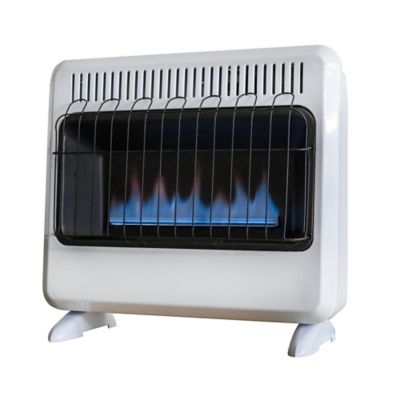
15000 Btu Propane Heaters represent a separate heating category with fuel, ventilation, and location requirements of their own. Propane equipment must be approved for its intended setting, and outdoor-only heaters must never operate indoors. Matching output, construction, power supply, and operating environment keeps the focus on a heater suited to the actual job, whether that is taking the chill off a small office or adding warmth beside a well-placed worktable.