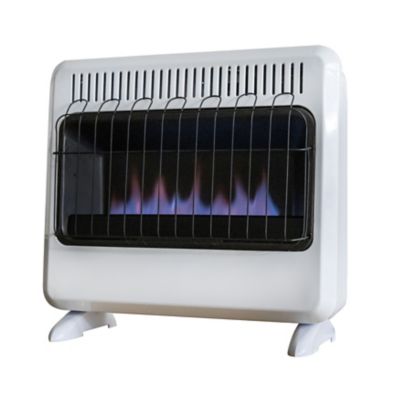
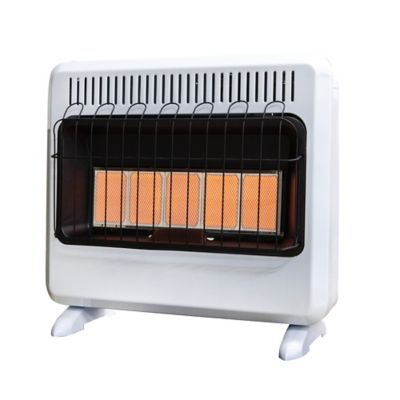
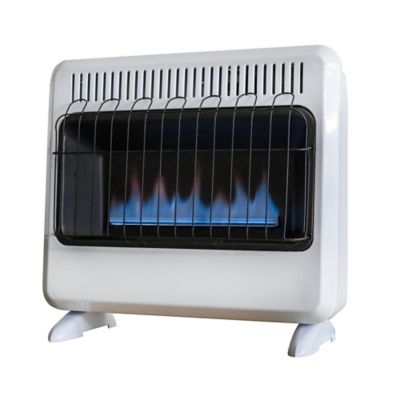
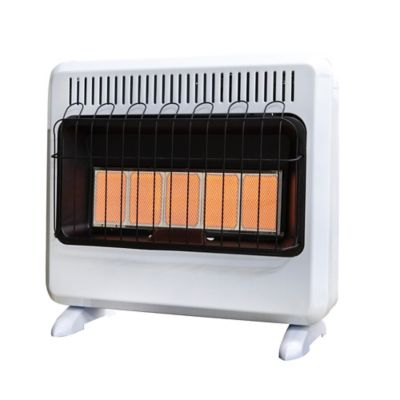
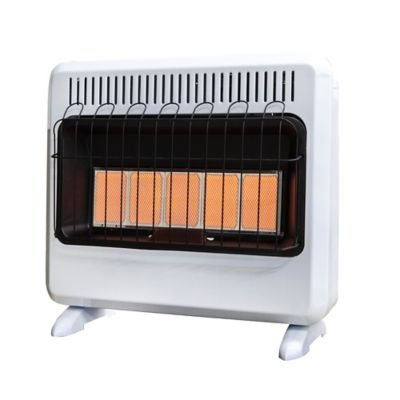
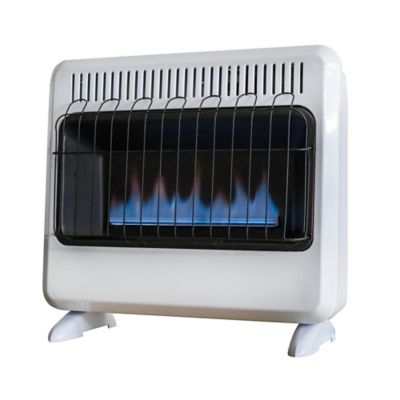
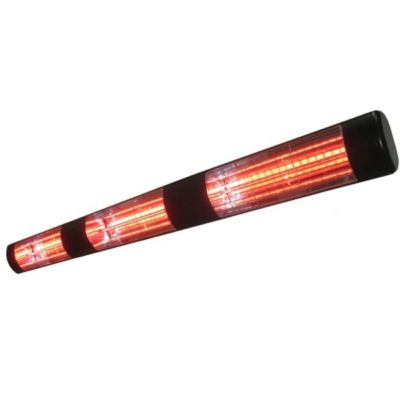
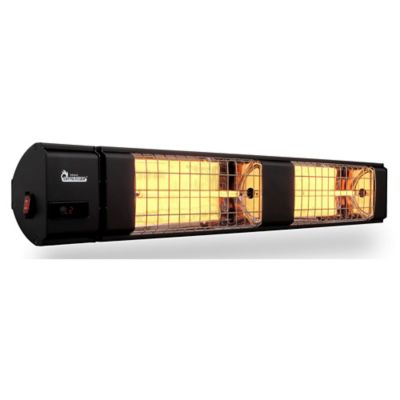
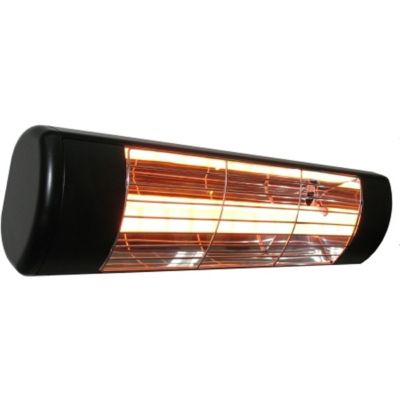
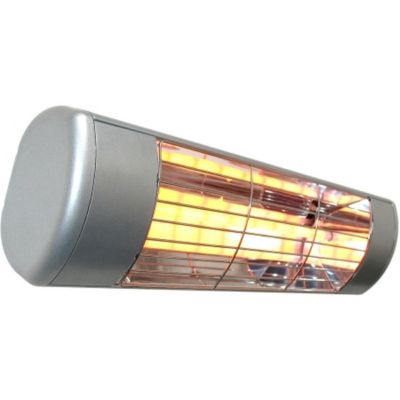
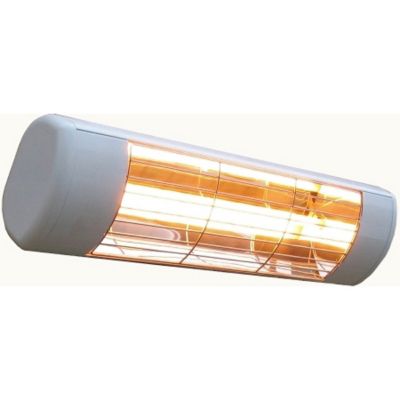
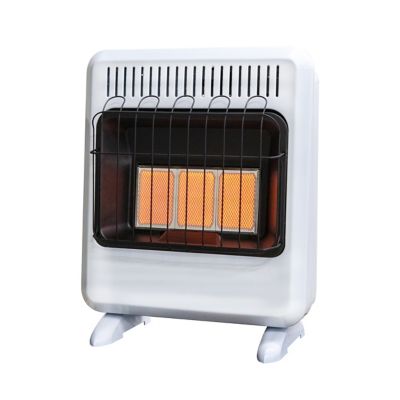
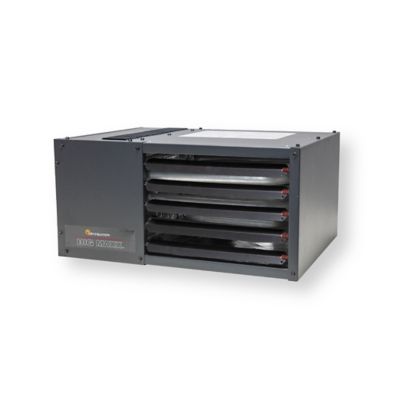
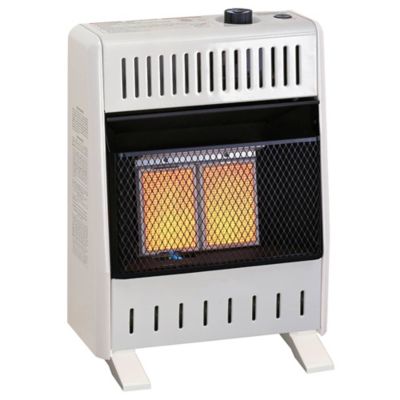
A 30,000 BTU wall heater can bring steady warmth to a larger room without taking up the floor space of a freestanding heater. These heaters often serve as supplemental heat in a farmhouse living area, a cabin gathering room, or another space where the main heating system needs a hand, provided the location meets the heater’s installation requirements. The 30,000 BTU designation describes an hourly heating rating, not a guaranteed room size, and gas heater specifications may distinguish fuel input from delivered heat output. Some models have published coverage estimates around 1,000 square feet, but actual heating needs depend on insulation, ceiling height, windows, air leakage, and outdoor temperatures. A tight room with an eight-foot ceiling holds heat differently from a drafty space with tall rafters and a door that opens throughout the day. Matching the heater to those conditions matters more than choosing by square footage alone. Within this category, blue flame and infrared heating offer different kinds of comfort. Blue flame heaters warm the surrounding air through convection, helping warmth spread through the room. Infrared, or radiant, heaters send heat toward people and nearby surfaces, which can feel welcome beside a reading chair or in a permitted work area where someone stays in one spot. Neither approach removes the need for proper sizing, clearances, or a suitable installation location. Room layout also affects how the warmth feels: an open gathering space allows air to circulate differently from several rooms connected by narrow doorways. A heater mounted in one room should not be expected to evenly heat an entire house simply because the total floor area falls within a published coverage estimate. For homeowners comparing 30,000 BTU wall heaters, the useful starting point is the space itself—how it is built, how it is occupied, and whether the goal is steady background heat or warmth centered on a particular area.
Fuel type and installation style help narrow the choices further. Natural gas wall heaters require a compatible natural gas supply, while propane wall heaters require a properly sized propane supply and the specified pressure regulation. Propane cylinders belong outdoors, with storage and connections arranged according to applicable requirements. Dual-fuel models may accommodate either natural gas or propane when configured as directed, but the fuels are not interchangeable in every heater. The model’s fuel designation, connection requirements, and installation instructions need to match the property’s setup, with gas work handled by a qualified professional. Vent-free and vented wall heaters also have different installation needs. A vented heater sends combustion exhaust outdoors through an approved venting system. A vent-free heater releases combustion products and moisture into the room, making permitted placement, room volume, ventilation, and local regulations especially important. Vent-free heaters are restricted in some locations and are not suitable for every room or building. Bedrooms, bathrooms, tightly enclosed spaces, and areas containing flammable vapors require particular attention to the rules and the heater’s listing; an open patch of wall alone does not establish a safe location. A garage or workshop likewise needs a heater specifically approved for its conditions, including required mounting height and clearance from vehicles, fuel, solvents, and airborne dust. Construction details matter once the installation type is settled. Metal cabinets, protective front guards, and ceramic radiant panels on certain infrared designs each have practical roles, while the finish and cabinet dimensions affect how the heater fits the room. Wall mounting keeps the floor open for foot traffic, but the bracket needs suitable support and the required clearance from trim, shelves, curtains, furniture, and combustible wall materials. Some heaters permit floor placement with a designated mounting kit; that option should come from the manufacturer rather than an improvised stand. Thermostat location, access to controls, and space for service are worth considering before choosing a mounting spot.
Day-to-day comfort comes down to how the heater operates in the room. Thermostatic controls can help maintain a selected temperature, while heat-level settings offer another way to manage output on models equipped with them. A thermostat senses conditions near its location, so a sheltered corner or nearby draft can affect cycling and leave the far end of the room feeling different. Blowers, where offered, help move warmed air, but they introduce sound and usually need an electrical connection. Some gas wall heaters with non-electric ignition and controls can operate without household electricity; that capability depends on the model, and an electrically powered blower may stop during an outage. It is important to distinguish a heater’s basic operation from its accessories rather than assume every gas heater works the same way. Safety features deserve the same attention as comfort features. Vent-free gas heaters commonly include an oxygen depletion sensor designed to shut off the burner when oxygen falls below its operating threshold. That sensor is not a carbon monoxide detector, does not provide ventilation, and does not replace working carbon monoxide alarms or compliance with installation instructions. Elevation limits also vary, so a cabin in higher country needs a heater approved for that altitude. Routine care helps keep the cabinet, burner area, and air openings free of the dust and lint that collect in a busy household. Cleaning methods and service intervals should follow the manual, with the heater off and cool before permitted cleaning. Soot, unexpected odors, damaged parts, or changes in flame appearance call for professional attention rather than adjustments by guesswork. The wall area around the heater should remain clear as furniture moves and daily clutter builds up; drying coats, stacked firewood, and feed sacks need another spot. For smaller rooms with lower heating requirements,
5000 BTU Heaters provide another output range to consider, with the same attention to fuel, placement, and room suitability. A well-matched wall heater fits both the building and the routine, leaving room to move while providing the kind of warmth the space actually needs.