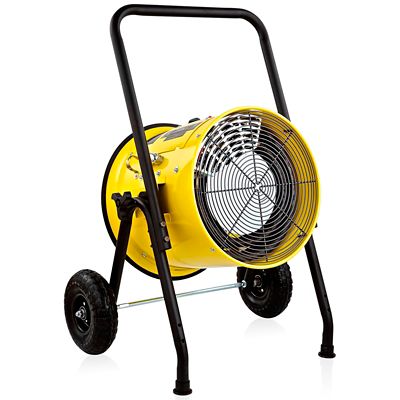
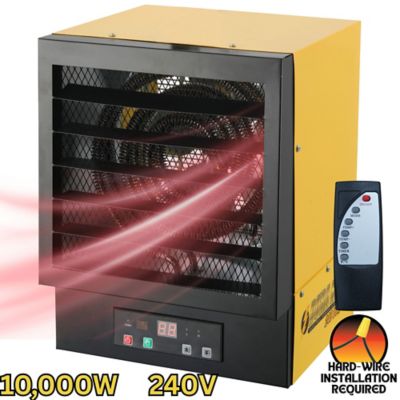
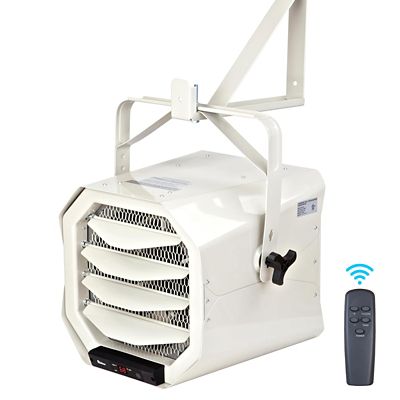
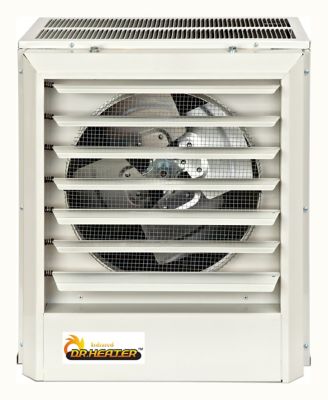
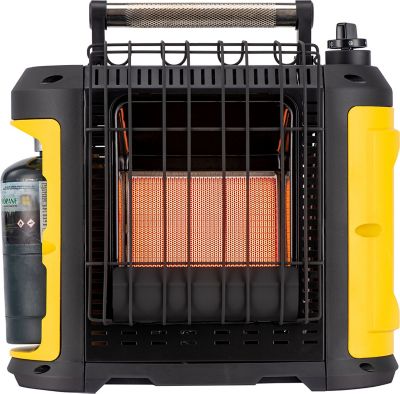
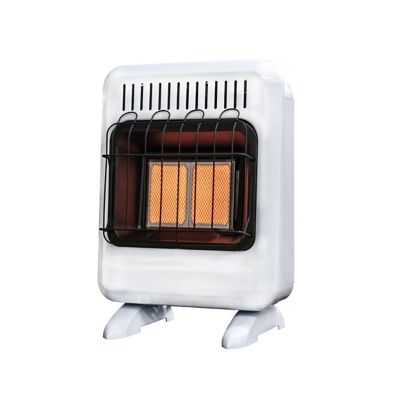
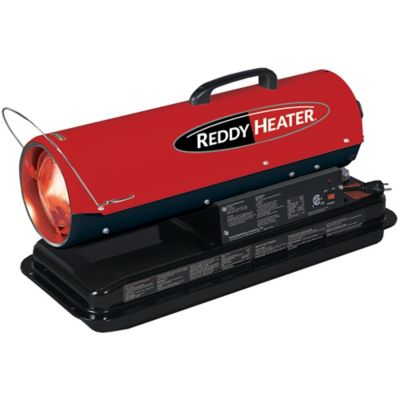
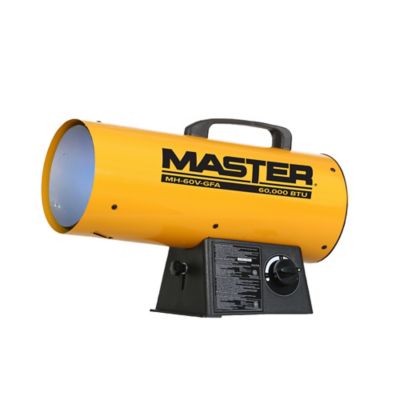
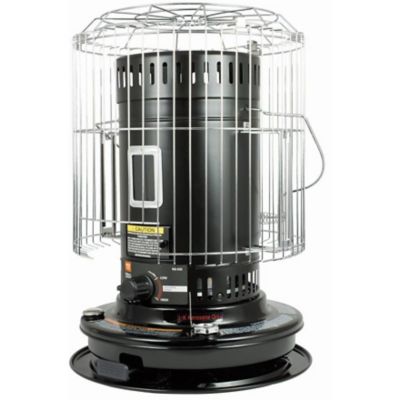
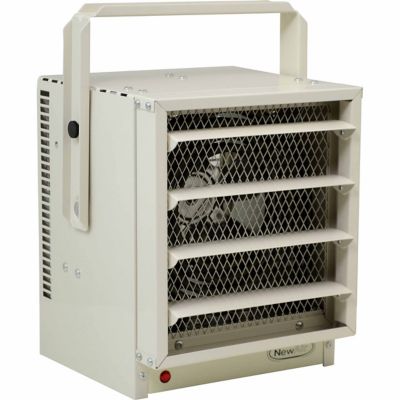
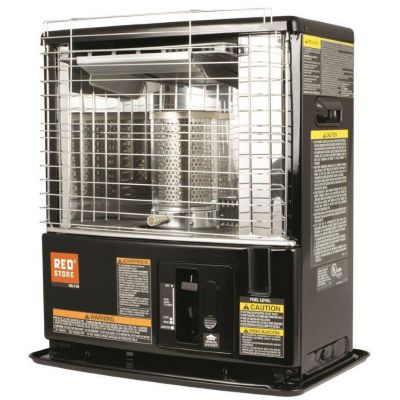
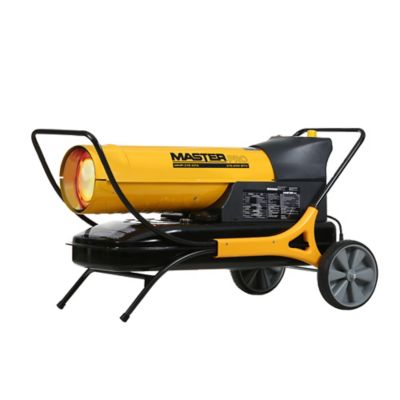
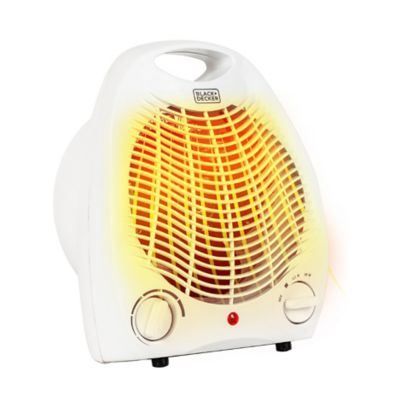
A 10,000-watt heater is built for serious heating in large, drafty, or semi-open spaces where a small portable heater just cannot keep up. Operating at about 34,121 BTUs, a 10kW electric heater can help warm workshops, farm shops, commercial garages, equipment bays, warehouses, barns with suitable insulation, and other roomy work areas during the cooler months. These heaters are often a practical choice for people who spend long hours repairing equipment, working on vehicles, building projects, or handling chores in a space that does not have central heat. They can also help take the edge off in a large outbuilding when doors open frequently or when the space needs steady background heat between jobs. Actual performance depends on square footage, ceiling height, insulation, air leakage, outside temperatures, and how often doors are opened. In a reasonably insulated area, a 10,000-watt heater may serve roughly 900 to 1,600 square feet, but tall ceilings, uninsulated metal walls, open bays, and frequent drafts can reduce effective coverage. Think of the space the way you would when sizing a stock tank or planning a fencing project: the details around the job matter just as much as the number on the package. A heater that is sized for a tight, insulated shop may feel undersized in a wide-open machinery shed, while a unit with too much output can cycle more often than needed in a smaller room. Before shopping, measure the length and width of the area, note the ceiling height, and consider whether the heater will warm the entire building or simply create a more comfortable work zone. For smaller rooms, office corners, tack rooms, or enclosed utility areas, lower-wattage options such as
750 Watt Heaters may be a better fit.
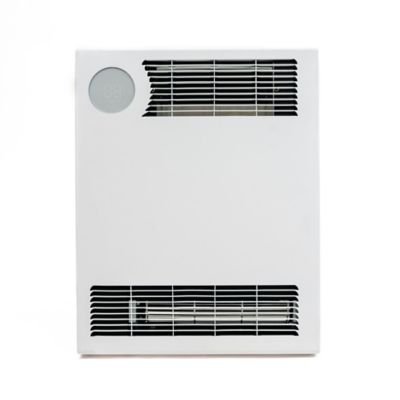
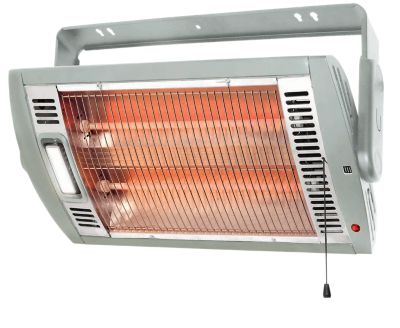
Electrical planning is one of the most important parts of choosing a 10,000-watt heater. These high-output heaters generally require a heavy-duty 240-volt AC power supply and may draw roughly 42 to 50 amps, depending on the heater’s exact electrical specifications. They are not designed to plug into a standard household wall outlet, and using an undersized circuit, extension cord, adapter, or improvised connection can create a serious fire and shock hazard. Plan for a dedicated, high-capacity circuit with the breaker, wiring, disconnect, and grounding required by local electrical codes. Installation is commonly a professional hardwired job using appropriately sized wire, so it is wise to have a qualified electrician inspect the location and confirm that the building’s electrical service can support the load before purchase. This is especially important in older farm buildings where the panel may already be handling welders, air compressors, well pumps, freezers, lighting, or other heavy equipment. Mounting also deserves careful thought. Many 10,000-watt heaters are intended for secure wall or ceiling installation, which keeps valuable floor space open for benches, feed carts, tool chests, and machinery. A ceiling-mounted heater can spread warmth across the work area while staying out of the way of livestock, stored materials, and moving equipment. Look for adjustable louvers or airflow direction controls when you need to send heat toward a particular bay or workbench. Fan-forced convection helps move warm air through the room, while a built-in or remote digital thermostat can make it easier to maintain a comfortable temperature without constant trips across the shop. Keep clearances around the heater and airflow openings exactly as the manufacturer specifies, and never block the intake or outlet with lumber, boxes, tarps, tools, or stored feed. A clean installation with open airflow is more comfortable, more efficient, and easier to monitor.
When comparing 10,000-watt heaters, look beyond wattage and consider the controls, mounting hardware, airflow adjustment, thermostat range, noise level, construction, and safety features. Automatic thermal cutoff and overheat protection can help shut the heater down if internal temperatures rise too high, but these features are a backup—not a replacement for correct installation, routine inspection, and sensible use. Keep combustible materials well away from the heater, including bedding, hay, straw, sawdust, fuel containers, paint, solvents, cardboard, and dusty shop debris. In barns or animal areas, make sure the heater is mounted where curious livestock cannot bump it, pull on wiring, or reach hot surfaces. Dust and airborne chaff can collect around heating equipment, so inspect and clean the unit according to the instructions, especially after busy seasons of cutting, grinding, or moving hay. Check that guards, louvers, wiring, and mounting points remain secure, and turn the heater off before cleaning or servicing it. These heaters can be a thoughtful gift for someone setting up a new workshop, finishing a garage, or improving a farm outbuilding, though the electrical requirements make them best chosen with the recipient’s space and electrician in mind. They are also useful for property owners preparing a year-round work area, contractors needing dependable heat in a large job space, and rural families who want a warmer place for weekend projects as the weather cools. Used properly, a 10,000-watt heater can make a cold concrete floor, steel workbench, and drafty overhead door much easier to live with, helping extend productive hours without taking up the floor space needed for the work itself. Always review the installation instructions, verify voltage and amperage requirements, follow local codes, and choose heating equipment that matches the building rather than relying on wattage alone.