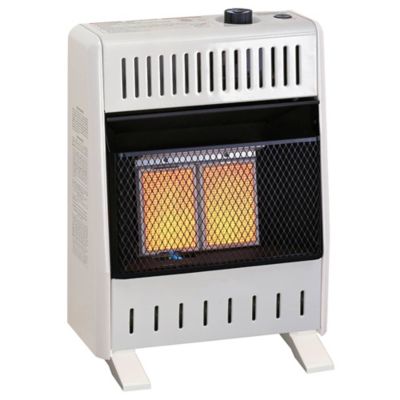
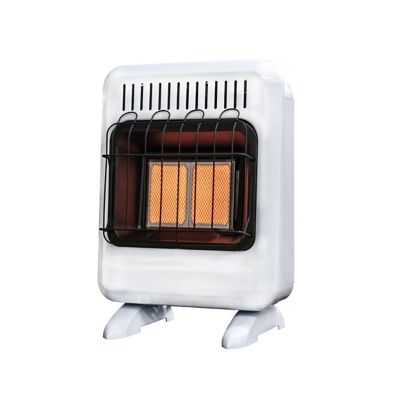
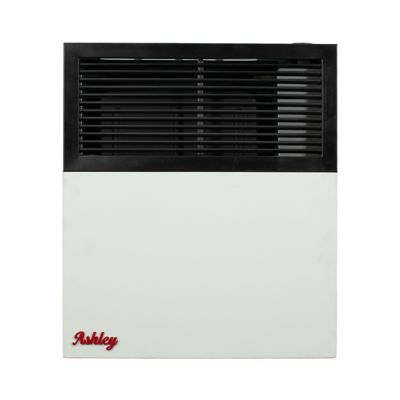
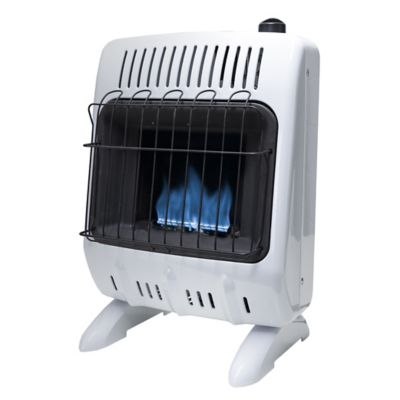
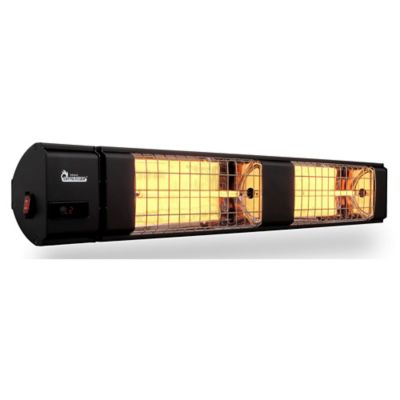
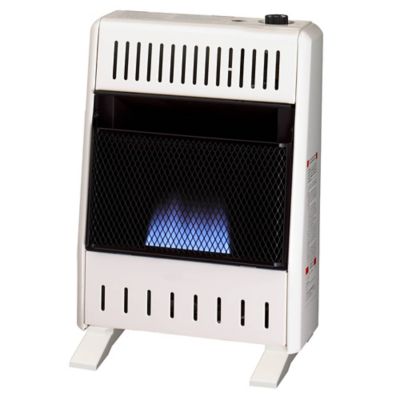
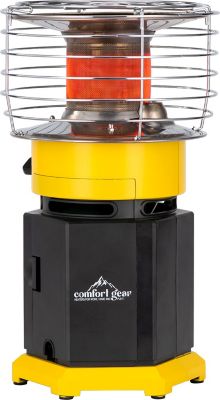
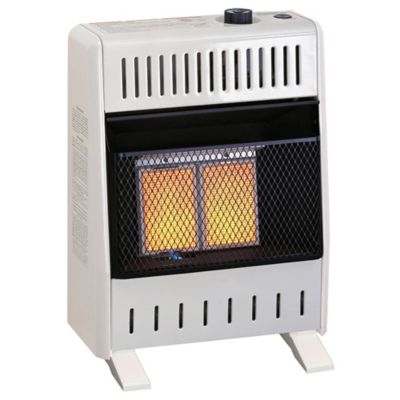
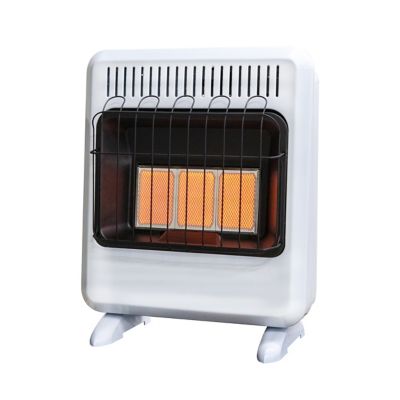
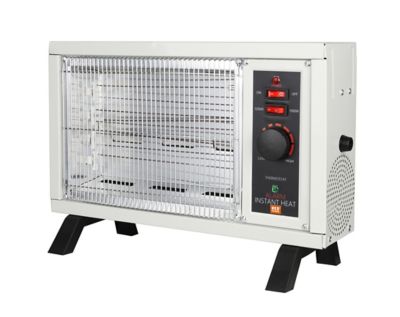
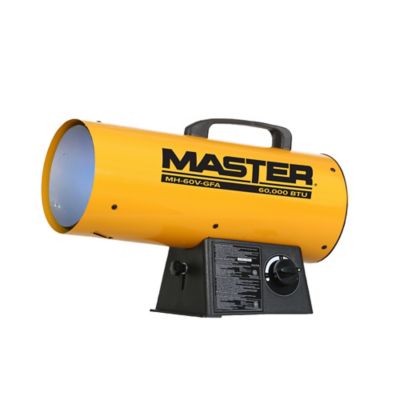
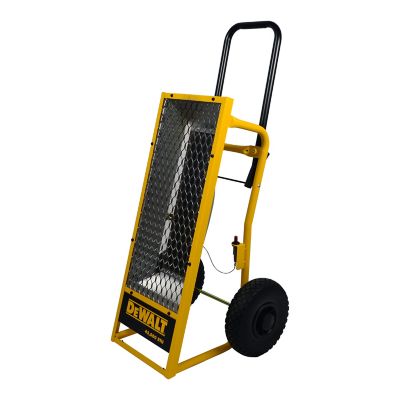
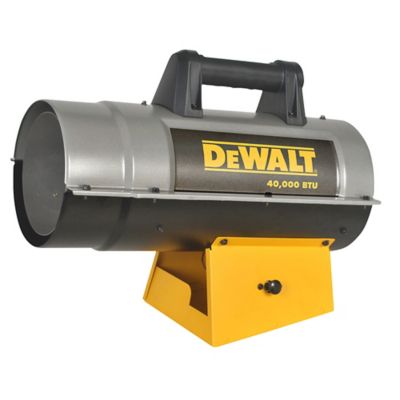
A 10,000 BTU propane heater can bring welcome warmth to the spots where a full-size heating system is impractical, whether that means a chilly hunting blind, a camp shelter, a workshop, a porch, or a small room that needs a little extra heat during the cooler months. BTU, or British thermal unit, describes the amount of heat a unit can produce in an hour. A heater rated at 10,000 BTU is generally sized for a compact area of roughly 250 to 300 square feet, though the actual heating range depends on insulation, ceiling height, wind, outdoor temperature and whether the space is indoors or outside. A drafty shed with an open door will not hold heat like an enclosed, insulated room, and a heater used on a covered porch may warm the folks sitting nearby without heating the whole structure. That makes these heaters a handy middle ground: more capable than a tiny personal warmer, but still compact enough for storage in a truck toolbox, barn cabinet or camping tote. For other compact heating options, browse our
Small Propane Heaters selection. Propane models are especially useful where electrical outlets are limited or unavailable. Portable units commonly run from a 1-pound disposable propane cylinder, while some larger or stationary-style heaters connect to a 20-pound propane tank or another approved tank with the proper hose and regulator. A small cylinder is easy to carry for tailgating, campsite cooking areas and quick jobs around the property, while a larger tank can provide longer run time for a workshop or utility space. Always match the fuel connection to the heater instructions, and never improvise fittings or use a tank size that the unit is not designed to handle.
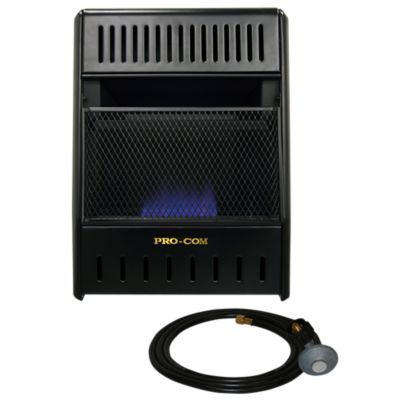
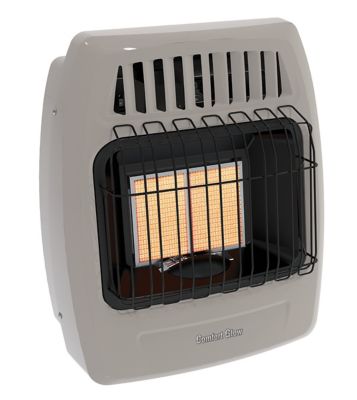
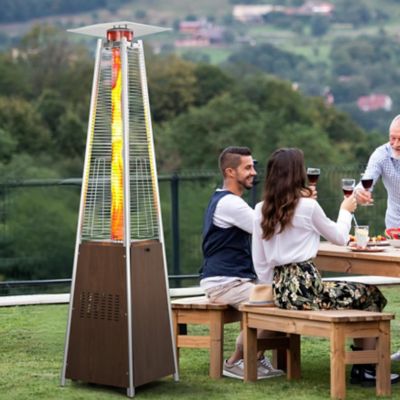
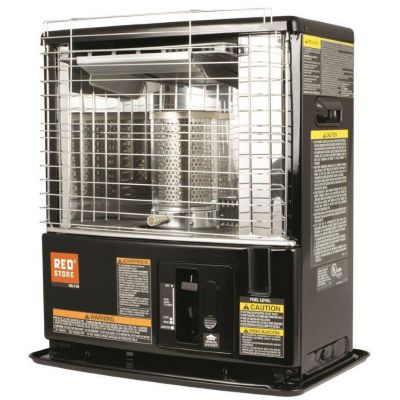
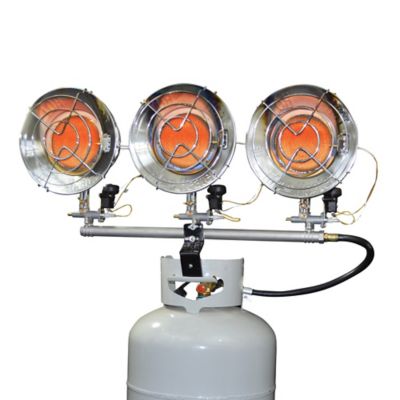
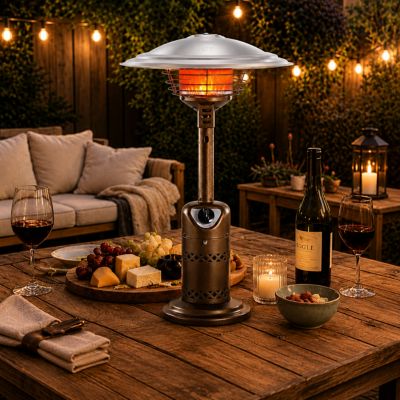
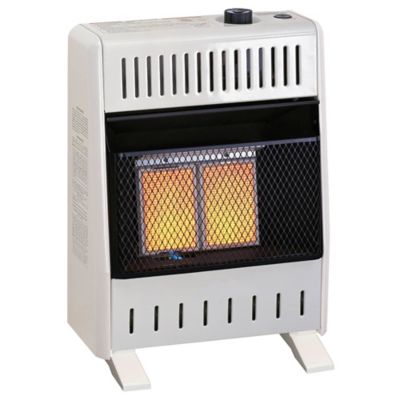
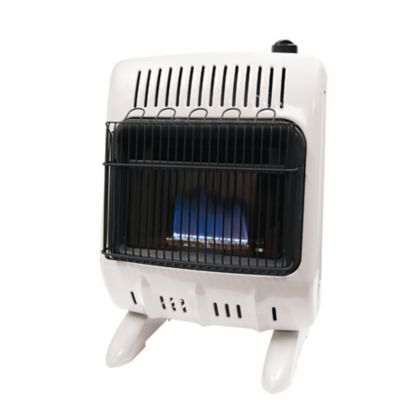
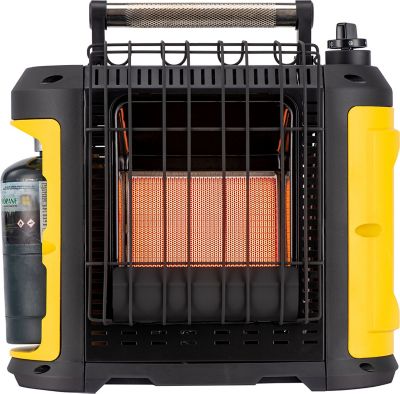
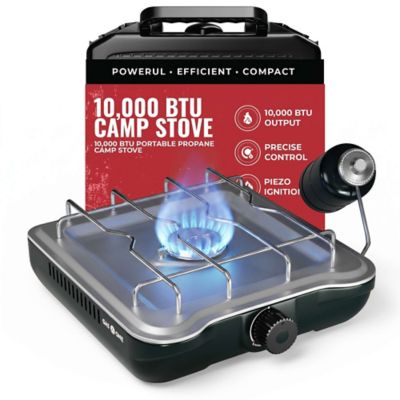
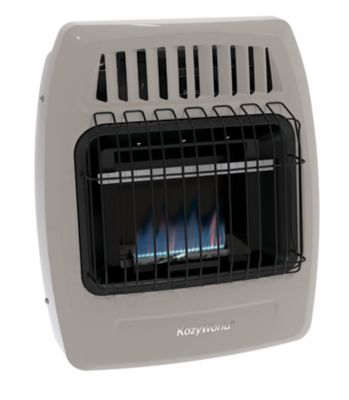
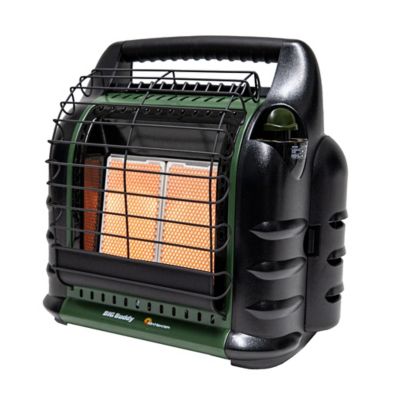
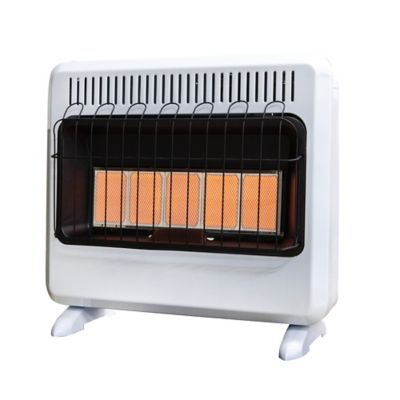
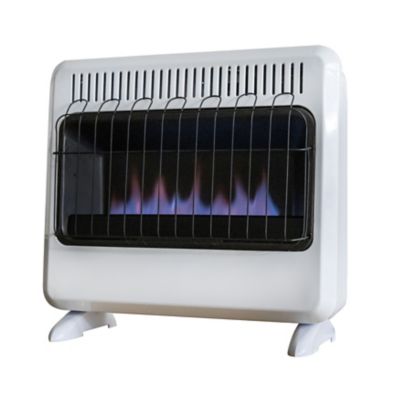
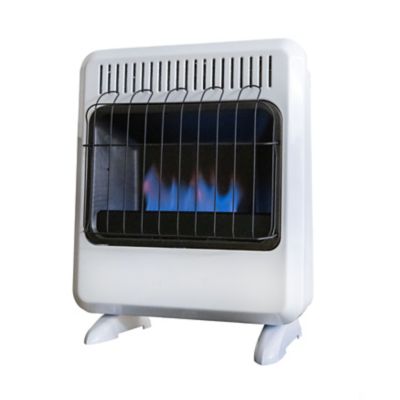
When comparing 10,000 BTU propane heaters, start with the space and the way you plan to use it. A portable heater with a carry handle and push-button ignition may suit a camper who wants simple setup at a campsite, a landowner checking fence lines on frosty mornings, or a family that spends cool evenings gathered around an outdoor seating area. A floor- or wall-mountable heater may be a better fit for supplemental heat in an approved room, cabin, garage or outbuilding, provided the model is specifically rated for that location and installed according to the manufacturer’s directions and local requirements. Radiant heaters direct warmth toward nearby people and objects, much like standing in a patch of sunshine beside a wood stove, while blue-flame styles warm the surrounding air and can feel more even in an enclosed area. Ignition is often handled by a piezo or battery-assisted push button, so there is no electrical cord to trip over and no need to hunt for a match. Convenient features may include adjustable heat settings, a visible control dial, a sturdy base, a carry handle and a fuel-level solution that makes it easier to plan around run time. Built-in safety features are important as well. Look for an automatic tip-over shutoff, an oxygen depletion sensor on models approved for indoor use, and a shutoff system that stops fuel flow if the flame goes out. These features add an extra layer of protection, but they do not replace proper setup and supervision. Check the product details for the manufacturer’s stated heating area, approved fuel source, indoor or outdoor rating, required clearances and ventilation needs before choosing a heater for a particular space.
Propane heat is useful, but it needs to be treated with the same care as any fuel-burning appliance. Use a heater only in the type of space listed in its instructions; an outdoor-rated unit should never be brought inside a home, tent, camper, garage or other enclosed area. Even heaters labeled for indoor use require the clearances, ventilation and installation specified by the manufacturer, and they should never be used while people are sleeping unless the instructions specifically allow it. Keep the heater on a stable, level surface away from curtains, bedding, hay, cardboard, sawdust, clothing, furniture and other materials that can catch fire. Give children and pets room around hot surfaces, and never leave a running heater unattended. Carbon monoxide is an invisible, odorless danger from fuel-burning equipment, so maintain working carbon monoxide alarms in enclosed living areas and follow all local safety codes. Inspect hoses, connectors and cylinders for damage before use, keep propane cylinders upright and outdoors in a well-ventilated area when stored, and turn off the fuel supply when the heater is not in use. In cold weather, a 10,000 BTU propane heater can make a long morning in the barn more comfortable, take the bite out of a workbench area or help guests settle in around a covered gathering space. It can also make a practical gift for campers, hunters, ice anglers, homesteaders, mechanics and anyone who spends time working away from a dependable power source. Choose based on the intended space, fuel setup, portability, controls and safety requirements, then keep the manual close by so the heater delivers steady warmth season after season.