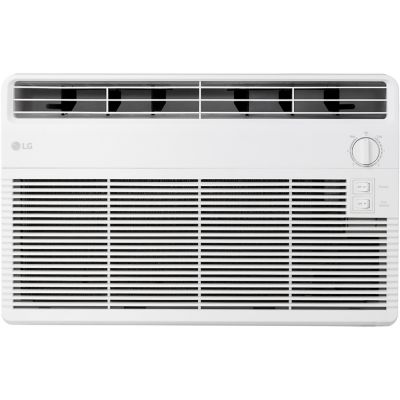
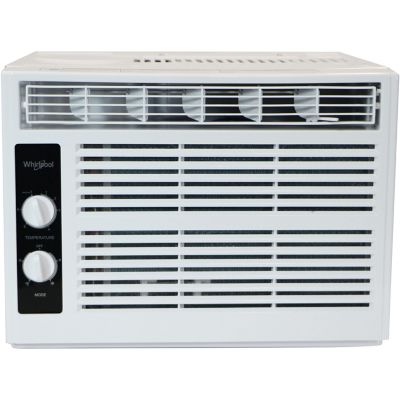
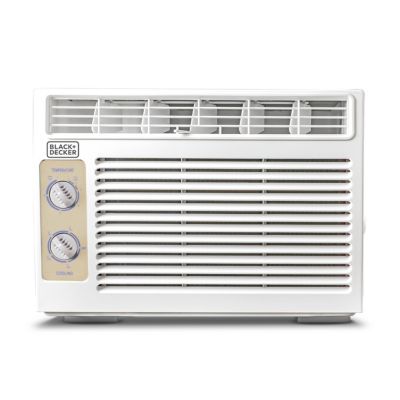
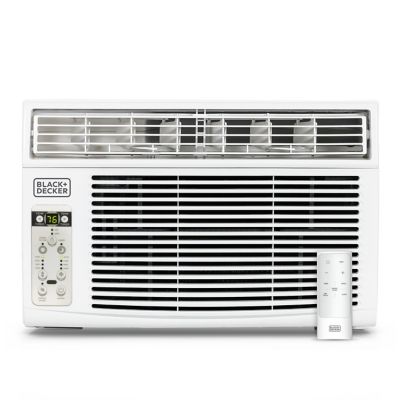
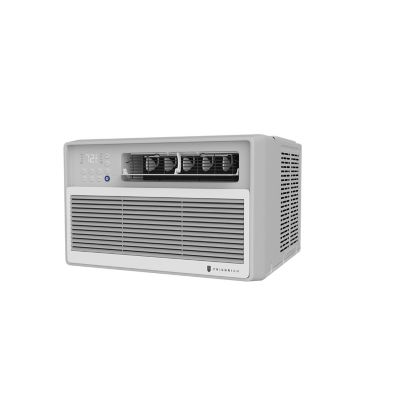
A 5,000 BTU air conditioner brings focused cooling to a small room without taking on the job of cooling the whole house. Most 5,000 BTU window air conditioners are intended for spaces up to about 150 square feet, making them a practical fit for a small bedroom, home office, or guest room. That is roughly the size of a 10-by-15-foot room with a standard ceiling height. BTU stands for British thermal unit; an air conditioner’s BTU rating describes how much heat it can remove per hour, not how much electricity it draws. Room layout matters just as much as floor space. Strong afternoon sun, tall ceilings, gaps around windows, and heat from computers or other equipment can increase the cooling load. A shaded bedroom with a door that stays closed presents a different job than an office opening onto a busy kitchen. In a farmhouse where central cooling does not quite reach an upstairs sleeping space, a small window unit can help make that room more comfortable without changing the setting for the rest of the home. These air conditioners also make sense for compact rooms in cabins or other buildings with suitable windows and electrical service. They are not intended to cool an open barn, a large workshop, or several connected rooms at once. Matching cooling capacity to the space helps with moisture removal as well as temperature control. An oversized unit may cool a room quickly and shut off before removing enough moisture, leaving the space feeling clammy. An undersized unit may run for long stretches without reaching the selected temperature. The manufacturer’s room-size recommendation offers a useful starting point, with the room’s exposure, insulation, and everyday activity helping determine whether this compact size is the right match. For small, enclosed spaces, the appeal is straightforward: cooling where people sleep, read, tackle paperwork, or settle down after a long day outside.
Window fit and secure support are important parts of choosing a 5,000 BTU window air conditioner. Many models are built for vertically opening, double-hung windows, while sliding or casement windows can require a different design. The cabinet dimensions alone do not tell the whole story; minimum and maximum window widths, minimum opening height, and room for the mounting hardware all matter. A low-profile cabinet may suit a smaller opening, but the window frame and sill still need to meet the installation requirements. Expandable side panels help close the space beside the unit, and properly fitted weather seals limit drafts and help keep insects outside. Those panels are not a substitute for the brackets, fasteners, or other support specified by the manufacturer. The outdoor portion also needs clear space to release heat, rather than sitting tight against a wall, shrub, or enclosed porch. Many units in this size class operate on a standard 115-volt household circuit, though the nameplate and installation instructions determine the actual electrical requirements. Some draw roughly 450 watts while running, but power consumption varies by design and operating conditions, and startup demands can be higher. A properly grounded wall receptacle that meets the manufacturer’s requirements is essential; power strips and ordinary extension cords are not an appropriate workaround. Compact does not mean effortless to handle, either. Weight varies, and lifting an air conditioner into a window can be awkward, especially above ground level. Having help and following the mounting instructions protects both the equipment and the window. Typical construction pairs a metal cabinet with a molded front panel, adjustable louvers, and an interior heat exchanger with closely spaced fins. The cabinet protects working components, while the front grille directs cooled air into the room. Curtains, a tall dresser, or a headboard pressed against that grille can interfere with circulation. For a bedroom overlooking the yard, thoughtful placement leaves the controls within reach and sends air across the room rather than straight into a pillow. Renters may also need to check building rules before planning a window installation.
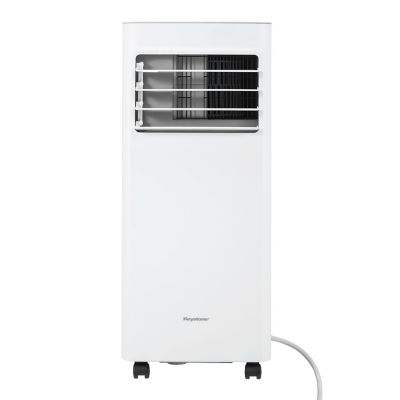
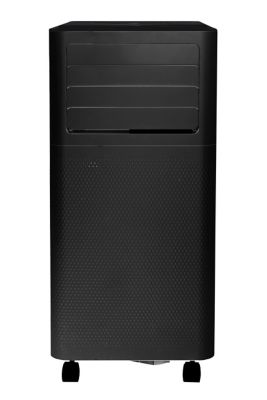
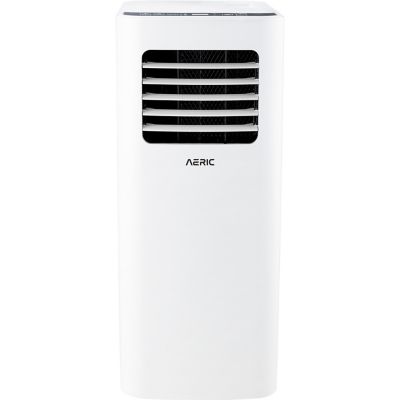
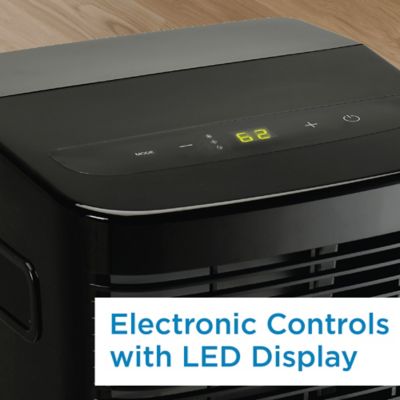
Everyday convenience comes down to controls, airflow, sound, and upkeep. Basic mechanical controls offer familiar knobs for selecting fan speed and cooling settings, while electronic controls may provide a temperature display, timer, or remote. Features vary, so a remote, sleep setting, or connected control should not be assumed simply because two air conditioners share a 5,000 BTU rating. Adjustable fan speeds and directional louvers can make a difference in a small office where papers sit near the window or a bedroom where direct airflow would be distracting. Sound deserves attention in spaces meant for sleeping or phone calls. Published noise ratings, when provided, are more helpful than assuming every compact unit runs quietly, and loose mounting parts can add vibration to normal fan and compressor sounds. EnergyGuide information and efficiency ratings offer a way to compare electricity consumption under standardized conditions, although actual consumption depends on the room, selected settings, and hours of operation. Filter access is another everyday detail worth a look. A removable, washable filter can simplify routine care when the manufacturer specifies that it can be rinsed; it should dry fully before going back into place. Household dust, pet hair, and lint can collect at the intake, restricting airflow and making regular checks worthwhile. Coil fins bend easily, so gentle cleaning according to the manual is preferable to scrubbing or blasting them with water. The unit should be disconnected from power before cleaning, and its drainage path should remain unobstructed. When window installation is not suitable or the space calls for a different cooling setup,
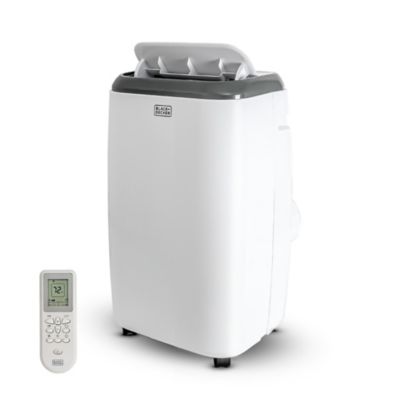
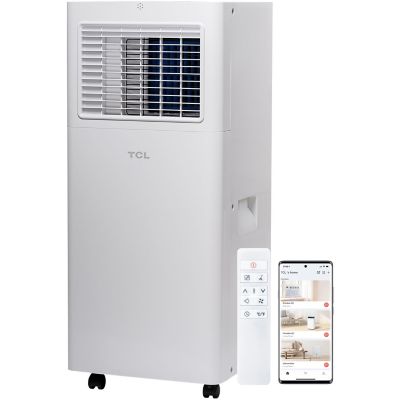
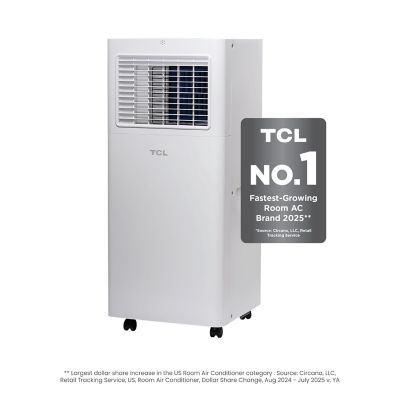
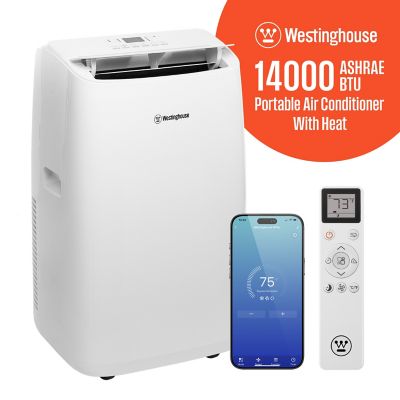
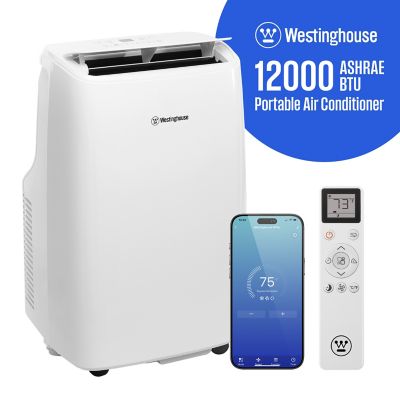
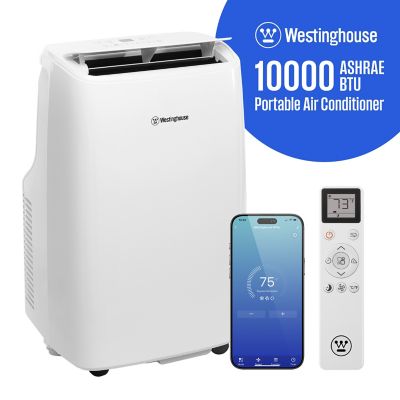
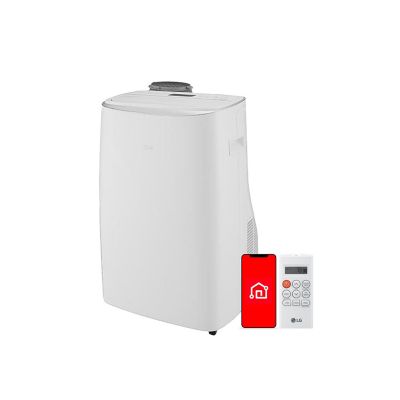
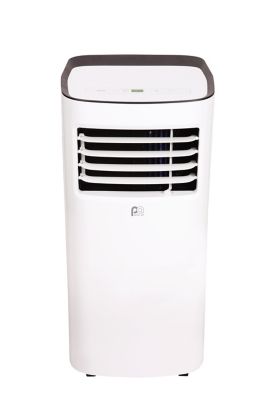
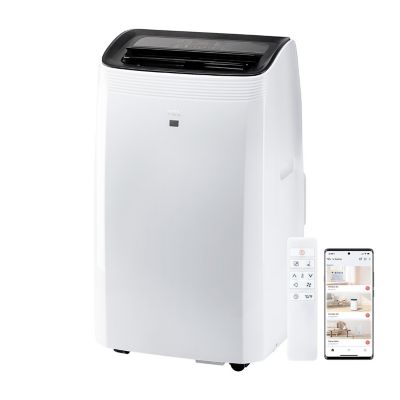
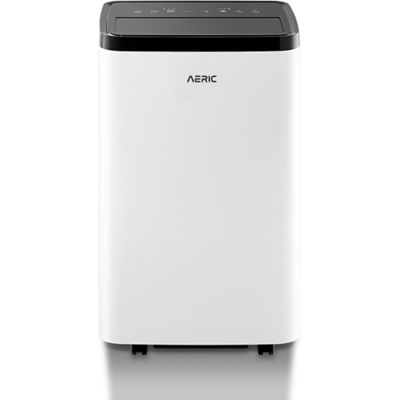
10,000 BTU portable air conditioners offer another category to consider. Portable units still require an exhaust arrangement, and their capacity labels may follow different rating methods, so room-coverage recommendations matter more than comparing the numbers alone. For a properly sized small room with a suitable window, a 5,000 BTU air conditioner keeps the focus on straightforward, room-by-room comfort.