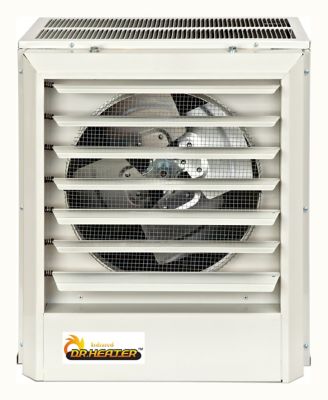
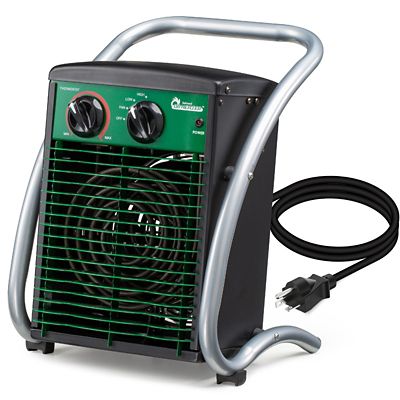
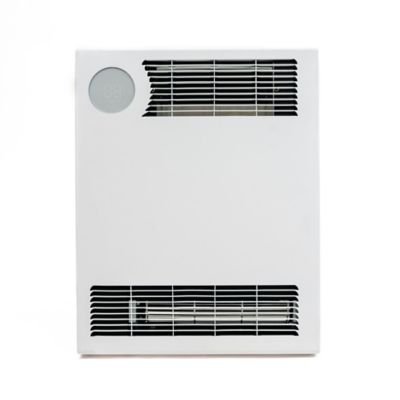
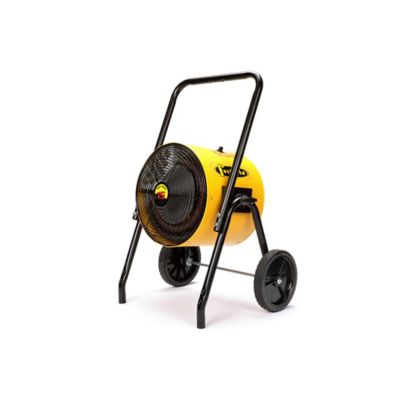
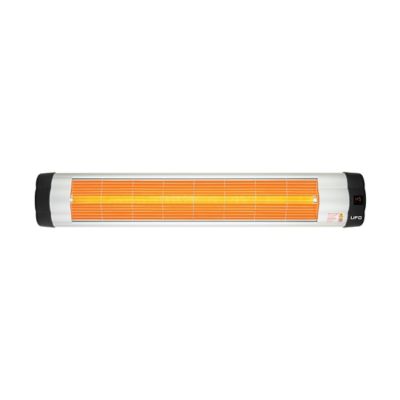
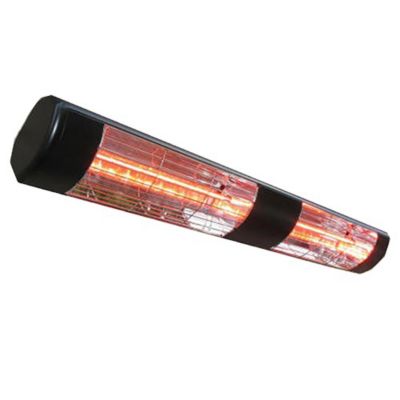
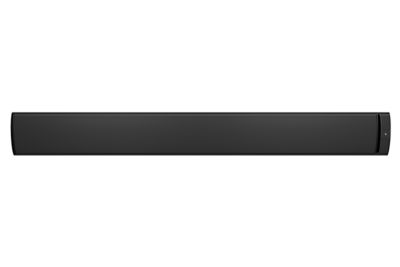
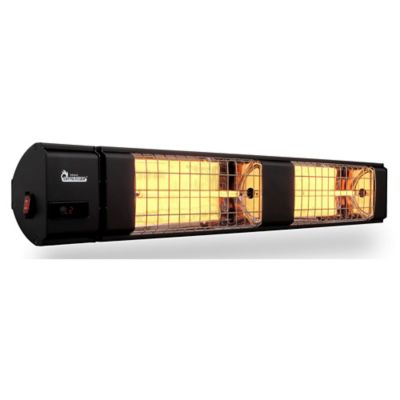
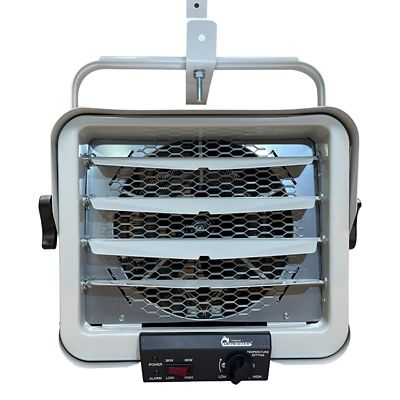
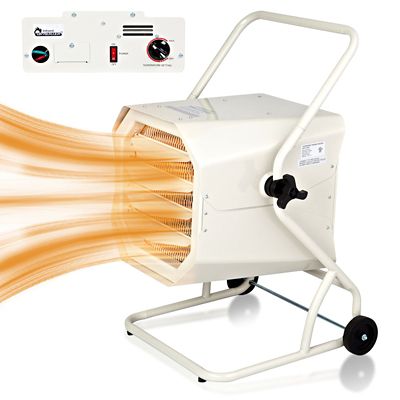
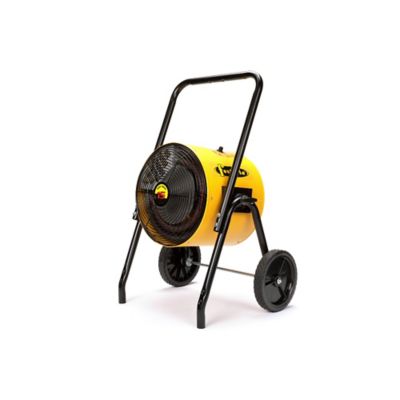
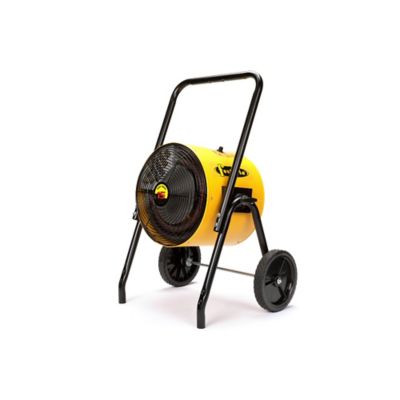
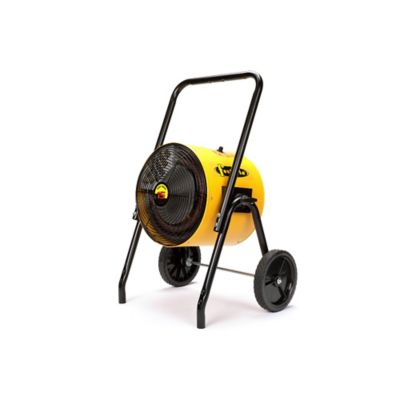
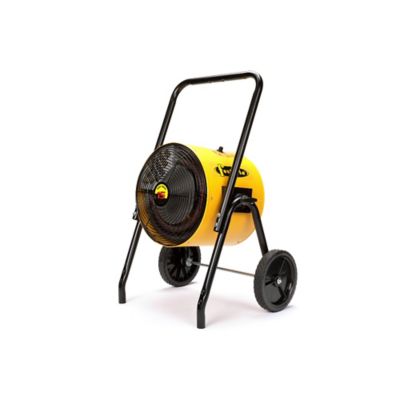
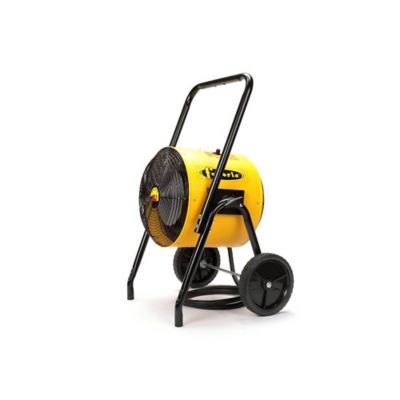
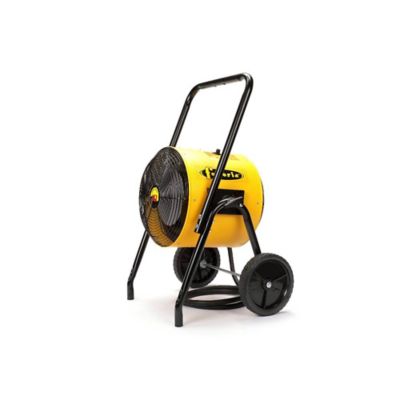
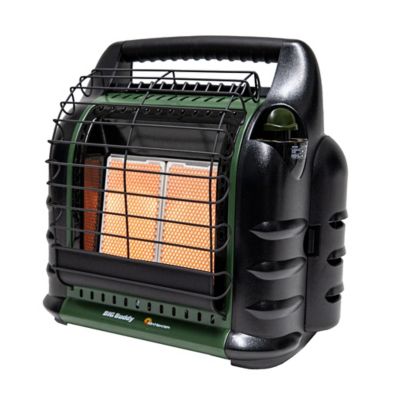
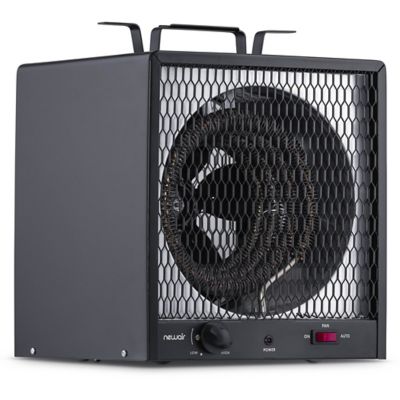
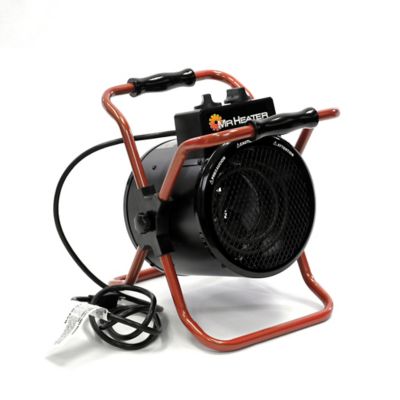
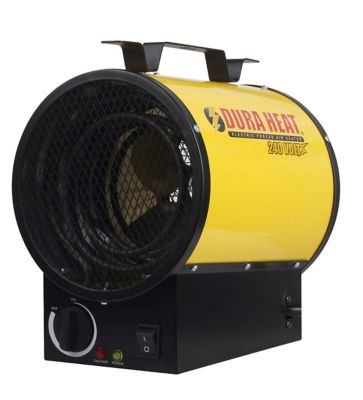
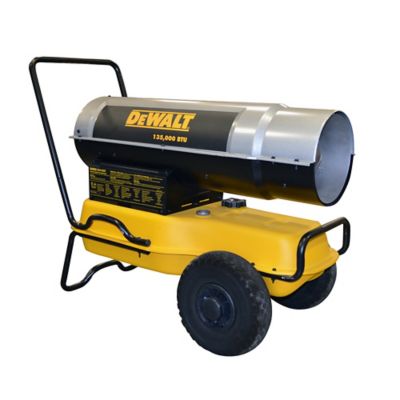
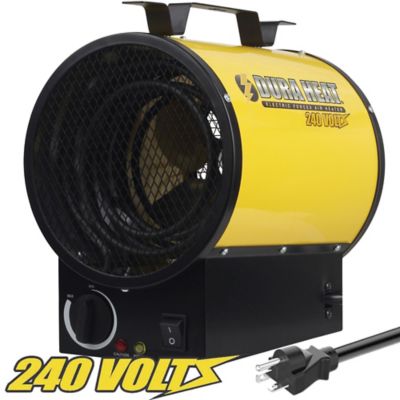
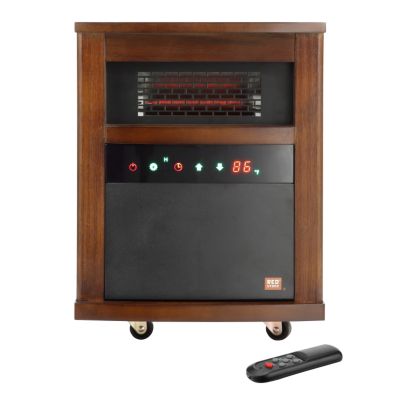
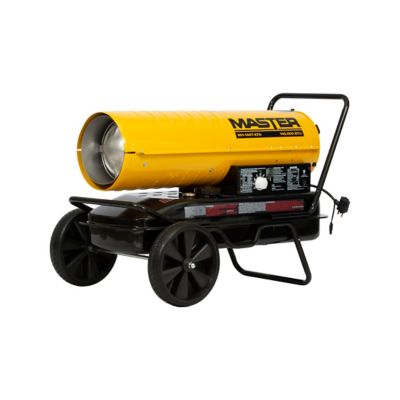
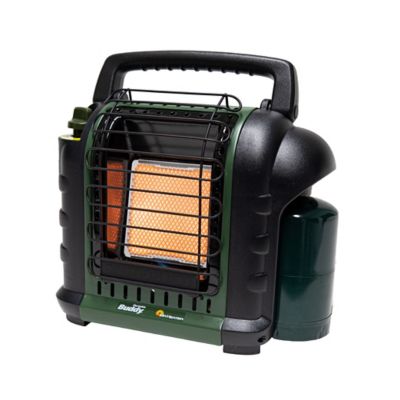
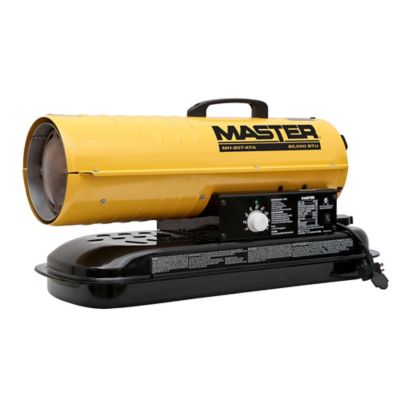
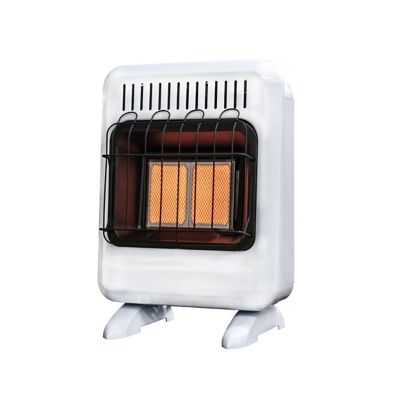
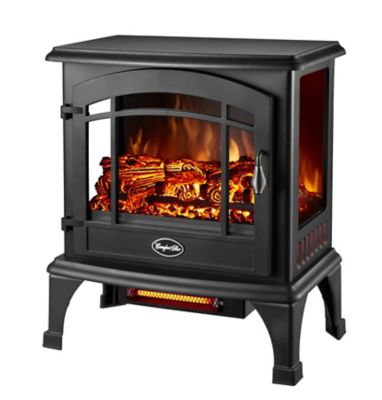
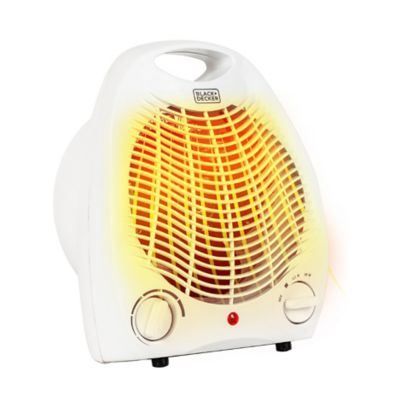
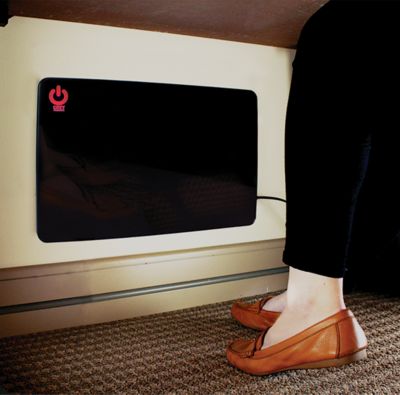
3000 watt heaters are built for spaces that need more than a little extra warmth. With an output of approximately 10,240 BTU per hour, these electric heaters can help take the chill out of larger rooms, workshops, garages, barns, enclosed porches and other drafty areas during the cooler months. They are especially useful where a central heating system does not reach well, such as a detached shop at the end of the driveway or a work area with a tall ceiling and a big overhead door. Depending on the design, a heater may warm the air throughout the room or send direct, radiant heat toward people, tools and nearby surfaces. Fan-forced models move heated air through the space, making them a practical choice when you want broad, active circulation. Convection models warm the surrounding air more quietly and can suit finished rooms, entryways and other areas where a steady, low-draft feel matters. Infrared and radiant models work differently by warming people and objects in their path, which can be handy on a covered patio, in a semi-enclosed livestock area or beside a workbench where you spend most of your time. Think about the way the space is used before choosing a style. A mechanic working at one bench may appreciate focused radiant warmth, while someone moving around a garage, tending chores or using several workstations may prefer a fan-assisted heater that spreads warmth around the room. A 3000 watt heater can also make a thoughtful gift for a homeowner with a chilly workshop, a hobby farmer with an enclosed outbuilding or anyone who spends long stretches repairing equipment during cold weather. It is a practical present that gets put to work instead of sitting on a shelf, though the recipient will need the right electrical setup before installation.
Electrical planning is one of the most important parts of choosing a 3000 watt heater. These high-output units generally do not plug into a standard 120-volt household outlet. Most require a 208- to 240-volt circuit, and many are hardwired or use a specialized high-output receptacle. A 3000 watt load draws about 12.5 amps at 240 volts, but the required circuit and breaker depend on the heater’s design, whether it is considered a continuous load, and local electrical requirements. Many installations call for a dedicated two-pole 20-amp breaker, with no other equipment sharing the circuit. Always read the manufacturer’s specifications before purchase and have a qualified electrician handle new wiring, hardwiring or breaker work. That extra step is especially important in older farmhouses, detached garages and shops where electrical panels may already be carrying a heavy load. When comparing heaters, check the voltage, amperage, installation method, thermostat style, controls, mounting options and coverage recommendations. A built-in thermostat can help maintain a more even temperature, while adjustable heat settings make it easier to balance comfort and energy use as outdoor conditions change. Look for a sturdy housing and a mounting design that fits the room, whether that means wall mounting, ceiling mounting, recessed installation or a stable floor location. Measure the area first and note ceiling height, insulation, open doors and windows, and the amount of air movement in the space. A well-insulated room holds heat far better than an open-sided shed, and even a powerful heater will work harder when warm air escapes around gaps, unsealed doors or poorly fitted windows. Keep required clearances around the heater, cords, controls and nearby materials, and never cover a heater or place clothing, cardboard, bedding, straw, sawdust or other combustible items too close to it. Overhead infrared heaters must be installed at the proper height and angle, often with a minimum mounting height of 7 feet, but the exact clearance rules vary by model. Keep children and pets away from hot surfaces, and use extra care around livestock, hay storage and dusty work areas. For smaller rooms or spaces that do not need this much output, browse
750 Watt Heaters for a lower-wattage option. Choosing the right size and installation style helps deliver dependable warmth while keeping your workspace, outbuilding or gathering area comfortable and ready for the work ahead.