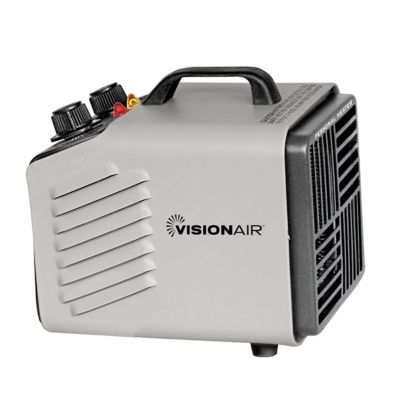
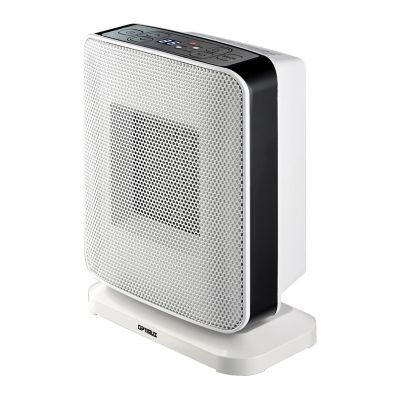
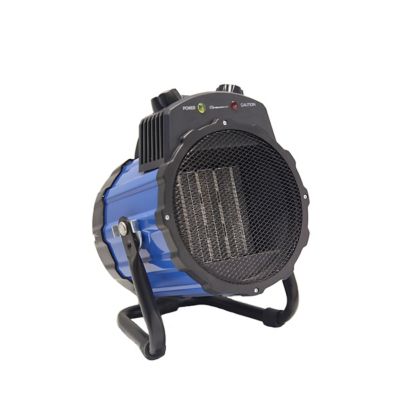
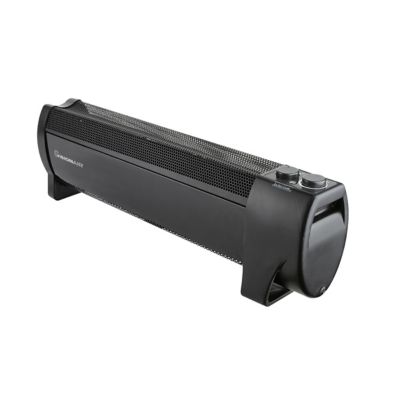
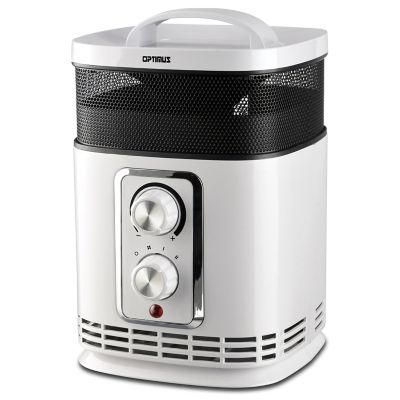
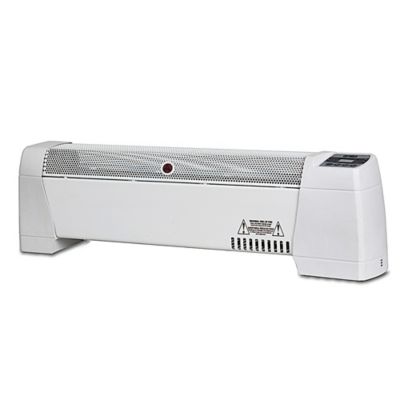
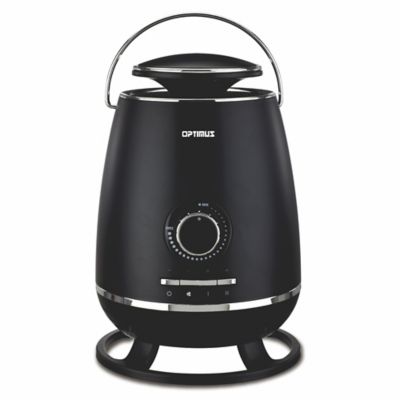
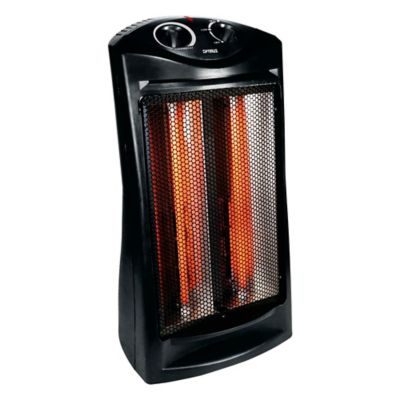
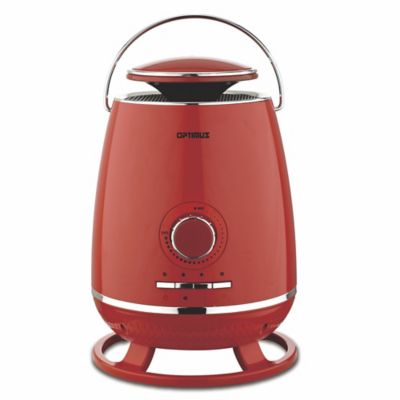
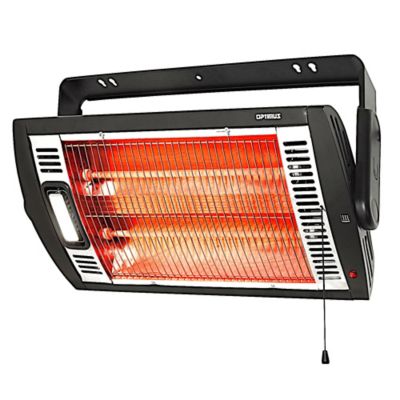
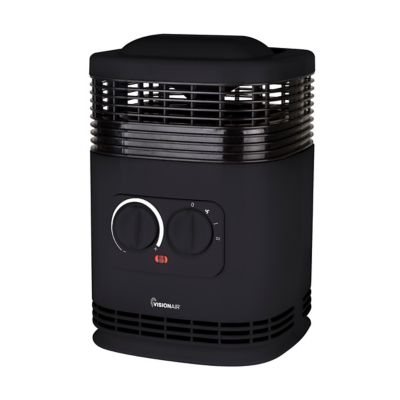
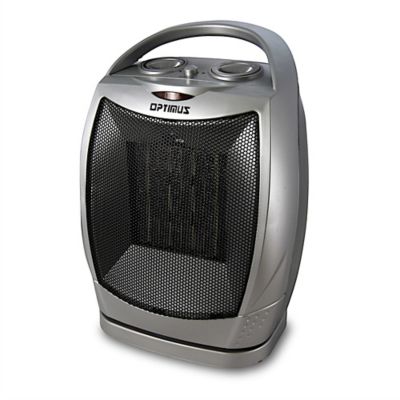
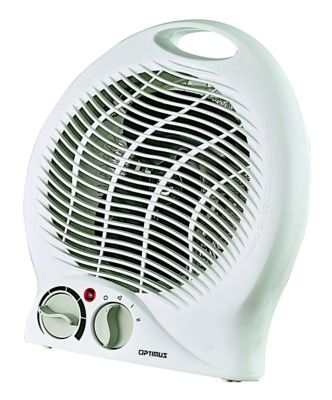
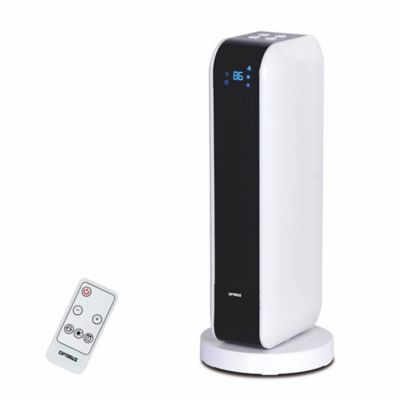
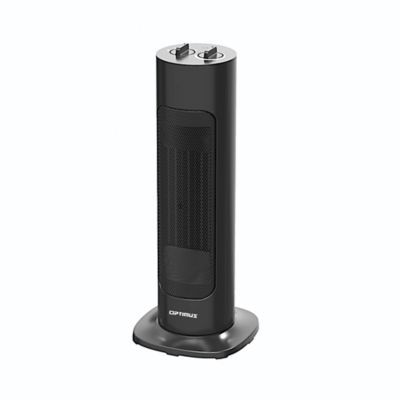
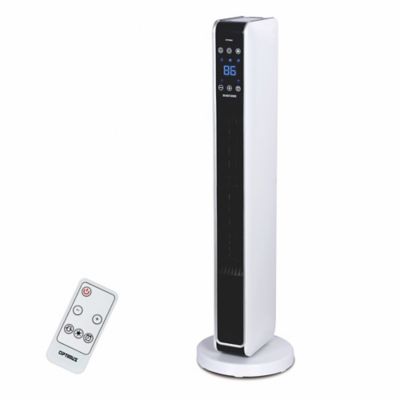
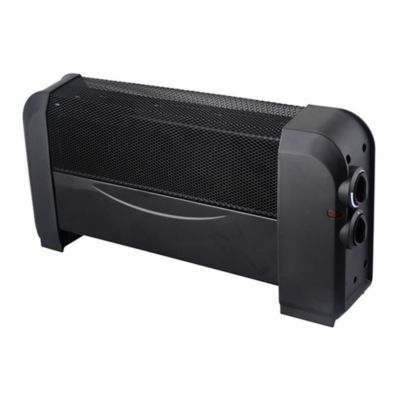
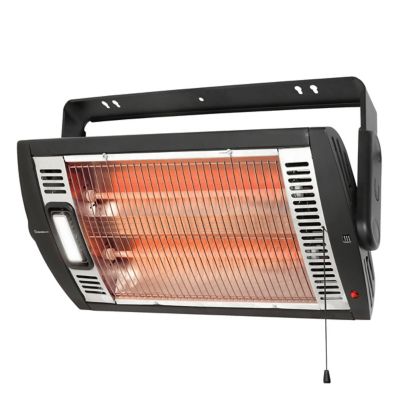
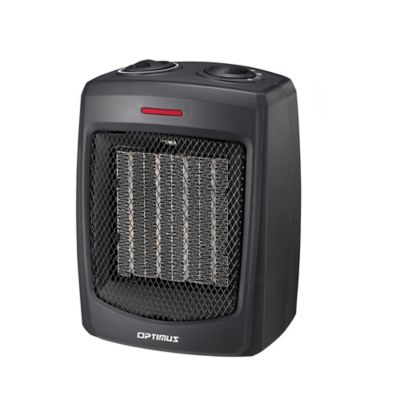
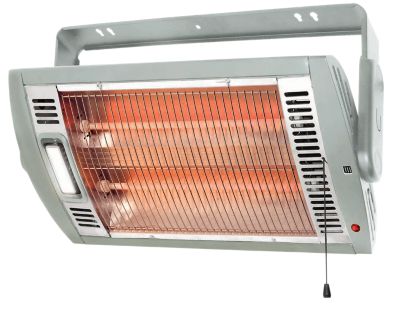
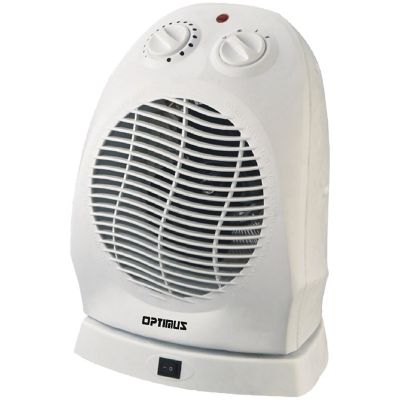
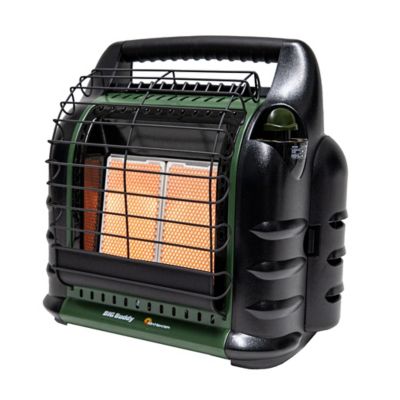
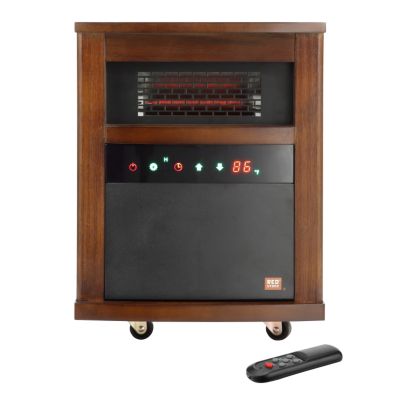
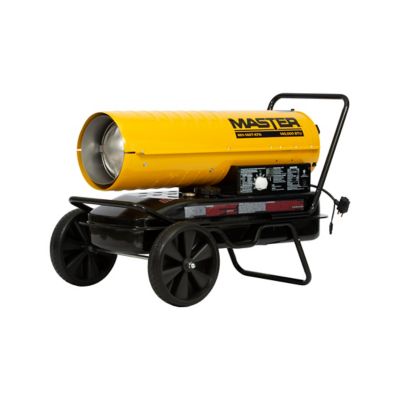
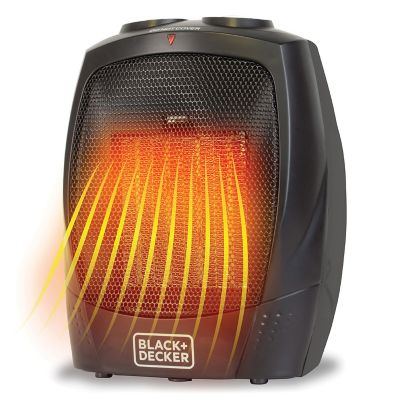
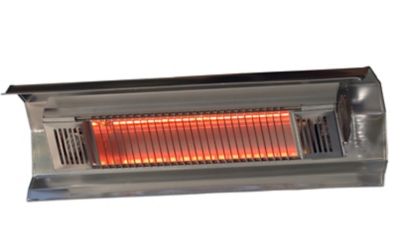
750-watt heaters provide supplemental electric heat for smaller spaces and spots where a little extra warmth makes daily tasks more comfortable. A 750-watt heater draws about 6.25 amps at 120 volts. Running continuously at full power for one hour, it consumes 0.75 kilowatt-hours of electricity. For electric resistance heating, that wattage translates to roughly 2,560 BTU per hour of heat output. Actual electricity consumption depends on operating time and whether a thermostat cycles the heater on and off. Those figures help explain where this size fits: taking the chill out of a small home office, adding warmth near a reading chair, or helping a compact room feel more comfortable without turning up the central thermostat for the whole house. Room size alone does not tell the whole story, though. Ceiling height, insulation, drafty windows, open doorways, and the difference between indoor and outdoor temperatures all affect how much heat a space needs. A closed room with well-sealed windows holds warmth differently than an open room beside an entry door that swings all afternoon. That is why a single square-foot coverage claim cannot describe every setting. Heat delivery matters, too. Fan-forced designs move warmed air into the room, while radiant designs direct warmth toward people and nearby surfaces within their reach. Convection designs circulate heat as warmed air rises, and liquid-filled designs generally warm up more gradually and release stored heat after the element cycles off. None of those approaches changes the basic amount of heat available from a 750-watt resistance heater; they change how that warmth reaches the space and how it feels nearby. For someone settling in to sort paperwork after chores or read beside a drafty window, the direction of the heat and the distance from the heater can matter just as much as the number on its label. This wattage generally makes more sense for supplemental room heating than for warming a large, uninsulated outbuilding.
The construction and layout of 750-watt heaters affect how comfortably they fit into everyday life. Metal housings, molded outer shells, recessed controls, carrying handles, and different base shapes each bring practical considerations, but appearance alone does not establish safe placement or intended use. A compact body still needs the clearances listed by its manufacturer, and a narrow footprint is only helpful when the heater rests securely on the recommended surface. For portable models, a firm, level floor away from foot traffic helps keep the heater from becoming an obstacle between the couch and the doorway. Wall-mounted designs involve a different fit, with mounting height, wall construction, nearby furnishings, and electrical connections all part of the installation requirements. Controls deserve attention as well. A simple heat selector may suit someone who wants straightforward operation, while an adjustable thermostat can help maintain a chosen comfort level as room conditions change. A timer can limit operating time, but it does not replace supervision. Some heaters have a maximum rating of 750 watts; others include a 750-watt setting along with a higher setting. The nameplate and control settings establish the actual electrical demand, so the lower setting should not be mistaken for the appliance’s maximum rating. Sound is another everyday consideration. A fan can create a steady background hum that blends into a busy household but stands out during quiet reading or a phone call. Fan-free heating can reduce that particular sound, although switches and thermostats may still click as they cycle. Outer surfaces also vary in temperature, so handles and control locations matter when moving or adjusting a heater according to its instructions. A sealed liquid-filled heater contains heat-transfer fluid rather than fuel, and that fluid is not something to top off during routine care. For an adult setting up a small home workspace, a heater can make a practical gift when its electrical needs, placement requirements, and controls suit the room.
Everyday care helps keep a heater’s air passages clear and its parts in good working order. Before cleaning a portable heater, switch it off, unplug it, and allow it to cool completely. Dust on intake grilles and outlet openings can restrict airflow; a soft brush or vacuum attachment may be appropriate when the manufacturer’s directions allow it. Water, cleaning sprays, and damp cloths should stay away from electrical openings, and the cord and plug need regular checks for cracks, fraying, discoloration, or other damage. Plug a portable electric space heater directly into a suitable wall outlet, not an extension cord or power strip. Its approximately 6.25-amp draw at 120 volts still counts toward the circuit’s total load, especially when other appliances share that circuit. A plug or outlet that becomes hot, smells scorched, or shows discoloration calls for stopping operation and having the problem checked. Keep portable heaters at least three feet from curtains, bedding, papers, and other combustible materials, or farther away if the manufacturer specifies greater clearance. Tip-over switches and overheat shutoffs add protection, but neither makes it safe to drape clothing over a heater or leave it running unattended. Portable space heaters should be switched off before leaving the room or going to sleep, with children and pets kept clear of hot surfaces. An indoor room heater also does not automatically belong in a damp shed, dusty shop, animal enclosure, or area with flammable vapors; those settings require equipment specifically rated for the conditions. For substantially greater heating demands,
10000 Watt Heaters fall into a different output range and can involve dedicated circuits, different supply voltages, and professional installation. For a smaller occupied room, matching a 750-watt heater’s heat delivery, controls, and placement requirements to the space keeps the focus on comfortable, sensible supplemental warmth.