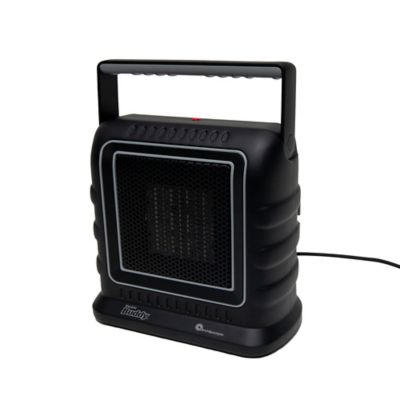
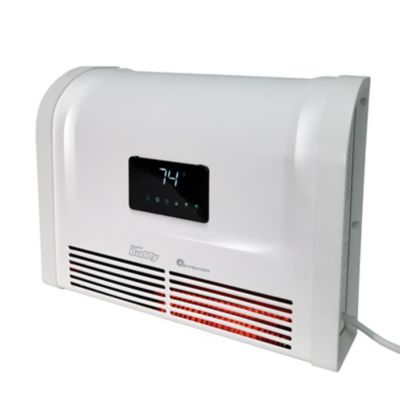
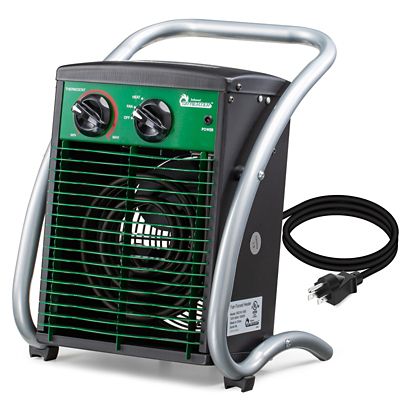
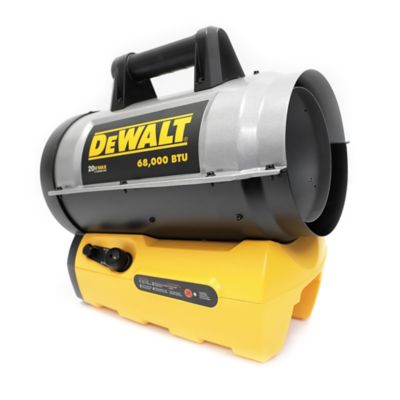
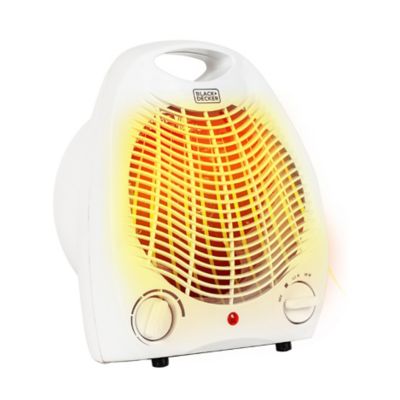
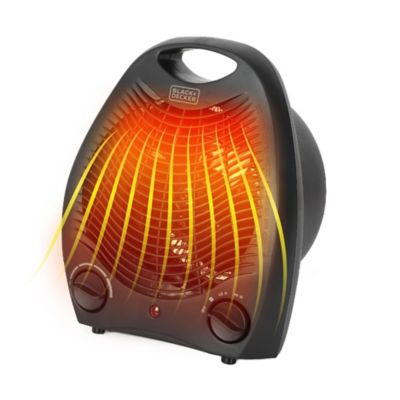
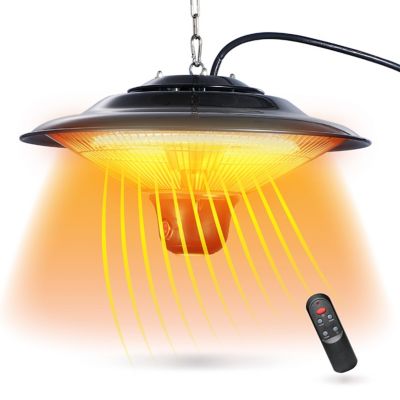
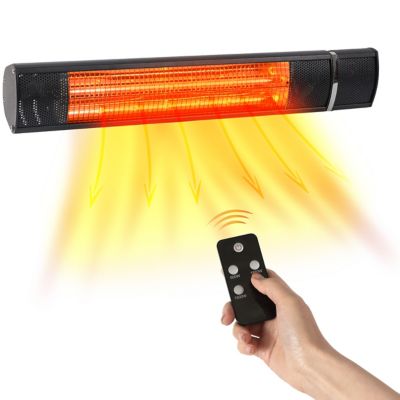
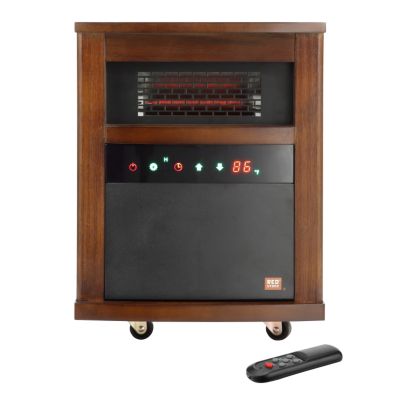
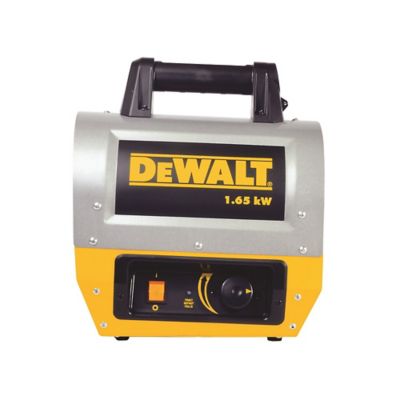
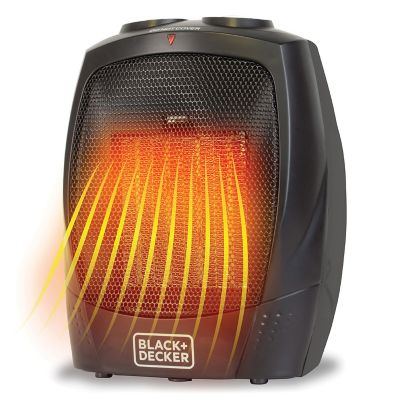
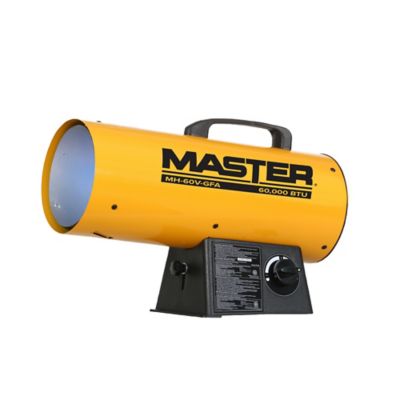
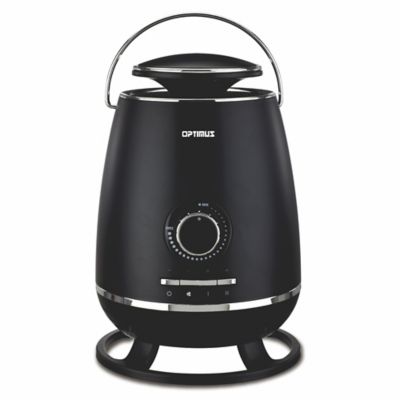
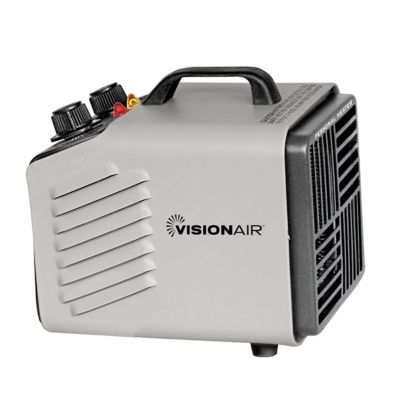
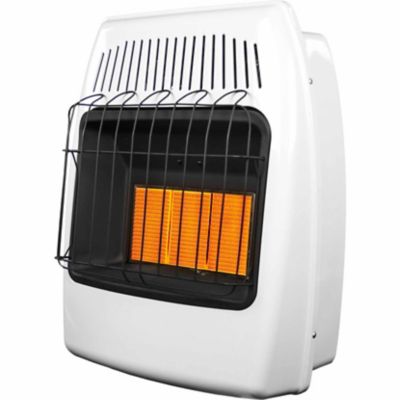
120 volt heaters provide supplemental electric heat for smaller rooms and work areas, with many portable models plugging into a standard 120-volt household wall outlet. A common 1,500-watt heater produces about 5,120 BTUs of heat per hour and draws approximately 12.5 amps at 120 volts. That makes this category a practical fit for taking the chill out of a home office, warming a sitting area, or adding comfort near a workbench in an enclosed space approved for the heater’s operation. Coverage depends on more than floor space: insulation, ceiling height, windows, open doorways, and outdoor temperatures all affect how much warmth stays in the room. A small, well-insulated office presents a different job than a drafty garage with a concrete floor and an overhead door that opens throughout the day. For that reason, advertised square-footage ratings are best considered alongside the conditions where the heater will operate. These heaters generally serve as supplemental heat rather than a replacement for a whole-home heating system or a solution for a large, uninsulated outbuilding. Different heating styles also bring different kinds of comfort. Fan-forced ceramic heaters move warm air into the surrounding space and can help a small room feel comfortable without a long wait. Radiant heaters deliver warmth more directly to people and nearby surfaces within their heating path, making placement especially important. Oil-filled electric radiators warm more gradually and continue releasing stored heat for a while after the heating element cycles off. The oil stays sealed inside the unit rather than serving as fuel that needs refilling. Convection designs encourage air circulation as warmth rises, and some operate without a fan. At the same wattage, electric resistance heaters produce roughly the same total heat; the differences lie in how that heat reaches the room, how quickly it feels noticeable, and how evenly it reaches the occupied area. Noise level matters, too, especially beside a desk, television, or reading chair.
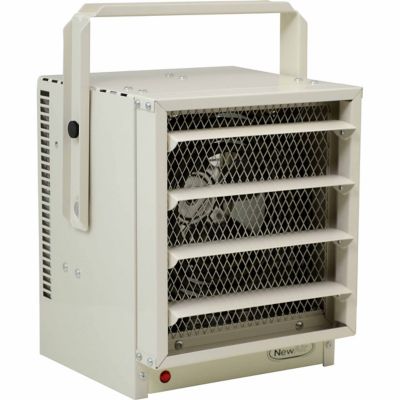
The right fit also comes down to construction, controls, and the space a heater needs around it. Steel housings, protective grilles, and heat-resistant plastic components appear across different heater styles, with each design carrying its own handling and clearance requirements. A metal cabinet can suit a workroom setting, but the enclosure alone does not establish whether a heater belongs in a garage, utility room, or other demanding location. The manufacturer’s rating and instructions determine the intended environment. A broad base helps a freestanding heater sit steadily, while a carrying handle makes it easier to move after the unit has cooled. Compact upright designs take less floor space, and low-profile models may fit a room’s layout differently, though neither shape removes the need for clear space around the heater. Wall-mounted options can keep equipment out of a walking path, but installation requirements vary: some have a cord and plug, while others require permanent wiring by a qualified electrician. Thermostats help maintain a selected comfort level, and multiple heat settings offer flexibility when full output is unnecessary. Oscillation can spread warm airflow across a wider area, while a timer provides operating control without replacing supervision. Automatic overheat protection and tip-over shutoff on portable models are useful safety features to look for, along with certification from a recognized testing laboratory. Even with those features, portable space heaters belong on a firm, level surface, away from foot traffic and out of reach of children and pets. Keep at least 3 feet between a portable heater and bedding, curtains, furniture, clothing, paper, or other combustible materials, and follow any greater clearances specified by the manufacturer. A heater is not a drying rack for damp gloves or chore clothes. Household designs are not automatically suitable for bathrooms, exposed porches, animal housing, or areas with combustible dust or flammable vapors. A shop where gasoline cans, solvents, or finishing supplies are present needs particular attention to equipment ratings and placement.
Electrical requirements and routine care make a difference in how well 120 volt heaters fit everyday use. Portable space heaters should plug directly into a suitable wall outlet, not an extension cord, power strip, or plug adapter. Because a 1,500-watt setting places a substantial load on a household circuit, another high-draw appliance on that same circuit can create an overload even when it plugs into a different outlet. A breaker that trips repeatedly, a loose plug connection, a burning smell, or a hot or discolored outlet calls for stopping operation and having the problem checked, rather than trying another adapter or repeatedly resetting the breaker. Where less heat is needed, lower-output options can make sense for a modest enclosed space or a nearby seating area. The
750 Watt Heaters category offers another wattage range to consider; at 120 volts, 750 watts draws about 6.25 amps and produces roughly 2,560 BTUs per hour. Lower wattage also means less heating output, so it should match the job rather than simply the size of the heater’s cabinet. For day-to-day upkeep, unplug the heater and let it cool before cleaning the exterior or clearing lint from accessible grilles as directed in the owner’s manual. Pet hair and household dust can collect around air openings, particularly near floor level, so keeping those openings clear supports proper airflow. Filters, when included, need care according to the manufacturer’s schedule. Cords and plugs deserve a regular look for cracking, fraying, or other damage, and a heater with damaged electrical parts should stay out of service. Keep cords out from under rugs and away from places where doors, chair legs, or rolling equipment could pinch them. Turn portable heaters off before leaving the room or going to sleep, and let them cool before moving or storing them. With a suitable heat style, room-appropriate output, and sensible placement, supplemental electric heat can make everyday spaces more comfortable, from a quiet desk corner to an enclosed project room.