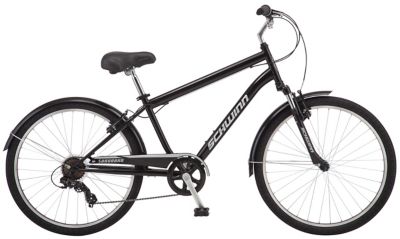
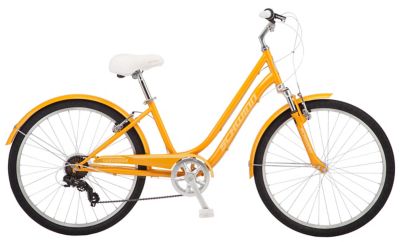
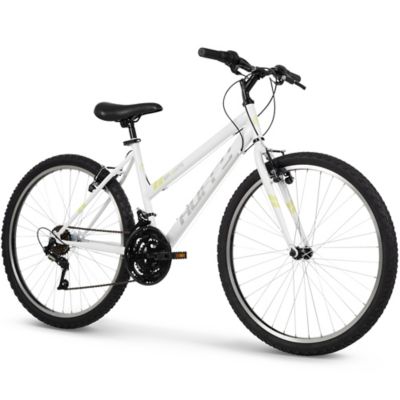
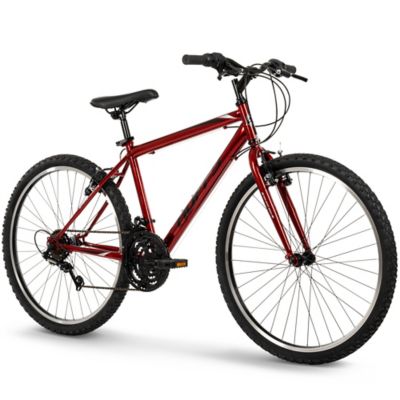
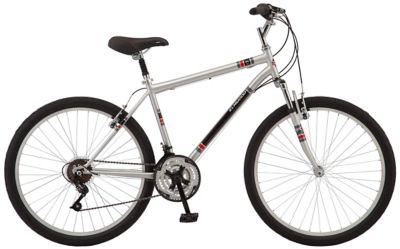
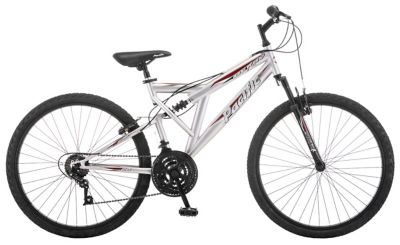
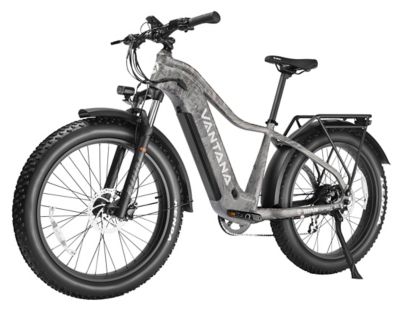
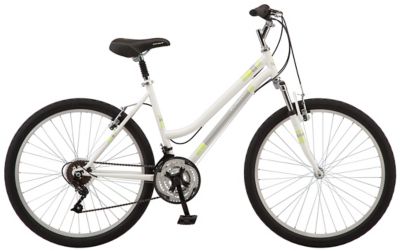
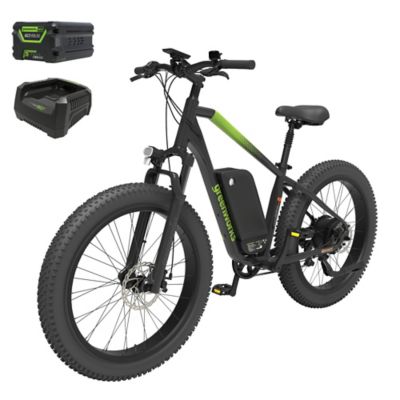
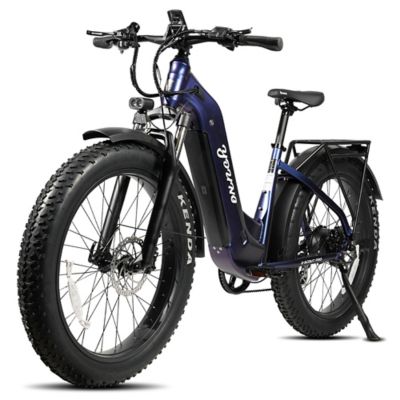
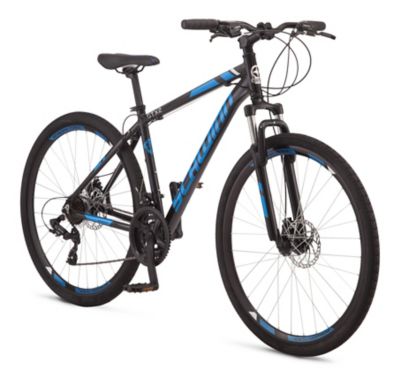
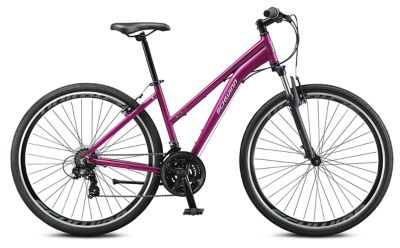
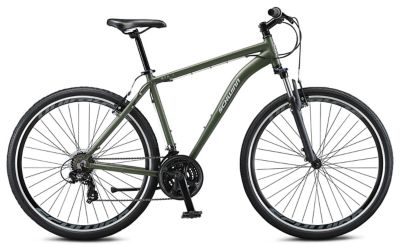
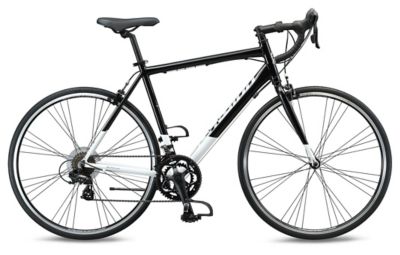
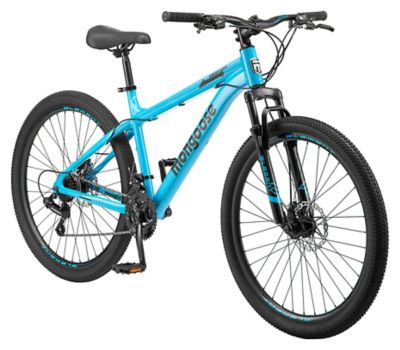
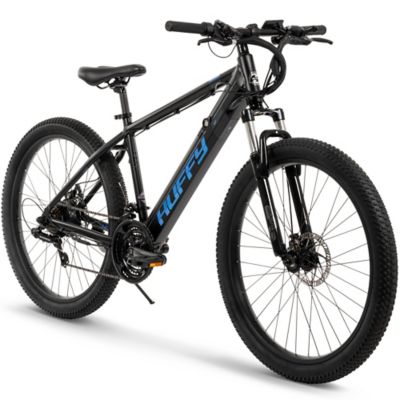
A 26-inch tire bike is a bicycle built around a nominal 26-inch wheel-and-tire size, a familiar setup on many mountain bikes, cruisers, and everyday recreational bicycles. The measurement describes the wheel size category, not the frame size or the rider’s height. That distinction matters because two bikes with 26-inch tires can feel quite different once someone settles into the saddle. One might have an upright riding position suited to a relaxed spin through town, while another puts the rider farther forward for pedaling along designated dirt trails. These bikes can suit adults and some younger riders, provided the frame, reach, and controls fit comfortably. Their appeal comes from a manageable feel and the range of riding styles built around this wheel size, rather than any promise that every 26-inch bike handles the same way. For a ride down a hard-packed farm lane, through the neighborhood, or along a paved recreation path, the whole setup matters: frame shape, tire tread, gearing, brakes, and riding position all play a part. Steel frames often bring a sturdy feel, though they generally weigh more than comparable aluminum designs. Aluminum frames can make lifting a bicycle onto a rack or moving it around the garage less of a chore, but total weight also depends on the fork, wheels, and accessories. A rigid fork keeps the front end straightforward, while a suspension fork can help take the edge off repeated bumps on suitable trails. Suspension adds moving parts and maintenance, so it serves a different purpose than a simple cruiser setup. Frame design also affects everyday convenience. A lower step-through frame can make getting on and off easier, especially during frequent stops, while a higher top tube calls for enough clearance to stand over the bike comfortably. The right combination feels practical for the routes a rider actually takes, whether that means an easy loop after chores or a longer stretch of pedaling on a local bike path.
Fit has a bigger effect on comfort than the wheel measurement alone. Frame size, standover clearance, saddle adjustment, and the distance to the handlebars determine whether a rider can sit naturally and steer without stretching. A rider should have room to stand over the frame, maintain a slight bend in the knee near the bottom of the pedal stroke, and reach the brake levers without straining. An adjustable saddle helps fine-tune leg extension, but it cannot make up for a frame that is much too long or too tall. Handlebar shape changes the feel as well. Swept-back bars often support a more upright posture, while flatter bars can give a rider a more forward position and direct steering control. Neither style is automatically better; the difference shows up in the rider’s hands, shoulders, and back over the course of a ride. Saddle comfort is similarly personal. A broad, cushioned seat may suit short, upright outings, while longer rides can call for a different shape that supports the rider without getting in the way of pedaling. For smaller riders,
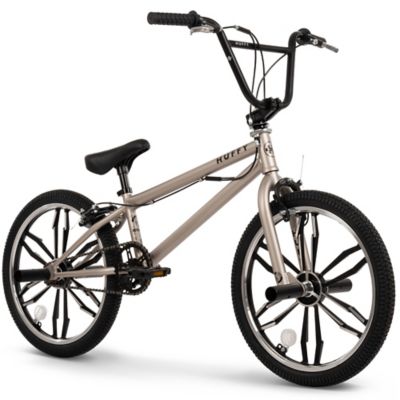
20 Inch Wheel Bikes offer another wheel-size category to compare, though frame dimensions and reach still need attention. Moving to a larger wheel is not a substitute for a bike that fits today, and a bike intended as a gift benefits from knowing the recipient’s measurements and preferred riding style. A teen who enjoys dirt paths may want a different setup from an adult who plans leisurely rides around town. Carrying needs belong in that conversation, too. Compatible rack mounts, room for a basket, or space for a bottle cage can make a bicycle better suited to an errand or an afternoon outing. Those details should match the frame’s mounting points and load limits rather than being assumed from the bike’s appearance.
Tires and components help determine where a 26-inch bike feels most at home. A smoother tread generally rolls with less vibration on pavement, while more pronounced knobs can provide traction on loose dirt and appropriate trails. Wider tires may offer more cushioning and a larger contact patch, but width alone does not tell the whole story; tread design, inflation pressure, rider weight, and the surface under the wheels all affect the ride. Tire clearance also limits how wide a replacement can be. The familiar 26-inch label is not enough to confirm compatibility, since more than one rim diameter has carried that name. Replacement tires and tubes need to match the full sizing information on the existing tire and the wheel manufacturer’s requirements. Gearing makes another noticeable difference. A single-speed drivetrain keeps operation simple for relatively level routes, while multiple gears give a rider more choices for climbing a rise or settling into a comfortable pedaling rhythm. Brake style matters, too. Rim brakes act on the wheel rim, while disc brakes act on a rotor near the hub; either system needs sound components, proper adjustment, and controls the rider can operate confidently. Regular care helps keep the whole bicycle ready for another ride. Tire pressure belongs within the tire and bicycle manufacturers’ recommendations, and brake pads, cables, tires, and wheel attachments need periodic attention. A clean chain with suitable bicycle lubricant runs more smoothly than one carrying grit from a gravel lane, and excess lubricant can attract more dirt. Storage in a dry, sheltered spot helps protect metal parts and keeps the saddle and grips out of unnecessary exposure. After rough riding, loose hardware, wheel damage, or a change in braking feel deserves attention before the next outing. A properly fitted helmet, visible clothing, and lights or reflectors appropriate to the route round out a sensible riding setup. With a frame that fits and components matched to the job, a 26-inch tire bike can make everyday recreation and local trips a comfortable part of the routine.