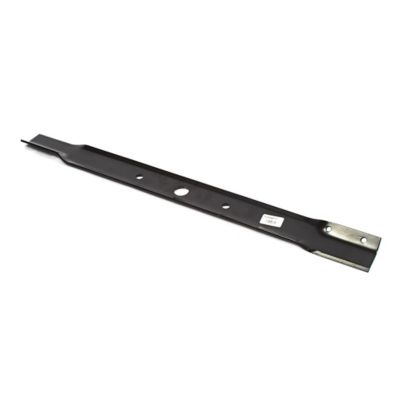
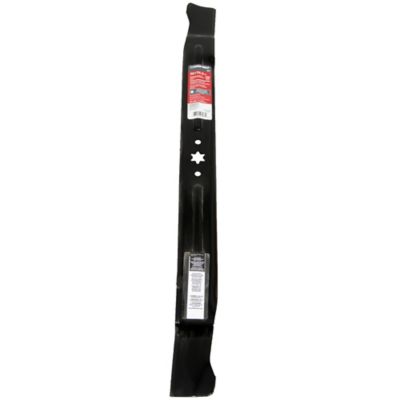
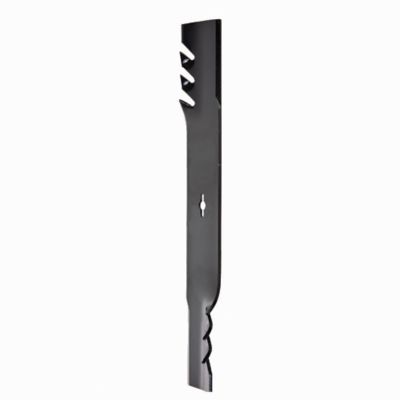
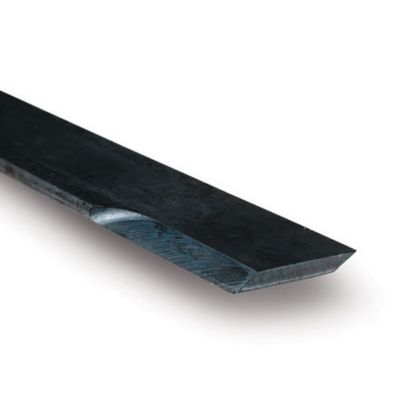
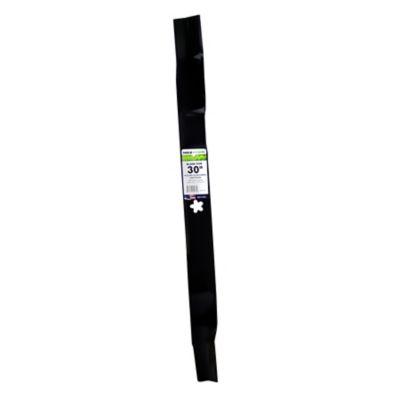
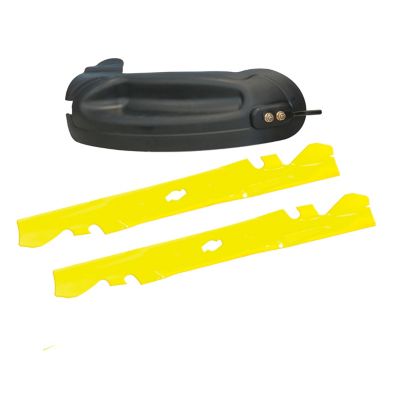
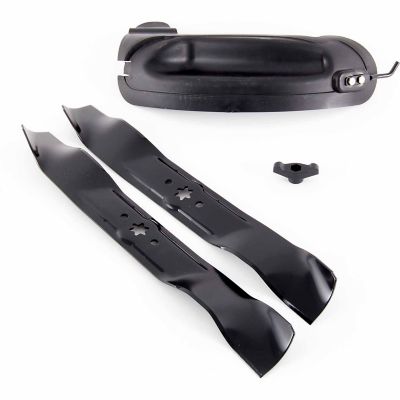
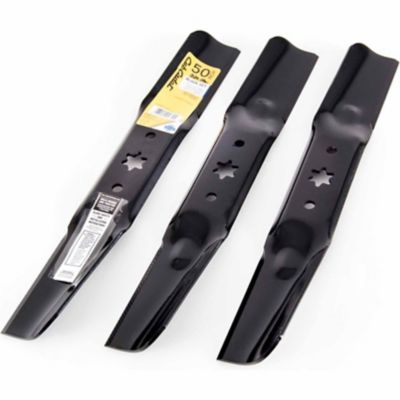
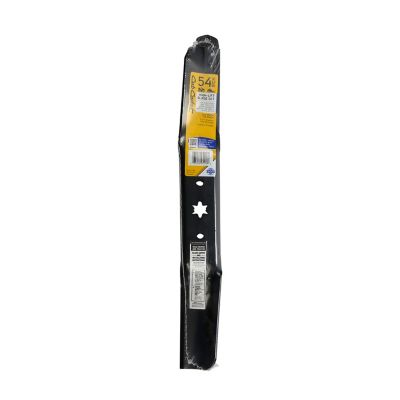
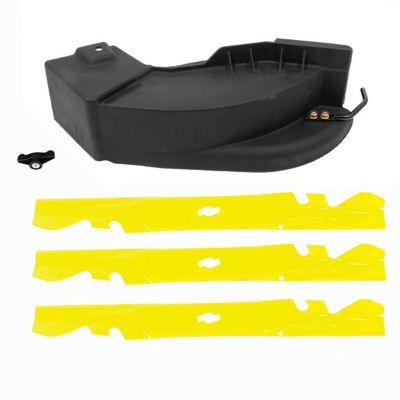
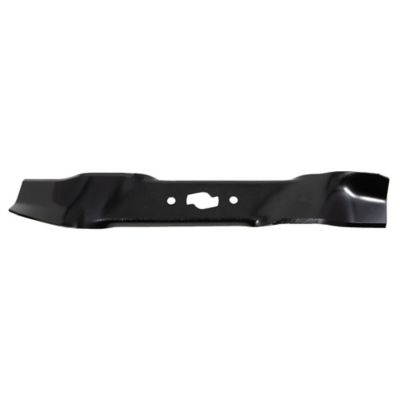
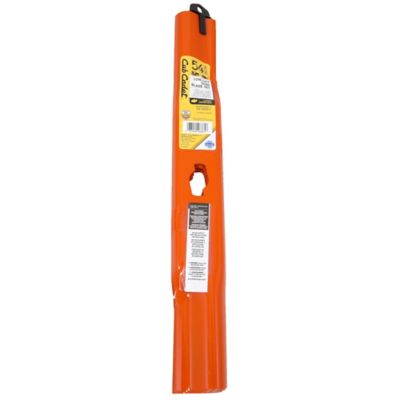
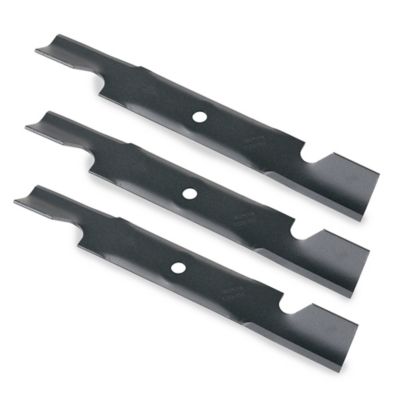
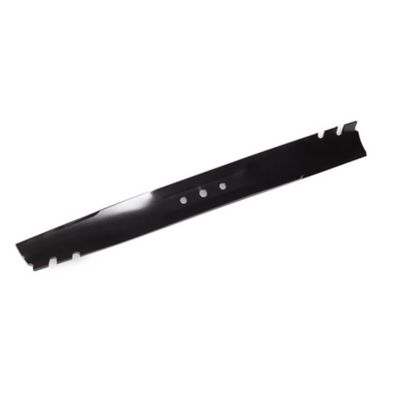
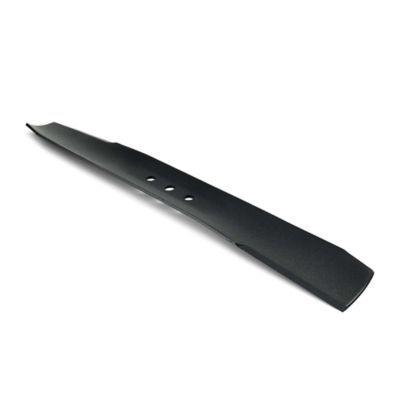
The right 30-inch lawn mower blade matches the mower’s model, deck design and mounting pattern, not just the size printed on the package. That distinction matters because a 30-inch cutting deck does not always take a single blade measuring 30 inches long. Some decks reach that cutting width with multiple shorter blades, so the mower’s replacement blade specifications are the starting point for a proper match. For homeowners keeping a big yard tidy, caretakers mowing around outbuildings or anyone maintaining grass along a fence line, the right fit helps the mower leave an even cut without unnecessary strain. Blade length is generally measured diagonally between the cutting tips, but length alone does not tell the whole story. Width, thickness, center-hole shape, hole diameter and any additional mounting holes all help determine whether a blade belongs on a particular spindle assembly. A round opening and a star-shaped opening are not interchangeable just because the blades appear similar on the bench. The blade’s offset and the height of its raised sections also affect clearance inside the deck. Those details can be hard to judge by eye, especially when the blade coming off the mower has worn tips or a packed-on layer of grass. The mower model number, deck identification and manufacturer’s specified replacement part number provide a firmer basis for comparison than appearance alone. On equipment with more than one deck option, the deck information can be just as important as the machine’s nameplate. A properly matched blade works with the spindle, mounting hardware and deck housing as a complete cutting system. That means the blade needs the correct orientation and clearance as well as the correct overall dimensions. For a mower that works around the house, garden and barnyard, checking those details helps keep a straightforward maintenance job from turning into a poor fit, rubbing blade or uneven strip of grass.
Steel is the usual material for lawn mower blades because it provides the strength and cutting-edge characteristics this work demands. Many replacement blades feature heat-treated steel, with the treatment balancing edge retention and toughness rather than making the metal as hard as possible. A blade has to cut through grass while standing up to repeated rotation and ordinary mowing loads; striking rocks, roots or other solid objects can still damage it. Thickness matters, too, but a heavier blade is not automatically a better choice. The mower’s spindle, drive system and deck are designed around particular blade dimensions and operating requirements. Matching those specifications matters more than choosing the thickest steel that will slide onto the mount. Blade shape is another practical difference within this category. A conventional cutting blade generally supports the mower’s intended discharge arrangement, while a mulching design works with a compatible deck to keep clippings circulating for additional cutting before they settle into the lawn. Raised wings and curved cutting sections influence that movement. High-lift designs create stronger airflow and may support clipping collection when the mower and bagging system call for them, but extra lift is not the right answer for every deck or property. Around a yard with thin turf and exposed soil, stronger airflow may also stir up more dust and loose material. A blade intended for bagging should not be treated as a universal substitute for a mulching blade, or the other way around. The deck opening, discharge chute, baffles and any mulching plug all play a part in how clippings move. For broad stretches of lawn, grass around shade trees or narrow passes beside a shed, the best blade style is the one that suits both the mower’s approved setup and the way the clippings will be handled. A sharp edge and a clean deck help that setup do its job without leaving ragged grass tips or heavy trails of cuttings.
Care and condition have a big influence on how long 30-inch lawn mower blades stay in service. A sound blade with a maintained edge cuts grass more cleanly than one with rounded cutting surfaces, while buildup beneath the deck can interfere with airflow even when the blade itself is sharp. Grass residue can also hold moisture against the steel, so cleaning and drying the blade during scheduled maintenance helps limit corrosion. Any coating on the blade is secondary to keeping the metal clean and checking its condition. Blade service belongs on a fully shut-down mower, with starting power disabled and the machine supported according to the manufacturer’s instructions. Sharp edges remain a handling hazard even when the mower cannot run. During inspection, cracks, bends, deep gouges, badly worn tips and damage around the mounting hole are reasons to replace a blade rather than try to make it last another round. Straightening or welding a damaged mower blade can compromise its integrity. For a blade that is suitable for sharpening, preserving the specified cutting angle and checking balance matter as much as bringing back the edge. Uneven metal removal can leave the blade out of balance and contribute to vibration that puts added stress on mower components. Correct mounting hardware and the specified tightening torque are part of the fit, too; a blade that matches the deck still needs secure installation. On a multiple-blade deck, replacement and maintenance should follow the mower maker’s requirements so the cutting system stays properly matched. For another mower on the property that calls for a 22-inch replacement, explore
22 Inch Lawn Mower Blades rather than assuming blades can transfer between machines. Whether the job is the front yard or the grass around a workshop, matching blade dimensions, mounting details and cutting style gives the mower the setup it was built to run.