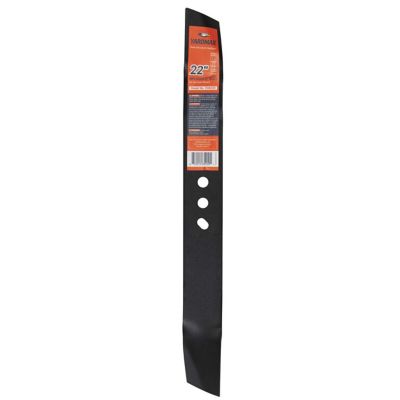
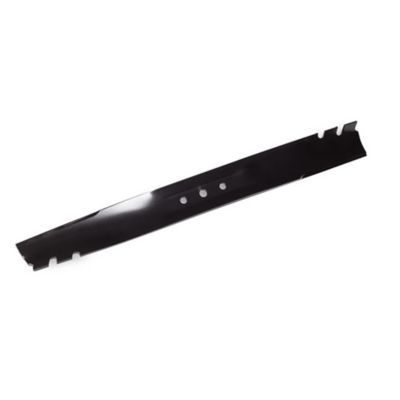
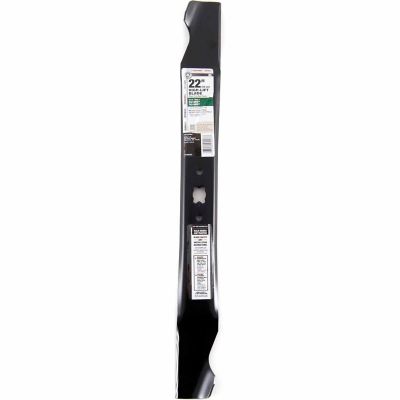
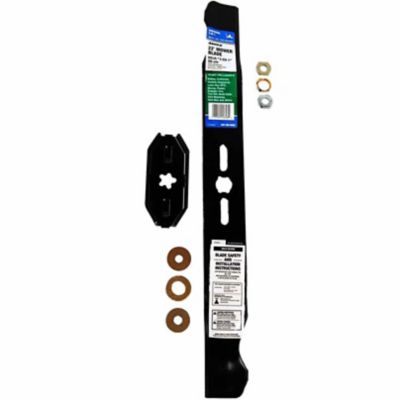
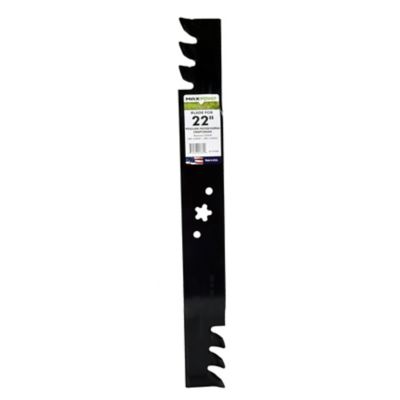
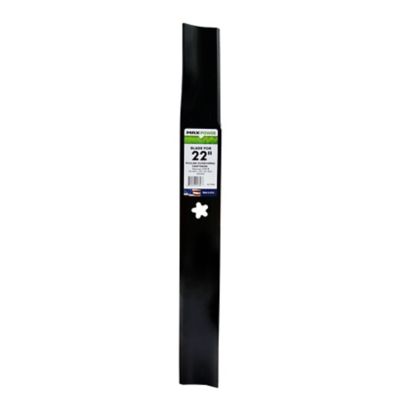
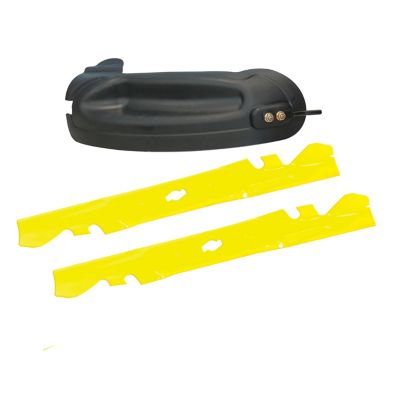
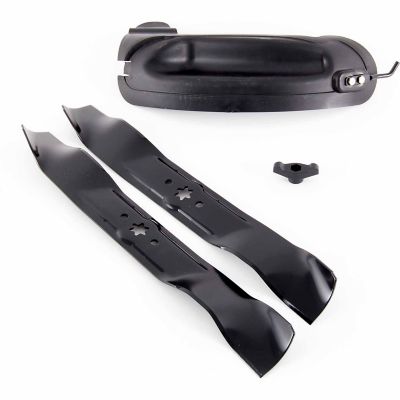
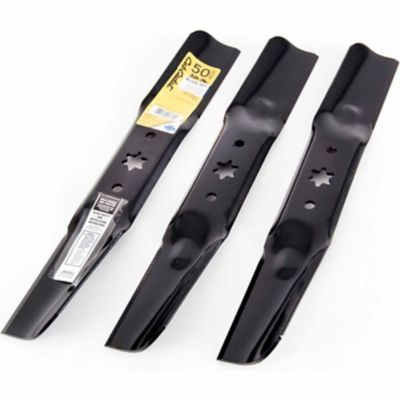
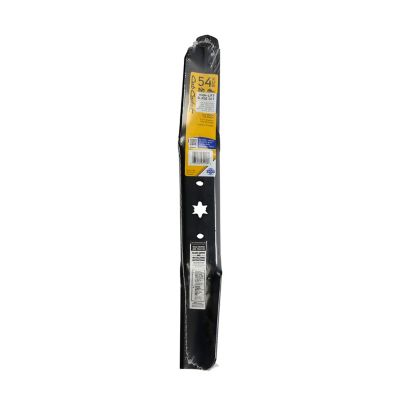
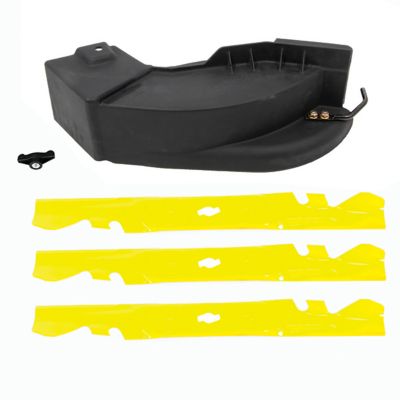
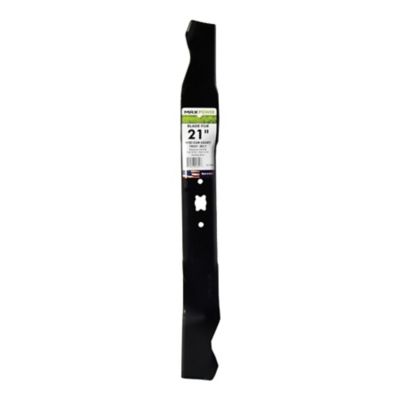
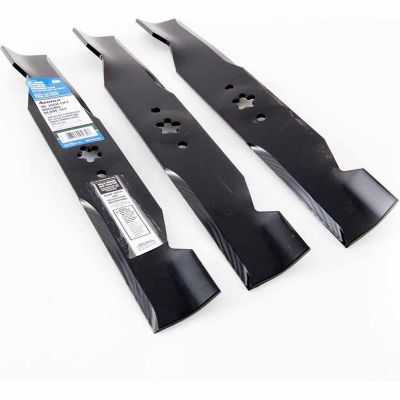
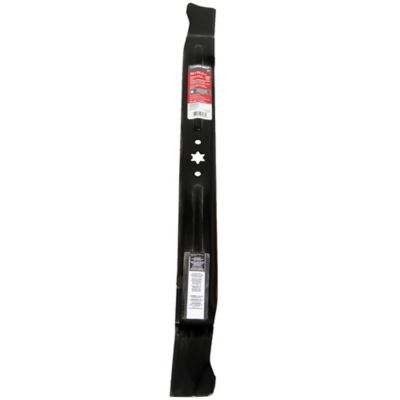
A 22-inch lawn mower blade is a common replacement part for walk-behind mowers, but the “22-inch” measurement is only one piece of the fit. It generally refers to the cutting width of the blade and the mower deck it is designed to serve, not a universal blade size that fits every machine. Before adding a replacement to your cart, check the mower’s manufacturer, model number, original blade number, and deck size against the product details. The center hole pattern matters just as much: depending on the mower, it may be round, star-shaped, bow-tie-shaped, or another configuration, and the hole must match the spindle and blade bolt. Also compare the outer mounting holes, if present, along with the blade’s overall length, width, thickness, and lift design. A blade that looks close may still sit incorrectly, rub the deck, or fail to secure properly. For homeowners shopping for a new mower and replacement parts together, the selection of
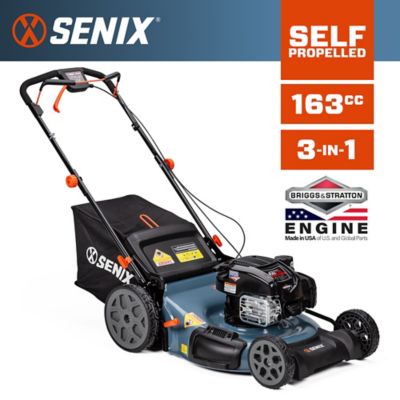
22 Inch Lawn Mowers can help provide useful context on the machines commonly paired with this cutting width. Replacement blade prices often fall in the $15 to $35 range, with the final cost affected by the mower’s design, whether the part is an original equipment or aftermarket replacement, and whether it is sold as a single blade or a set. Keeping a spare on hand can be especially handy for anyone who maintains a larger yard, manages rental property, or prefers to finish mowing without making an extra trip for parts.
Choosing the right blade style depends on how grass clippings are handled and the kind of finish you want across the lawn. A standard or side-discharge blade is intended to move cut grass out through the mower’s discharge opening, making it a practical choice when clippings will be raked, collected later, or left in a windrow for easy cleanup. A mulching blade has a different shape and lift pattern that keeps clippings circulating under the deck so they can be cut into smaller pieces before returning to the turf. That can be useful for routine mowing when the grass is dry and not overly tall, while a high-lift design may help move clippings into a bag more effectively. The best choice still depends on the mower deck, discharge system, bagger, and the manufacturer’s approved parts. A 22-inch replacement blade may be useful for a homeowner who keeps a small suburban lawn neat, a landlord preparing a rental property for new occupants, or someone caring for a country home where dependable equipment saves time on long stretches of grass. It can also make a practical gift for a new homeowner, a parent who enjoys keeping the yard tidy, or a neighbor who takes pride in a clean, freshly cut lawn. Like a sharp pair of pruning shears or a fresh roll of trimmer line, a replacement blade is one of those useful maintenance items that may not look flashy but can make outdoor work feel noticeably easier. Dull or damaged blades often leave grass with ragged, torn tips instead of a clean cut. If the mower leaves uneven rows, misses patches, vibrates more than usual, or produces brown-looking tips after mowing, the blade deserves a close inspection. Bent blades, deep nicks, excessive rust, and a noticeably rounded cutting edge are good reasons to replace rather than keep pushing the part through another season.
Safety and installation deserve careful attention whenever a mower blade is changed. For a gas mower, shut off the engine, allow hot parts to cool, disconnect the spark plug boot, and keep the boot away from the plug so the engine cannot start accidentally. For an electric mower, remove the battery and follow the mower manufacturer’s instructions for disabling the machine. Wear sturdy gloves when handling the blade, since even a dull edge can cut skin, and use a block of wood or an approved blade-holding tool to keep the blade from turning while the retaining bolt is loosened or tightened. Many mower blade bolts are serviced with a 5/8-inch socket, but the correct tool and torque specification can vary, so the owner’s manual should guide the job. Install the blade with the cutting edge facing the proper direction and the raised lift portion oriented as required by the mower design. Tighten the bolt securely to the manufacturer’s specification rather than guessing or relying on excessive force. After installation, check that the blade spins freely by hand with the ignition disabled and that no part contacts the deck. A blade should also be balanced; an uneven blade can create vibration, wear the spindle, and make a simple mowing task feel rough from the first pass. During cooler months, many homeowners take the opportunity to inspect mower parts, clean grass buildup from beneath the deck, and store a replacement blade in a dry place before the next stretch of active growth. Keeping the blade clean and dry, avoiding rocks and hidden branches, and having the mower inspected when vibration persists can help protect both the equipment and the person using it. Whether the goal is a tidy weekly cut as the weather warms, a final cleanup before grass growth slows, or reliable equipment for property upkeep, matching a 22-inch blade to the mower’s exact requirements is the best way to support safe, even cutting.