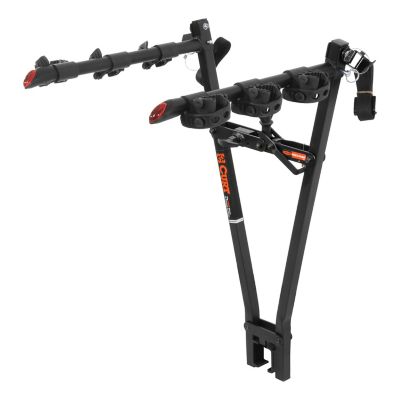
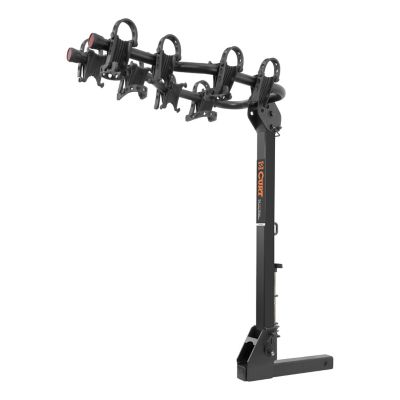
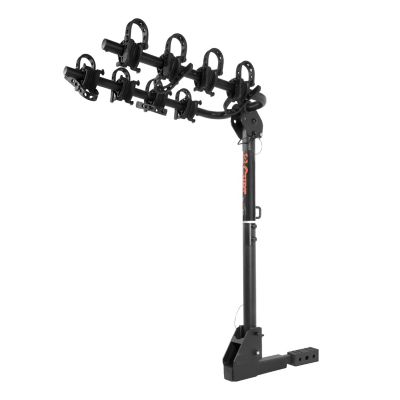
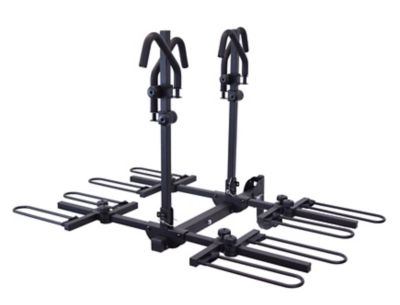
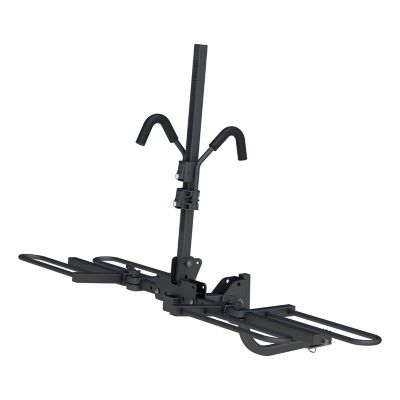
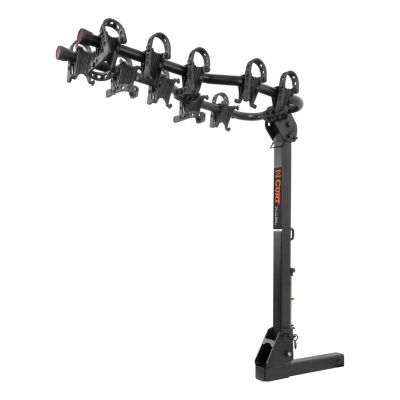
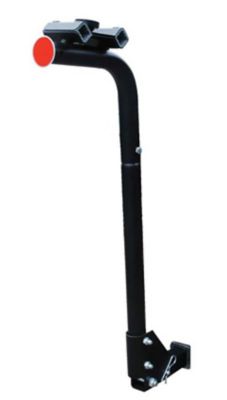
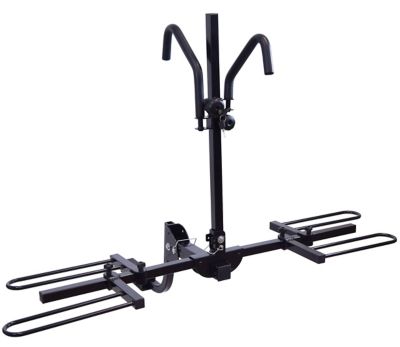
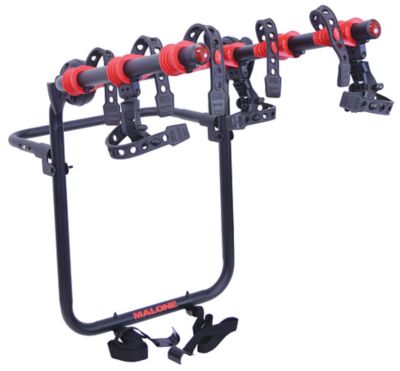
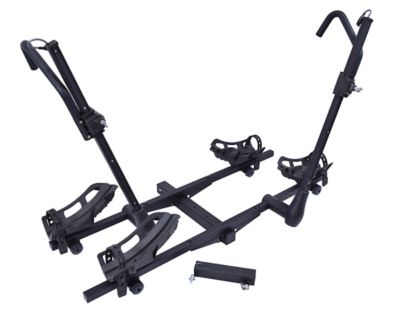
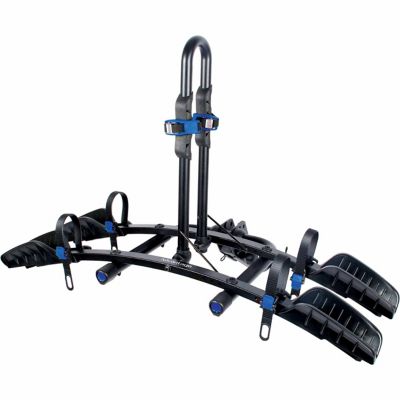
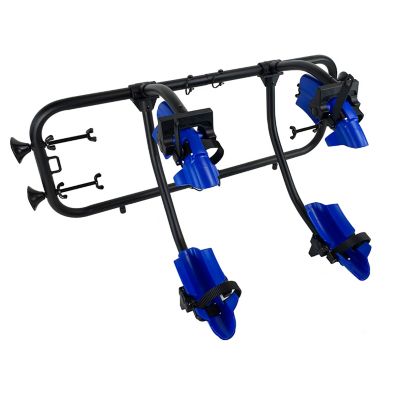
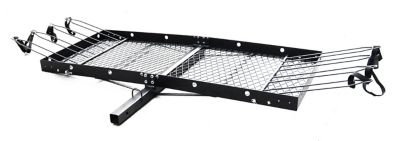
A 3 bike hitch rack makes it easier to bring the whole crew along for a ride without filling the back of the SUV, pickup bed or family van with muddy tires and handlebars. These racks attach to a vehicle’s trailer hitch receiver and are built to carry three bicycles for trips to paved greenways, gravel roads, neighborhood trails, campgrounds and weekend getaways. They’re handy for families with growing kids, friends who ride together and anyone who likes keeping a couple of bikes ready for a change of scenery. As the weather warms, a hitch-mounted rack can turn an ordinary drive into an afternoon at the trailhead, while during the cooler months it gives riders a practical way to reach quiet back roads and fall-colored paths. They also make a thoughtful gift for a household that has recently picked up biking as a hobby, especially when several riders need to travel in one vehicle. Before choosing a rack, match it to the vehicle and the bicycles you plan to carry. Hitch receivers commonly measure 1-1/4 inches or 2 inches, and the rack must be made for the receiver size on the vehicle unless an appropriate, manufacturer-approved adapter is used. Check the vehicle’s hitch rating, the rack’s total capacity and the weight limit for each individual bike. This matters even more when hauling heavier hybrid, fat-tire or electric bikes, which can weigh considerably more than a basic road or children’s bike. Add the weight of all three bicycles together, and leave room within the stated limits rather than loading right up to the maximum. A quick look at the bike frame styles, tire sizes and wheelbase lengths can also help narrow down the right fit.
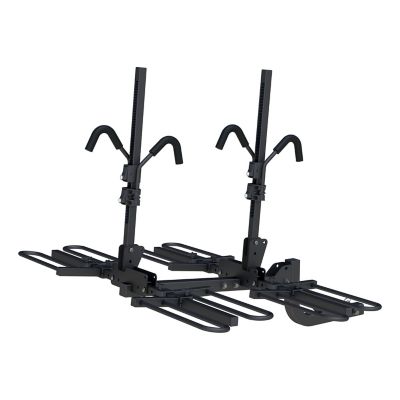
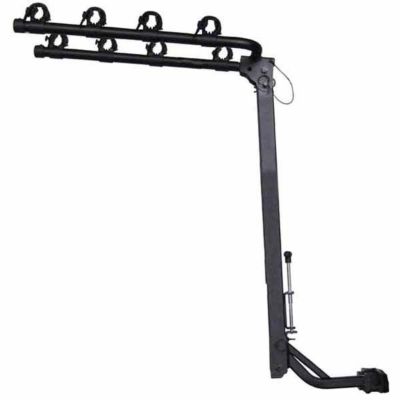
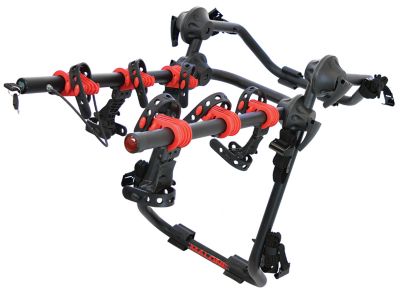
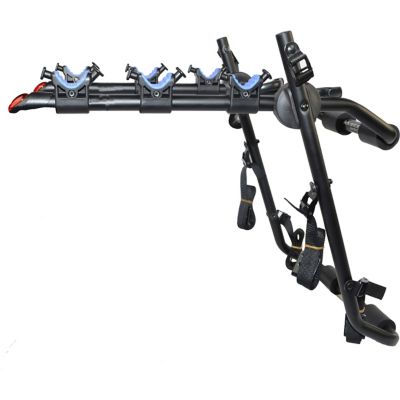
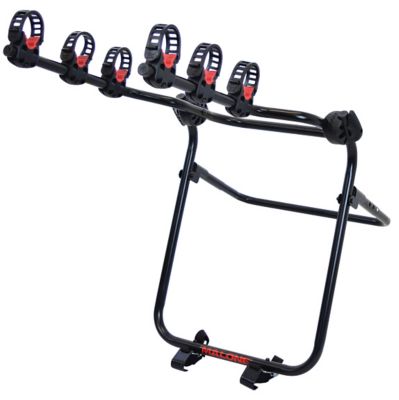
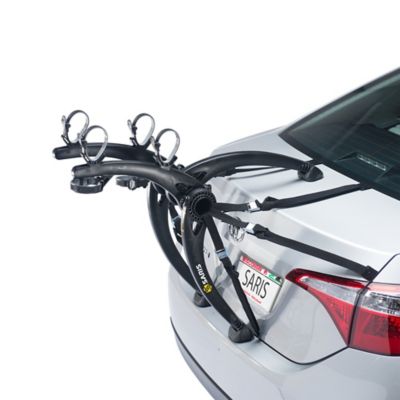
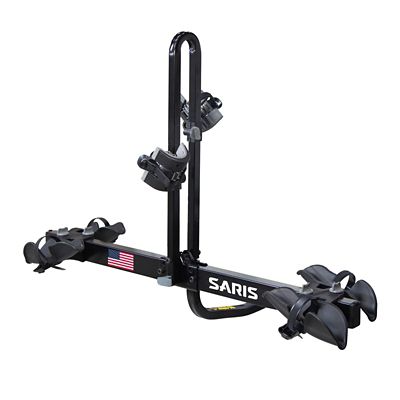
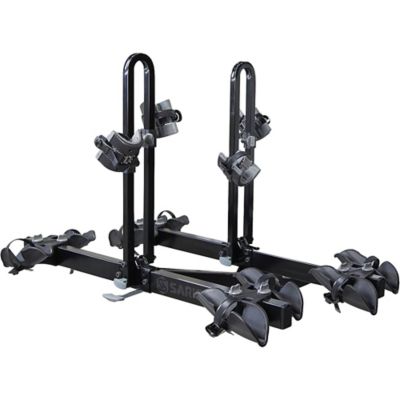
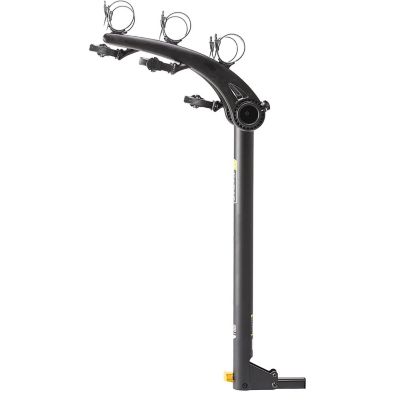
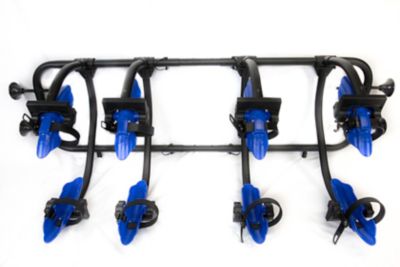
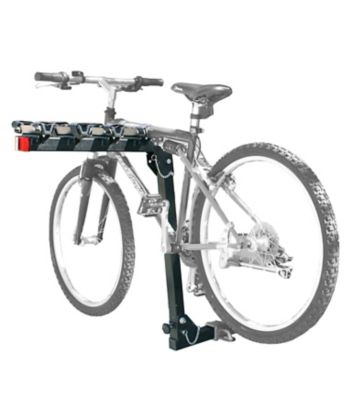
Three-bike hitch racks generally fall into two main designs: hanging racks and platform racks. Hanging racks hold bicycles by the frame, usually at the top tube, and are often lighter, simpler to install and easier to store when not in use. They can be a good match for traditional road bikes, mountain bikes and other lighter bicycles with frames that sit securely in the rack’s cradles. Some step-through, full-suspension and unusual-shaped frames may need a frame adapter so they hang level and remain properly supported. Platform racks carry bikes by the tires in individual trays, which helps keep most of the rack’s contact away from painted or carbon frames. This style is often preferred for heavier bicycles, bikes with delicate finishes, fat tires or a mix of different frame shapes. Platform designs can be heavier and may take more room in a garage or shed, but the wheel support can make loading feel steadier, particularly when three bikes are packed together. Look for adjustable cradles, wheel straps and enough spacing between bikes to reduce contact between pedals, handlebars and frames. A tilting feature is another useful detail because it allows the loaded or unloaded rack to fold or drop away from the rear of the vehicle for access to a hatch, trunk or tailgate. Anti-sway cradles, stabilizing straps and anti-rattle hardware help limit movement as the vehicle travels over rough pavement or a washboard gravel road. A locking hitch pin or integrated cable lock can add convenience when making a quick stop, though bikes should never be left unattended for long periods based on a lock alone. For vehicles with a spare tire mounted at the rear, a hitch extender or a different rack shape may be needed, so measure the available clearance before making a purchase.
The best 3 bike hitch rack is one that fits the vehicle, supports the bikes safely and suits the way your household actually rides. Measure from the center of the hitch pin hole to the outer edge of the bumper or spare tire, then compare that distance with the rack’s clearance and folding positions. Confirm that the rear license plate, taillights and backup camera will not be blocked when the rack is installed, and check local requirements if the bicycles or rack cover any lighting or plate area. Loading is easier when the heaviest bike goes closest to the vehicle and each bicycle is secured separately with the provided straps or supports. Remove water bottles, pumps, baskets and other loose accessories before driving, since wind can shake them loose and they can rub against nearby bikes. Take a walk around the setup before pulling out, making sure the hitch pin is seated, the rack is tightened, the wheel straps are snug and no handlebar or pedal is pressing against another frame. After a short distance, stop in a safe place to inspect the straps and check for shifting. This simple habit is especially helpful on long drives to a state park, farm road or campsite. When the ride is over, rinse away road grit and trail mud, dry the rack before storing it and keep moving parts clean according to the care instructions. A folding or tilt-away design can save space in a crowded garage, while a hitch-mounted rack can remain useful through changing conditions without taking up the vehicle’s interior. Households that regularly carry more than three bikes can also compare this selection with a
4 Bike Rack for added room. With the right receiver fit, weight capacity and bike support, a three-bike rack helps make group rides less of a chore and leaves more room in the vehicle for helmets, coolers, trail shoes and the rest of the gear that makes a day outside comfortable.