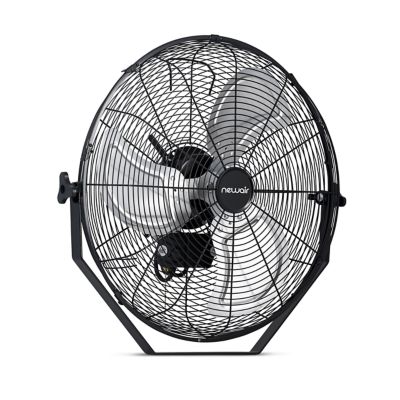
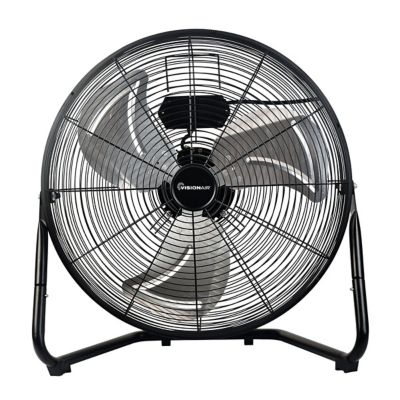
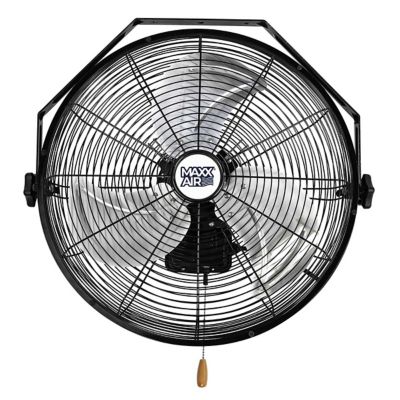
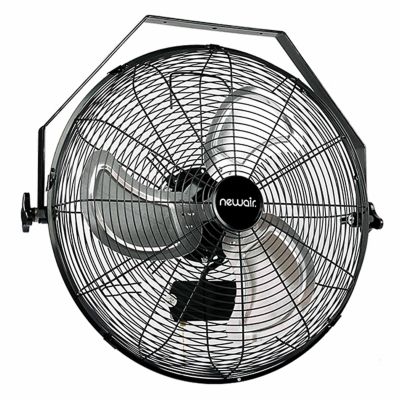
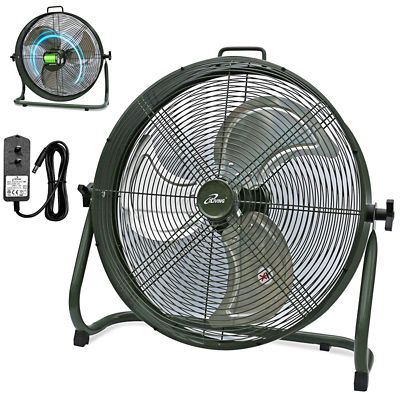
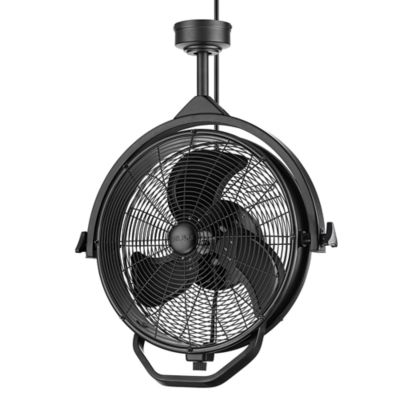
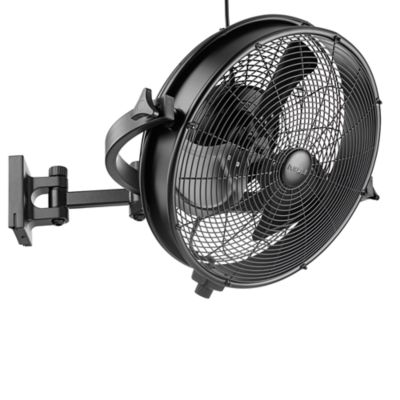
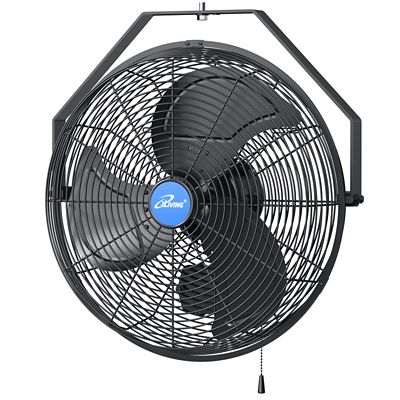
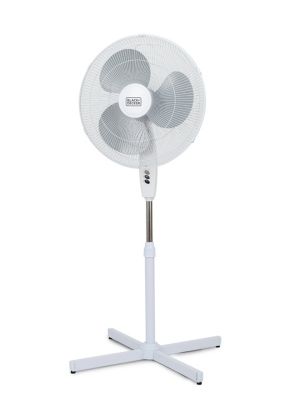
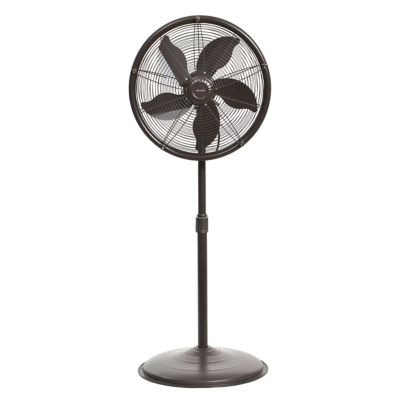
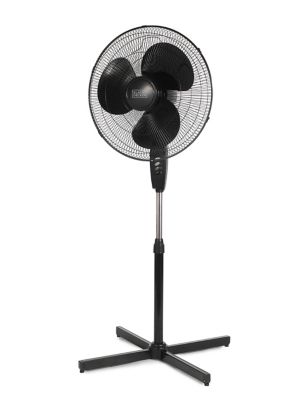
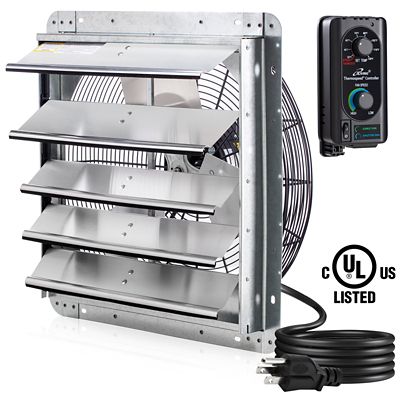
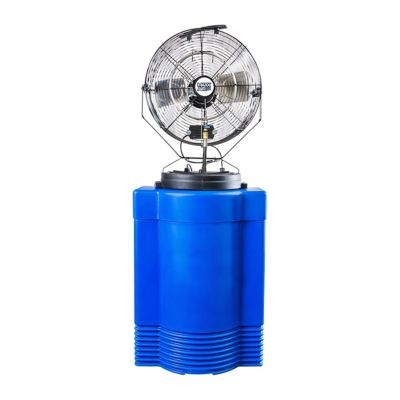
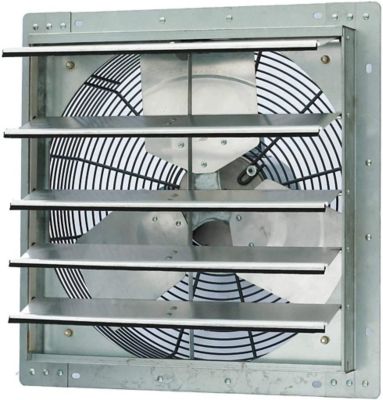
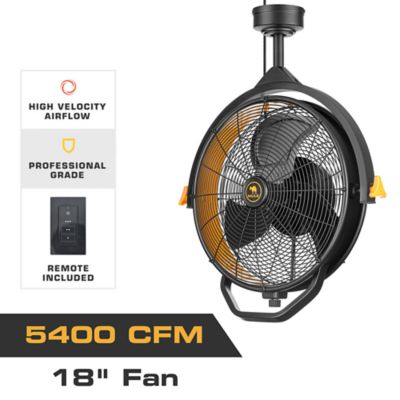
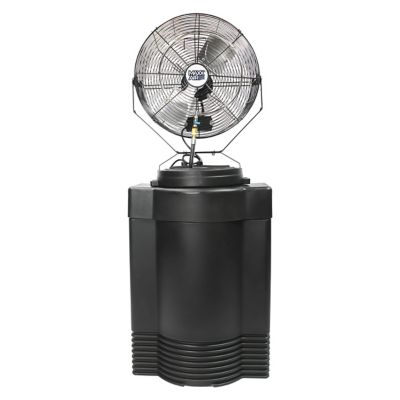
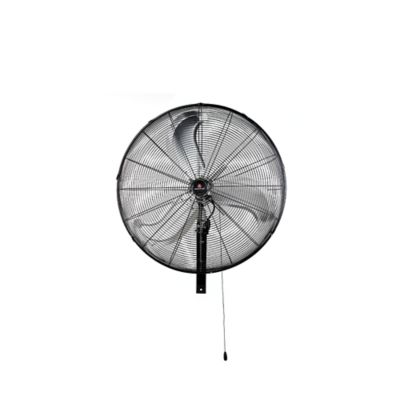
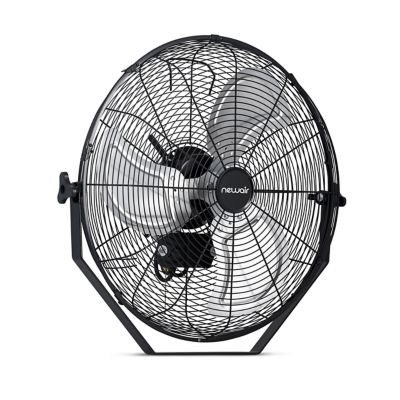
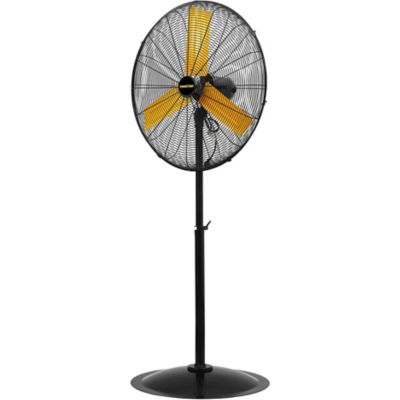
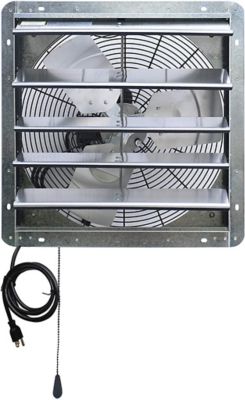
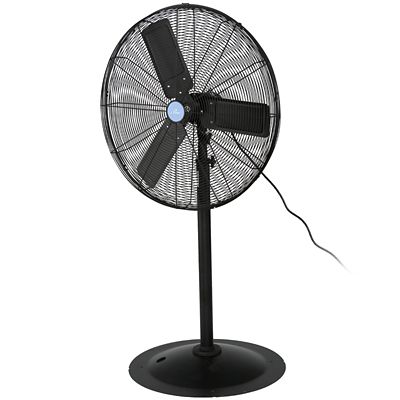
18-inch high-velocity fans deliver strong air circulation for garages, workshops, gyms, and larger living spaces where a small desk fan may not move enough air. They’re a practical fit for folks working at a bench, tending to equipment, or tackling projects in a detached shop. The 18-inch measurement generally refers to the blade diameter, not the full width of the fan, so the housing and stand need a little more room than that number suggests. High-velocity designs concentrate airflow to send a noticeable breeze across a work area, with performance depending on the motor, blade shape, grille, and speed setting. Airflow ratings, often listed in cubic feet per minute, or CFM, help describe how much air a fan moves. A higher CFM figure generally means more air movement, though ratings are most helpful when the testing conditions are comparable. The right match depends on the space and the job, not just the largest number on the label. A fan beside a woodworking bench serves a different purpose than one circulating air through an open exercise area. Shelving, parked equipment, partitions, and crowded corners can all interrupt the airflow path. An adjustable head makes it easier to direct the breeze toward an occupied area rather than straight into a nearby cabinet. Multiple speed settings also give a fan more flexibility, with a lower setting for close-range circulation and a higher setting for a longer reach. Sound matters, too, especially when conversation, music, or concentration is part of the day. Strong airflow brings some operating noise, and a fan that feels right across a busy garage may be more noticeable beside a home office. For households and workspaces that need substantial circulation without a permanent installation, this size offers a useful balance between reach, portability, and the amount of floor space it takes up.
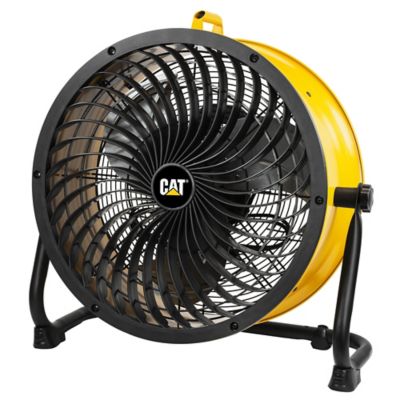
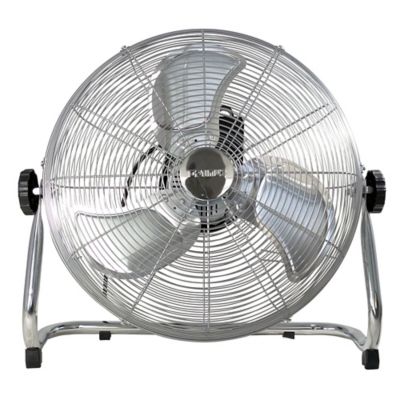
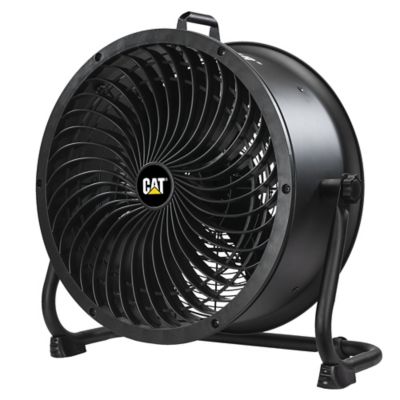
Construction and mounting style make a real difference in how an 18-inch fan fits into everyday work. Metal blades and steel housings are common in this category, while other designs may include molded components that help keep the unit lighter. A protective grille separates the moving blades from the surrounding area, but a fan still needs a sensible spot away from curious fingers, paws, and loose materials. A broad base, secure feet, and a firmly supported head help the fan stay steady when the motor is running. In a garage with a concrete floor, vibration control can make the difference between a fan that stays put and one that rattles through an afternoon project. Floor models keep setup straightforward and can tuck near a workbench, provided there’s enough clearance for air to enter and leave the housing. The
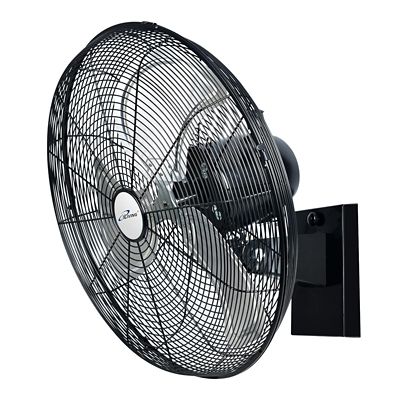
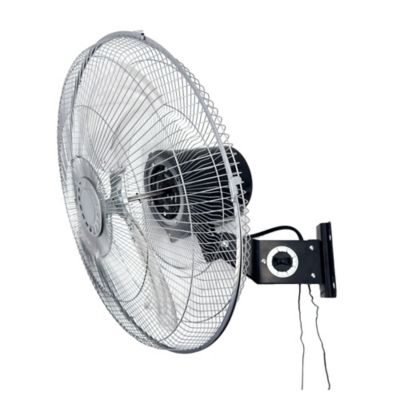
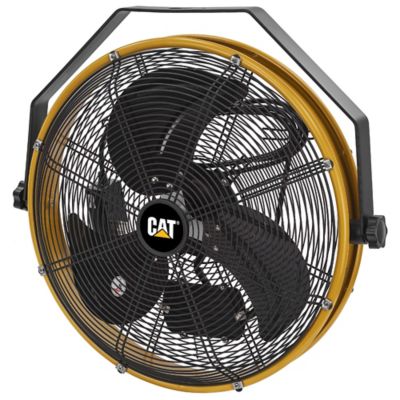
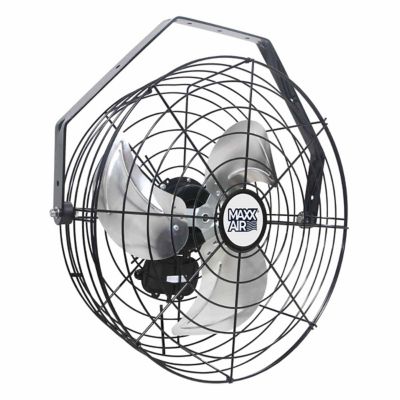
High Velocity Floor Fans category offers another way to browse fans built around that placement style. Wall-mounted designs can free up walking space, while pedestal designs raise the airflow above some floor-level obstructions. Mounting hardware, wall structure, height adjustment, and the manufacturer’s installation requirements all matter when comparing those layouts. Overall dimensions deserve a close look, especially around shelving, narrow aisles, or a bench with a low overhang. A carry handle and manageable weight are handy when the fan needs to move from the shop to a covered work area, but portability does not mean a fan is suitable for exposure to water. Outdoor, damp-location, and washdown suitability depend on the equipment’s stated rating. The same care applies around agricultural workspaces: a general-purpose fan is not automatically suited to heavy airborne dust or corrosive conditions. Cord length and outlet placement also affect the fit. A nearby, properly rated outlet helps keep the cord out of traffic, away from sharp edges, and clear of carts or rolling toolboxes. Electrical requirements and any extension-cord restrictions should match the manufacturer’s directions rather than assumptions based on the fan’s size.
An 18-inch high-velocity fan earns its place through the ordinary jobs that fill a day around the house, garage, or acreage. At a repair bench, directed airflow can make a long session sorting bolts or rebuilding a small assembly more comfortable. In a home workout space, it can keep air moving around a treadmill, weight bench, or exercise mat without taking over the room. In a larger living area, placement matters as much as power: an open path across the room works better than a position hidden behind furniture. Fans move air rather than remove dust, smoke, or chemical vapors, so circulation should not be mistaken for filtration or proper exhaust ventilation. Around sawdust, sanding debris, spray finishes, solvents, or fuel, the workspace and equipment must meet the applicable safety requirements; an ordinary circulation fan is not a substitute for dust collection or equipment rated for hazardous locations. Even in a clean space, airflow aimed at loose papers or a tray of small parts can make a mess, so a little thought about direction goes a long way. Routine care helps keep performance consistent. Dust can collect on blades and grilles, and buildup can contribute to vibration or restrict airflow. Cleaning belongs on the maintenance schedule, with the fan unplugged and the manufacturer’s directions followed for access, cleaning methods, and reassembly. Motors and electrical parts need protection from moisture, and a damaged cord, loose grille, or unusual operating sound calls for attention before further operation. Accessible controls, a head that holds its chosen angle, and a stand that sits solidly are details worth considering alongside airflow. For a mechanic, a hands-on homeowner, or someone who spends plenty of time in the shop, a well-matched fan can become part of the regular workspace setup. The best fit is one that delivers the needed circulation, sits safely in the available space, and remains straightforward to move, adjust, and care for.