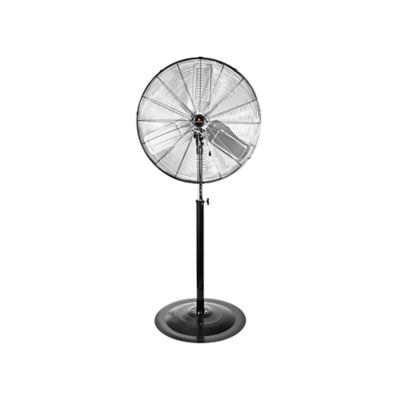
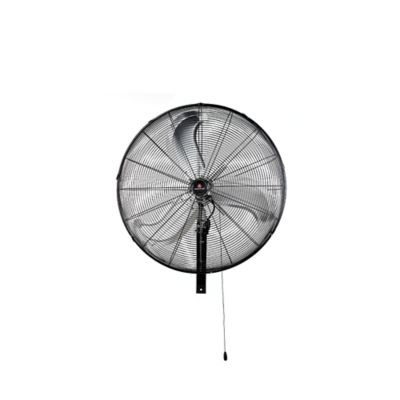
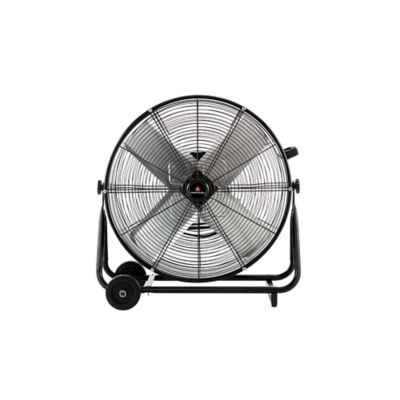
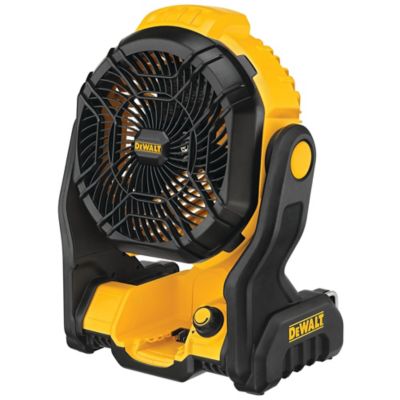
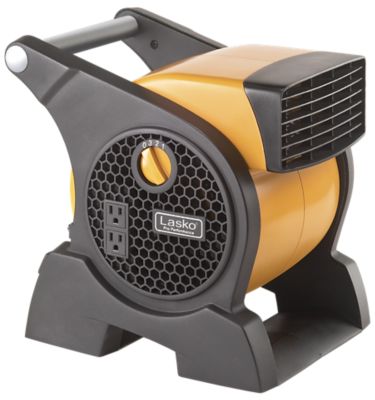
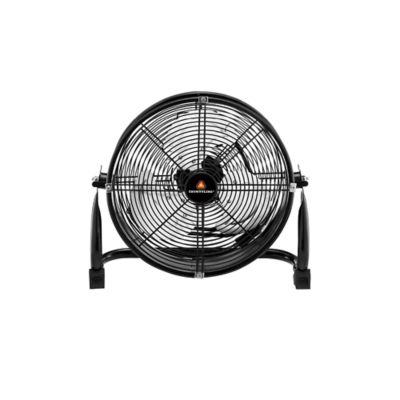
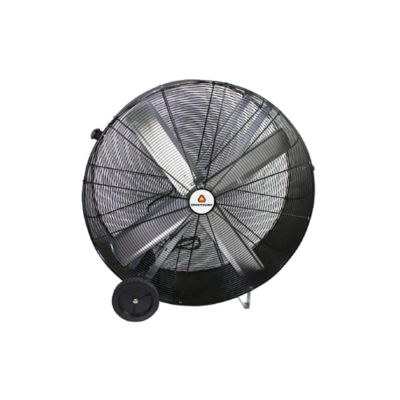
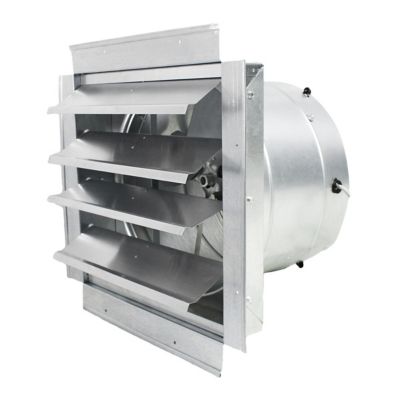
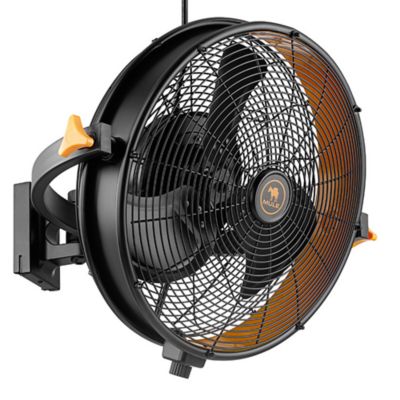
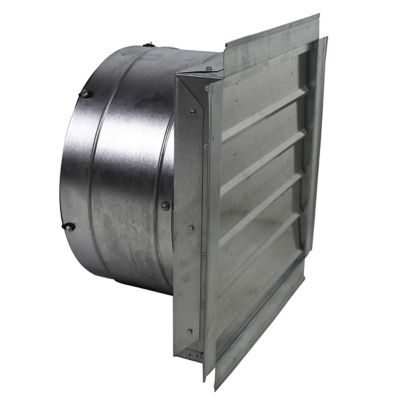
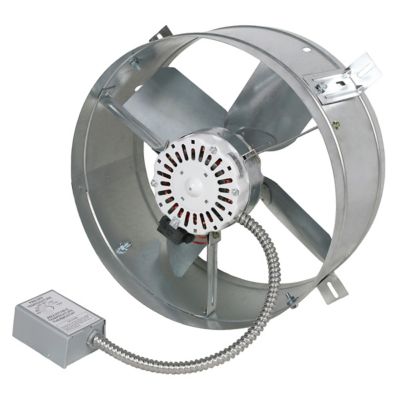
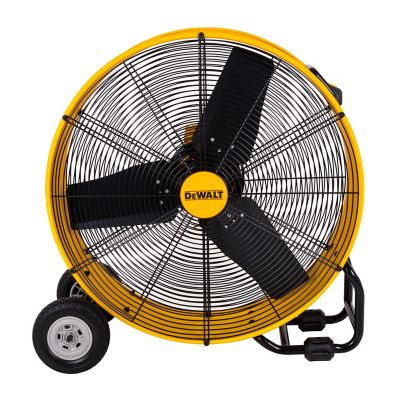
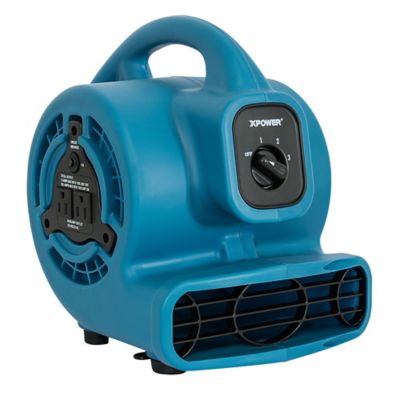
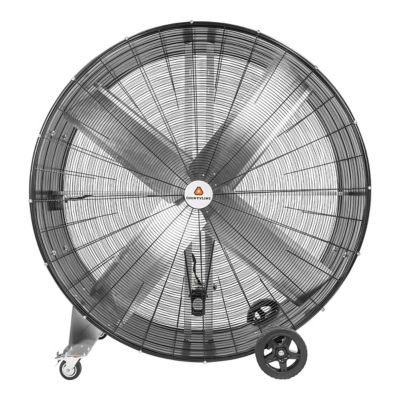
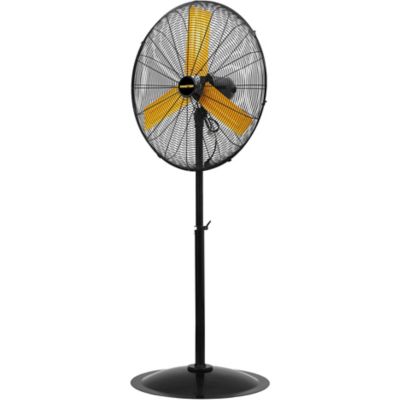
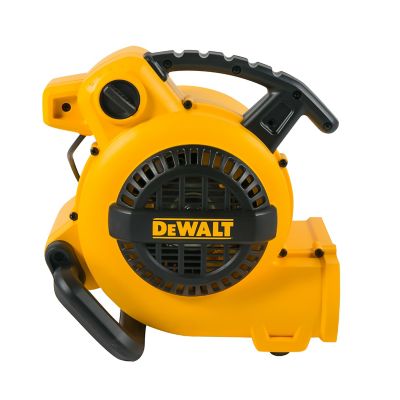
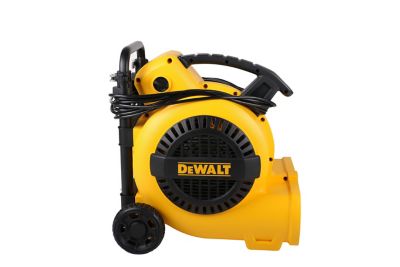
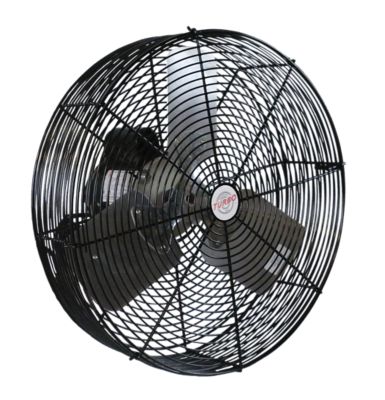
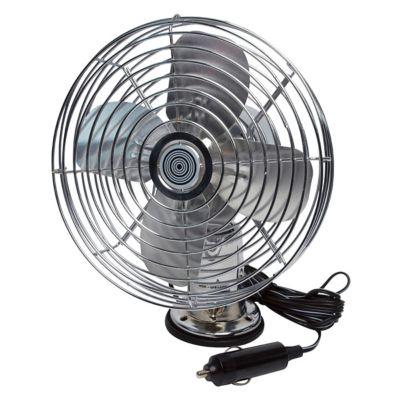
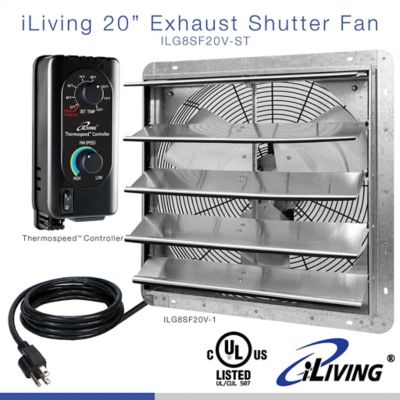
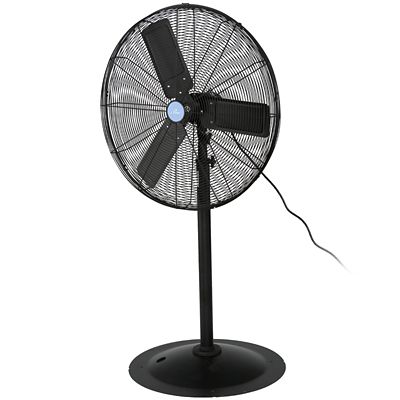
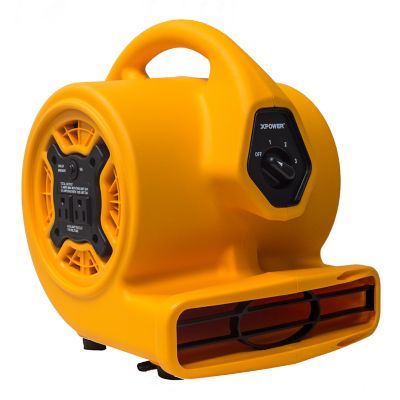
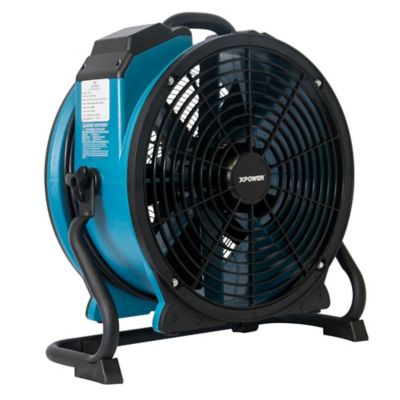
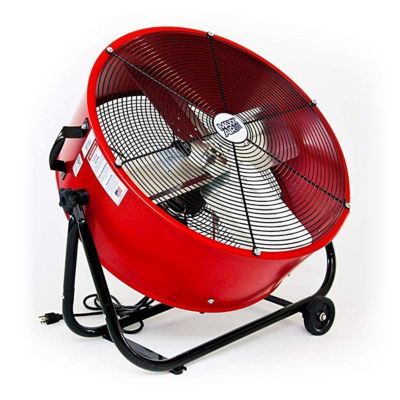
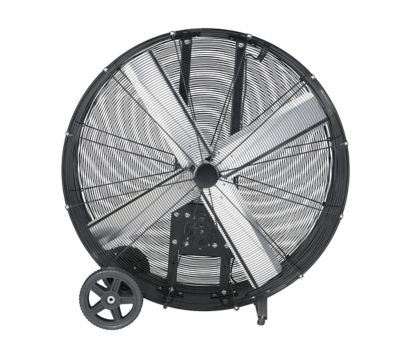
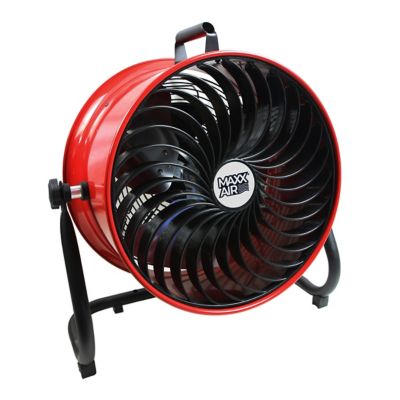
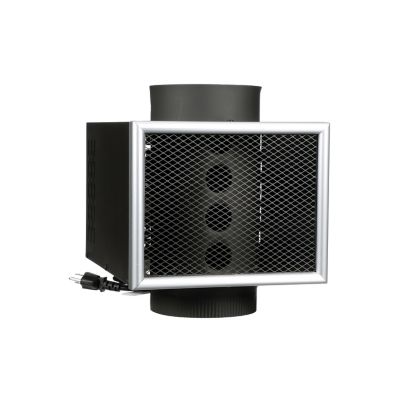
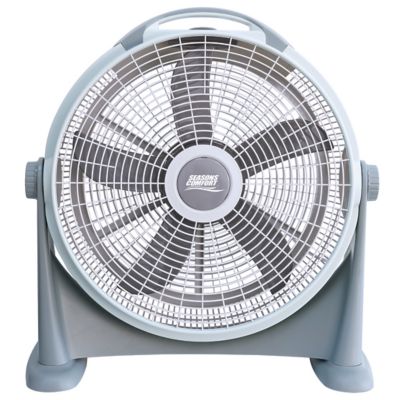
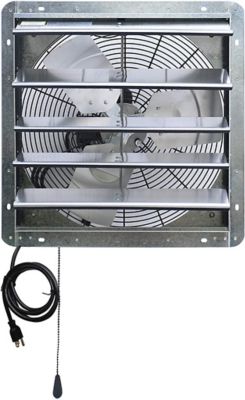
High CFM exhaust fans move large volumes of air out of a building, helping clear trapped heat, excess moisture, and everyday odors from spaces where a smaller fan may fall short. CFM stands for cubic feet per minute, a measure of airflow rather than cooling power. Unlike a circulation fan that moves air around the room, an exhaust fan sends indoor air outside while replacement air enters through planned openings or a makeup-air system. That difference matters in a farm shop with a warm equipment bay, a greenhouse holding damp air, or a garage that feels stuffy even with the overhead door cracked. There is no single CFM rating that makes a fan “high CFM” for every setting: several hundred CFM can represent substantial airflow in a smaller room, while large shops and agricultural buildings may call for several thousand CFM or multiple fans. The right capacity depends on building volume, the work taking place inside, and the resistance air encounters along its path. For property owners, growers, mechanics, and folks who spend their evenings at a workbench, these fans can be a practical part of making an enclosed space more comfortable to work in. Picture a shop after a long afternoon of equipment repairs: the tools are put away, but warmth still hangs beneath the roof and the air feels heavy near the benches. Properly planned exhaust ventilation helps exchange that indoor air instead of simply stirring it around. During the cooler months, ventilation still matters when doors stay shut longer and moisture collects on cold surfaces. The goal shifts from moving as much air as possible to maintaining enough exchange without throwing away unnecessary heat. Exhaust fans do not refrigerate incoming air or replace heating, cooling, or dehumidification equipment, but they can play an important role in managing the conditions those systems work against.
Shopping for a high CFM exhaust fan starts with matching its airflow performance to the building, not just choosing the largest number on the label. Square footage tells only part of the story. A tall equipment shed contains more air than a low-ceilinged room with the same floor area, and different activities call for different ventilation rates. As an illustration, a 20-by-30-foot shop with a 10-foot ceiling contains 6,000 cubic feet of air; achieving 10 air changes per hour would require 1,000 CFM of actual airflow. That calculation describes an airflow target, not a recommendation that every shop needs 10 air changes per hour. Occupancy, moisture, heat, contaminants, and applicable requirements all affect the appropriate rate. Published ratings also deserve a close look because a fan’s free-air CFM may be higher than what it delivers after installation. Duct runs, elbows, shutters, screens, and exterior hoods add resistance, often described as static pressure. Comparing airflow at the expected operating pressure gives a better picture of how a fan will perform in the finished setup. Wall-mounted exhaust fans can offer a relatively direct route outdoors when a suitable exterior wall is available. Inline fans fit applications where air must travel through ductwork, while roof-mounted arrangements involve different mounting, flashing, and service-access considerations. Fan diameter alone does not establish airflow, so dimensions and performance specifications both matter. The installation also needs enough incoming air; a powerful exhaust fan cannot deliver its intended airflow through a tightly closed building without an adequate replacement-air path. Placement affects whether fresh air travels across the occupied area or slips straight from a nearby opening to the fan. Electrical supply, motor voltage, circuit requirements, and whether the unit needs hardwiring belong on the purchase checklist alongside the rough-opening dimensions. In buildings with fuel-burning heaters or other combustion appliances, exhaust ventilation can create pressure conditions that cause backdrafting. A qualified installer can assess makeup air, appliance venting, and local requirements before a larger fan goes into service.
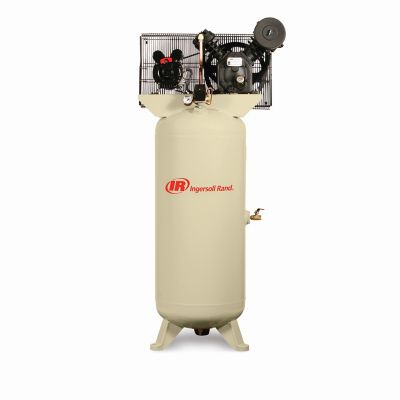
The features that matter most often become clear during an ordinary workday. A fan beside a workbench needs a different noise profile than one mounted well away from people in a large storage building. Sound ratings, where available, help compare options, though mounting surfaces and ductwork can influence the noise heard after installation. Variable-speed operation can provide flexibility as conditions change, provided the motor and control are compatible. Thermostats can respond to rising temperatures, while suitable humidity controls can help manage moisture-driven ventilation needs. Shutters or backdraft dampers help limit unwanted reverse airflow when the fan is off, an especially useful consideration as outdoor temperatures drop. They are not a substitute for an insulated, weather-tight building closure, and their resistance needs to be part of the airflow plan. For barns, greenhouses, and other demanding settings, motor enclosure, corrosion resistance, moisture exposure ratings, and the manufacturer’s stated application limits deserve attention. Agricultural ventilation should support the needs of the animals or crops without creating harsh drafts at their level. Accessible guards, shutters, and blades also make routine cleaning and inspection less of a chore when airborne dirt begins to collect. General ventilation fans are not automatically suitable for combustible dust, flammable vapors, welding fumes, or hazardous atmospheres. Those jobs may require dedicated capture equipment, filtration, specially rated components, and a professionally designed system. Running engines indoors also calls for dedicated exhaust controls; a general-purpose fan should never be treated as protection against carbon monoxide. For shops outfitting both ventilation and air-powered tools,
High Cfm Air Compressors address a separate need: delivering compressed air to equipment rather than exchanging room air. Keeping those roles separate helps match each purchase to the work ahead. Whether the space holds garden supplies, repair benches, or farm equipment, the best-fitting exhaust fan balances airflow, installation demands, controls, and upkeep with the way the building actually operates. Enough capacity to handle the job, paired with a sound installation, matters more than a big CFM number by itself.