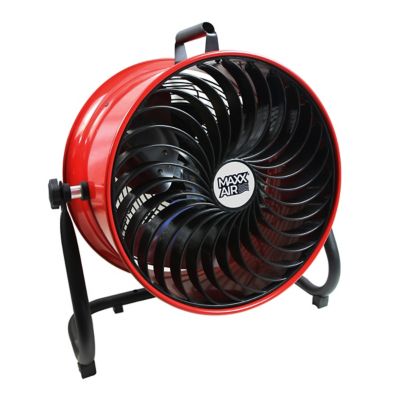
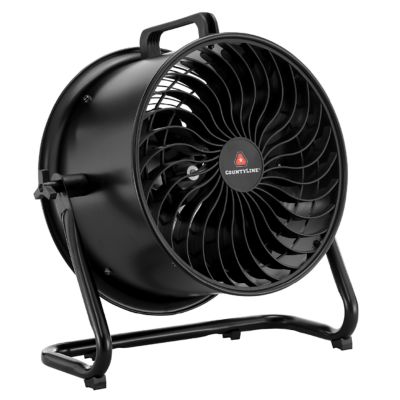
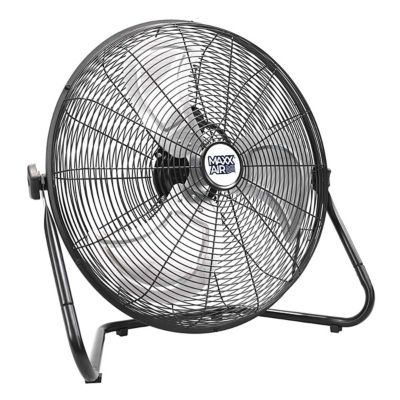
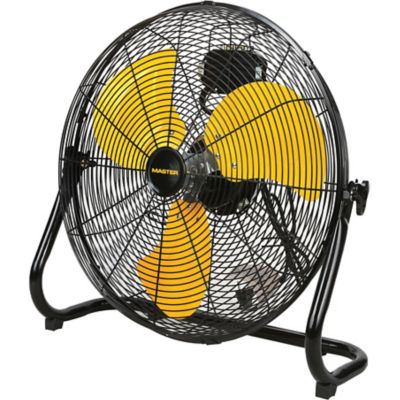
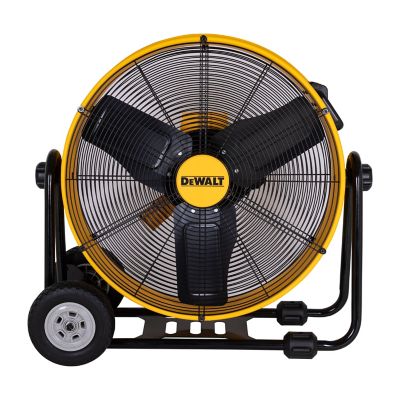
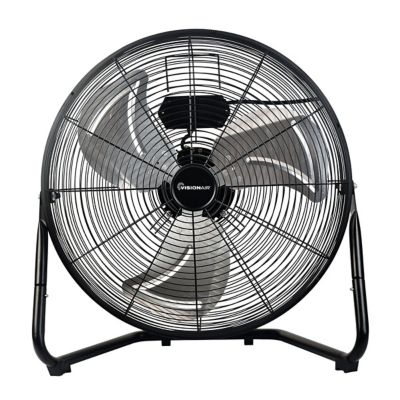
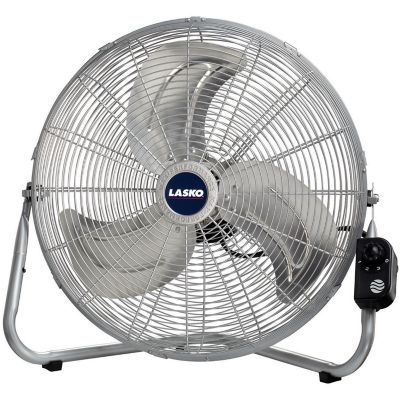
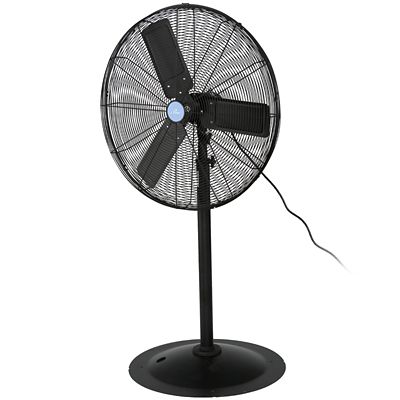
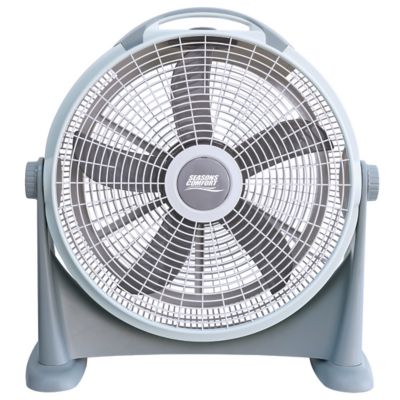
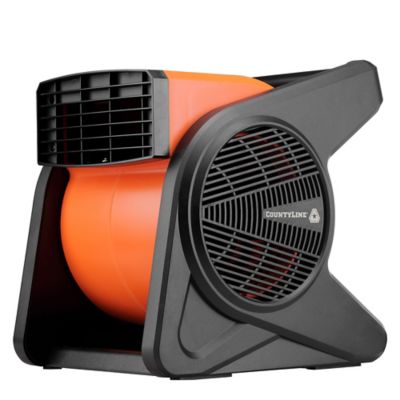
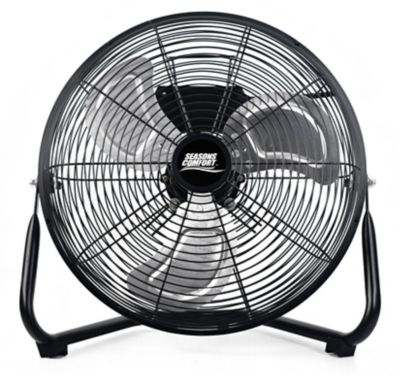
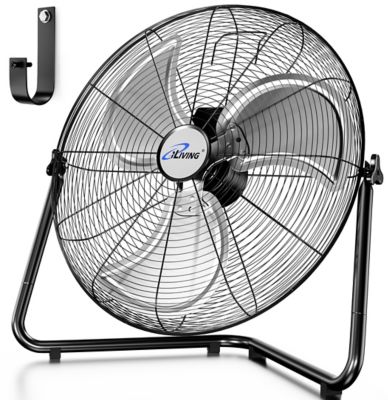
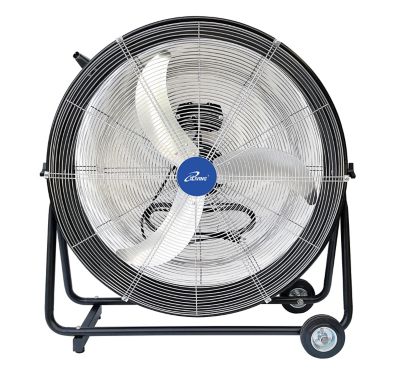
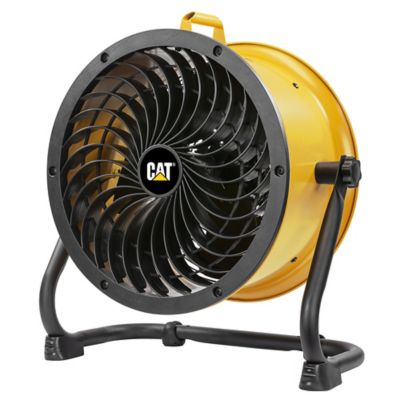
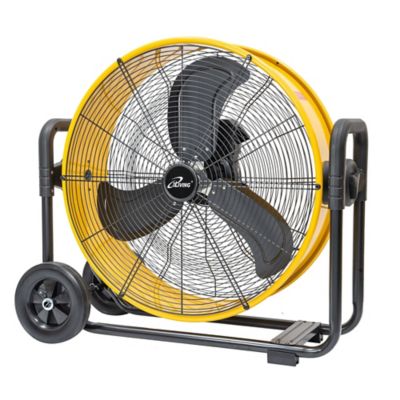
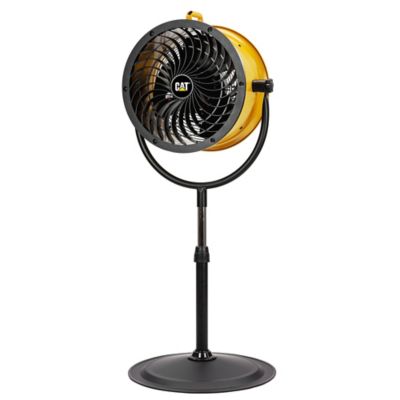
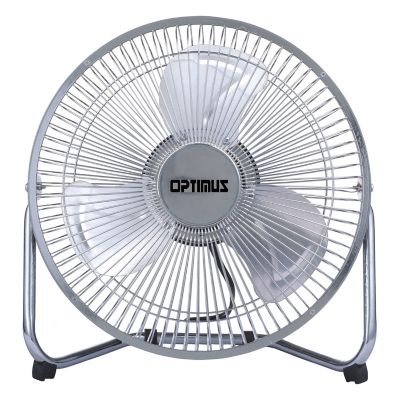
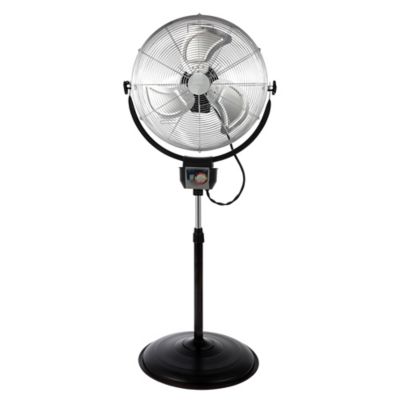
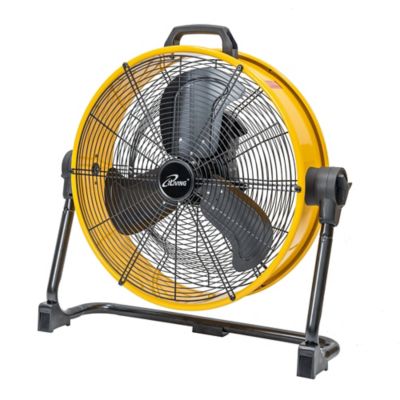
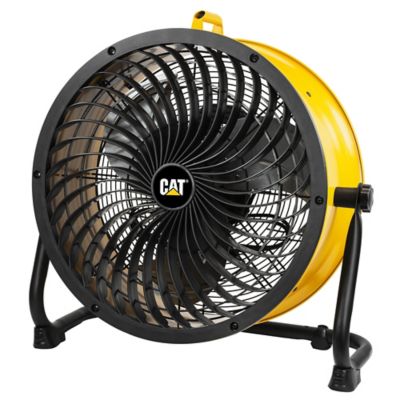
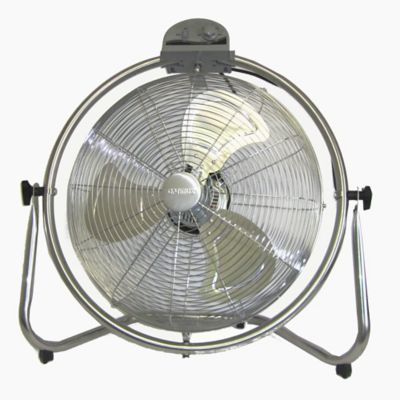
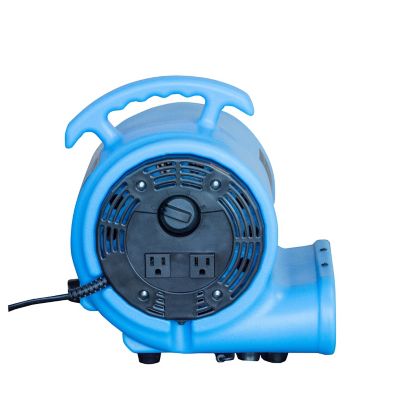
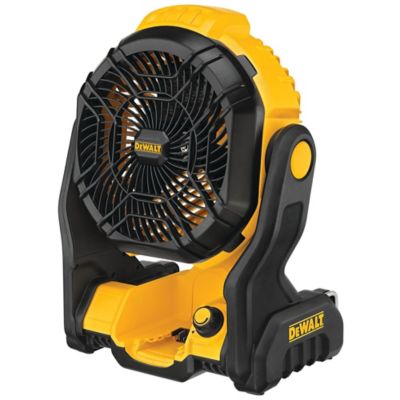
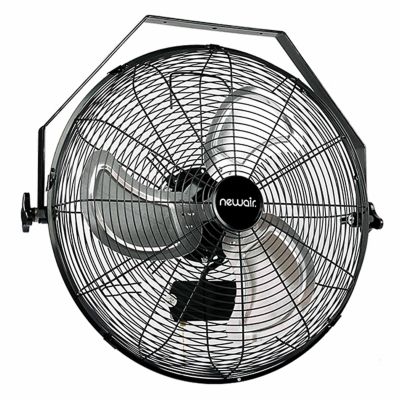
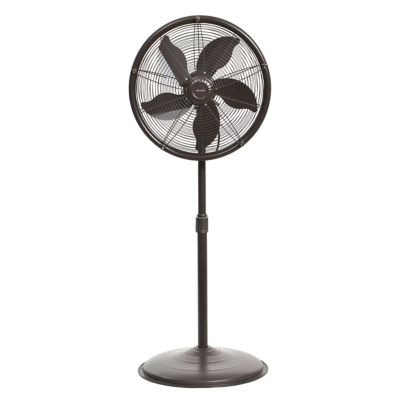
High velocity floor fans move large volumes of air through spaces such as garages, workshops, gyms, warehouses, and home work areas. Their strong, directed airflow helps circulate stagnant air and brings a steady breeze to places where a small personal fan may not reach far enough. For someone repairing equipment at a workbench, exercising in a home gym, or sorting supplies in a farm shop, that extra reach can make the space more comfortable without taking up bench space. These fans generally sit close to the floor on a stand or cradle, with a head that tilts to direct airflow toward a work area or farther into the room. The term “high velocity” describes an emphasis on strong air movement, but performance depends on more than blade speed alone. Blade shape, motor output, guard design, and fan diameter all influence how air moves. Airflow ratings, often listed in cubic feet per minute, or CFM, help describe the volume of air a fan moves under its stated test conditions. Comparing those ratings alongside dimensions and speed settings gives a clearer picture than looking at diameter alone, though test methods can vary between manufacturers. A larger fan may suit an open shop bay, while a more compact model may fit better beside a garage workbench or along the edge of an exercise area. The space matters just as much as the fan: shelves, parked equipment, and stacked supplies can interrupt the path of moving air. High velocity fans circulate air rather than refrigerate a room, and their breeze provides the most noticeable comfort when it reaches the people working there. Within the broader
Floor Fans category, high velocity designs emphasize airflow strength and reach, making them a practical choice when a gentle breeze is not enough for the task or layout.
Construction details matter when a fan shares space with toolboxes, boots, exercise equipment, and everyday traffic. Many high velocity floor fans have metal guards and steel frames, while blade materials may include aluminum, steel, or molded plastic. Each material serves a purpose, and the overall design matters more than any single component. A well-supported guard helps shield the moving blades, a broad base helps the fan stay steady, and rubber feet can reduce sliding and vibration on a suitable surface. Frame joints, adjustment knobs, and the way the motor attaches to the support all deserve attention, especially when the fan will move between work areas. A carry handle makes that move easier, while overall weight affects how manageable the fan feels when lifting it around a mower, worktable, or storage rack. Physical fit includes more than the diameter printed in a listing. The stand may extend beyond the guard, and the head needs clearance to tilt without contacting a wall or shelf. Cord length and control placement also affect everyday convenience. A switch that is easy to reach can be helpful when the fan sits beside a bench, while accessible tilt adjustments make it simpler to direct air across a wider work area. Multiple speed settings offer flexibility for different tasks, with lower settings often making more sense near paperwork or during a conversation. Strong airflow comes with sound, so noise specifications deserve a look when comparing fans for a home gym, shared garage, or attached workshop. Published sound ratings are most useful when the measurement distance and operating speed are comparable. A fan that feels right in a spacious equipment shed may be more noticeable in a small room with hard walls and a concrete floor. Oscillation, where offered, spreads airflow across an area; a fixed head keeps the breeze aimed at one spot. Neither approach fits every space, which makes the intended work area a useful starting point.
Day-to-day care and the surrounding workspace have a lot to do with a floor fan’s service life. Dust can collect on guards and blades, and keeping those surfaces clear helps preserve airflow and reduces buildup around the motor housing. Access for cleaning varies by design, so removable guards and straightforward fasteners can be helpful features when routine maintenance comes around. Cleaning belongs on the schedule with the fan unplugged, following the manufacturer’s directions for guard removal, cleaning methods, and reassembly. Motors and electrical parts need protection from water, and lubrication is appropriate only when the instructions call for it. A dry storage spot, a cord kept free of pinches, and a quick check for loose hardware or guard damage help keep the fan ready for its next job. Placement matters, too. A level, stable surface gives the base proper support, while clear space around the intake and outlet lets air move without obstruction. A fan tucked behind feed sacks or pressed against a wall cannot deliver airflow as freely as one with an open path. Cords belong outside walking routes and away from wheels, sharp edges, and moving machinery. Around children and pets, guard spacing, stability, and access to the blades warrant particular attention; a protective guard does not make a fan a plaything. Farm shops and work areas can also present conditions that call for more than an ordinary indoor fan. Damp locations require equipment specifically rated for that setting, and spaces with combustible dust or flammable vapors require purpose-rated equipment. A standard floor fan is not a substitute for dust collection, exhaust ventilation, or required protective equipment. For everyday air circulation in an appropriate location, the strongest match is a fan with enough airflow for the space, a manageable footprint, accessible controls, and construction suited to the way the area functions. Those practical details count every time the tools come out and the work gets going.