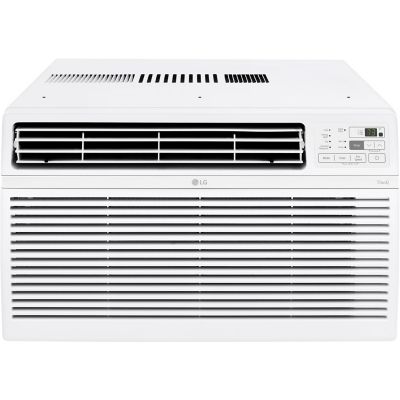
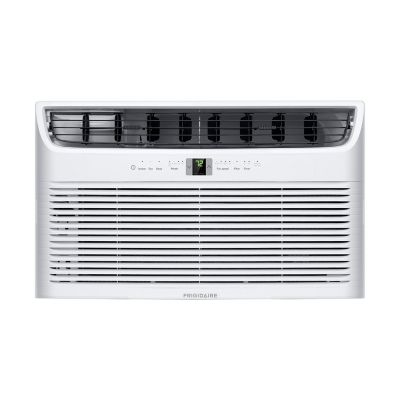
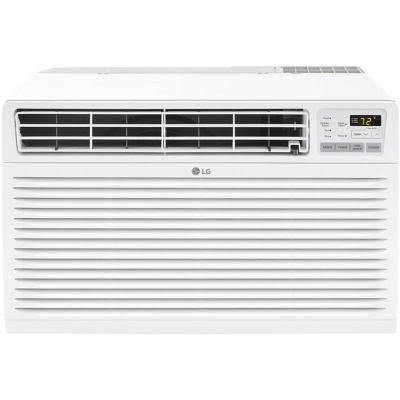
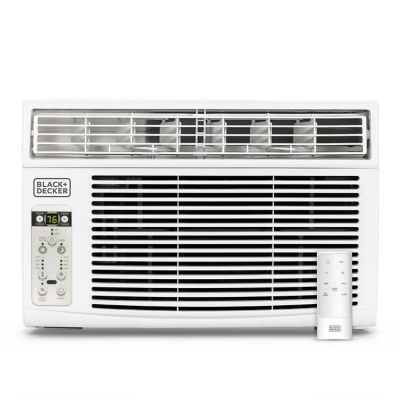
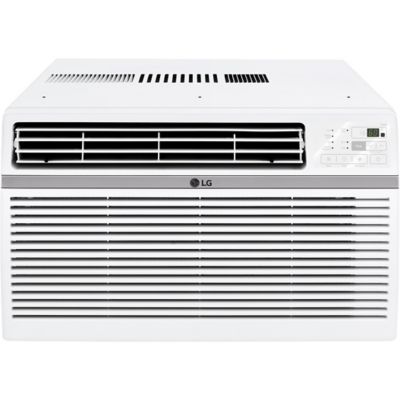
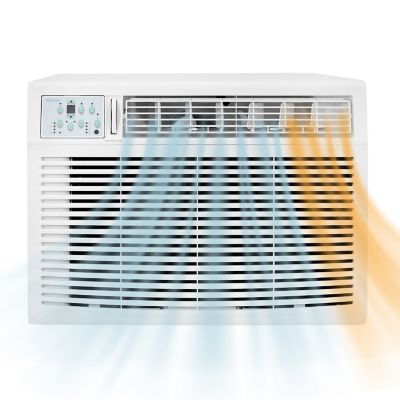
A 15,000 BTU air conditioner provides room-level cooling for larger living areas, open floor plans and other spaces that need more capacity than a small bedroom unit. Many models in this size range are rated for roughly 700 to 800 square feet, though the manufacturer’s stated coverage is the better reference for any particular unit. BTU stands for British thermal unit, and an air conditioner’s BTU rating describes how much heat it can remove per hour, not how much electricity it draws. That distinction matters in a farmhouse living room with afternoon sun pouring through the windows or a home office tucked beneath a roof with little insulation. Floor space is only part of the cooling load: ceiling height, window exposure, insulation, air leaks, nearby cooking appliances and the number of people in the room all affect performance. A shaded room with an eight-foot ceiling can have different needs from an equally sized room with a vaulted ceiling and west-facing glass. Open doorways also let cooled air spread beyond the intended space, while narrow halls and closed doors can keep it from reaching adjoining rooms. For that reason, one 15,000 BTU air conditioner should not automatically be treated as a whole-house cooling solution. These units make sense for homeowners cooling a main gathering room, renters with permission for the required installation, or folks keeping an enclosed hobby room comfortable. Proper sizing helps a unit cool steadily and remove moisture as it runs. Too little capacity can leave the compressor running for long stretches without reaching the set temperature; too much capacity in a small room can cause short cycles that leave the air feeling clammy. Variable-speed operation can help a compatible model adjust its output, but it does not replace matching the unit to the space. Published coverage, the room’s layout and the installation requirements together give a clearer picture than the BTU number alone.
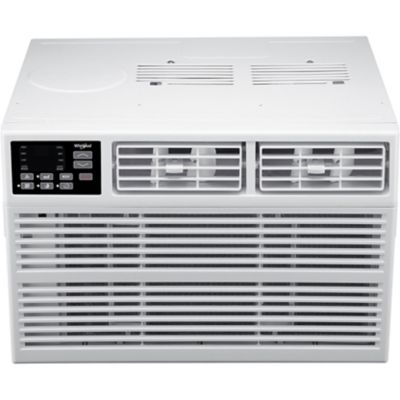
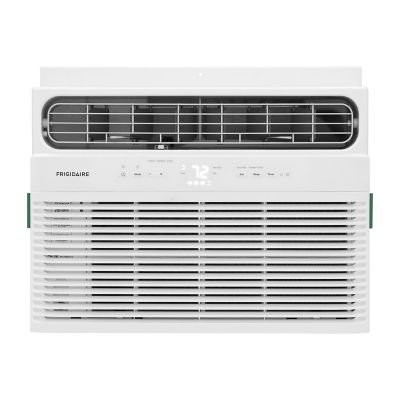
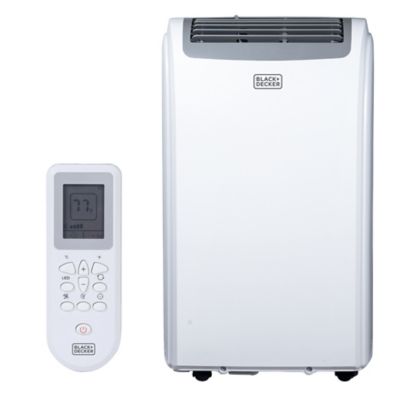
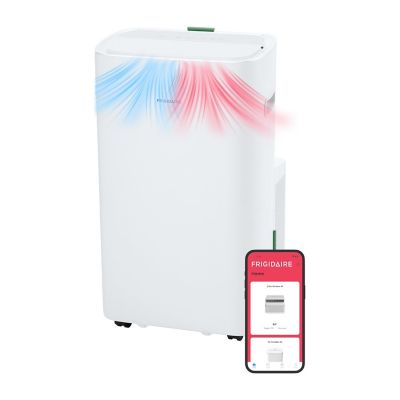
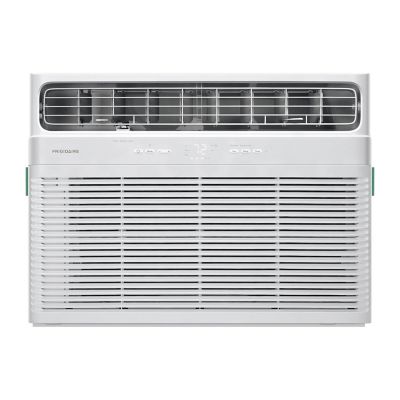
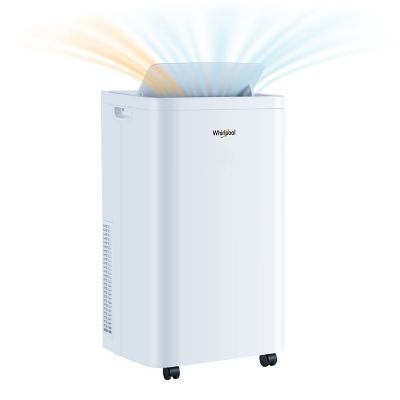
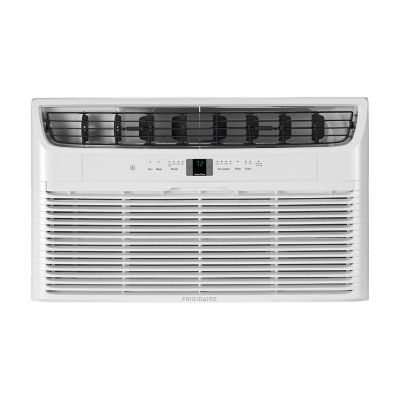
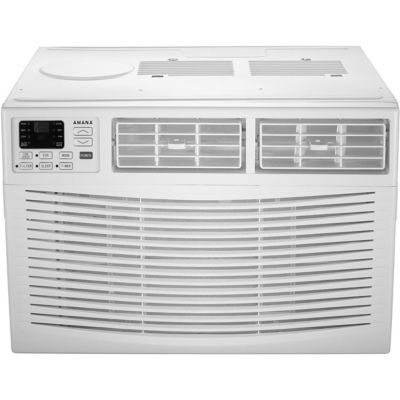
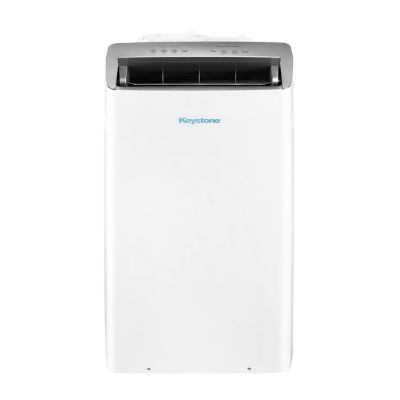
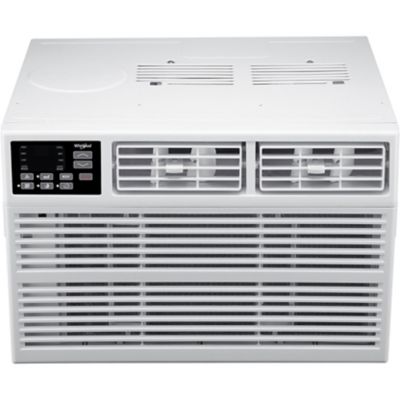
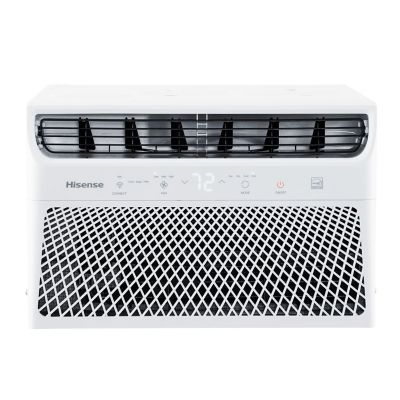
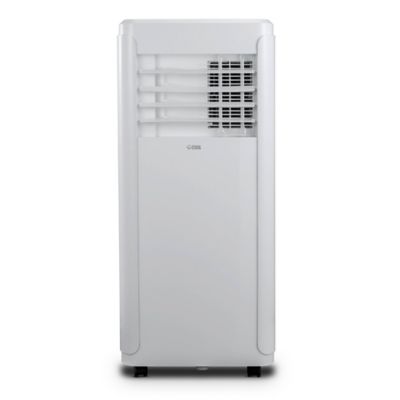
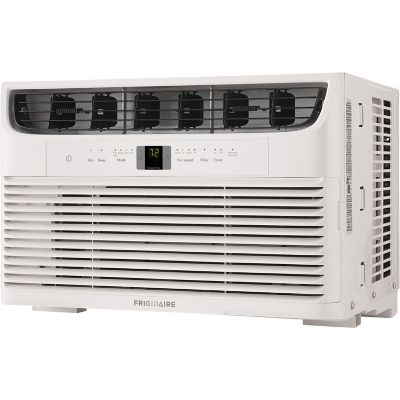
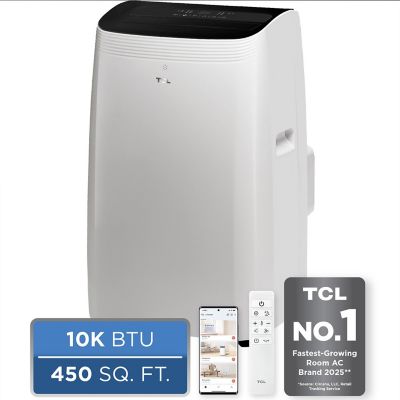
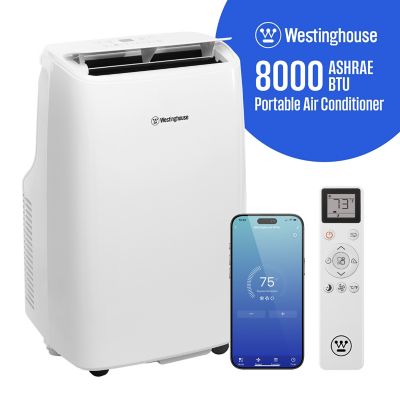
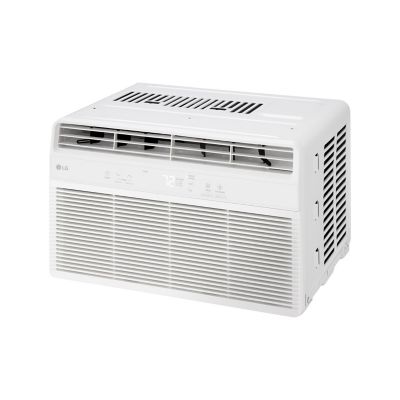
The right fit for a 15,000 BTU air conditioner includes the opening, the support beneath it and the electrical connection nearby. Window air conditioners place the heat-releasing portion outdoors and generally require a compatible window style, sufficient opening dimensions and secure mounting. A wide double-hung window is a different setup from a horizontal sliding window, so window type matters just as much as width. Cabinet depth, sash clearance and any required support bracket deserve attention before installation, particularly in an older house with deep trim or a storm-window frame. Through-the-wall units need an approved sleeve and the specified exterior clearances; a window model is not automatically suitable for a wall opening because its side vents may become blocked. Portable air conditioners sit inside the room but still need an exhaust connection to the outdoors, usually through a window kit. Their cabinets and hoses take up floor space, which can matter beside a recliner, under a worktable or along a narrow walkway. Dual-hose designs generally limit the amount of indoor air exhausted compared with single-hose designs, though actual performance depends on the model and setup. Portable units may display both an ASHRAE cooling rating and a lower DOE seasonally adjusted cooling capacity, or SACC. Comparing the same rating method helps prevent a misleading size comparison between two units. For a smaller enclosed room,
10000 Btu Portable Air Conditioners offer another capacity range to consider, with the same attention to rated coverage and venting. Electrical requirements also vary within the 15,000 BTU category. Some units operate on a 115-volt supply, while others require a different voltage or circuit arrangement. The nameplate and installation manual specify the voltage, amperage, receptacle and circuit requirements. A matching-looking outlet alone is not enough to establish compatibility. Air conditioners should connect as directed by the manufacturer, without a power strip or an improvised extension-cord arrangement. Substantial cabinet weight can also call for two-person handling and properly rated support rather than relying on the window sash alone.
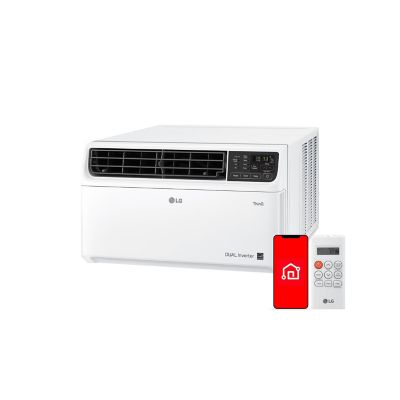
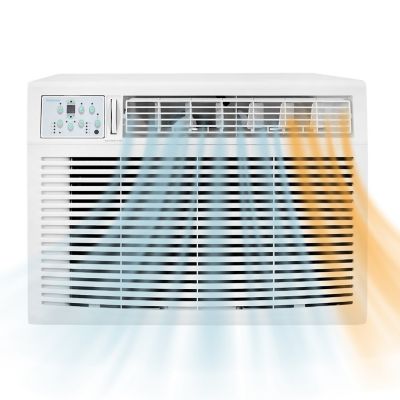
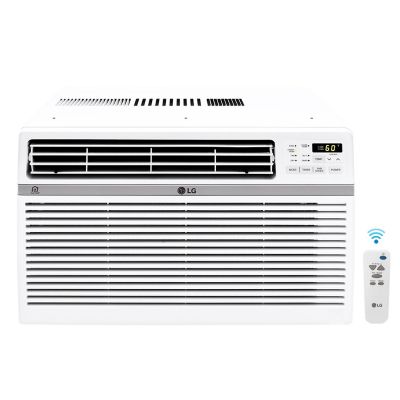
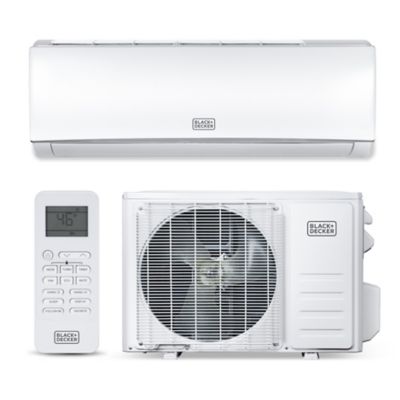
Everyday comfort comes down to more than getting the room cold. Adjustable louvers help direct air across an open sitting area instead of straight at the kitchen table, while multiple fan speeds let airflow match the activity in the room. A remote control can be handy when the unit sits behind furniture, provided nothing blocks the intake or discharge. Timers, sleep settings and electronic thermostats offer different ways to manage operation, and connected controls on some models allow adjustments through a compatible phone app. Those features vary, so the listed functions matter more than assumptions about what comes with a given cooling capacity. Sound deserves attention, too: a unit beside a television or in a room where someone takes phone calls may need a different noise profile from one in a separate recreation space. Published decibel ratings are most useful when compared at similar operating settings. Energy consumption likewise depends on the model, compressor operation, set temperature and cooling load; a 15,000 BTU rating does not establish a single wattage for every air conditioner. Listed input watts, efficiency ratings and EnergyGuide information provide firmer comparisons. Construction and care affect how well the equipment holds up over time. Metal cabinets, plastic grilles, finned coils and coated components each have a job, but protective finishes do not eliminate the need for clear airflow and regular cleaning. Dust from a nearby gravel drive, pet hair and household lint can collect at the filter, reducing airflow when allowed to build up. Washable filters need cleaning and drying according to the manual, while replaceable filters need the specified replacements. Outdoor vents should stay clear of leaves and other obstructions, and coil fins need gentle treatment to avoid bending. Condensate handling differs by design, so drainage, tilt and any drain-hose connection should follow the installation directions rather than guesswork. A sound installation, accessible filter and cooling capacity suited to the room help make a 15,000 BTU air conditioner a practical part of keeping a busy household comfortable.