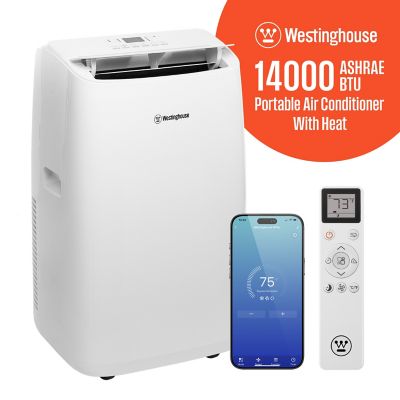
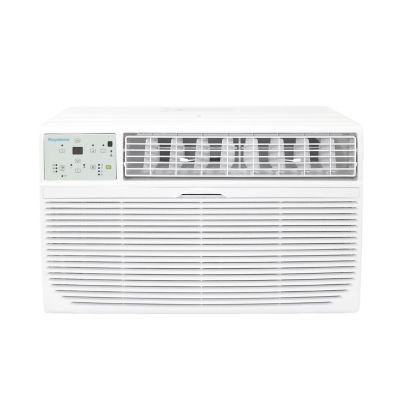
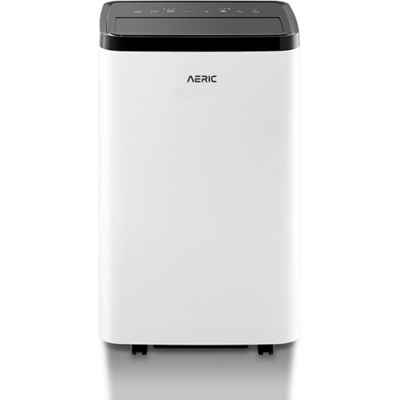
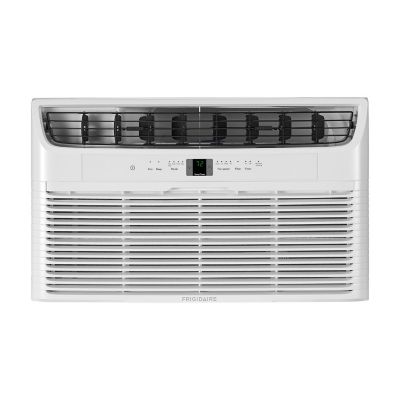
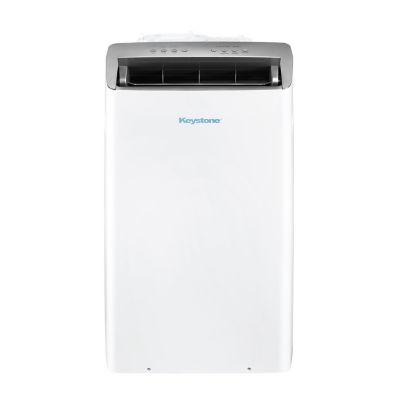
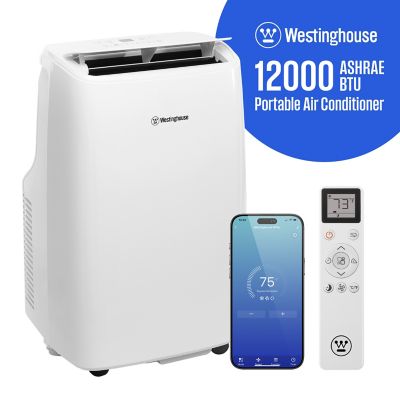
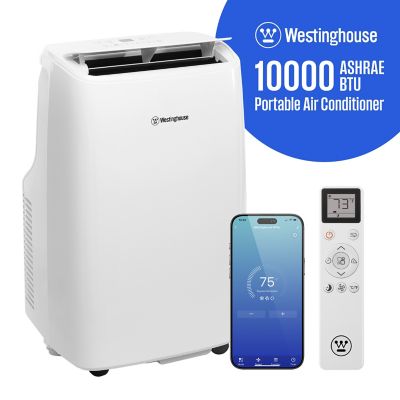
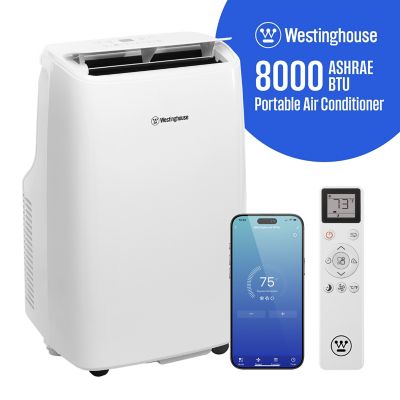
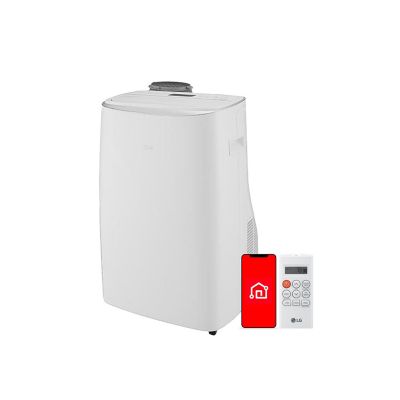
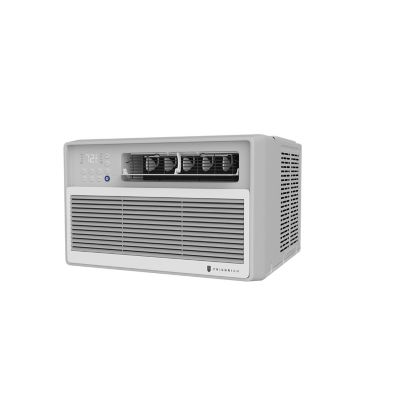
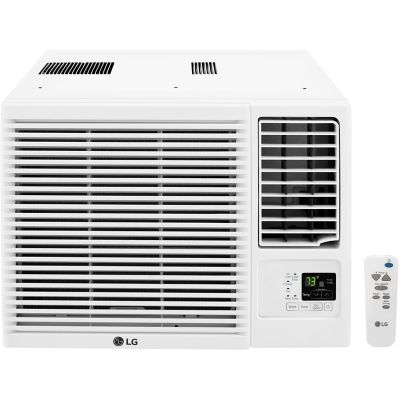
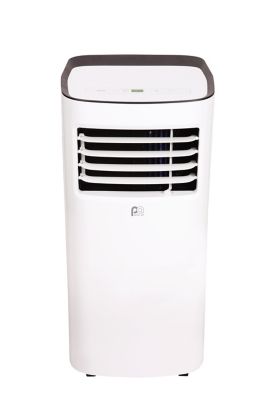
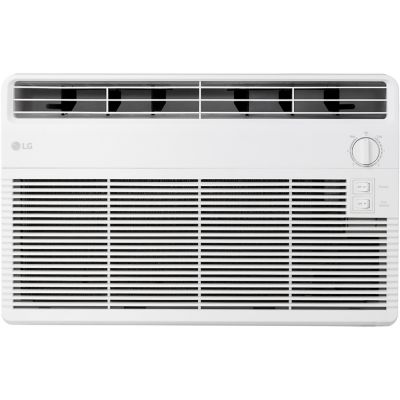
A 14,000 BTU air conditioner brings room-sized cooling to larger living areas, roomy bedrooms, home offices, and other enclosed spaces where a smaller unit may struggle to keep up. BTU stands for British thermal unit, and an air conditioner’s BTU-per-hour rating describes its cooling capacity, not how much electricity it draws. Many 14,000 BTU window air conditioners are rated for roughly 550 to 700 square feet, but the manufacturer’s coverage recommendation is the starting point for each model. High ceilings, strong afternoon sunlight, cooking heat, and several people sharing a room can all increase the cooling load. A shaded farmhouse living room with standard ceilings has different needs than a sunroom with glass on three sides, even when their floor measurements match. Layout matters, too: cool air moves more freely through an open living and dining area than through a hallway into separate bedrooms. These air conditioners work best in enclosed spaces with doors and windows shut, rather than in open barns, equipment sheds, or areas where large doors stay raised. For an enclosed hobby room or a detached office, insulation and air sealing matter as much as floor space. Portable air conditioners need an extra look at the rating label because a model advertised at 14,000 BTU under an ASHRAE test can have a lower DOE seasonally adjusted cooling capacity, often called SACC. Those figures come from different testing methods and should not be treated as interchangeable. Comparing the same rating type across portable models gives a clearer picture of their cooling performance. Matching capacity to the room helps balance comfort and moisture removal; a unit that is too large may cycle off before taking enough humidity out of the air. For a smaller enclosed room,
8000 BTU Air Conditioners offer another capacity range to consider, with coverage still depending on the model and the space.
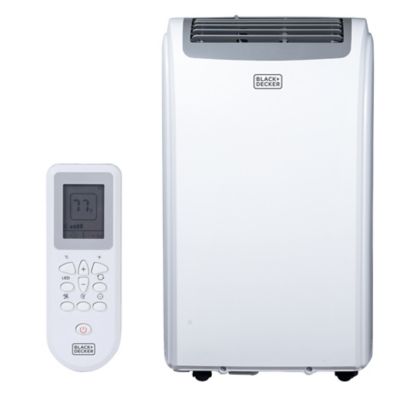
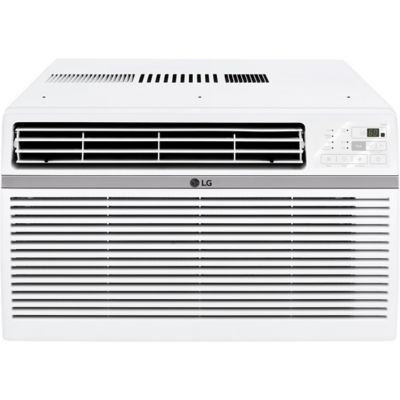
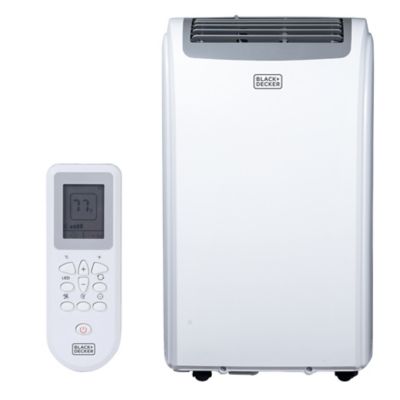
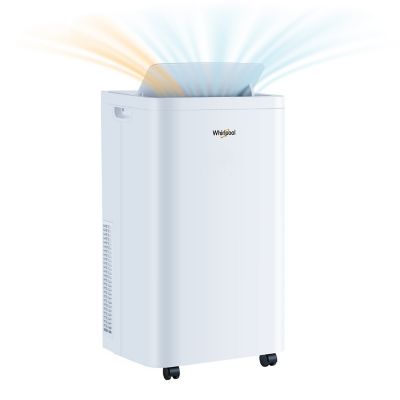
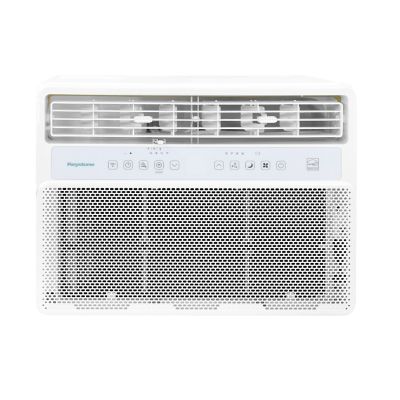
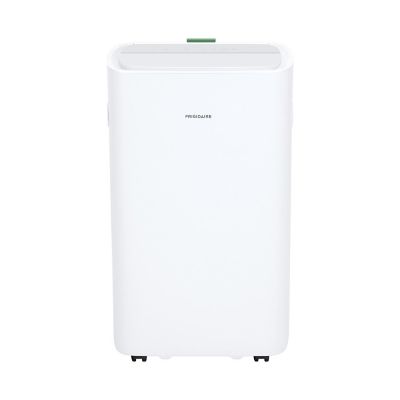
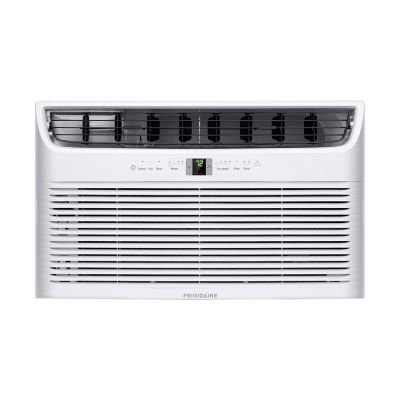
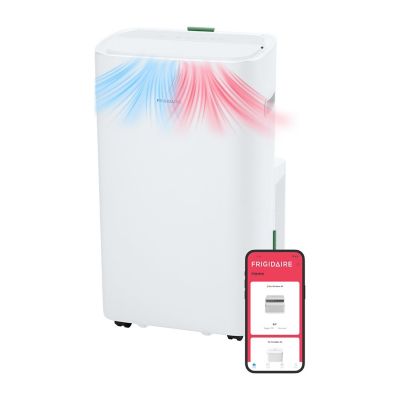
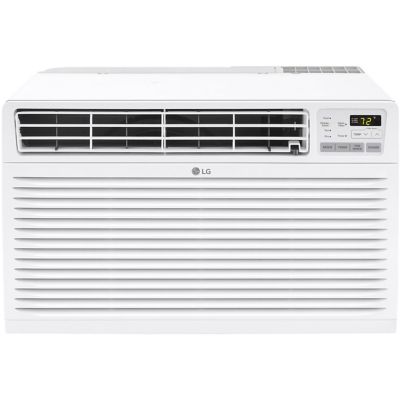
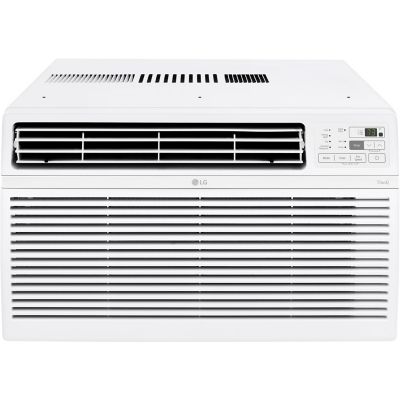
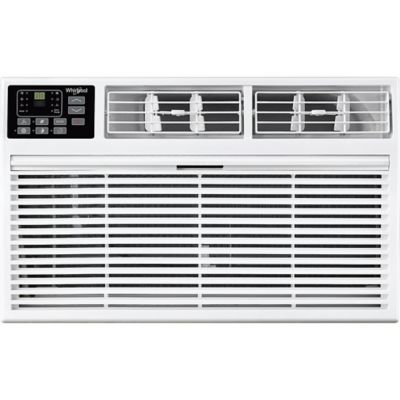
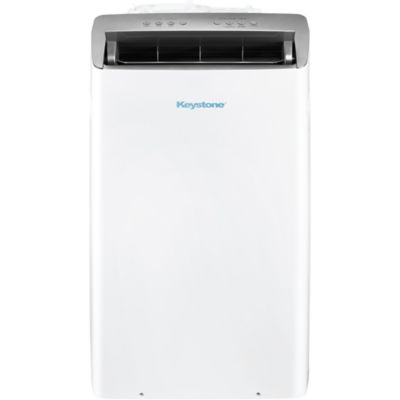
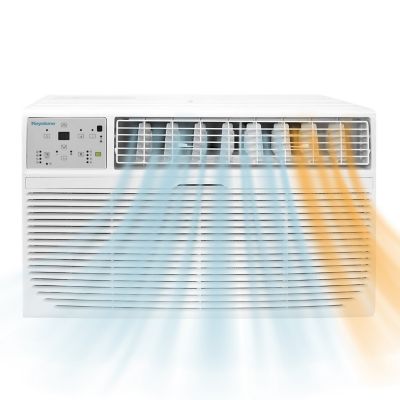
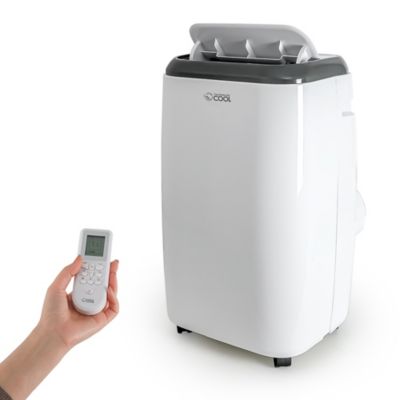
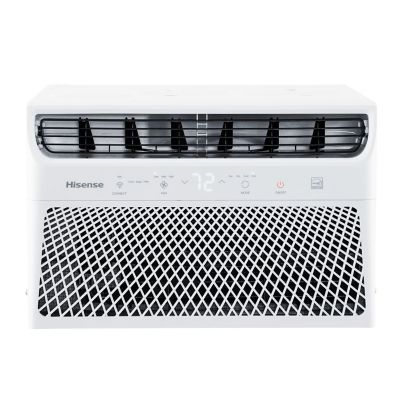
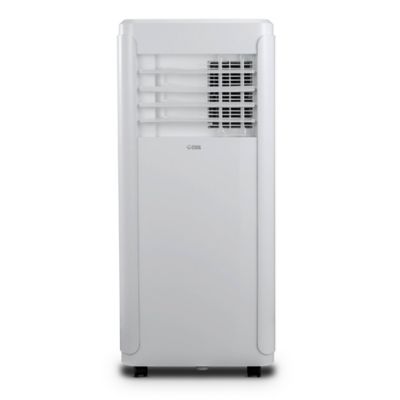
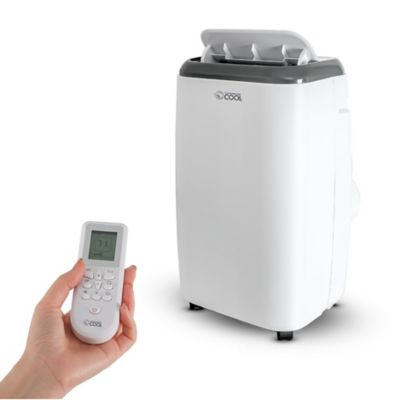
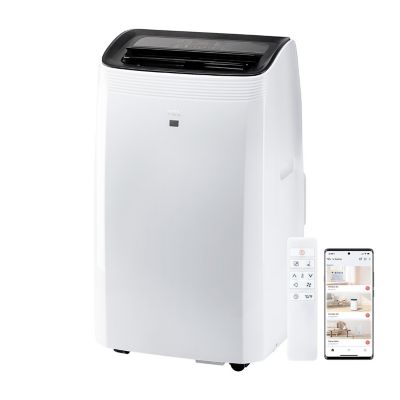
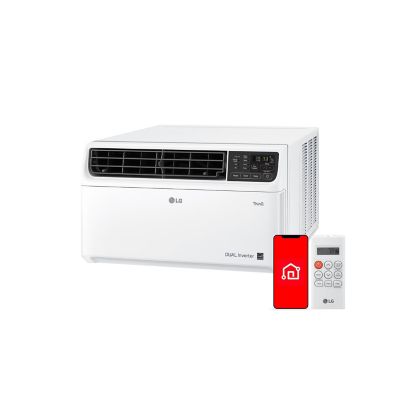
Window and portable designs bring different advantages to everyday cooling. A 14,000 BTU window air conditioner keeps most of its working components in the window opening, leaving the floor clear for furniture, foot traffic, and the dog’s favorite sleeping spot. Its fit depends on the window’s width, opening height, style, and structural condition, along with any required mounting bracket or support. Many standard window units are designed for double-hung windows, while sliding and casement windows may need a different configuration. Metal cabinets, protective grilles, and molded control panels are common construction features, but proper support and a snug installation do plenty of the work in protecting the unit and keeping outside air from slipping around it. A portable air conditioner stands on the floor and sends heat outdoors through an exhaust hose and window kit. Casters make repositioning easier on level flooring, though the unit still needs a suitable window, nearby power, and room around its air intake. Moving one upstairs is a lifting job, not simply a matter of rolling it into another room. Single-hose portable units exhaust some indoor air, which can draw replacement air through gaps in the building; dual-hose designs generally limit that effect by separating the outdoor intake and exhaust paths. Neither style provides effective room cooling if its exhaust heat stays inside. Hose length, window-kit fit, and clearance requirements deserve attention in a room with deep sills or furniture beneath the window. Electrical requirements also vary, so the listed voltage, amperage, plug configuration, and circuit requirements need to match the installation location. These appliances generally require a grounded wall receptacle and should not run through a power strip or an ordinary extension cord. A properly sized unit with a well-fitted exhaust or window seal has a better chance of keeping the room comfortable without fighting heat that keeps sneaking back inside.
Everyday features shape how a 14,000 BTU air conditioner fits into life around the house. Adjustable louvers can direct air across a broad gathering room instead of blowing straight at the nearest chair, while multiple fan speeds offer more control over airflow and sound. A remote control is handy when the unit sits across the room, and a programmable timer can help match operation to a regular routine. Models with Wi-Fi controls may allow temperature changes from a compatible phone app, but app access, network requirements, and voice-control support vary. An inverter compressor can change its operating speed to better match demand rather than relying only on full-power starts and stops. Depending on the model and conditions, that can support steadier temperatures, lower electricity consumption, and less noticeable cycling noise. Published sound ratings are worth comparing for a bedroom, television room, or home office where a steady hum can become distracting. Energy-efficiency ratings also help distinguish cooling output from operating demands; a higher BTU number alone does not mean better efficiency. Cooling removes moisture from indoor air, and some models include a separate dehumidifying mode for damp-feeling rooms. Drainage arrangements differ, especially among portable designs, so a condensate tank, drain hose, or automatic evaporation system may affect placement and routine care. Even a portable unit that evaporates much of its collected moisture may need draining in humid conditions. Washable filters, where specified, need regular cleaning according to the manual, particularly in homes with shedding pets or dust tracked in from chores. A clogged filter restricts airflow and can make cooling less effective. Clear intake and outlet grilles, unobstructed outdoor components, and sound window seals help support performance over time. Before storage, portable units generally need draining and drying as directed, while removal of a heavy window unit calls for enough help to handle it safely. Storage in a dry, protected location helps keep hoses, seals, and electrical parts in good shape. The best fit brings together the room’s cooling needs, a workable installation, straightforward controls, and maintenance that fits the household routine.