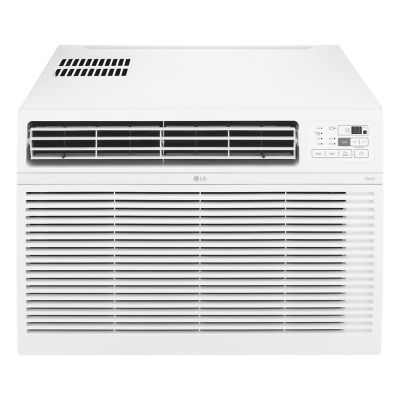
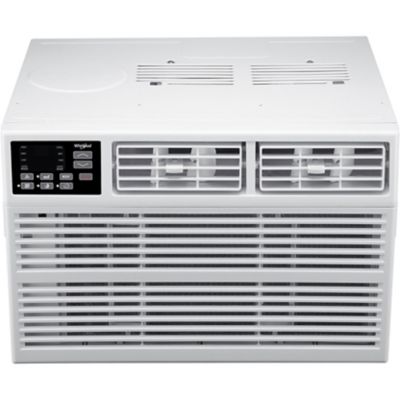
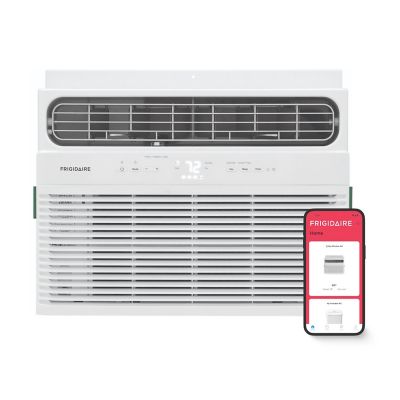
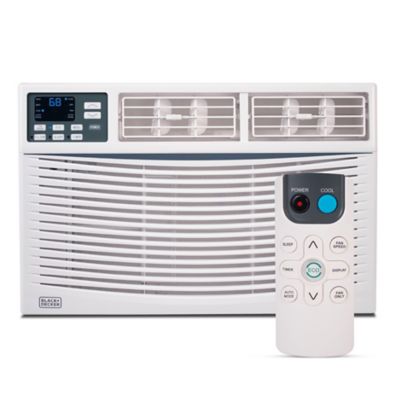
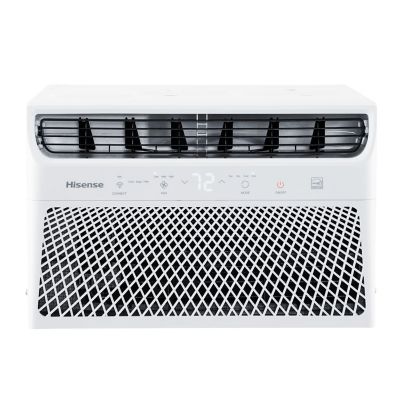
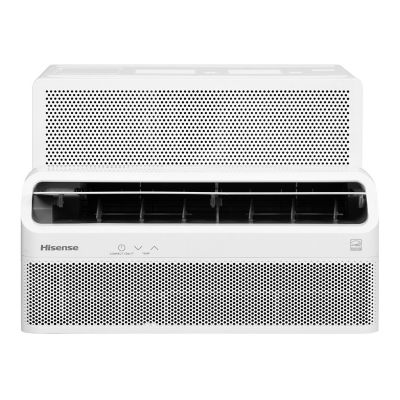
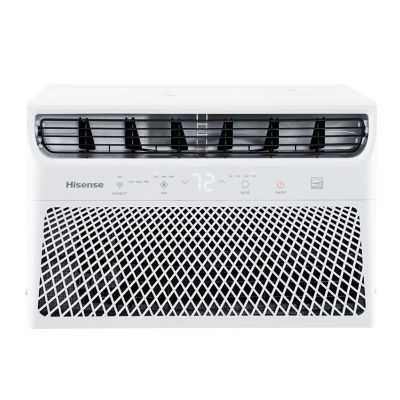
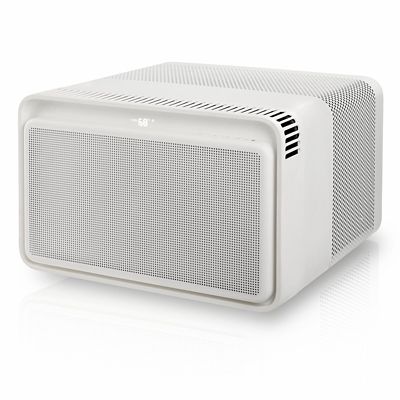
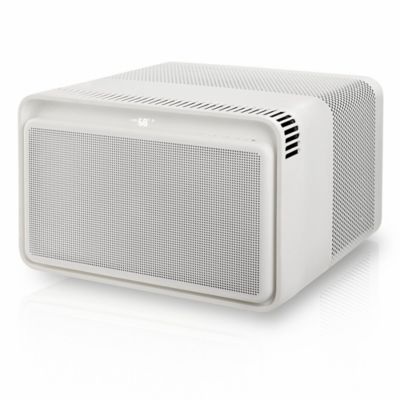
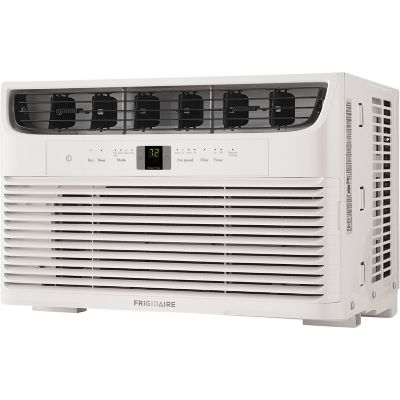
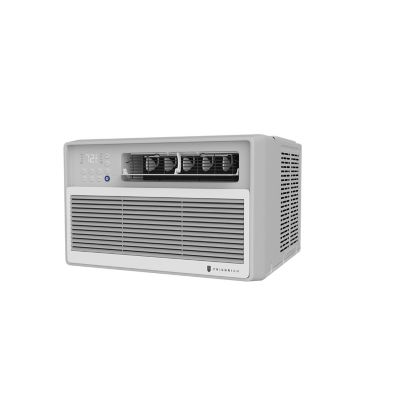
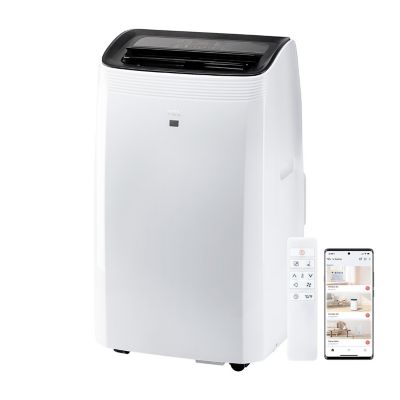
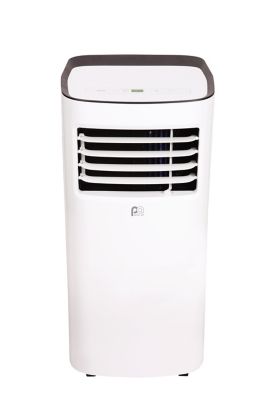
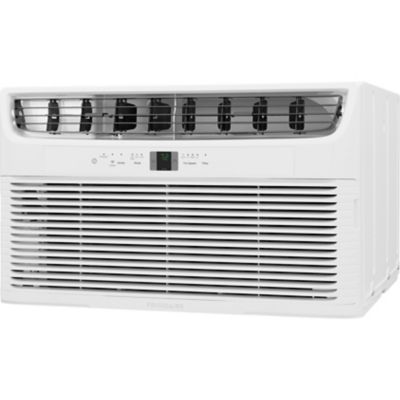
A 24,000 BTU window air conditioner brings substantial cooling power to a large room, open living area, or other enclosed space where a smaller unit may struggle to keep up. Many air conditioners in this capacity range are rated for spaces up to about 1,500 square feet, though the manufacturer’s stated coverage and the conditions inside the building matter more than that number alone. Tall ceilings, afternoon sun, thin insulation, and a kitchen that stays busy can all add to the cooling load. In a farmhouse with a connected kitchen and family room, for example, heat from the stove and sunlight through west-facing windows can make the space feel warmer than its square footage suggests. BTU stands for British thermal unit, and an air conditioner’s BTU-per-hour rating describes how much heat it can remove, not how much electricity it draws. The right capacity helps the unit cool steadily while pulling moisture from indoor air. An oversized unit can cycle off before removing enough moisture, leaving the room cool but clammy; an undersized one may run for long stretches without reaching the thermostat setting. These larger window units make sense for roomy gathering spaces, enclosed recreation rooms, and some finished workshops, provided the equipment is approved for the setting. They are not a substitute for ventilation or dust control in an active shop, and an open barn or garage with the doors raised will let conditioned air escape. Walls and narrow doorways also limit how far cooled air travels, so a single window unit should not be expected to cool every room in a divided floor plan. For a smaller bedroom, office, or separate sitting room,
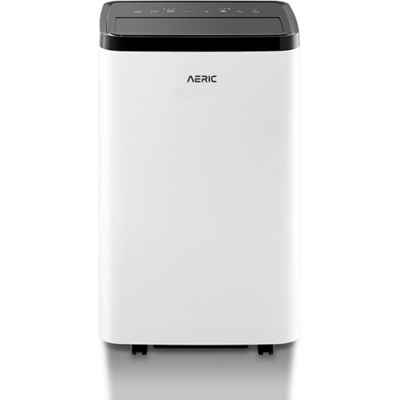
8000 BTU Air Conditioners offer a lower-capacity category worth comparing against the room’s measurements. Matching the equipment to the actual space is more useful than choosing the highest cooling rating.
Fit and electrical requirements are especially important with 24,000 BTU window air conditioners because these are large, heavy appliances. Many weigh more than 100 pounds, and installation generally calls for at least two capable adults or professional help, following the manufacturer’s directions. Before installation, check the required window style, minimum and maximum opening width, minimum opening height, and the depth of the cabinet. A window that looks wide enough may still have a storm-window frame, deep sill, or other obstruction that interferes with mounting. Many designs fit double-hung windows, but compatibility with sliding or casement windows should never be assumed. A sound sill, secure mounting hardware, and any required support bracket are essential; the window sash alone should not be treated as adequate support. The cabinet’s outdoor section needs the clearances specified in the manual so it can release heat without interference from siding, shrubs, or a nearby porch wall. Most units in this capacity class require a dedicated 208/230-volt or 230-volt circuit rather than a standard 115-volt household receptacle. Voltage, circuit amperage, plug configuration, and any grounding requirements must match the appliance’s rating and installation instructions. An existing outlet is not enough to establish compatibility just because it sits close to the window. A qualified electrician can confirm the circuit and handle any necessary electrical work. Plan the installation around the supplied power cord, without an extension cord, power strip, or plug adapter. Where the design calls for an outward tilt, follow the specified angle so condensation drains as intended; do not drill drainage holes unless the manufacturer expressly directs it. Properly fitted side panels and weather seals help keep outdoor heat, insects, and drafts from working around the cabinet. Those details matter in an older country home, where uneven trim and a weathered window frame can leave gaps that are easy to overlook.
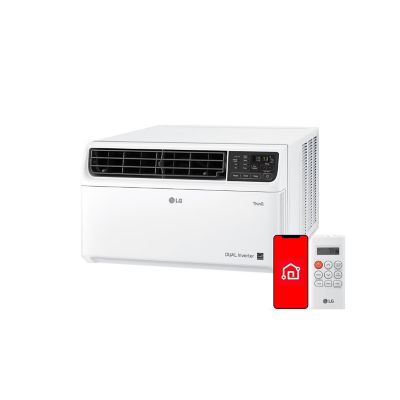
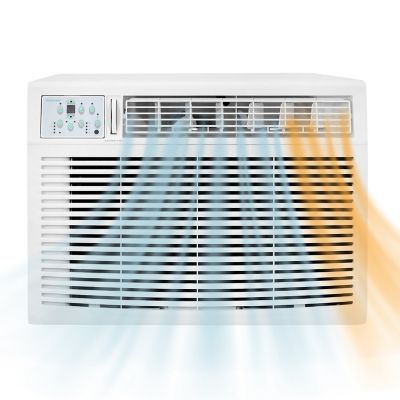
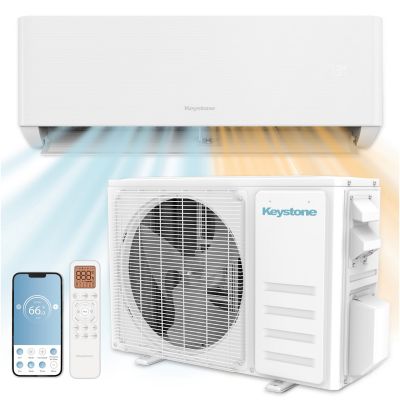
Day-to-day comfort depends on more than cooling capacity. Adjustable louvers help direct air across a broad room instead of straight at the nearest chair, while multiple fan speeds allow different airflow settings as indoor conditions change. Electronic thermostats, timers, sleep settings, and remote controls can make operation easier, although features vary by model. Some 24,000 BTU window AC units include Wi-Fi controls for adjusting settings through a compatible app, which requires the appropriate connection and setup. Others feature inverter-driven compressors that vary their output rather than operating only at full power or shutting off. That design can help maintain steadier temperatures and reduce some of the sound associated with repeated compressor starts, but published sound ratings remain the better basis for comparison. In a room where the television plays or the family gathers after chores, both fan noise and cabinet vibration deserve attention. Energy performance is another useful point of comparison: a higher combined energy efficiency ratio, or CEER, indicates greater efficiency under standardized testing. Actual electricity consumption still depends on the weather, thermostat setting, building envelope, and operating time. Metal cabinets and coil assemblies handle the work of moving heat outdoors, while molded front grilles and accessible filters make routine care more manageable. Keeping the filter clean according to the manual helps maintain airflow, especially where pets shed or dust comes in on work clothes and boots. Wash only filters identified as washable, let them dry as directed, and replace disposable filters with the specified type. Disconnect power before cleaning or servicing as instructed, keep water away from electrical components, and leave deeper repairs to a qualified technician. Outdoor coils and cabinet openings also need attention so leaves and debris do not block airflow. During cooler stretches, cooling may not be needed, and operation below the stated outdoor temperature limit can cause trouble. Heating is a separate feature, not something every window air conditioner provides. For seasonal removal, arrange help with the weight and follow storage directions; if the unit stays installed, maintain the window seal and follow the manufacturer’s guidance for protection while it is off.