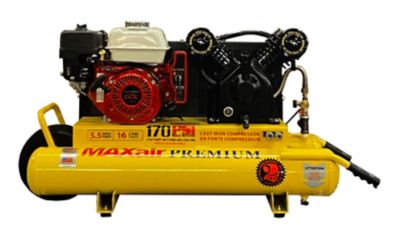
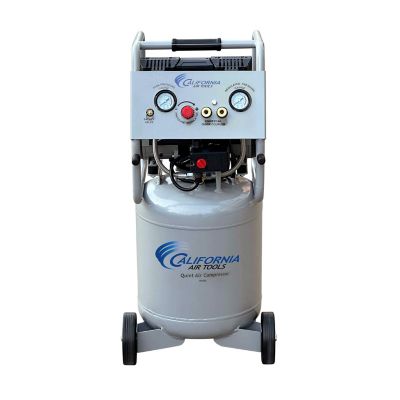
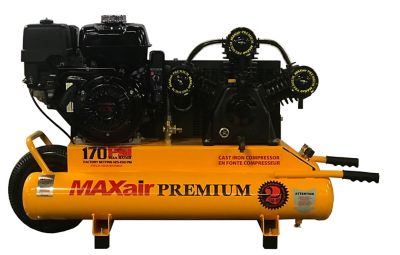
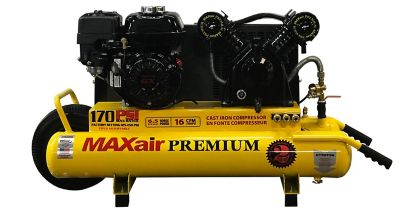
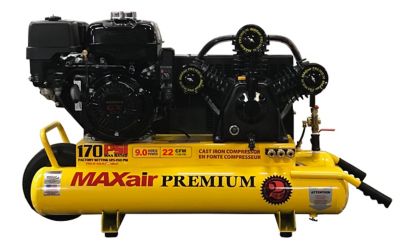
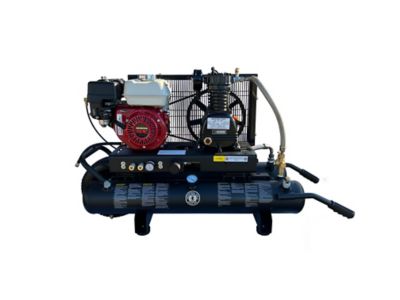
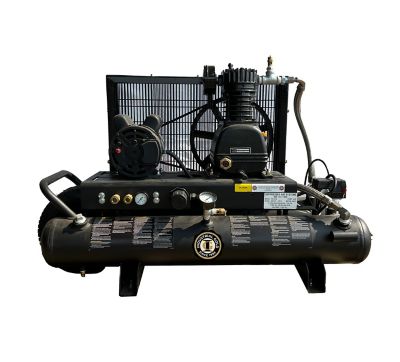
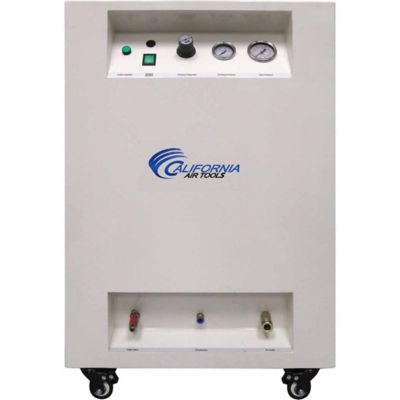
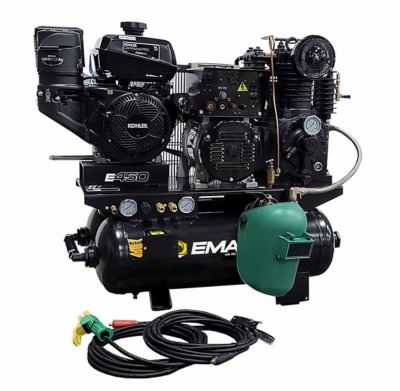
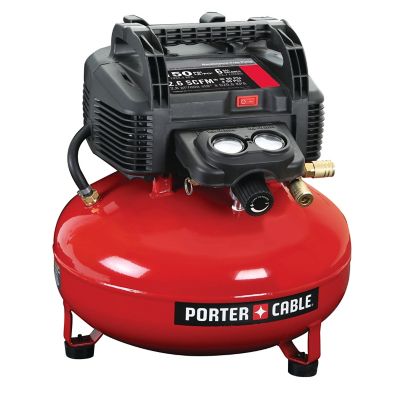
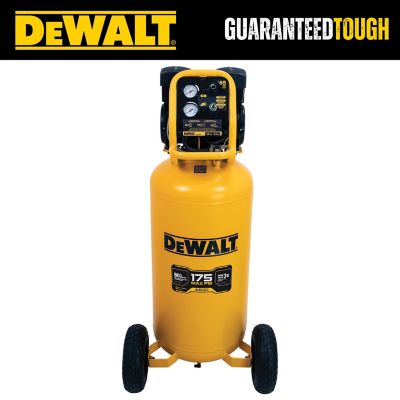
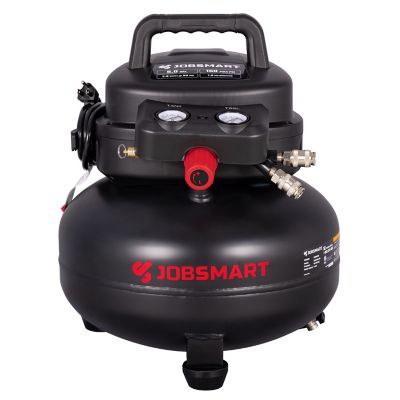
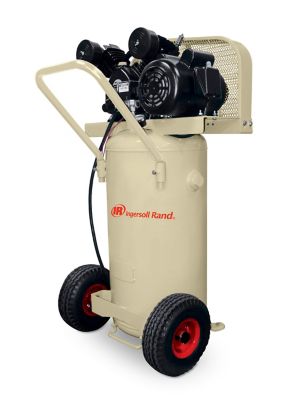
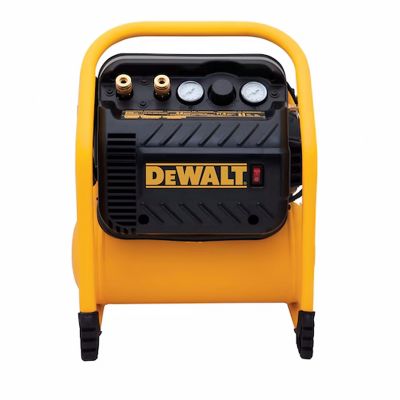
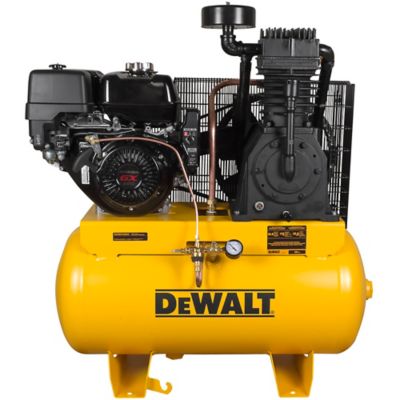
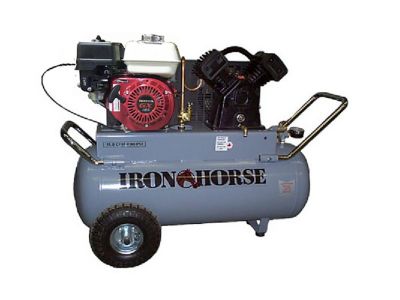
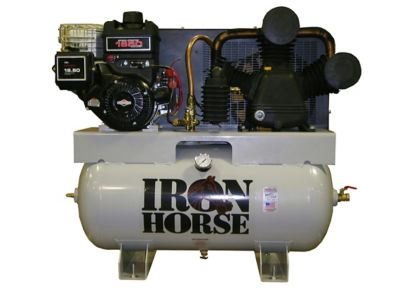
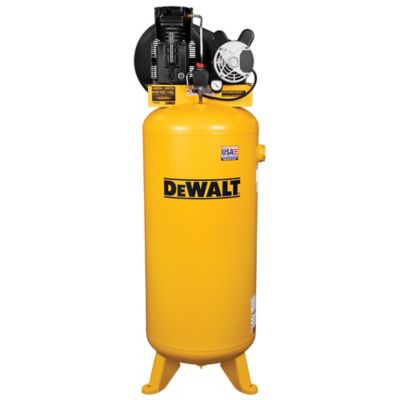
A 10-gallon air compressor is a handy middle-ground option for the garage, barn, home workshop or small job site. It offers more breathing room than a compact pancake compressor without taking up the floor space or making the commitment of a large stationary unit. Most models use standard 120-volt household power, making them practical for a garage outlet, shop wall or heavy-duty extension cord rated for the job. Tank capacities are generally large enough to store a useful reserve of compressed air, while built-in wheels and a pull handle make it easier to move around the property. Depending on the model, you may see maximum pressure ratings from about 125 PSI to 175 PSI, along with air delivery around 3.5 to 5.3 SCFM at 90 PSI. That air-delivery number matters more than tank size when you are matching a compressor to a tool, since it tells you how much air the pump can supply while the tool is working. A 10-gallon air compressor can be a solid fit for inflating truck, trailer, ATV and lawn equipment tires, blowing dust and grass clippings from workbenches, powering brad and finish nailers, running staplers and handling many light-duty fastening jobs. It can also help with trim work, fence repairs, cabinet projects and small building jobs where a portable source of air saves time and keeps cords out of the way. During the cooler months, it is useful for topping off tires before a trip, clearing debris from equipment and keeping a busy shop moving when outdoor chores slow down. Keep in mind that compressed air should be used with proper eye and hearing protection, and always check the tool manufacturer's pressure and air-consumption requirements before connecting it.
When comparing 10-gallon air compressors, start with the work you expect to do most often rather than choosing by tank size alone. A motor rated around 1.5 to 2 running horsepower is common in this category, but performance can vary by pump design, electrical setup and operating pressure. A compressor with a higher CFM rating at 90 PSI will generally keep up better with air-hungry tools than one with a lower rating, even if both tanks hold the same amount of air. Oil-lubricated pumps are often valued for durability and long service in a working shop, though they may be louder and require oil checks or changes. Oil-free pumps are easier to maintain and can be convenient for occasional use, especially when the compressor needs to be stored and ready without much fuss. Noise is another practical detail. Standard units may run in the upper 70s or 80s in decibels, while quieter designs can operate closer to normal conversation levels. That difference is noticeable in an attached garage, basement workspace or small shop where sound carries across the house. Tank shape also affects how the compressor fits your space. A horizontal, hotdog-style tank can slide beneath a bench or along a wall, while a vertical tank uses less floor space and may be easier to position in a crowded corner. Look for sturdy wheels, a comfortable handle, accessible gauges, a simple drain valve and a power cord that reaches your intended outlet. A compressor can make a thoughtful gift for a new homeowner, do-it-yourselfer, hobby mechanic or handy relative who is building a tool collection. It is especially useful for someone caring for several vehicles or pieces of outdoor equipment, since one machine can handle a broad range of small jobs around the place.
The main limitation of a 10-gallon air compressor is the amount of air it can deliver continuously. These compressors are well suited to intermittent tools such as nailers, staplers, blow guns and tire inflators, which use air in short bursts and give the tank time to recover. Light-duty impact wrench work may also be within reach when the tool's CFM needs match the compressor's output and the work is not nonstop. Continuous sanding, grinding, high-volume spraying and other demanding applications can quickly use air faster than a 10-gallon tank can replace it. For those jobs, a larger compressor may provide a better match; shoppers who need more reserve capacity can also compare
25 Gallon Air Compressors. No matter which size fits your work, routine care helps protect the investment. Drain moisture from the tank after heavy use and before storage, especially in damp weather or an unheated shop. Water naturally collects as air is compressed, and leaving it in the tank can encourage rust over time. Check fittings and hoses for leaks, keep the intake filter clean and follow the owner's instructions for oil, belt, pump and safety-valve maintenance. Give the compressor room for airflow, set it on a stable surface and avoid placing it where dust, hay or sawdust can be pulled into the intake. With sensible tool matching and a little upkeep, a 10-gallon unit can become one of those dependable shop helpers that earns its place beside the workbench—from airing up a trailer tire before heading down the road to fastening trim, cleaning equipment and handling the everyday fixes that come with country living.