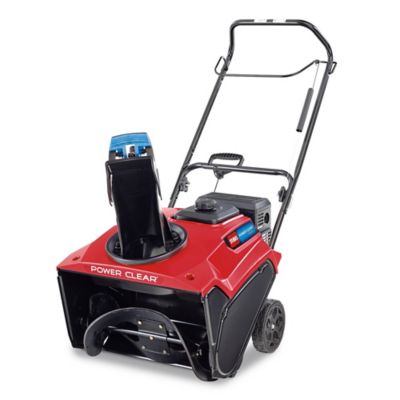
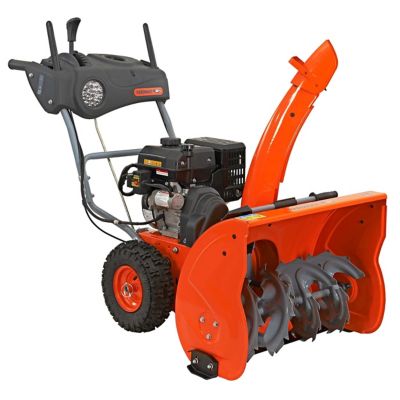
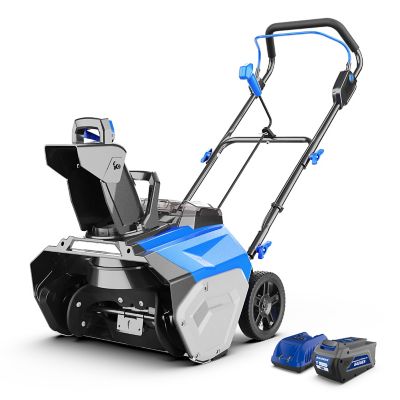
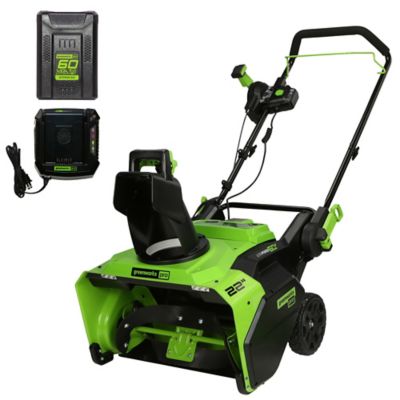
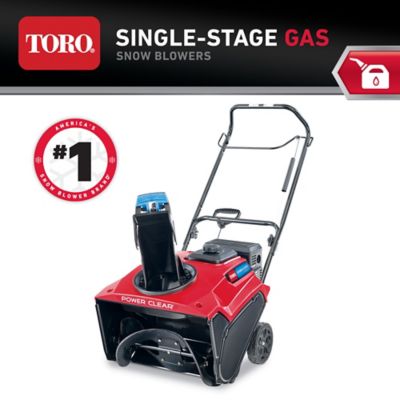
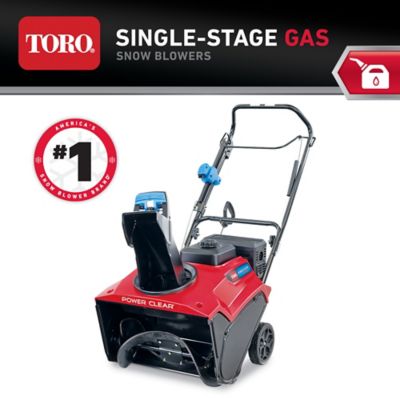
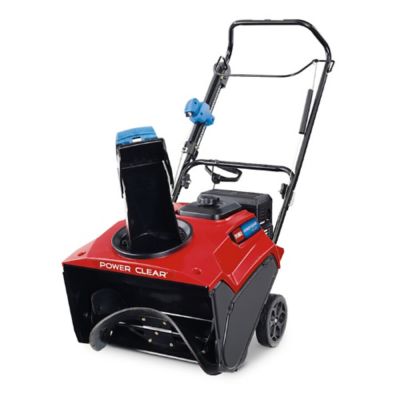
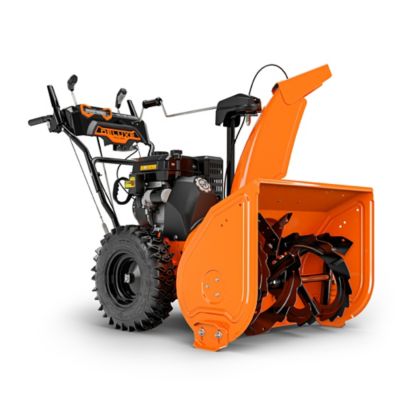
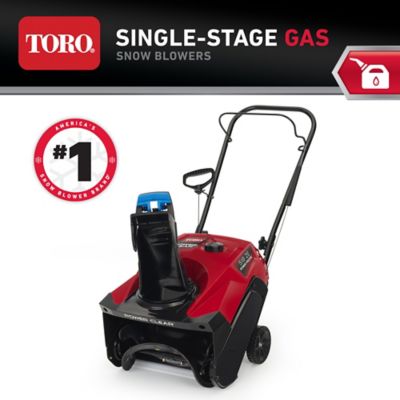
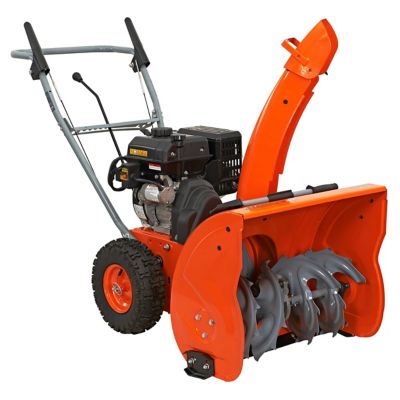
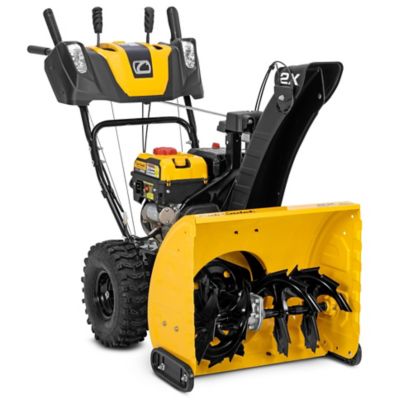
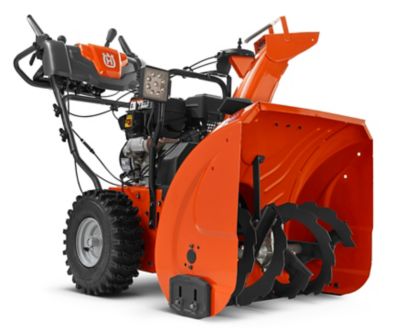
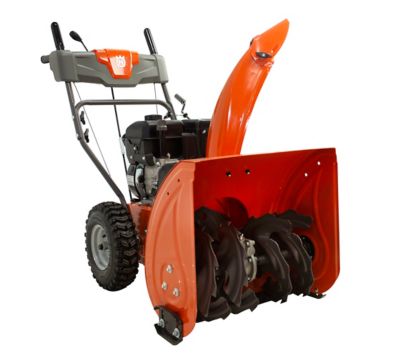
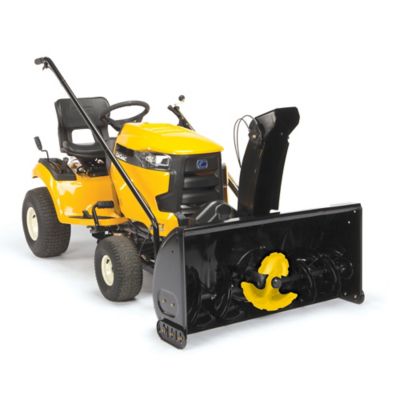
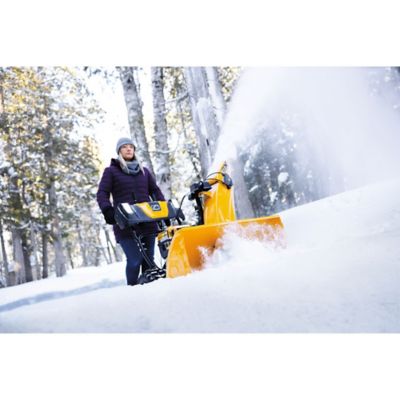
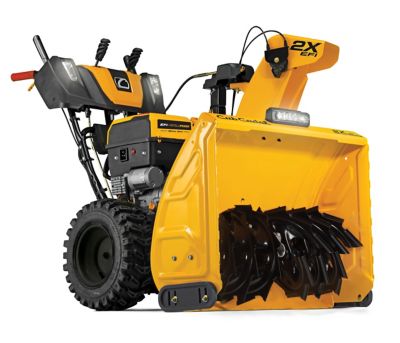
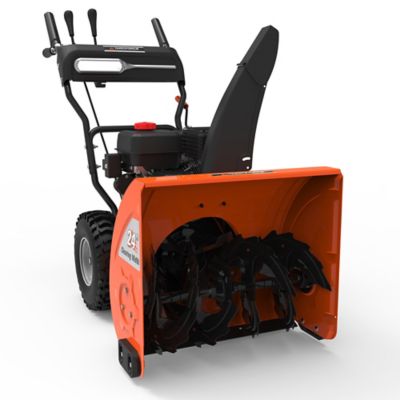
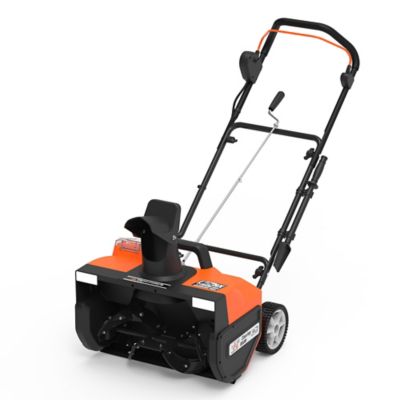
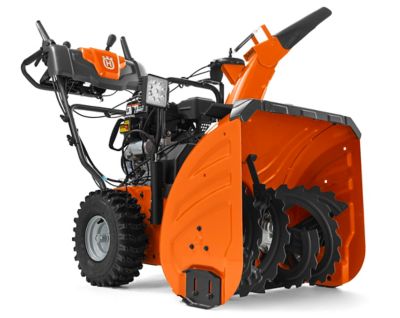
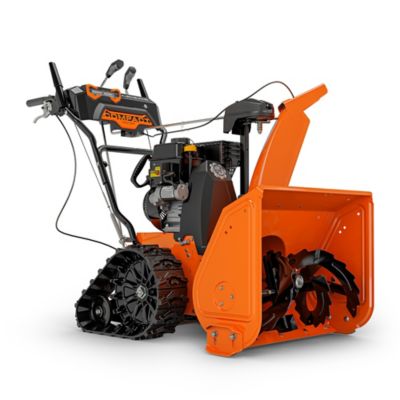
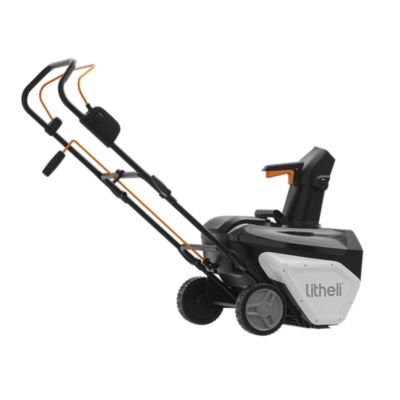
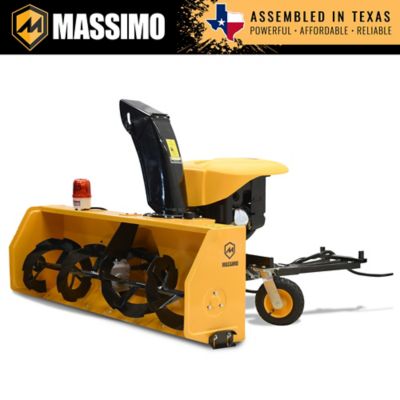
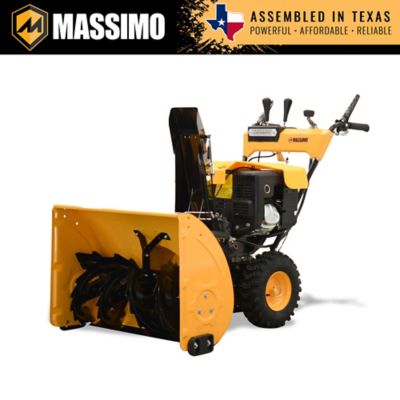
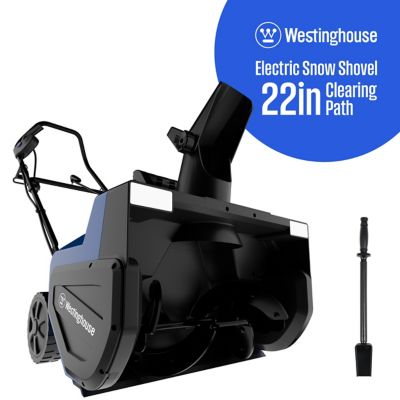
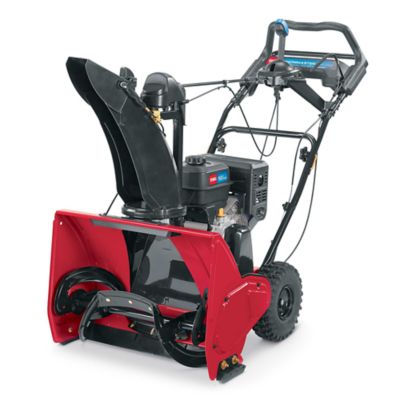
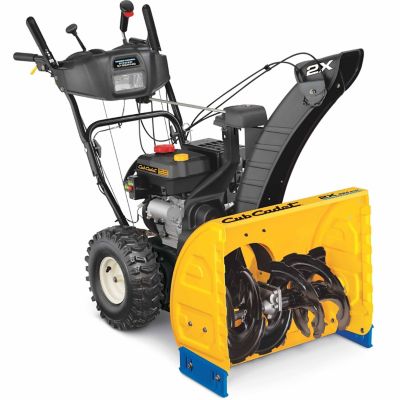
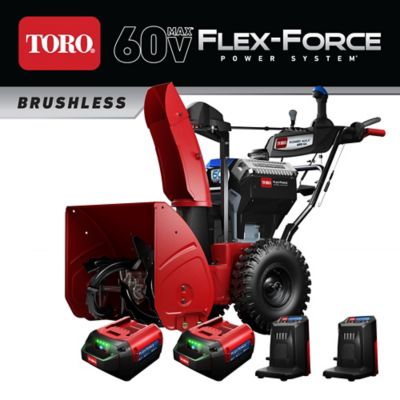
Choosing the right snowblower starts with taking a good look at the ground you need to clear and the kind of snow that settles there. A compact single-stage snowblower can be a handy fit for a smaller paved driveway, front walk, porch steps, or a path to the barn, especially where snowfall is light to moderate and storage space is limited. These machines are generally easier to maneuver and carry, making them useful for older homeowners, first-time snowblower owners, and anyone who would rather not wrestle with a full-size machine. Cordless electric models are especially convenient for quick cleanup because they do not require gasoline, engine oil, or a pull cord. They also run with less noise, which is welcome when clearing snow early in the morning or near neighbors. Battery runtime depends on the temperature, snow depth, machine size, and battery capacity, so it helps to keep the battery fully charged and stored in a dry, temperature-controlled place. A spare battery can be useful for larger properties or back-to-back storms. Gas-powered snowblowers remain a practical choice for long driveways, heavier snowfall, and areas where snow can pile up faster than a small machine can handle. Two-stage models use an auger and impeller to gather and throw snow, making them better suited to deep, wet, packed, or windblown snow. Their larger clearing widths can reduce the number of passes across a driveway, while powered wheels make it easier to move through deep drifts. For a paved suburban driveway, a narrower machine may offer all the clearing capacity needed. On a gravel lane, a wider rural drive, or a property with several walks and outbuildings, added power, adjustable skid shoes, and a sturdy discharge chute can make a noticeable difference. Before choosing, measure the narrowest gate or doorway the snowblower must pass through, consider where it will be stored, and check whether the controls are comfortable to reach while wearing insulated gloves.
Snow conditions vary widely, and matching the machine to the usual weather can help prevent frustration. Light, powdery snow is generally easier to move than heavy snow that has thawed and refrozen. Wet snow can clog a discharge chute, while compacted ridges left by a plow may call for a stronger auger system and slower, steady passes. Hidden stones, sticks, toys, and chunks of ice can damage moving parts, so clearing the area before the first storm and keeping children’s items, hoses, and firewood out of the path is a worthwhile habit. On gravel, raise the skid shoes so the auger does not dig into the surface; on smooth pavement, lower settings may help collect snow more cleanly. Aim the chute away from roads, vehicles, windows, livestock areas, and neighboring walkways, and adjust the deflector to keep snow from blowing back into a cleared path. Features such as electric start, heated hand grips, LED lights, chute controls, and power-assisted wheels can add comfort when the driveway is long or the storm arrives before daylight. For anyone who finds turning a heavy machine tiring,
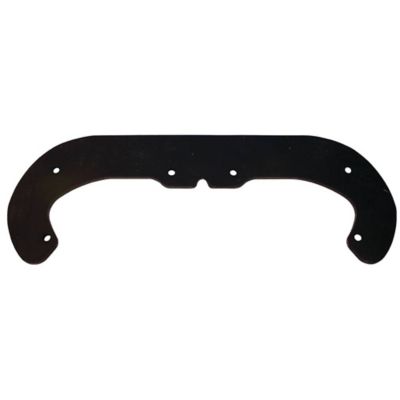
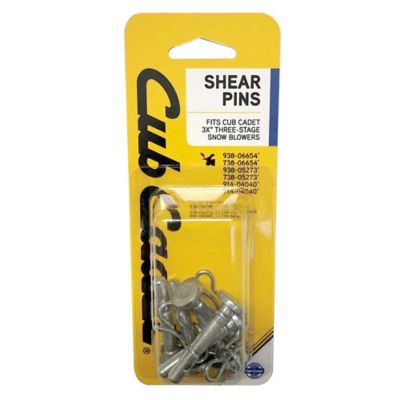
Power Steering Snow Blowers can make maneuvering around parked equipment, landscaping, and tight corners easier. A snowblower can also be a thoughtful gift for a new homeowner, a family member managing a rural property, or a neighbor who has been relying on a shovel for years. It is the kind of practical gift that earns its keep during the first serious storm, especially when paired with winter work gloves, fuel storage approved for outdoor power equipment, or a sturdy shovel for steps and narrow areas. When comparing options, look at clearing width and intake height, engine or motor power, throwing distance, drive speeds, tire size, chute rotation, warranty coverage, and the availability of replacement belts, paddles, shear pins, scrapers, and batteries. A machine with convenient controls is more likely to be used properly and safely than one with features that are difficult to understand in freezing weather.
A little preparation before the cooler months can make snow removal smoother and help the equipment last. For a gas snowblower, use fresh fuel suitable for the engine, follow the owner’s instructions for fuel stabilizer, and inspect the oil before operation. Check tire pressure, tighten loose hardware, and make sure the scraper bar, skid shoes, auger, belts, and shear pins are in good shape. Never put hands into the chute or auger housing, even when the machine is turned off; use the clean-out tool supplied with the equipment or a sturdy stick, and wait until every moving part has stopped. Remove the ignition key or disconnect the battery before clearing a blockage or checking the housing. Electric models need their charging equipment kept dry, and batteries should not be charged immediately after coming in from bitter cold until they have warmed to the temperature recommended by the manufacturer. After clearing, brush packed snow from the housing and controls so it does not freeze into place. Store the snowblower under cover, with the chute positioned to avoid collecting water, and keep fuel and maintenance supplies away from heat sources. It also helps to plan the route before the storm: mark low garden borders, raised edging, drain covers, and uneven pavement that may disappear under snow. Clear in manageable passes instead of forcing the machine through a drift, and leave enough room at the end of the driveway for plowed snow that may arrive later. With the right size, power source, handling features, and care routine, a snowblower can take the strain out of winter cleanup and leave more time for the parts of the season worth enjoying, from a warm drink by the door to a safely cleared path for family, pets, and farm chores.