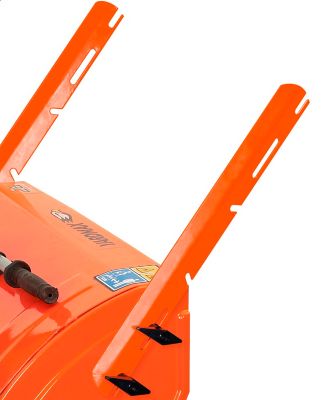
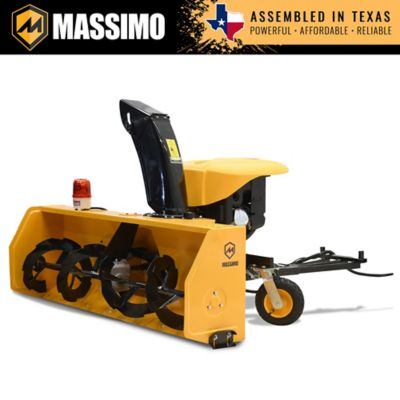
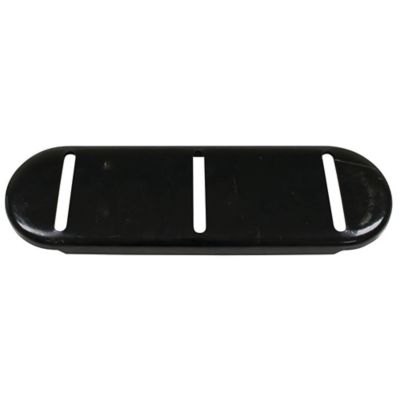
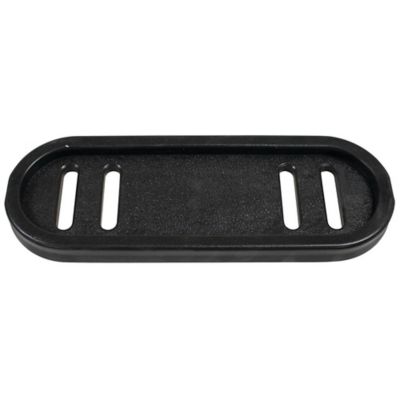
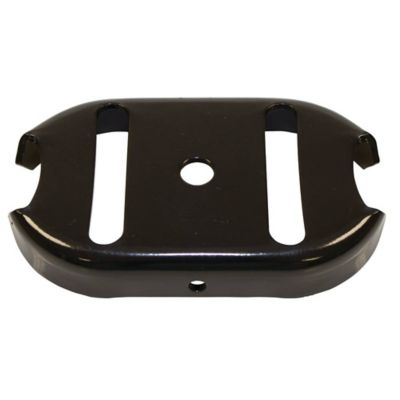
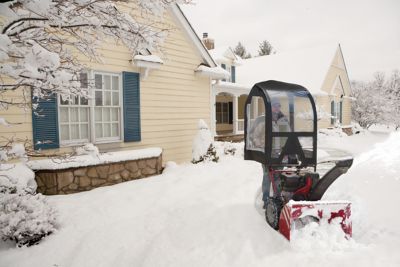
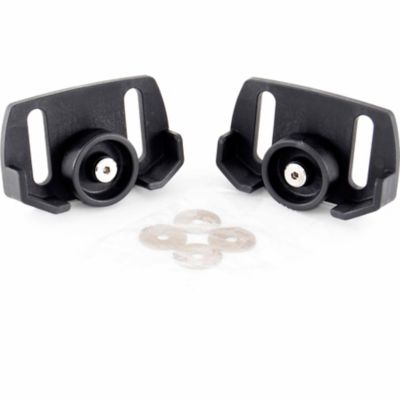
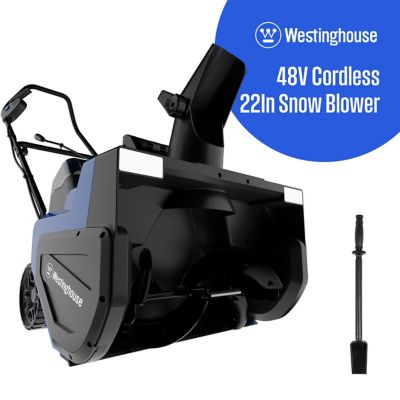
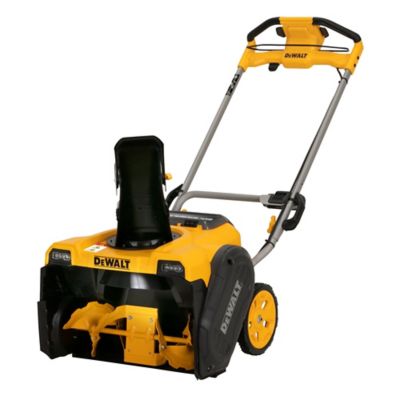
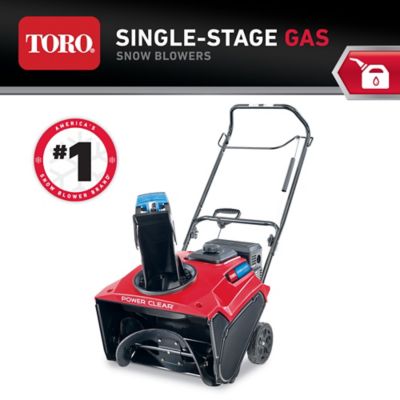
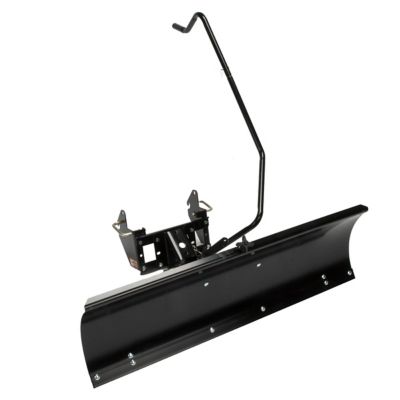
Snow blower attachments turn compatible riding mowers, garden tractors, compact tractors, and certain attachment-capable power heads into snow-clearing equipment. They gather snow with a rotating auger and move it through a discharge chute, helping clear driveways, parking areas, and paths without relying on a blade to push everything to the edge. The right setup depends on both the machine doing the work and the ground being cleared. A long lane leading from the road to a farmhouse calls for different reach and capacity than a short paved approach to a garage. Around a barnyard, space between gates, buildings, and parked equipment can matter just as much as clearing width. Wider attachments cover more ground with each pass, but they also need enough power, room to maneuver, and space for storage. Intake height helps determine how much snow the housing can take in, while the auger and discharge system influence how steadily it moves through the attachment. Two-stage designs generally feed snow toward an impeller that sends it through the chute; simpler designs move snow through a single-stage mechanism. Light, powdery snow behaves differently from wet, heavy accumulation, so clearing performance depends on snow conditions as well as equipment design. Throwing distance is not a fixed promise across every snowfall. Wind, moisture, snow depth, and the machine’s working pace all affect where the discharge lands. Steel housings and auger components are common on larger attachments, with painted or powder-coated surfaces helping protect exposed metal. Cutting edges, scraper bars, and skid shoes take much of the contact near the ground, making their construction and replacement options worth considering. For rural homeowners, acreage owners, and property caretakers, these attachments offer a way to put compatible equipment to work beyond mowing or field chores. They can be especially practical where several stretches need attention, from the house driveway to the approach outside a feed shed.
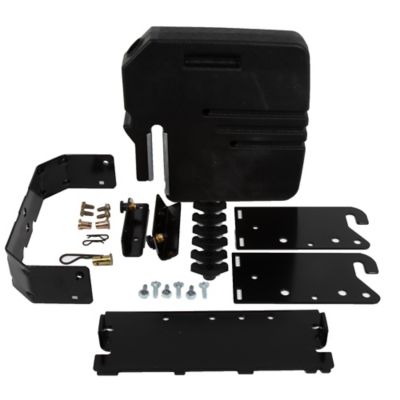
Fit is the starting point for any snow blower attachment, because a matching width alone does not establish compatibility. The host machine’s model, mounting points, power connection, lift system, and approved attachment requirements all matter. Some setups draw power through belts or shafts, while others depend on a tractor’s power takeoff or hydraulic system. Front-mounted attachments keep the clearing path ahead of the operator, while rear-mounted tractor arrangements have their own visibility and operating considerations. Certain rear configurations work while backing, and others are designed to pull snow forward, so the mounting position does not tell the whole story. Connection hardware, drive components, brackets, and control arrangements need to match the intended machine rather than simply look close enough. Required hitch dimensions, PTO speed, hydraulic flow, and machine power belong in the fit check wherever those specifications apply. Attachment weight also affects handling, and any ballast, tire chains, or traction equipment must follow the host machine manufacturer’s requirements. On a sloped gravel lane or an icy apron outside the shop, traction and balance deserve as much attention as clearing capacity. Chute rotation and deflector adjustment influence how easily snow can be directed away from windows, parked vehicles, walkways, and neighboring property. Controls that can be reached comfortably from the operating position reduce awkward stretching, especially when heavy gloves make small handles harder to grip. Lift range and transport clearance matter when moving across uneven ground or crossing between separate work areas. Gravel surfaces bring another consideration: where the design allows, properly adjusted skid shoes help keep the scraper edge above loose stone. That clearance does not make hidden debris harmless, and the surface still needs to be free of objects that could enter the auger. Lighting matters, too, when buildings cast deep shadows across a clearing path. Shoppers comparing an attachment-based setup with a separate machine can also explore
Snow Blowers With Lights for equipment with built-in illumination.
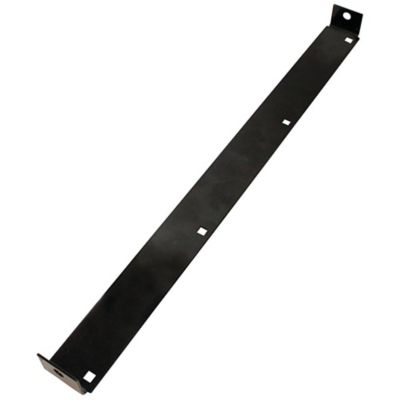
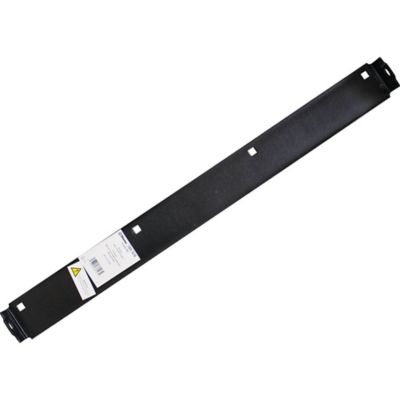
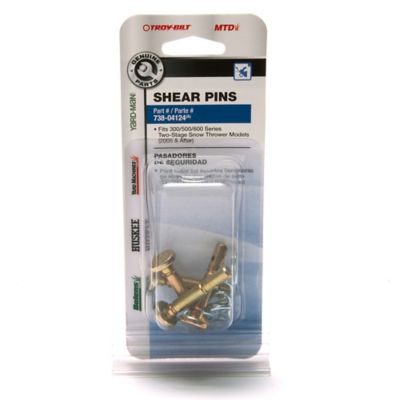
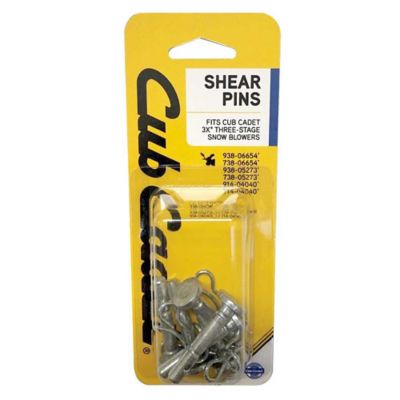
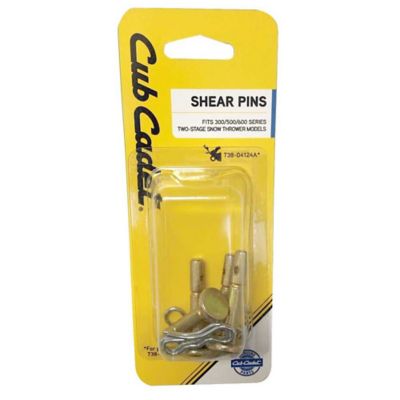
Long service life comes from matching the attachment to its workload and giving wear points regular attention. A machine clearing a broad paved drive faces different ground contact than one working along a gravel approach, where stones and uneven spots can wear scraper edges and skid shoes faster. Packed snow left inside a housing can freeze solid between jobs, and road salt carried into the driveway can speed corrosion on exposed metal. Care requirements vary by design, but removing accumulated snow, following cleaning directions, and allowing components to dry help keep the attachment ready for its next outing. Inspection points may include belts, chains, bearings, fasteners, cutting edges, hydraulic connections, and drive shafts, depending on the system. Lubrication intervals and storage preparation should follow the equipment manual, especially for gearboxes and moving joints that are easy to overlook. Where shear bolts or shear pins protect the drive system, the specified replacement matters; substituting an ordinary bolt can defeat that protection. Maintenance and blockage removal require the machine to be shut down, the power source disengaged, and all moving parts stopped, with the manual’s safety procedures followed. A proper clearing tool, rather than a hand, belongs near a clogged chute. Storage space is another practical part of ownership. A sheltered spot with a stable floor makes it easier to keep mounting hardware together, protect connection points, and line up the attachment when it is time to reconnect. Outside dimensions include more than clearing width: the chute, hitch framework, and drive assembly can all add to the footprint. For a household sharing equipment duties or a caretaker moving between buildings, manageable controls and straightforward attachment connections can make ownership less of a chore. With the right machine match, suitable ground clearance, and consistent care, a snow blower attachment can help keep everyday routes open—from the driveway entrance to the space where feed, firewood, and equipment need to move.