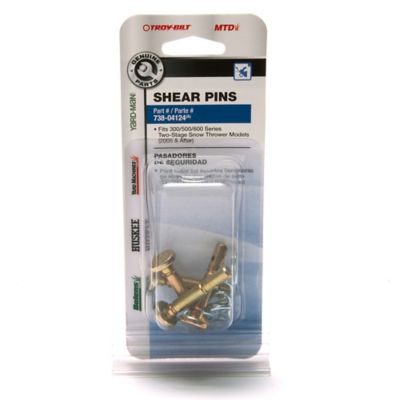
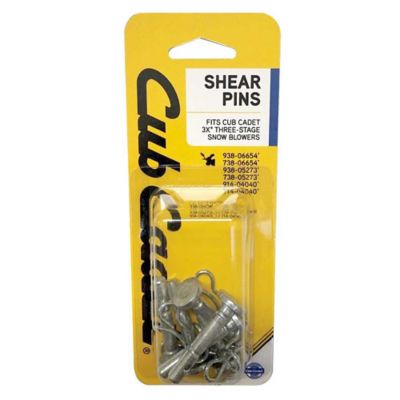
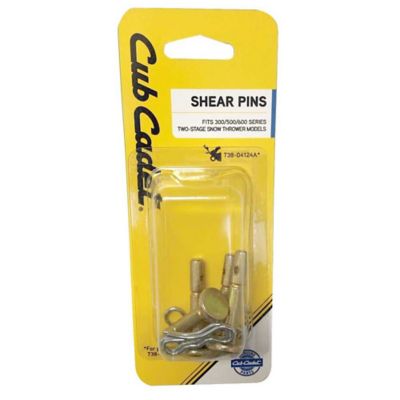
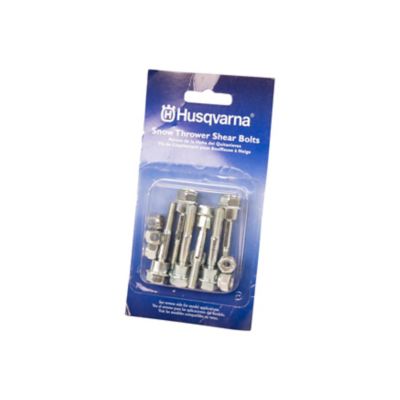
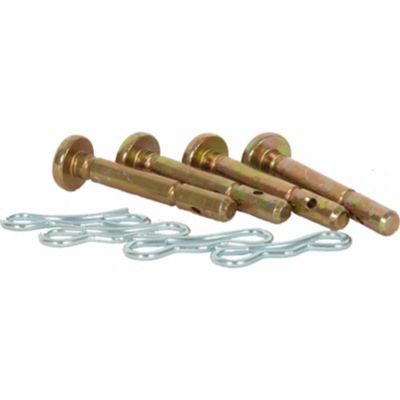
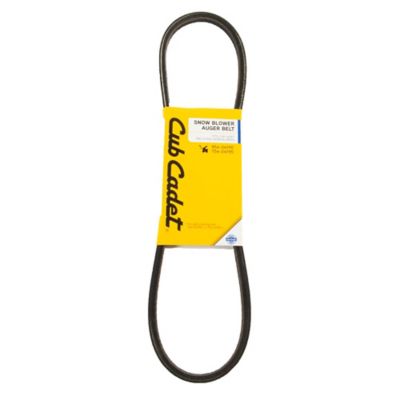
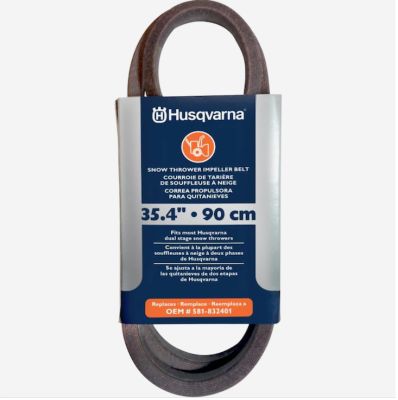
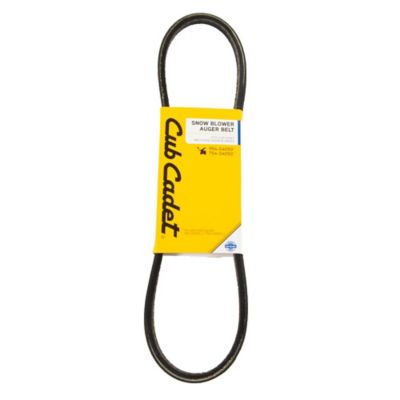
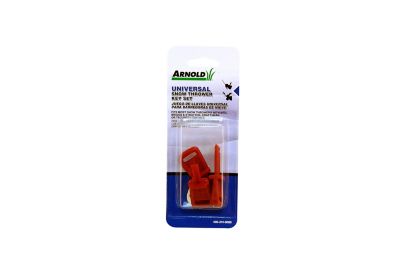
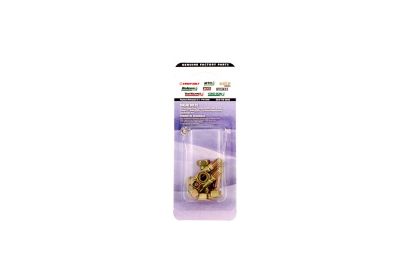
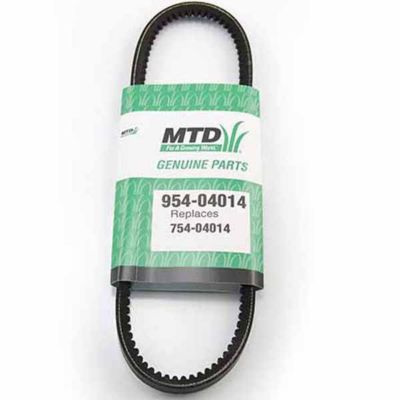
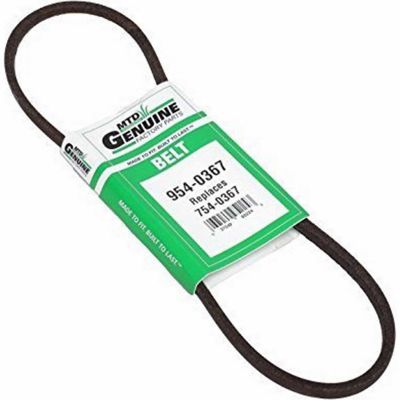
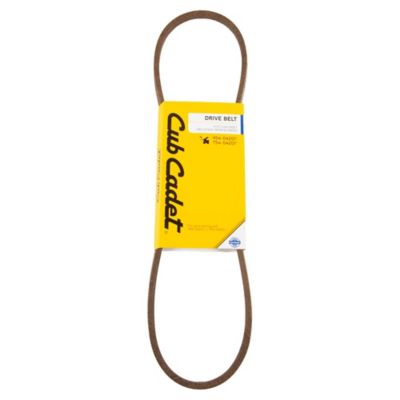
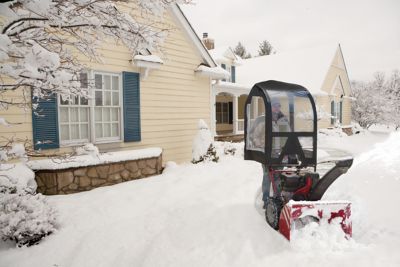
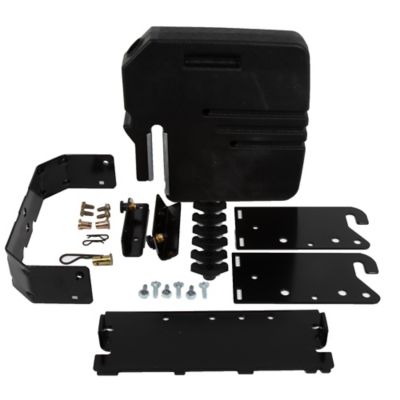
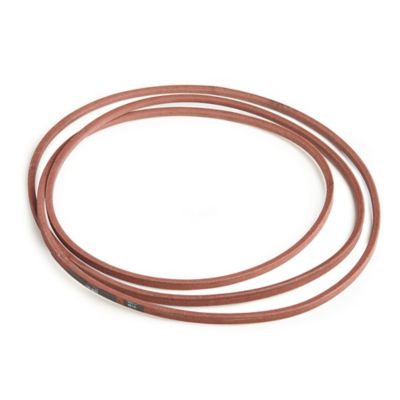
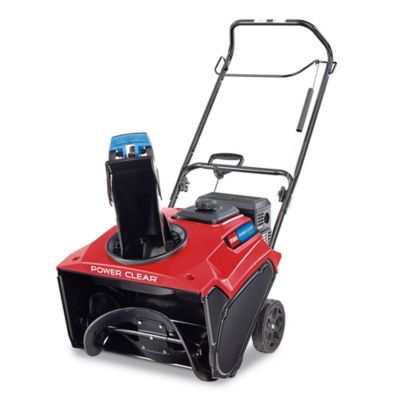
Snow blower replacement parts help keep snow-clearing equipment ready for the driveway, the walk to the barn and the stretch between the house and the shop. Common replacement categories include shear pins or shear bolts, auger and drive belts, scraper blades, skid shoes, rubber paddles and engine ignition components. Each serves a different job, so the right match depends on both the machine and the work it handles. Shear pins and shear bolts are designed to break at designated points when an auger encounters an obstruction, helping protect more costly drivetrain components. Their diameter, length and breaking characteristics matter; an ordinary hardware bolt is not a substitute for the fastener specified by the equipment manufacturer. Auger belts transfer power to the snow-handling mechanism, while drive belts help power wheel movement on machines with belt-driven traction systems. Some snow blowers have separate belts for these functions, and belt arrangements vary by design. Single-stage, two-stage and three-stage machines also have different parts needs, as do gas-powered, corded electric and battery-powered models. Fit starts with the full model number, any applicable serial-number range and the original part number listed in the owner’s manual or parts diagram. Clearing width alone does not establish compatibility, and machines that look much alike can have different mounting points, shafts or belt paths. A replacement described for the same equipment family may still require a closer match to the machine’s production details. For a homeowner clearing a short paved drive, ground-contact wear may be the main concern. For someone opening a long lane or keeping access to livestock buildings clear, traction and snow-handling components may get more attention. In either setting, parts that match the original specifications help preserve the way the machine was designed to operate, without relying on a close-looking fit that may bind, slip or wear unevenly.
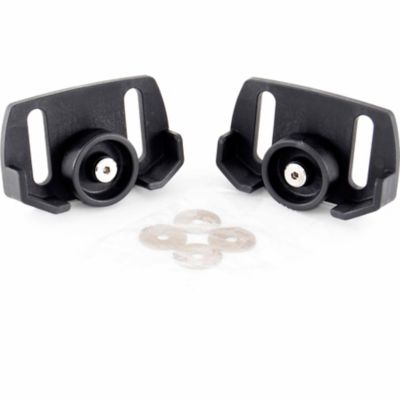
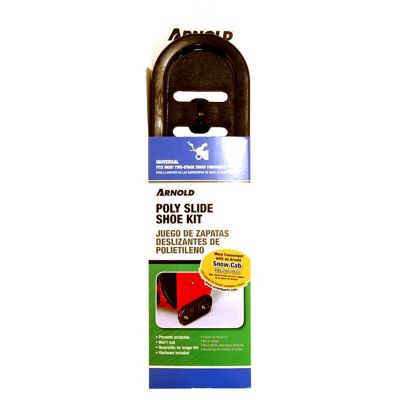
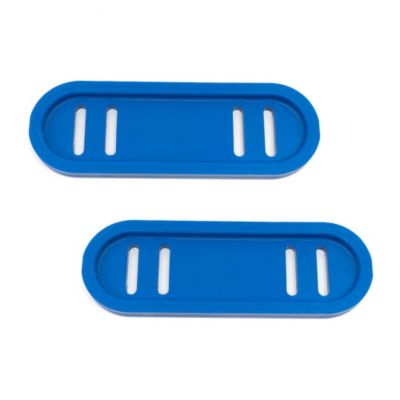
Ground-contact parts take much of the rubbing and scraping that comes with moving snow over pavement. Scraper blades, sometimes called shave plates, form the lower working edge of the housing and help remove snow close to the surface. Skid shoes support the sides of the housing on machines equipped with them, helping establish clearance between the scraper and the ground. Steel components stand up to repeated abrasive contact, while certain polymer skid shoes can reduce marking on sensitive surfaces when approved for the machine and application. Neither material is a universal fit: mounting-hole spacing, slot shape, thickness and left- or right-side orientation can all affect installation. A paved walkway and a gravel lane call for different operating clearances, and the manufacturer’s settings help keep the housing at the intended height. On gravel, extra clearance can help limit contact with loose stones, though no adjustment removes the need for care around debris. Rubber auger paddles on many single-stage machines flex as they work against the surface, and their shape, thickness and mounting pattern must match the original design. Worn paddles or a worn scraper can leave more snow behind, but the correct replacement depends on the machine’s wear limits rather than appearance alone. Belts bring another set of considerations. Their profile, length and construction affect how they sit in the pulleys and respond when the auger or traction control engages. A belt that is nearly the right size may still slip, drag or fail to release properly. Bearings, bushings and related hardware also need the right dimensions and load rating where applicable. Across these categories, service life depends on material, fit, adjustment and working conditions. Repeated pavement contact, gritty snow and hidden objects all add wear. Correctly matched parts, properly aligned components and care consistent with the equipment manual help keep that wear from spreading to neighboring components.
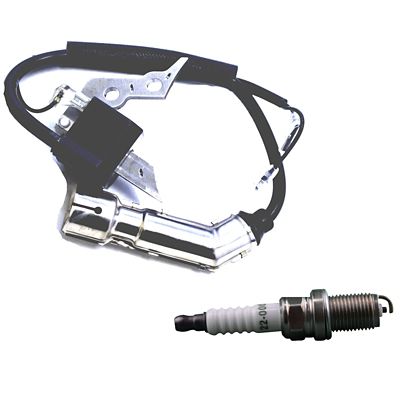
Gas-powered snow blowers have engine-service needs alongside their snow-handling and traction parts. Properly matched
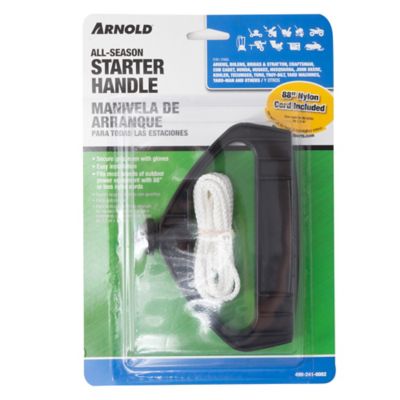
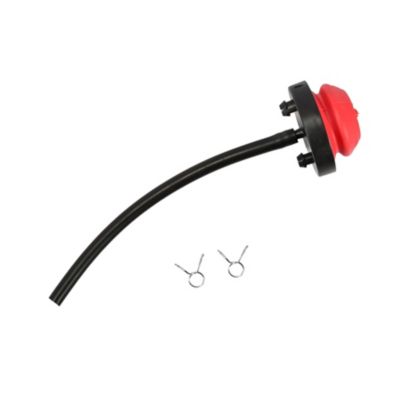
spark plugs for snow blowers support ignition by delivering the spark that starts combustion inside the engine. Thread size, reach, seat type, heat range and the specified gap all matter, and a plug that threads into place is not necessarily the correct match. Hard starting or rough running can have several causes, so a replacement plug is not a cure for every engine problem. Fuel-system components, recoil starter parts and electrical starting components likewise depend on the engine and equipment specifications. Battery-powered and corded machines have different service requirements, and engine parts intended for gas equipment do not apply to those designs. Across power types, sound replacement choices account for moisture, vibration and the repeated load of pushing into packed snow. Metal parts benefit from intact protective finishes where provided, while rubber and polymer components need protection from conditions that can cause cracking, distortion or premature wear. Care includes removing snow and debris as directed, allowing the equipment to dry and following the manufacturer’s lubrication and storage recommendations. Inspection and replacement work belong on a shut-down machine with moving parts fully stopped and power isolated according to the owner’s manual. Even a stopped auger can hold tension after a jam, making proper service procedures important. Keeping the manual and model information handy makes later parts matching less of a chore, especially when several pieces of equipment share space in the shed. A small supply of the correct shear fasteners can also be practical for a machine that regularly works near uneven ground, provided each replacement follows the original specifications. From clearing a path to the feed room to opening a driveway before the morning commute, the value of replacement parts comes down to a straightforward fit, the right material for the job and care that helps the whole machine keep working as intended.