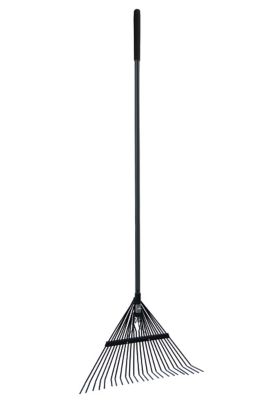
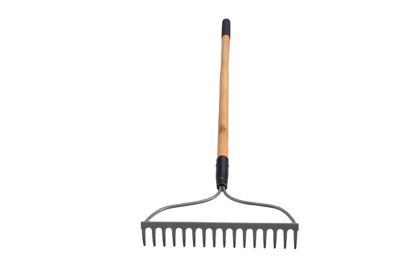
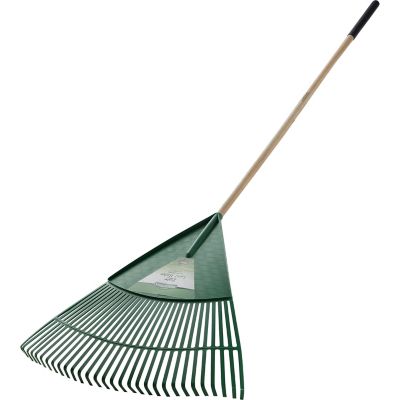
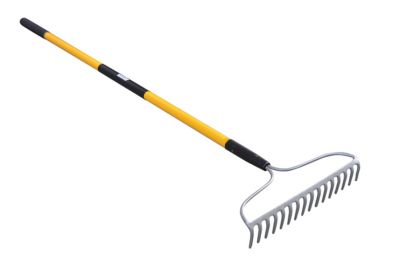
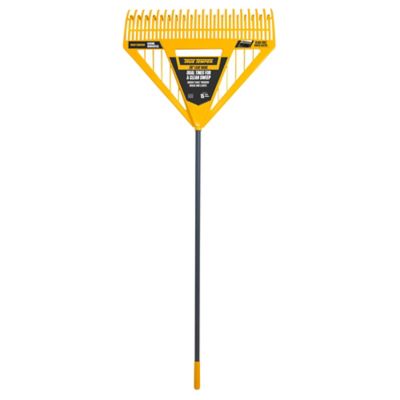
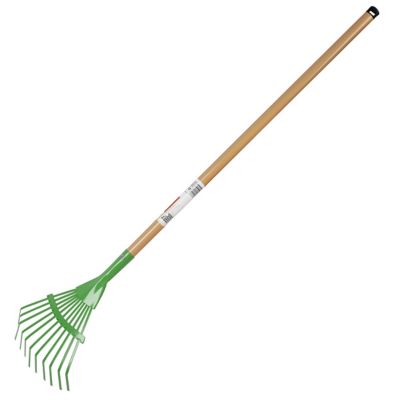
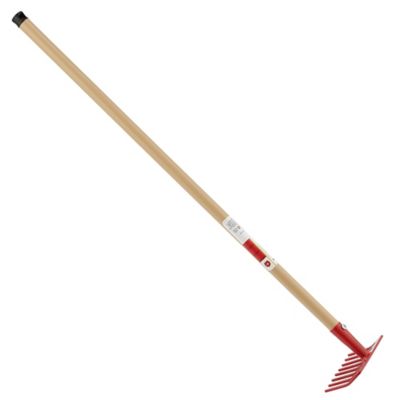
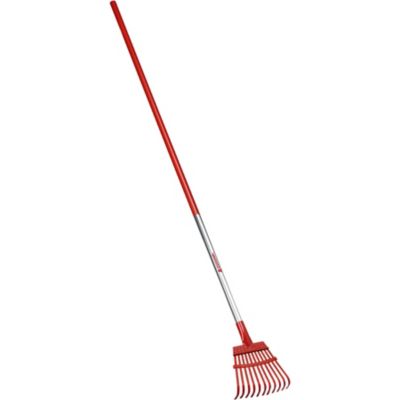
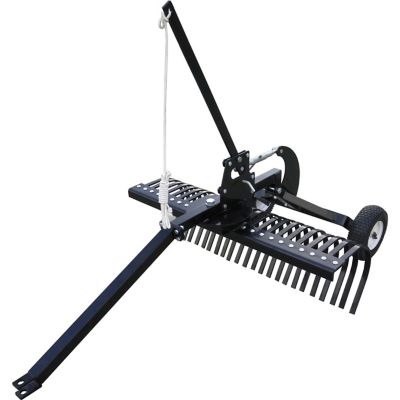
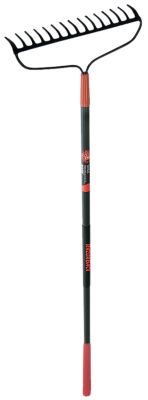
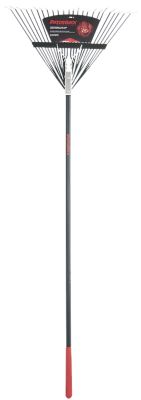
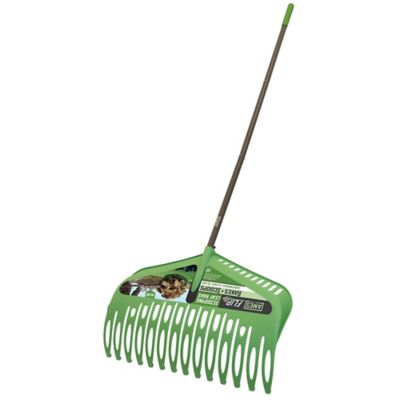
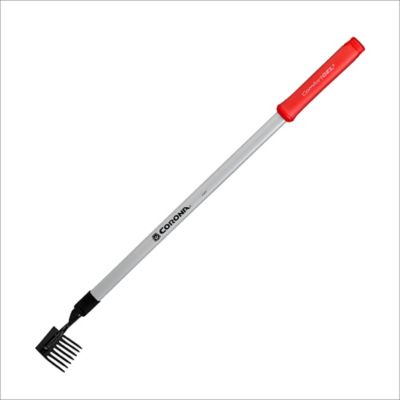
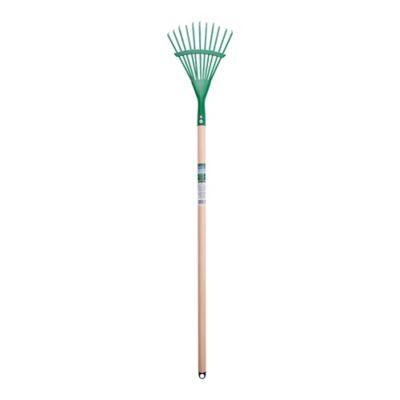
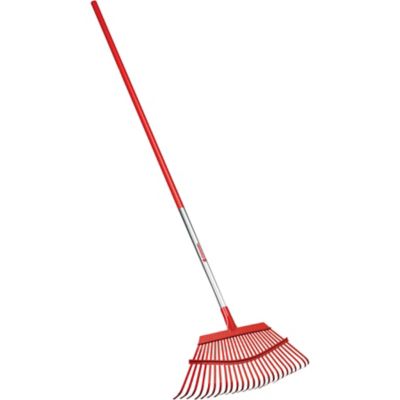
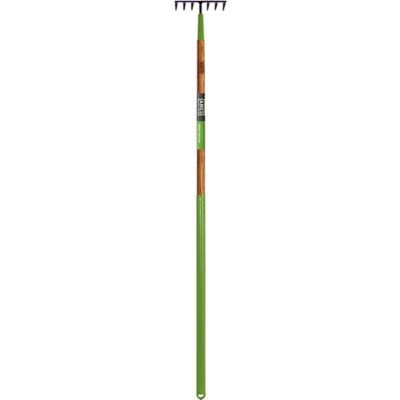
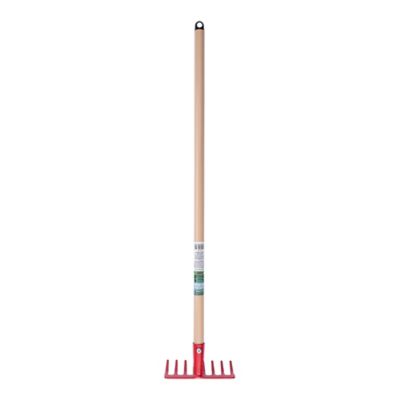
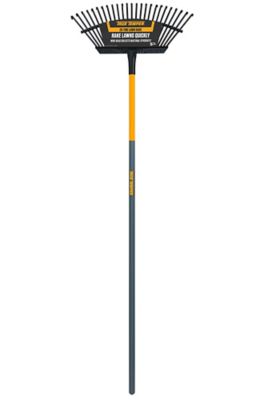
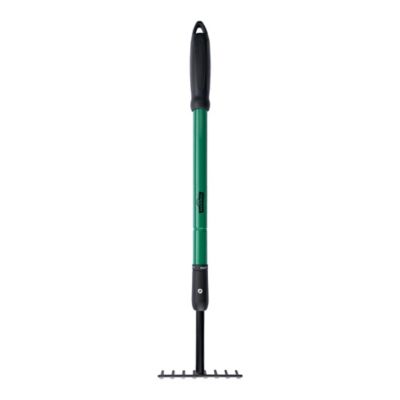
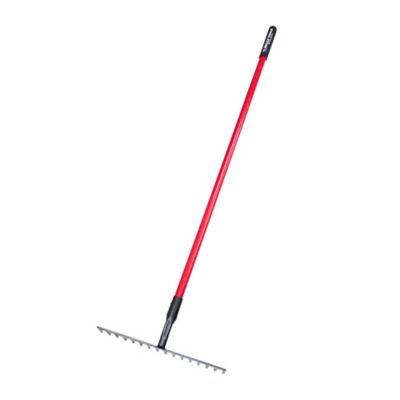
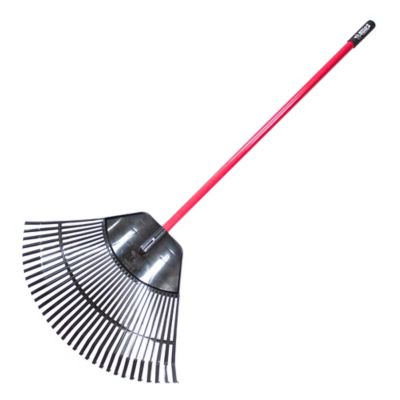
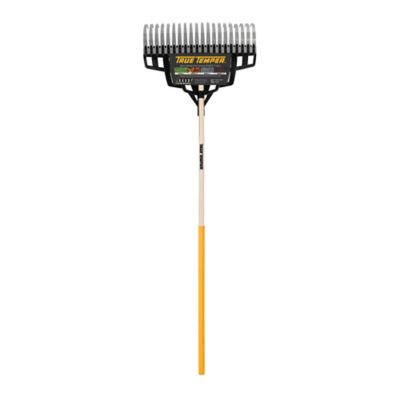
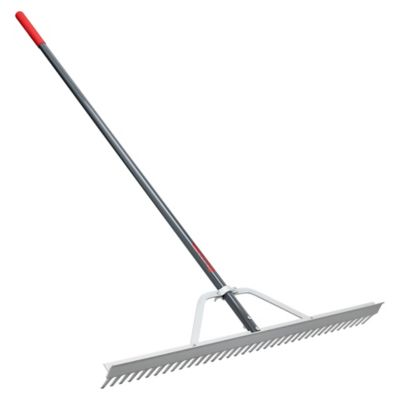
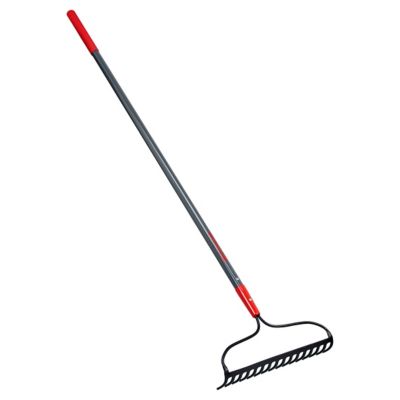
Garden rakes for family projects work best when the head matches the chore and the handle fits the person doing it. A broad leaf rake gathers loose leaves and grass clippings, a rigid garden rake works soil and spreads loose material, and a narrow shrub rake reaches between plants and beneath low branches. Those differences matter when several people are pitching in around the same yard. One person might gather clippings along the fence while another levels a vegetable bed, with a smaller helper collecting loose leaves in a clear patch of grass. Flexible leaf-rake tines sweep across the surface without the digging action of short steel teeth. Plastic tines can feel light in the hands and suit loose yard debris, while springy metal tines offer a different balance of flex and strength. Neither shape is meant to take the place of a rigid rake for moving small soil clods or pulling loose gravel back into a shallow rut. A garden rake, sometimes called a bow rake depending on its construction, has closely spaced, firm teeth for working the top layer of soil and drawing material across a bed. The straight back of some heads also helps finish a patch of loose soil before planting. Deeply compacted ground may need loosening with another tool first; a rake is better suited to breaking smaller clods and finishing the surface than forcing its way through hard ground. Around established flowers, berries, and shrubs, a smaller head gives better control and leaves more room to work around stems. Wide heads cover open ground with fewer passes, but they can feel awkward beside a raised bed or between tightly planted rows. For shared yard work, several well-matched sizes often make more sense than expecting every family member to manage the same large rake. The goal is a useful spread of tools for the actual chores, not simply a row of matching handles.
Handle length, tool weight, and balance help determine how comfortably each person can rake. A handle that is too short encourages bending, while one that is too long can leave a smaller person struggling to control the head. Adjustable handles can accommodate different heights and save storage space, provided the locking mechanism holds firmly and is easy for an adult to check before work begins. A fixed handle offers a straightforward design without a length adjustment to manage. Wood has a familiar feel and can provide a comfortable grip, though its weight varies with the wood and the tool’s construction. Aluminum shafts often keep weight down, while fiberglass offers another option for handles that see regular outdoor work. Material alone does not tell the whole story: a broad head on a light shaft may still feel tiring if most of the weight sits far from the hands. Grip shape, shaft thickness, and the distance between comfortable hand positions all affect control. Cushioned sections can ease pressure, but they should not slide or twist during a pull. For smaller helpers, a properly sized tool with a manageable head is a better fit than an adult rake shortened at the handle alone. Age suitability and the maker’s guidance matter, especially where metal teeth are involved. Children need adult supervision, clear working space, and tasks that suit their strength and coordination. Gathering a small pile of loose leaves is a different job from pulling stones through soil. Even among adults, the biggest rake is not always the easiest one to handle. Someone tending narrow beds may appreciate a compact head, while a person clearing a broad lawn may prefer more reach. A comfortable stance and controlled strokes help keep the work manageable, whether the job takes a few minutes beside the porch or involves tidying several planting areas. Gloves with a secure fit can also help protect hands without leaving loose fabric around the grip.
Construction details and simple care influence how well a rake holds up to family chores. The connection between the head and handle deserves a close look because that joint takes repeated pulling and twisting. Firm attachment points, securely seated teeth, and a handle without cracks or splinters are practical considerations for tools that move between several pairs of hands. Steel heads bring strength to soil work, but protective finishes still need attention where scraping exposes bare metal. Plastic heads avoid that particular concern, though bent or cracked tines can interfere with gathering debris. Aluminum handles can dent, and damaged fiberglass may develop rough or exposed fibers, so each material benefits from occasional inspection. After working a bed, knocking off clinging soil and brushing dirt from the head keeps buildup from hiding loose connections or damage. A light rinse may help with stubborn mud, followed by drying before storage. Wood handles benefit from care suited to their finish, including treatment recommended by the maker when the surface begins to feel dry or rough. Hanging rakes securely keeps heads out of walkways and helps prevent handles from becoming a tripping hazard. A rake left flat with its teeth pointing upward is a hazard, especially where children or pets pass through. Carrying tools with the head under control and leaving room between workers makes shared chores easier to manage. For a household settling into a place with planting beds, a practical rake can also make a thoughtful housewarming gift; for an experienced gardener, handle fit and the kinds of beds they tend are better clues than appearance alone. The related
Rake For Yard Use page brings another everyday yard task into focus. Across family garden work, the best match is a rake that feels comfortable, reaches the space at hand, and handles the intended material without unnecessary strain. From smoothing loose soil beside a row of beans to collecting clippings along a fence, those everyday details make a tool worth reaching for again.