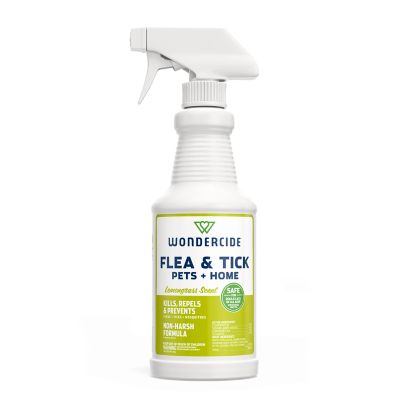
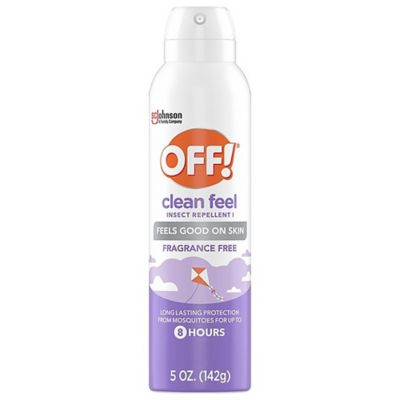
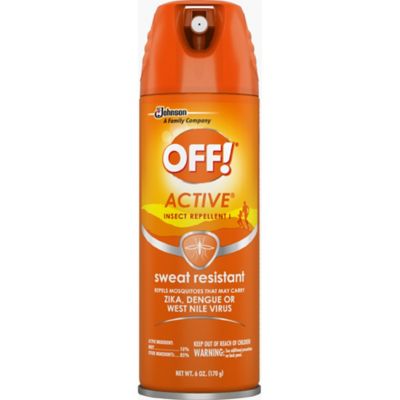
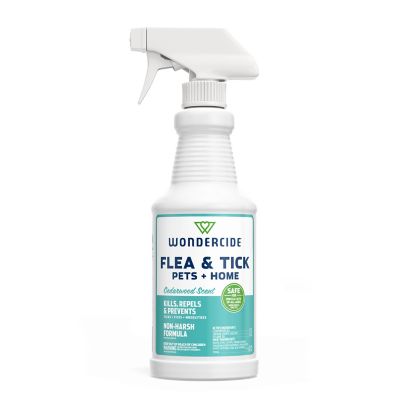
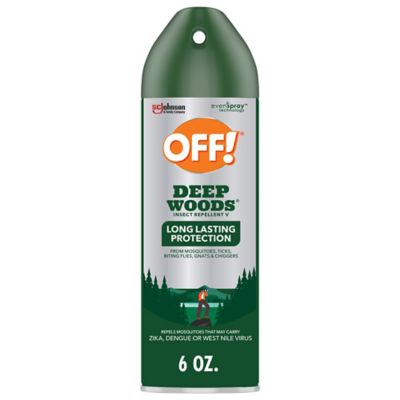
Biting pests can turn a fence-line walk, a fishing trip or an afternoon of chores into a stop-and-swat routine. Insect repellent sprays help make those jobs and outings more comfortable by keeping listed pests from biting when applied as directed. The right fit depends on where the spray will go, who will wear it and which pests are causing trouble. Mosquitoes, ticks, biting flies and chiggers do not appear on every repellent label, so the pest list matters just as much as the bottle size. Personal repellents may contain ingredients such as DEET or picaridin, while other formulas feature plant-derived ingredients. An ingredient’s origin alone does not establish how long it works or whether it is suitable for a particular person. EPA registration, application directions and age restrictions provide more useful details than a scent description or an outdoor-themed package. For someone walking a property line through brush, a label that includes ticks may be especially relevant; for a family spending time beside a pond, mosquito protection may be the main concern. Protection times differ by formula, concentration and activity, and a longer stated duration does not replace the label’s directions for reapplication. Feel and fragrance matter, too, especially when repellent will be part of a regular chore routine. Some shoppers prefer an unscented formula, while others are more concerned with how the spray feels on skin or how easily it spreads. Skin repellents and clothing treatments belong to different application categories, even when both mention the same pests. Certain clothing treatments contain permethrin and are not intended for direct application to skin. Fabric compatibility also deserves attention around work shirts, fishing gear and packs, since some formulas can affect particular synthetic materials, plastics or finishes. Clear directions about application sites help separate a spray suited to exposed skin from one meant for clothing or equipment, without leaving those decisions to guesswork.
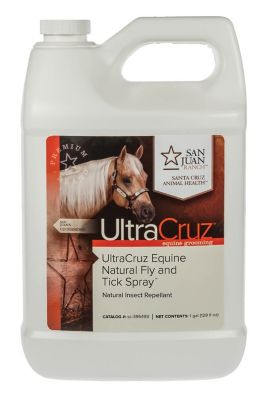
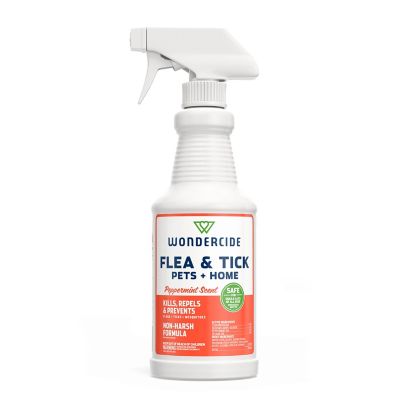
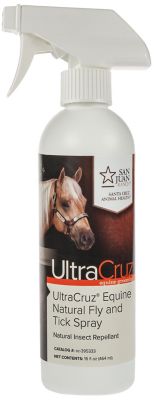
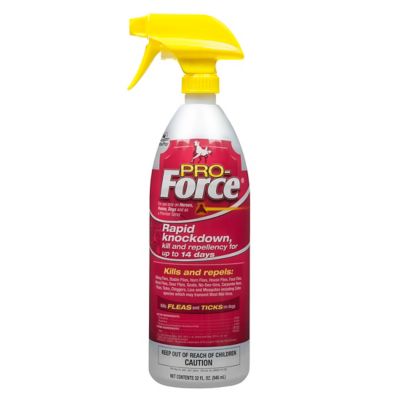
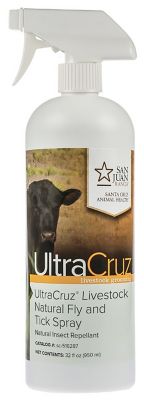
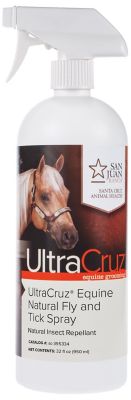
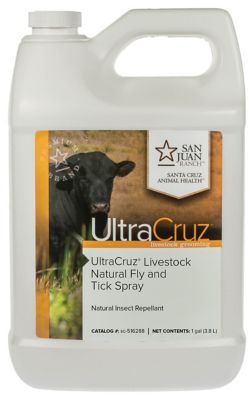
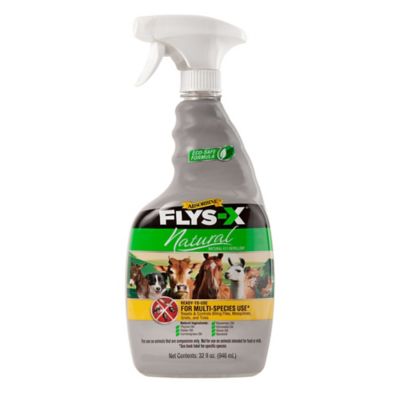
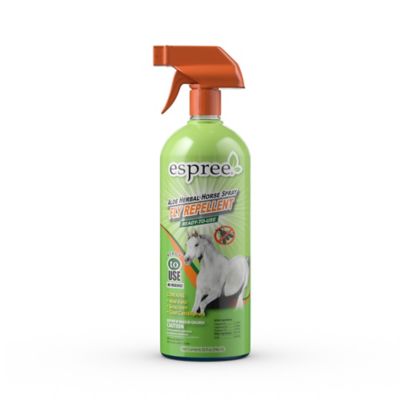
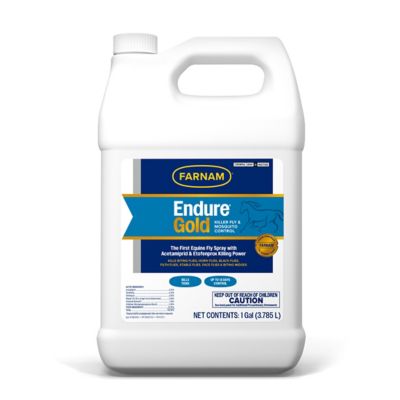
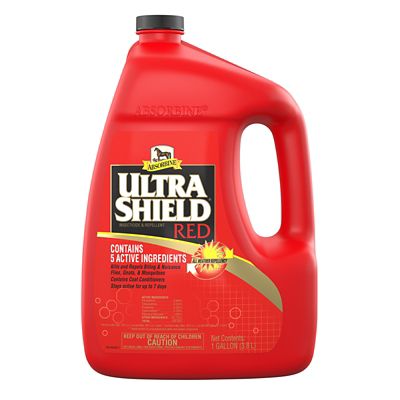
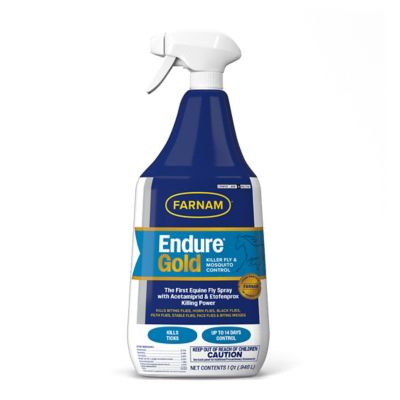
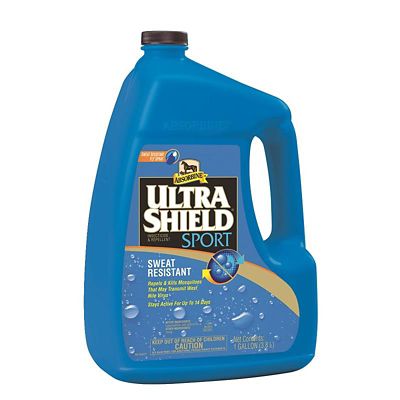
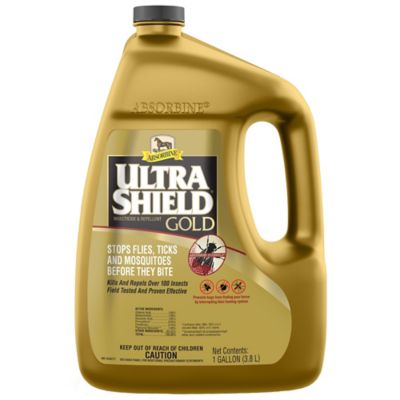
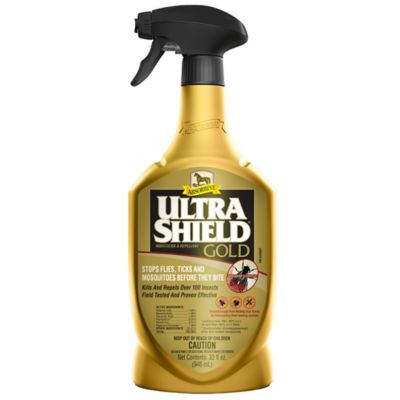
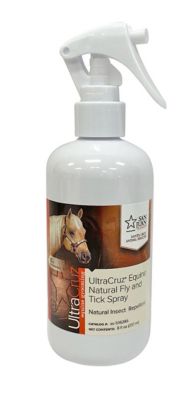
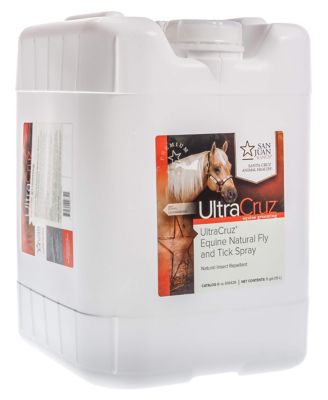
Around the barn, insect repellent sprays serve a different set of needs. A horse standing at a hitching rail, livestock gathered near a handling area and a dog accompanying fence checks each require a formula labeled for that animal and situation. Animal sprays are not interchangeable with personal repellents, and a label for one species does not establish suitability for another. A horse spray is not automatically appropriate for a dog, and a formula labeled for dogs should never be assumed suitable for cats. Age limits, health considerations and restrictions for food-producing animals can also affect the choice. Some animal fly sprays repel listed pests, some kill them, and some provide both actions; the label explains what a particular formula is intended to do. That distinction matters when the goal is to discourage flies from landing rather than treat an infestation in an animal’s surroundings. Application details also shape everyday handling. A spray pattern that works well across a horse’s body may not suit sensitive areas around the head, where the label may call for application with a cloth instead of direct spraying. Directions concerning eyes, nostrils, wounds and irritated skin are important parts of the product’s intended use. Water-based and oil-based formulas can differ in feel, coat appearance and compatibility with tack or grooming routines. Sweat, bathing, brushing and rubbing against equipment may affect performance, making stated protection periods only one part of the comparison. For livestock operations, any restrictions involving milking, slaughter or application around feed deserve close attention. Barn and premises sprays are another separate category, with directions tied to particular surfaces, spaces or pests rather than direct application to an animal. Repellent belongs alongside regular manure removal, clean bedding and other pest-management measures, not in place of them. A comfortable animal and a workable chore routine depend on matching the spray to the job, rather than treating every bottle as an all-purpose answer.
Bottle design can make a noticeable difference when a spray is part of daily work or packed for an outing. Trigger sprayers, finger pumps and aerosol containers offer different handling experiences, and none is automatically the best choice for every task. A broad spray pattern may suit larger label-approved areas, while a smaller pump can offer more control for limited applications. Reach, grip and the effort needed to operate a sprayer matter when hands are stiff or several animals need attention. A secure cap or locking trigger is helpful for transport, though the container still belongs upright and secured according to its storage directions. Smaller bottles take less room in a day pack, while larger containers may make more sense near a designated grooming or chore station. The sprayer, cap and bottle should stand up to ordinary handling without leaks, cracks or a nozzle that no longer works properly. Keeping the original label readable is just as important as keeping the container intact, since that label carries the pest list, approved application sites, restrictions and first-aid information. Storage away from children, pets, feed and food helps keep a useful chore supply from becoming a misplaced bottle in a busy work area. After application, handwashing, clothing care and any cleanup steps should follow the product directions; repellent on a shirt does not mean the shirt can skip its normal washing routine. For a broader look at pest-control spray categories,
Insect Sprays provides another place to compare intended uses. Repellents, contact insecticides and premises treatments can look similar on a shelf while serving very different purposes. Keeping those distinctions clear makes it easier to match a spray to a walk through tall grass, time at the barn or another task without carrying the wrong formula along. The most useful choice is one with the right labeled pests, an appropriate application method and directions that fit the person, animal or space receiving treatment.