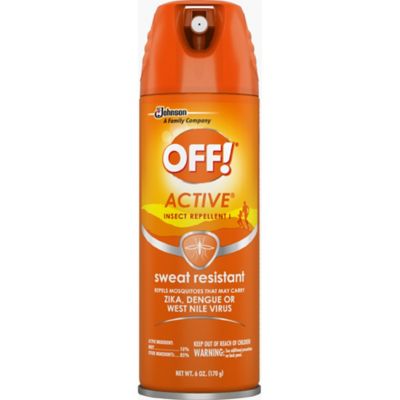
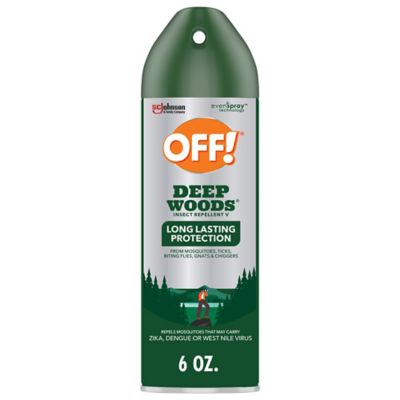
Insect repellents help reduce bites from mosquitoes, ticks and other biting pests while you tackle chores, walk a wooded trail or settle into a chair by the pond. These products discourage pests from landing or biting rather than serving the same purpose as insect killers, and the pests listed on the label matter. A repellent labeled for mosquitoes may not offer protection against ticks, chiggers or biting flies. For skin-applied repellents, common active ingredients include DEET, picaridin, IR3535 and oil of lemon eucalyptus. The Environmental Protection Agency, or EPA, evaluates registered skin repellents for safety and effectiveness when applied according to their labels. DEET is a well-established choice for mosquito and tick protection, with higher concentrations generally extending protection time rather than making the repellent stronger. Picaridin offers another option, often with a lighter feel, though scent and texture depend on the formula. Some 20% picaridin formulas list up to 12 hours of mosquito protection; protection against other pests can differ, so the labeled duration is the better comparison. Oil of lemon eucalyptus, sometimes shortened to OLE, is a repellent ingredient distinct from pure lemon eucalyptus essential oil. Those two should not be treated as interchangeable. Choosing among ingredients comes down to the target pest, the length of an outing, age restrictions and how the formula feels on skin. Someone checking pasture gates may want coverage that lasts through a stretch of outdoor work, while someone stepping outside for a short walk may prefer a smaller container that slips into a pocket. Pumps, aerosols, lotions and wipes offer different ways to apply repellent. Sprays can cover larger areas, lotions allow controlled spreading, and wipes are handy when carrying a bottle is inconvenient. Container size, a secure closure and straightforward application all make a difference when repellent travels in a tackle bag, work truck or camping tote. The best match is a format that suits the job and makes label-directed application easy.
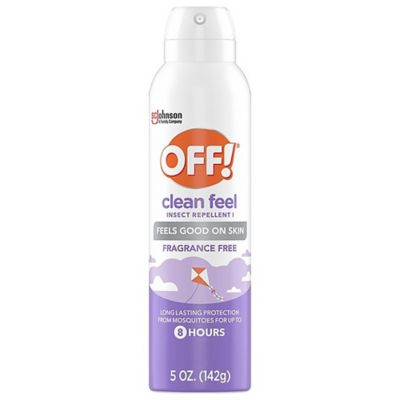
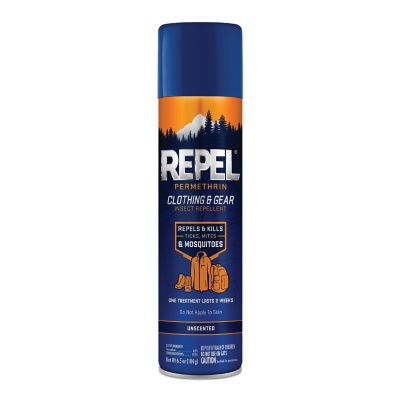
Skin feel and material compatibility are worth considering alongside protection time. A formula that spreads easily without leaving an unwanted residue can be more comfortable for walking, gardening or working around the property. Fragrance-free labeling may matter to shoppers who prefer less scent, but it does not replace checking the active ingredient and listed pests. DEET can affect certain plastics, synthetic materials and painted or finished surfaces, making compatibility important around sunglasses, watchbands, fishing equipment and tool handles. Labels identify whether a repellent belongs on exposed skin, clothing or both. Skin repellents generally should not go underneath clothing, near the eyes or mouth, or on cuts and irritated skin. For facial application, a label may direct spraying into the hands first rather than spraying directly toward the face. Coverage should be even without soaking the skin; applying extra does not automatically provide longer protection. When sunscreen is part of the routine, sunscreen goes on first, followed by repellent according to its directions. Separate products allow each to follow its own reapplication schedule. Children need an adult to handle application, and repellent should stay off their hands to limit contact with their eyes and mouths. OLE and PMD repellents are not recommended for children younger than 3, and every formula’s age directions deserve a close look. Clothing treatments belong in a separate category from skin repellents. Permethrin treatments labeled for apparel or gear can help protect boots, pants and certain camping equipment, but they must never be applied directly to skin. Treated articles need to dry fully before wear or handling as directed. Fabric compatibility, treatment intervals and laundering instructions determine how a clothing treatment fits into an everyday routine. Loose-fitting long sleeves and long pants can add a physical barrier, while socks and closed footwear help cover areas near the ground. For someone repairing a fence beside tall grass or walking through brush, protection around ankles, pant legs and exposed skin deserves particular attention.
Protection needs also change with the setting. A personal repellent travels with the person wearing it, while area repellents are intended to work within a labeled space. For a porch, campsite or outdoor seating area,
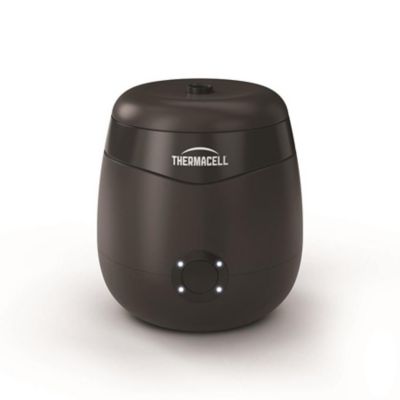
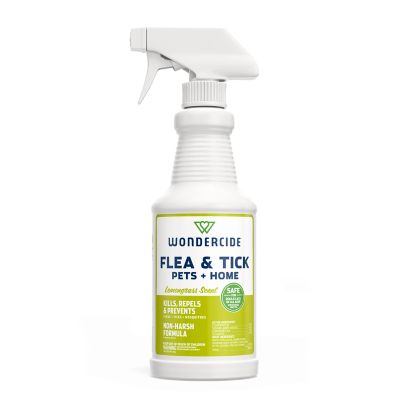
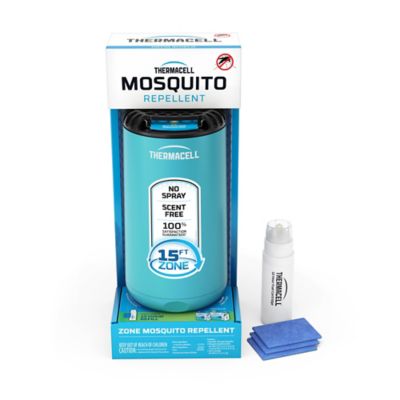
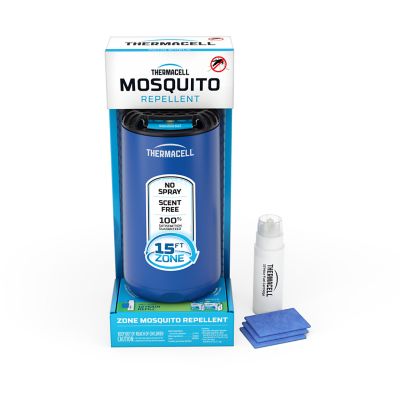
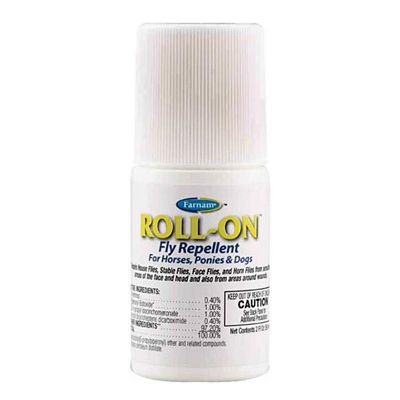
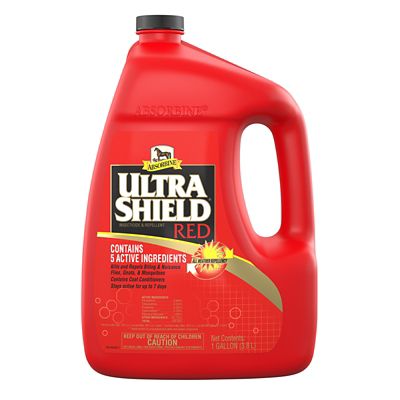
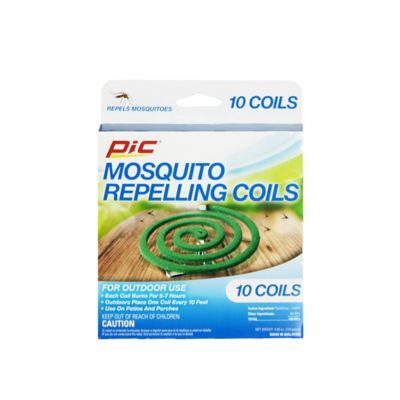
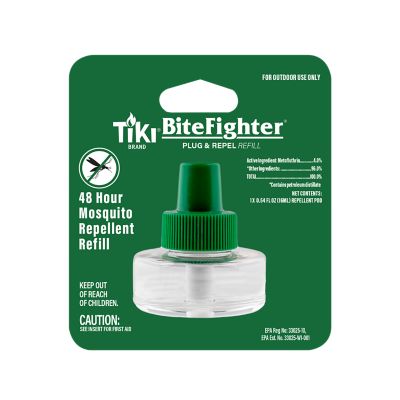
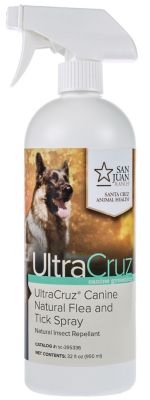
Insect Repellent Devices offer another category to consider alongside skin and clothing products. Device labels explain the target pests, coverage area, placement and any required startup time. Power sources, refill types and operating directions help determine whether a device fits a spot near an outlet or a location away from electricity. Area protection should not be assumed to prevent tick bites or protect someone walking beyond the labeled coverage zone. Fuel-burning equipment and products labeled for outdoor operation must stay out of enclosed spaces, and all devices need placement that keeps children and animals away from parts or substances they should not touch. On the move, personal repellent makes more sense for a hike, a fishing trip along the bank or a chore route that takes you from the barn to the back fence. At a fixed gathering spot, an area repellent may fit the setting, provided its directions match the space. Either way, repellents are one part of bite prevention, not a substitute for checking clothing and skin for ticks after time in brush or grassy areas. Care is straightforward but important: containers should stay tightly closed, in their original packaging and out of reach of children and pets. Label directions govern storage, disposal and reapplication, including after swimming, sweating or washing. Personal insect repellent is not automatically appropriate for pets or livestock; animal applications require labeling for the intended species and use. Whether the plan is a long stretch of farm chores or a quiet afternoon beside the water, matching the repellent to the pest, person and activity helps keep protection practical without adding needless fuss.