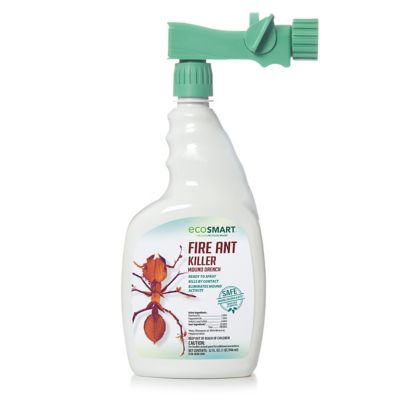
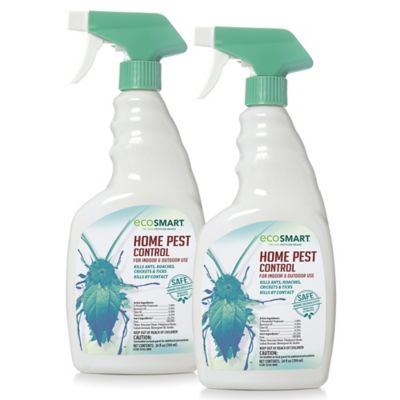
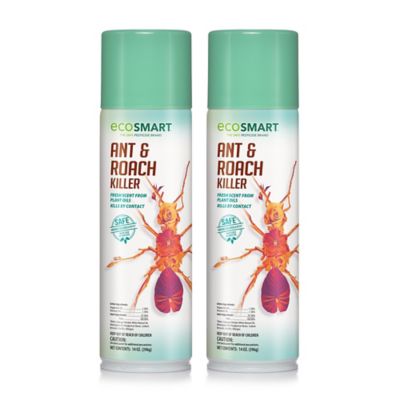
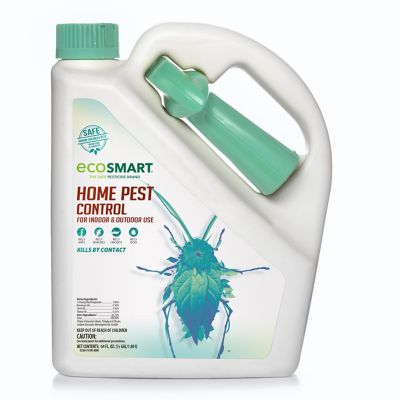
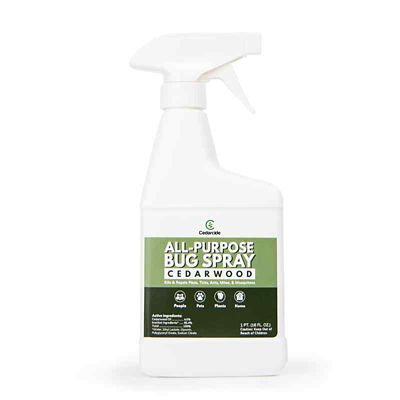
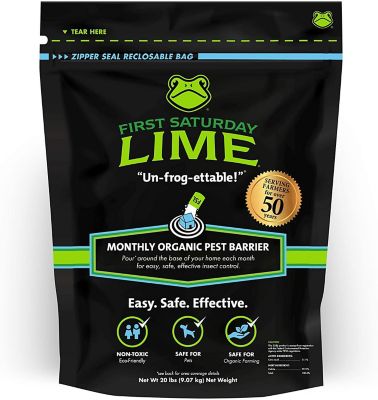
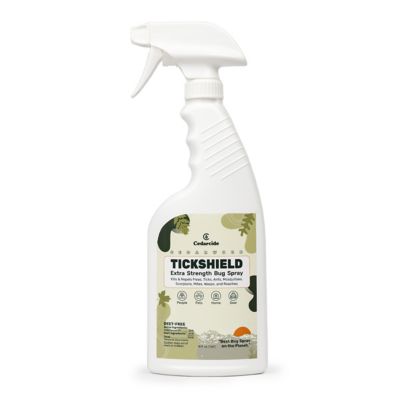
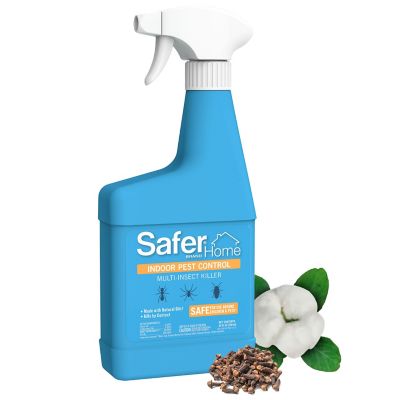
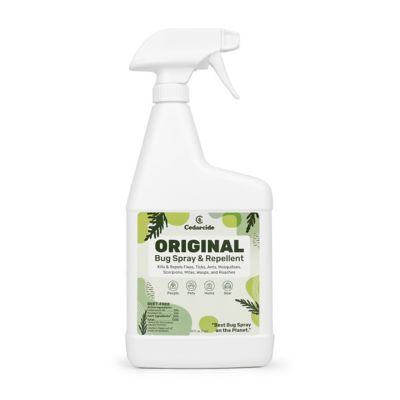
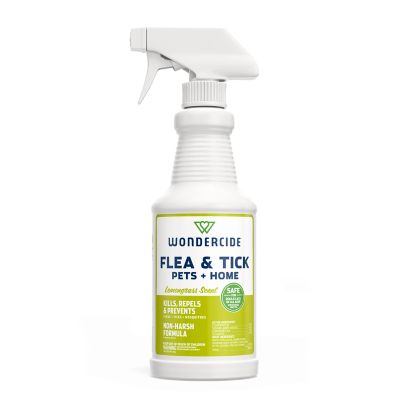
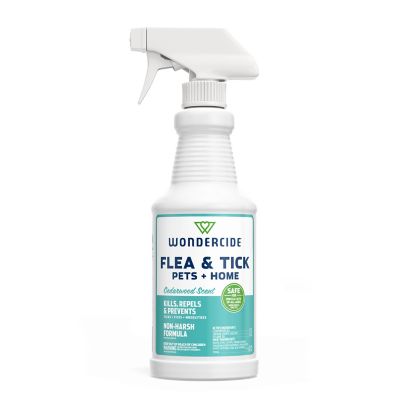
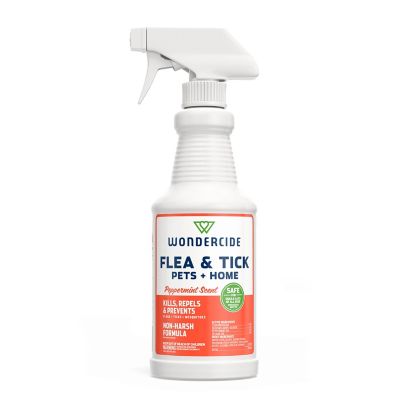
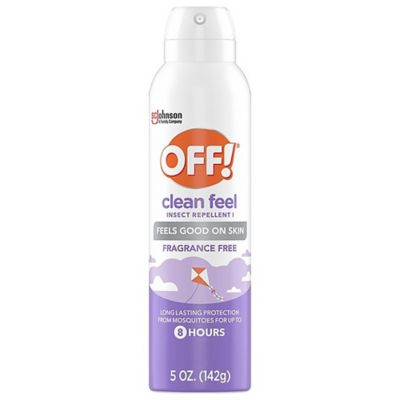
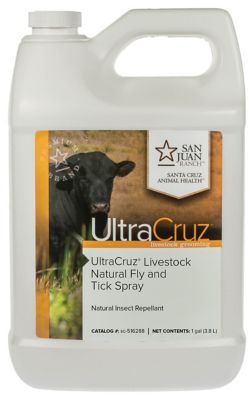
Natural ant repellent sprays are liquid pest-control products intended to discourage ants from entering or traveling through treated areas, with plant-derived ingredients featured in many formulas. Depending on the label, those ingredients may include peppermint, clove, rosemary, thyme, or citrus oils. The term “natural” does not describe one standard formula, and it does not mean a spray is harmless to people, animals, or every household surface. The product label tells you which ants it targets, where it belongs, and what precautions apply. There is also an important difference between repelling ants and killing them on contact. A repellent helps discourage activity around a treated spot, while a contact spray must reach the ants to deliver the effect stated on its label. Some formulas carry both claims, but neither claim automatically means the spray will eliminate a nest or reach the queen. That distinction matters when a few ants are crossing a doorway versus when a steady trail keeps showing up beside the pantry. Plant-based ant sprays can fit into everyday pest management for homeowners, renters, and folks keeping a farmhouse kitchen or utility room in order, provided the treatment site appears on the label. Ingredient lists are worth comparing beyond the featured oil, too. Water, carriers, and other ingredients affect how a formula spreads, smells, and behaves on a surface. Essential-oil formulas may leave a noticeable scent, which can matter in a small mudroom or an enclosed kitchen. A strong smell is not proof of stronger ant control, and a pleasant smell is not proof that a spray is safe around pets. For shoppers comparing natural ant control sprays, the most useful details are the target pests, repellent or contact-kill claims, approved locations, and application directions—not simply the plant pictured on the bottle. Those details help match the spray to the job without expecting a surface treatment to do the work of a whole-colony treatment.
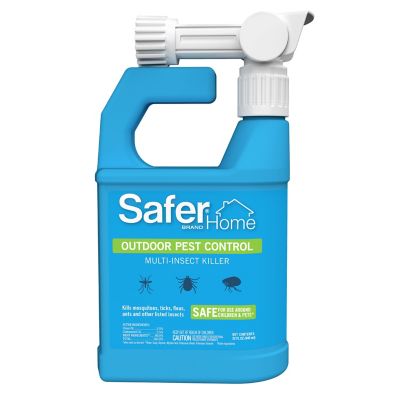
The right format depends on the space that needs attention and how much measuring or handling makes sense for the household. Ready-to-use ant sprays come mixed for application as directed, while concentrates require the label’s dilution rate and a suitable applicator. A trigger bottle can be handy for limited treatment around a labeled entry point; a refill container or pump-spray format may suit a larger permitted area. Bottle shape, grip, nozzle control, and clear mixing directions all matter when the job involves reaching a narrow gap beside a door rather than coating a broad surface. Look for application instructions that match the location, including whether the spray belongs in cracks and crevices, along an exterior perimeter, or elsewhere. A label that permits indoor treatment does not necessarily permit spraying an entire countertop, and an outdoor formula does not automatically belong inside. Kitchens call for particular care around groceries, dishes, utensils, and food-preparation surfaces. A trail beside the sink may point toward moisture or a small spill, while ants near a feed-storage cabinet may be following crumbs around a lid or scoop. Removing those attractants supports control and keeps a spray from becoming the only response to a recurring problem. Surface compatibility deserves the same attention as pest claims. Oil-containing formulas can affect some finishes, fabrics, plastics, or porous materials, so any label-required spot test belongs in an inconspicuous area before broader application. Painted trim, sealed flooring, unfinished wood, and stone do not all respond the same way. Residue, drying time, ventilation requirements, and cleanup directions can also influence whether a formula fits a busy household. For someone treating near a frequently traveled doorway, the practical choice is a spray whose directions fit that traffic pattern and whose precautions can be followed—not simply the bottle with the strongest scent. Clear labeling and manageable packaging make it easier to keep the treatment where it belongs, without unnecessary handling or guesswork.
Outdoor natural ant repellent sprays serve a different setting, so their labels need to cover the intended treatment area rather than merely list ants among the target pests. A porch threshold, a gap near a foundation, and an area beside a detached shed can call for different application limits. Coverage claims help compare formats, but the label’s rate determines how much spray belongs on a given area; applying extra does not establish better control. Likewise, repeat applications should follow the stated schedule and restrictions rather than a routine based on scent alone. For broader property pest concerns,
Yard Insect Repellents offers a related category to consider, with each formula’s target insects and permitted locations guiding the match. Around a rural home, extra care belongs anywhere pets, poultry, livestock, feed, or water are nearby. A plant-derived ingredient is not permission to spray an animal, a feed pan, bedding, or a water trough. Some essential oils can harm animals through exposure, and pet-related claims still come with directions and limits. Keeping children and animals away during application and for the interval stated on the label is part of choosing a workable treatment. Sprays for household or perimeter use should not be assumed suitable for gardens, edible crops, animal housing, or areas near ponds. Storage matters after the job, too: the original labeled container, a secure location, and separation from food, feed, and animal supplies help prevent mix-ups. For lasting control, a spray works best as one part of a bigger picture that includes tightly closed food and feed containers, cleaned-up spills, repaired leaks, and sealed entry gaps. Persistent trails, ants emerging from structural wood, or repeated activity despite labeled treatment may call for identification and a different control approach. A well-matched natural ant spray offers a practical option for the places and pests named on its label, with clear expectations about what it can—and cannot—do.