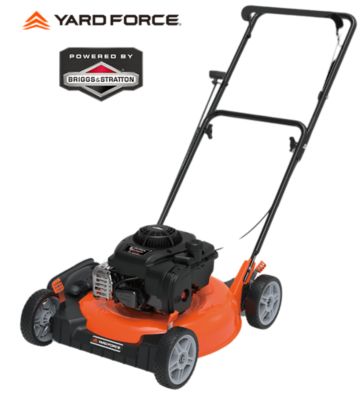
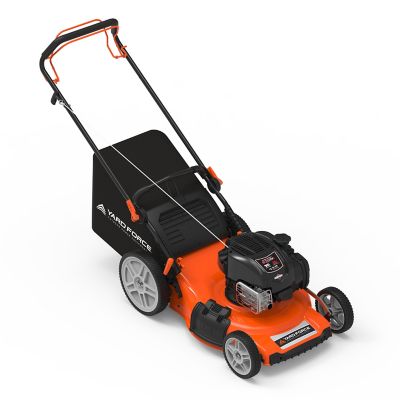
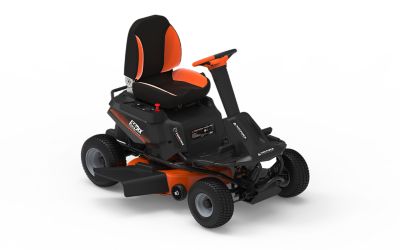
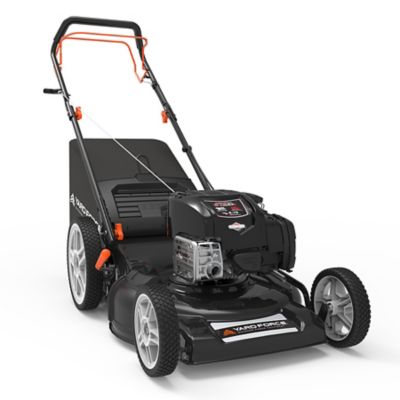
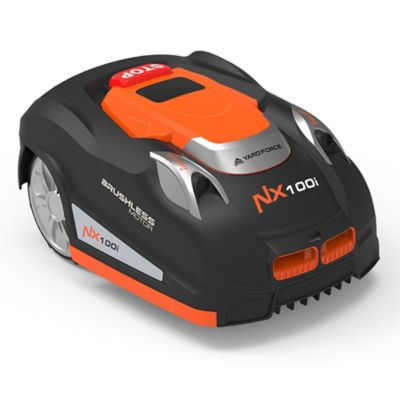
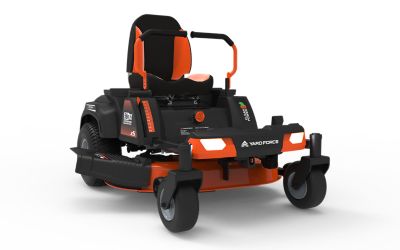
A lawn mower earns its place around a home by keeping the grass manageable, whether that means a small patch beside the porch or a broad stretch between the driveway and the fence. Gas-powered, cordless battery and robotic lawn mowers approach that job differently, with the right fit depending on the ground, the mowing area and how much hands-on time the work takes. Gas walk-behind mowers pair an engine with a cutting deck and can suit properties where mowing involves longer runs or several separate patches of grass. Cordless battery mowers trade fuel handling for rechargeable power, with runtime shaped by battery capacity, grass thickness, cutting height and whether the drive system is engaged. Brushless motors are another feature worth comparing on battery equipment, though a motor label alone does not tell the whole story about cutting performance. Robotic mowers maintain a defined lawn area through repeated mowing sessions, with setup requirements that can include boundary wire, mapped limits, a charging station or a compatible connection, depending on the design. Their suitability comes down to more than acreage: narrow passages, separate lawn sections, slopes and obstacles all matter. For homeowners who prefer to walk the lawn and control each pass, the
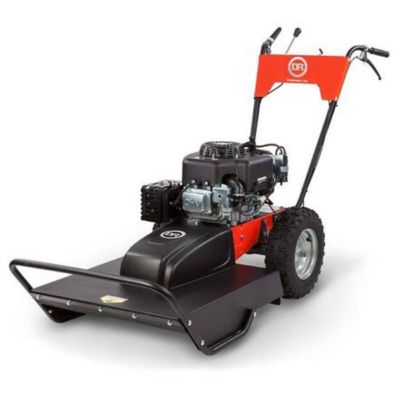
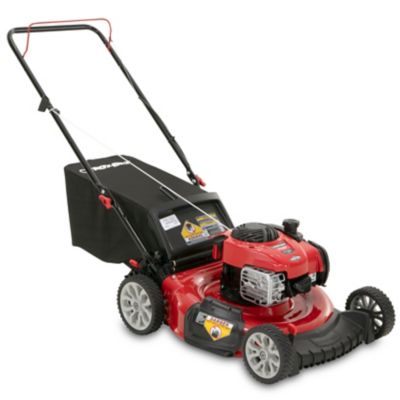
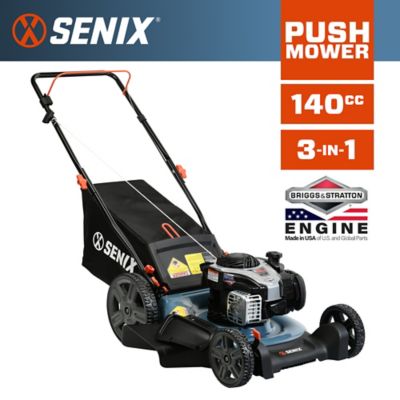
Walk Mower category centers on equipment that can work around garden beds, shade trees and fence lines. Push models depend on the operator to move them forward, while self-propelled models add powered wheel movement to reduce pushing effort. Variable-speed controls can help the machine match a comfortable walking pace rather than setting the pace for the person behind it. That difference becomes noticeable on a long stretch of lawn or when maneuvering around a well house and outbuildings. A mower suited to open turf may feel cumbersome in a tight side yard, so maneuverability belongs alongside power when comparing equipment. These machines are intended for maintained lawn grass, not woody brush, pasture clearing or rough ground scattered with hidden debris.
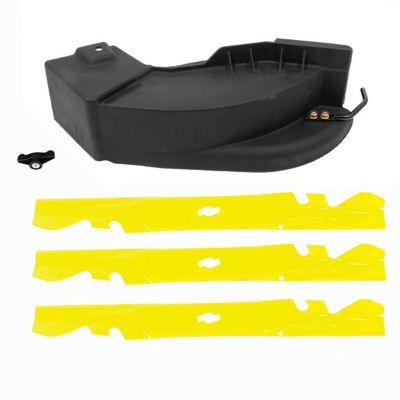
Deck construction, cutting width and clipping handling shape how a mower works on an ordinary afternoon. Steel decks bring rigidity and a solid feel, while polymer or composite decks can reduce weight and resist corrosion; either material still needs cleaning and inspection according to the operator’s manual. Deck width affects both coverage and access. A wider cutting path can reduce the number of passes across open grass, but the mower’s overall width, including any discharge chute, determines whether it will clear a garden gate or fit between established beds. Weight matters when turning at the end of a row, moving across an unpowered section of ground or putting the machine away. Wheel size and tread influence how it rolls over small surface irregularities, while drive layout affects handling and traction on self-propelled equipment. Rear-wheel drive can help maintain traction in some conditions, but no drive system makes a mower suitable for a slope beyond its stated operating limit. Handle height, grip position and the reach of operating controls also deserve attention, especially when more than one adult shares mowing duties. Cutting-height adjustments let the deck match the needs of the lawn, and the adjustment range matters more than simply having several numbered positions. Grass type and turf condition help determine an appropriate height; removing too much at once can leave a lawn stressed and place more demand on the mower. Clipping options offer another useful distinction. Mulching systems keep finely cut grass within the lawn, side-discharge systems spread clippings beside the mowing path, and rear-bagging systems collect material for removal. A three-in-one mower generally supports those three methods, though included attachments and conversion steps vary. Bag capacity affects how often mowing stops for emptying, and a filled catcher adds weight during handling. Mulching performance depends on the correct blade, deck configuration and manageable grass height, not just a feature name. Around a walkway or patio, collecting clippings may mean less cleanup; across a larger lawn, returning clippings can eliminate repeated trips to an emptying spot.
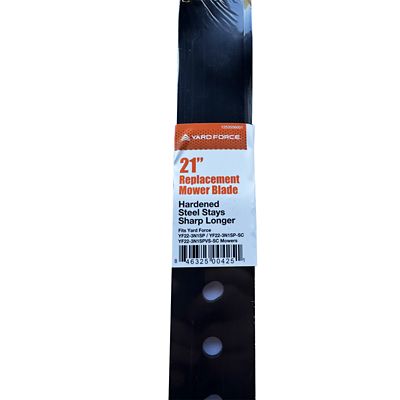
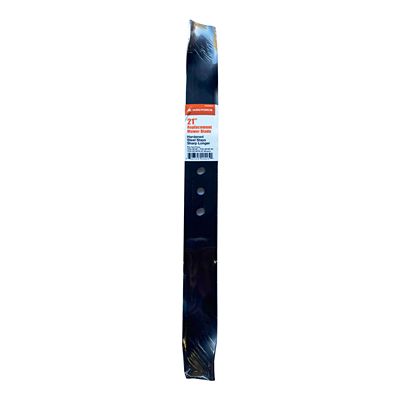
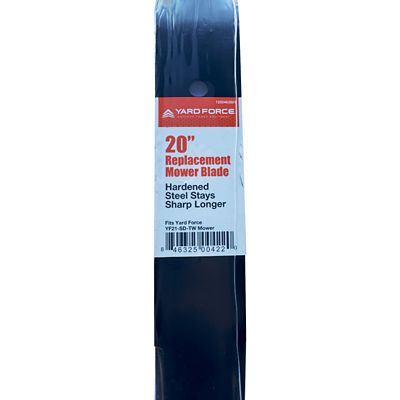
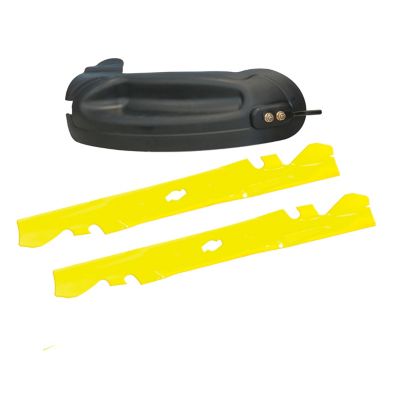
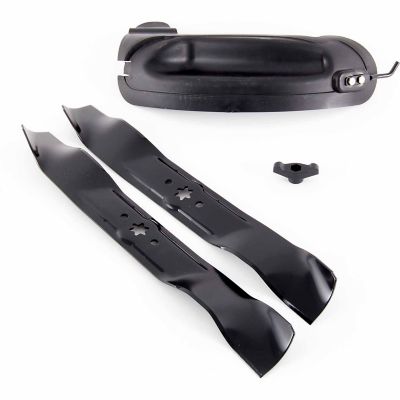
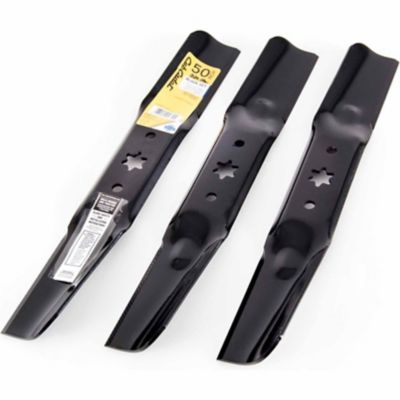
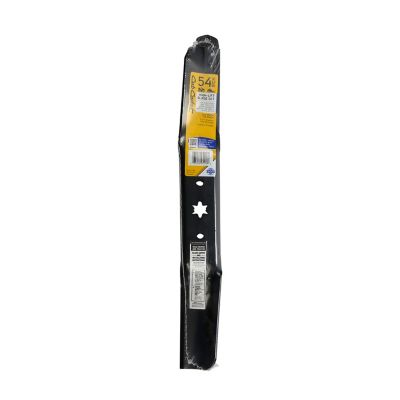
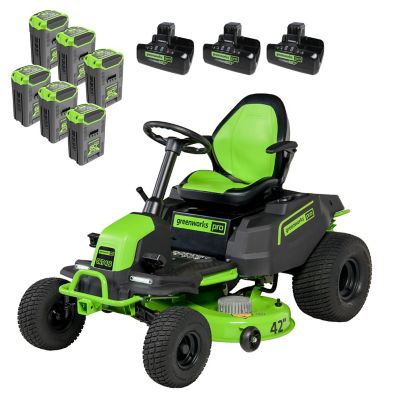
Ownership involves more than the cut itself, particularly when a mower has to share shed space with hand tools, feed containers and other property equipment. Folding handles can reduce the storage footprint, but vertical storage is appropriate only when the machine is expressly designed for that position. Gas engines have model-specific requirements for fuel, oil, air filters and spark plugs, and those details affect routine upkeep. Battery-powered equipment has a different set of considerations, including charger compatibility, battery care and the time needed between charging and mowing. A battery platform name or voltage rating does not by itself establish that two components will work together, so matching the mower, battery and charger matters. Stated runtime is best treated as a reference tied to test conditions rather than a promise for every yard. Dense grass, frequent turns and powered travel can change how much ground a charge covers. For robotic equipment, rated coverage, slope limits, boundary setup and access to the charging station are central ownership details, along with keeping people and animals clear of the operating area as directed. Across mower types, a sharp, properly balanced blade supports a cleaner cut, while packed clippings under the deck can interfere with airflow and clipping movement. Cleaning and blade work require the shutdown and power-isolation steps in the manual; engine-off alone is not a substitute for those precautions. Replacement blades, belts, filters, batteries and other service parts need to match the machine’s specifications. Before mowing, a walk across the lawn can catch fallen branches, stray wire, stones or a pet’s forgotten toy before they reach the blade. Protective footwear, eye protection and any required hearing protection belong with the job, too. For someone caring for a first home, managing a family yard or maintaining lawn areas around a rural property, the strongest fit balances cutting capability with comfortable handling and upkeep they can manage. Clear specifications for deck material, drive type, clipping options, storage and maintenance make those differences easier to judge against the work waiting outside.