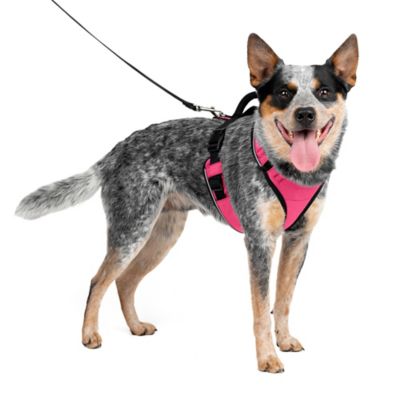
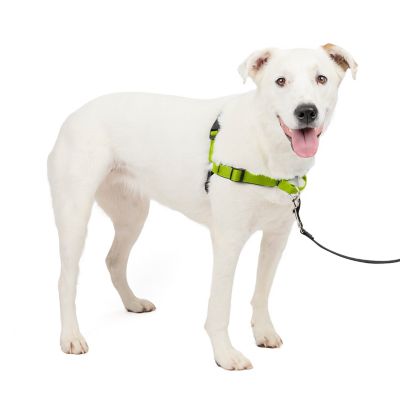
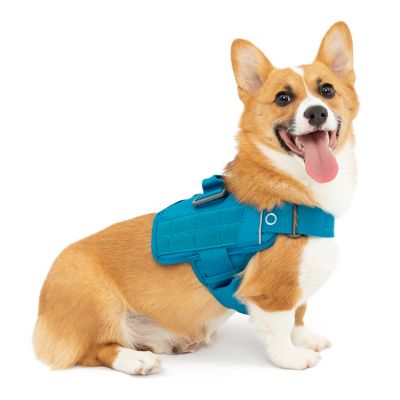
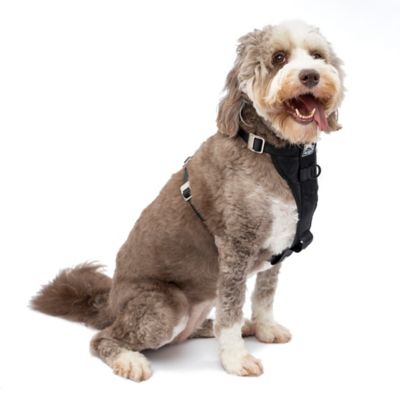
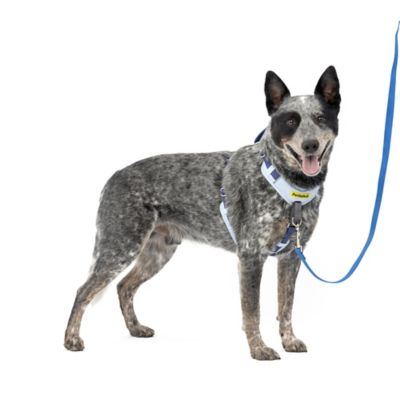
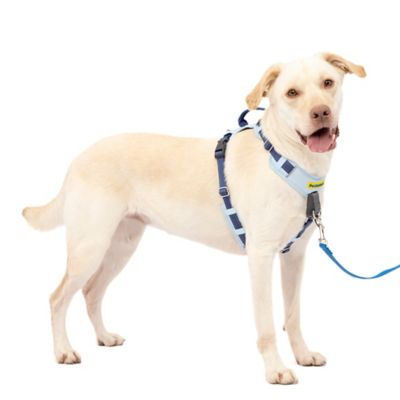
Dog harnesses for medium dogs connect a leash around the chest and torso rather than relying on a neck collar alone. They suit everyday walks, leash practice and outings where a dog needs to stay close without a leash fastened at the throat. Medium-size dogs can have very different builds: a deep chest, narrow shoulders or a broad body can change how the same harness sits. That makes chest girth, neck measurements and the size chart for each harness more useful than a weight range alone. Chest girth is generally measured around the widest part of the rib cage, just behind the front legs, though the maker’s measuring directions should always take priority. A well-fitting harness sits snugly without squeezing, lets the dog take a full stride and stays clear of the soft area behind the elbows. A common fit check allows about two fingers beneath the straps, but the dog should not be able to back out through the neck opening. Fit matters while sitting and turning, too, not just while standing still beside the feed room door. Multiple adjustment points can help balance the fit across the chest and body, especially on dogs whose proportions fall between standard sizes. Thick coats can make loose straps harder to spot, while short coats may reveal rubbing sooner. Puppies approaching their adult size and dogs whose body condition changes need fit checks along the way; an adjustable harness still has limits to how much it can expand or tighten. Dogs near the upper end of a medium size chart may also fall within the measurements listed for
Large Dog Harnesses. The measurements for the individual style, rather than the letter on its label, determine which size makes sense. When a dog gets excited at the sight of a leash, an easy-to-fasten design can also make getting out the door a little less of a wrestling match.
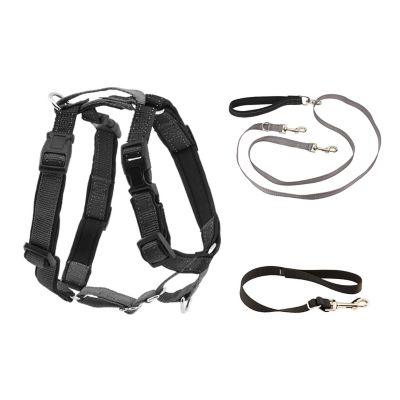
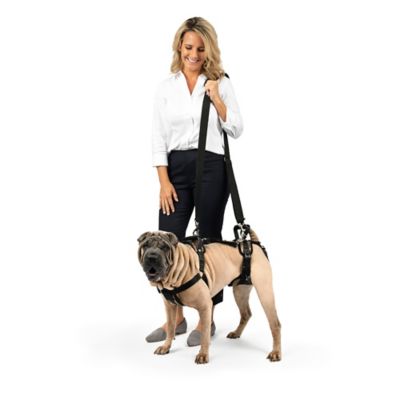
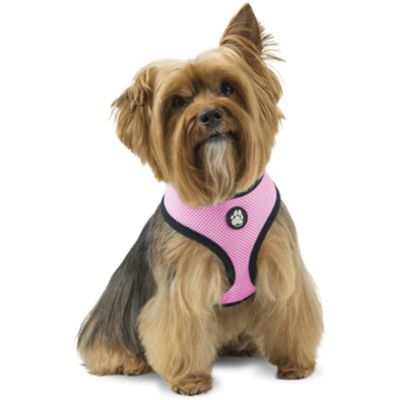
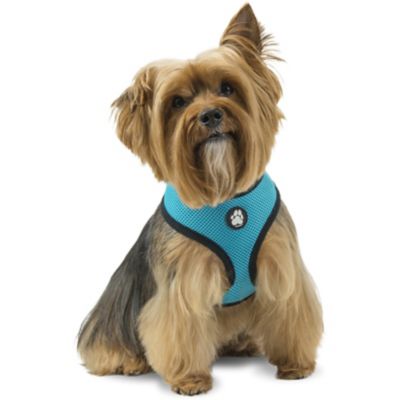
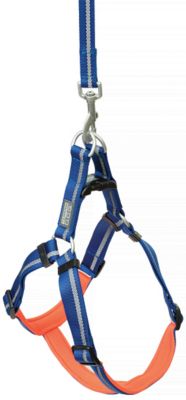
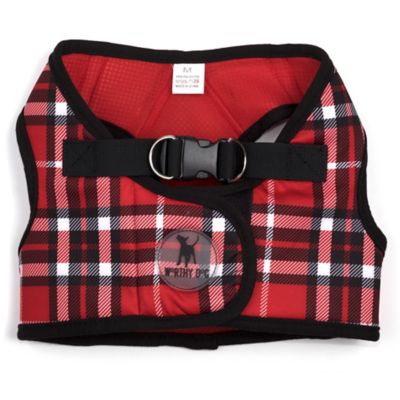
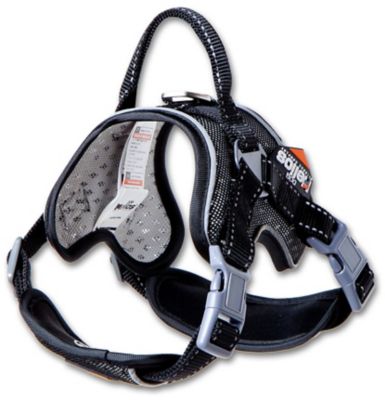
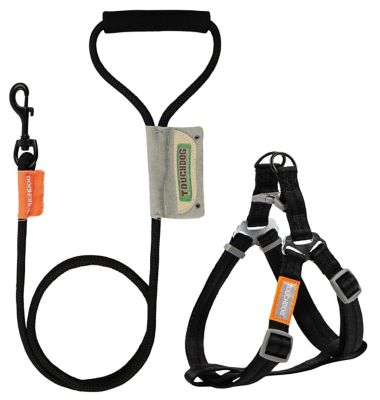
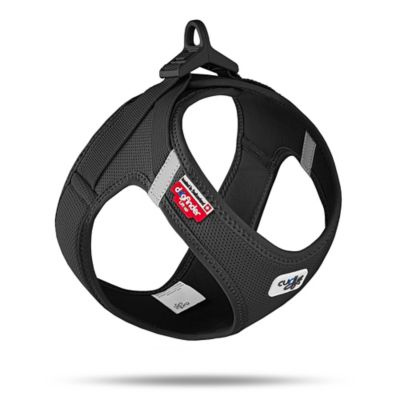
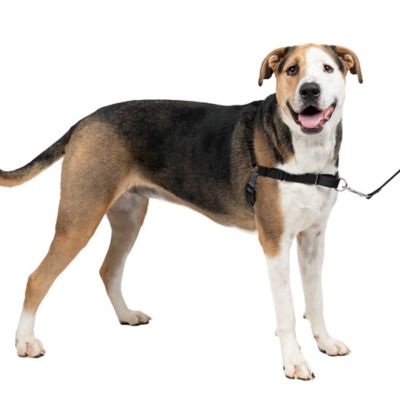
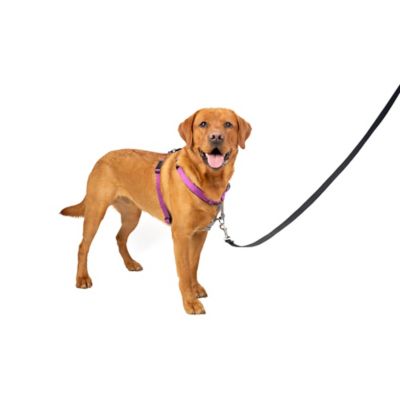
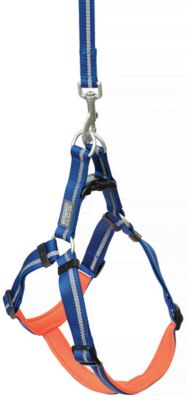
Materials and construction make a noticeable difference once a walk gets underway. Nylon and polyester webbing are common choices for adjustable straps, while mesh panels offer a lighter feel with less coverage. Padded chest pieces can soften contact across the front of the body, and neoprene-lined sections can add cushioning along strap edges. More padding is not automatically a better fit; a thick panel that bunches behind the legs can be less comfortable than a simpler design that sits in the right place. Smooth edges, tidy stitching and straps that lie flat all help limit rubbing as a dog moves. For a dog that sniffs every fence post or stops to investigate the ditch line, freedom through the shoulders matters as much as cushioning. Harness shape should allow a natural stride without a band crowding the front of the legs. Leash attachment placement changes how a harness handles, too. A back attachment keeps the connection along the dog’s topline and works well for many dogs that already walk on a loose leash. A front chest attachment can help redirect a dog that pulls, though it does not replace patient leash training or guarantee that pulling will stop. Designs with both attachment points offer flexibility for different walking routines. With a front connection, leash length and position matter because a dangling leash can catch beneath a front leg. Buckles should close completely, adjustment sliders should hold their position and leash rings should suit the leash clip without awkward twisting. A top handle can provide a brief point of control when the design allows, such as helping steady a dog beside a step, but an ordinary walking harness is not lifting equipment. Step-in designs may suit dogs that dislike having gear passed over their heads, while over-the-head styles can be straightforward for dogs comfortable with that routine. Either way, easy access to the closures helps keep fastening calm and quick.
The right medium dog harness fits the way a dog and its person spend time together. A simple, low-profile design may be plenty for a steady companion making the rounds from the house to the mailbox. A dog practicing polite greetings at the park may benefit from several adjustment points and a front leash connection. For longer walks along gravel lanes or maintained trails, strap placement, freedom of movement and resistance to everyday wear deserve close attention. Reflective details can help a dog stand out when headlights or a flashlight shine on them, but they need an outside light source and do not replace visibility precautions. Around livestock, open gates and moving equipment, a harness and leash are only part of keeping a dog under control; a secure distance and attentive handling still matter. Walking harnesses also should not be assumed to provide protection in a vehicle. Travel restraints need to be designed for that purpose and attached according to their instructions. Back at home, regular checks help catch wear before another outing. Frayed webbing, cracked buckles, loose stitching and bent leash rings are reasons to take a closer look and replace damaged gear. Dirt can collect beneath buckles and along padded edges, so care directions matter as much as the fabric itself. Some harnesses allow machine washing, while others call for hand cleaning with mild soap. Thorough rinsing and complete drying help prevent residue and trapped moisture from sitting against the coat. High heat can affect certain fabrics and hardware, making the care label the best reference. A harness should come off when the dog is unattended, since straps and handles can snag on objects or invite chewing. For a practical gift, a harness makes sense when the recipient’s dog measurements and walking routine are known. An easy fit, sensible features and manageable care give it a place in everyday life, from a quiet stroll down the lane to a trip to the vet.