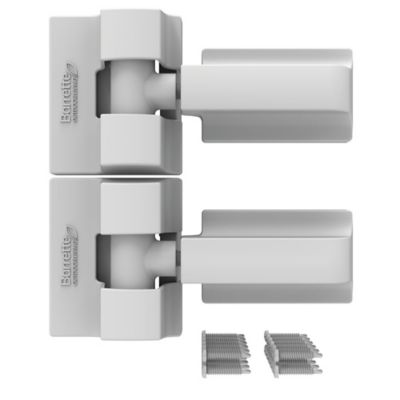
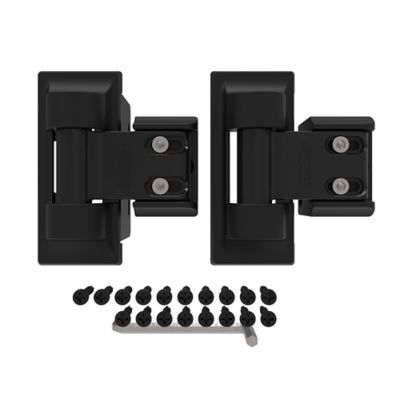
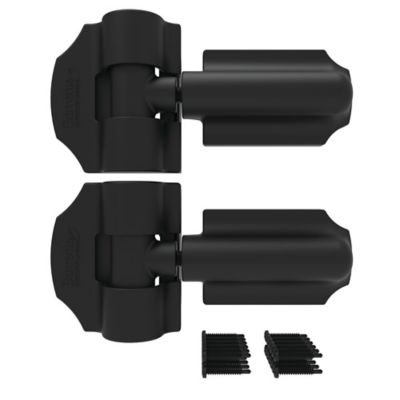
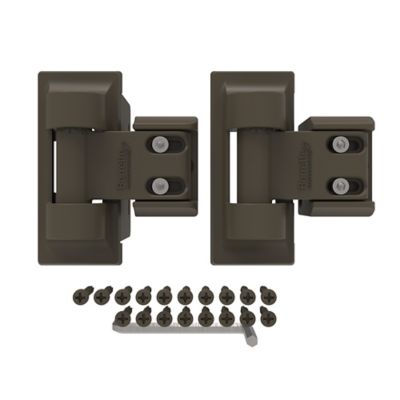
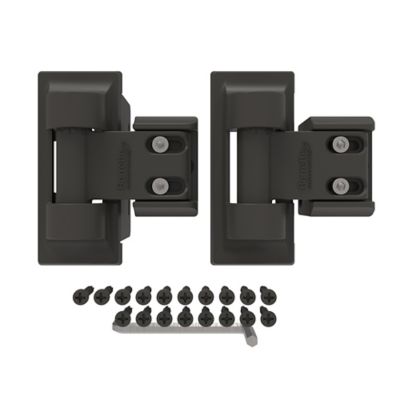
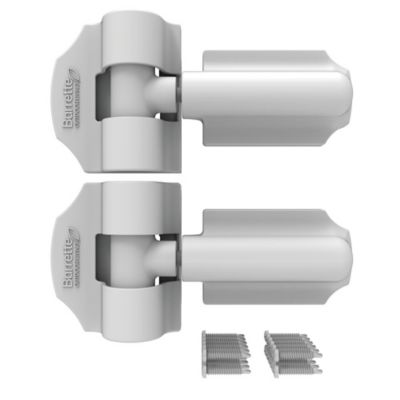
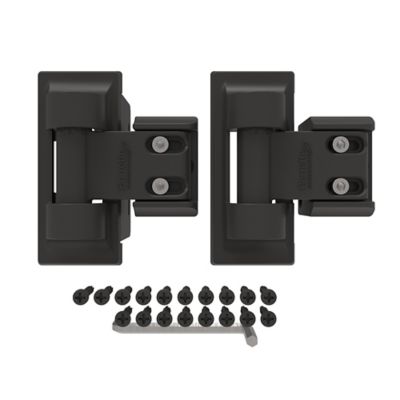
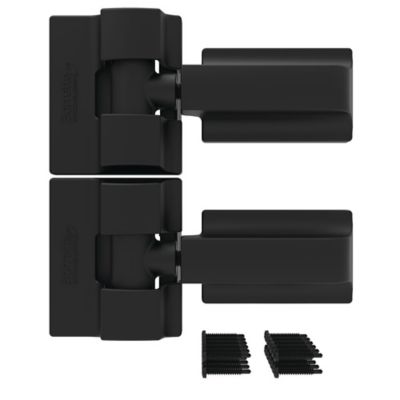
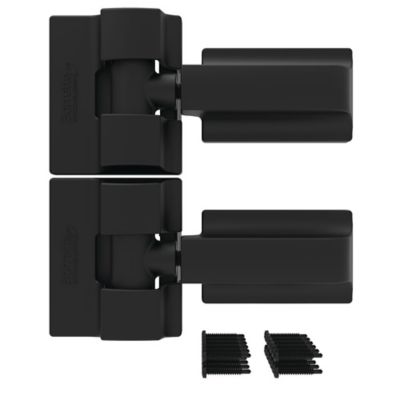
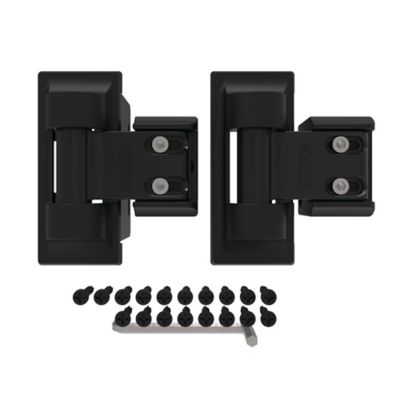
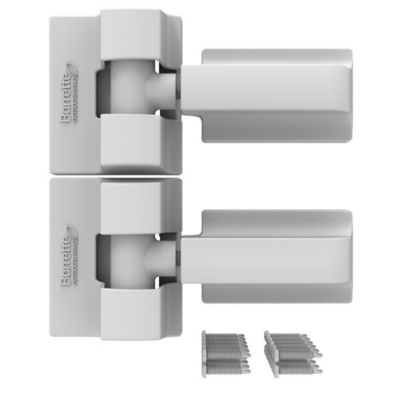
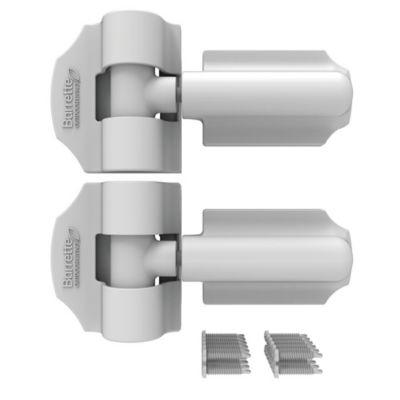
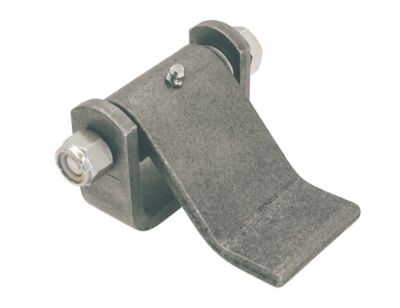
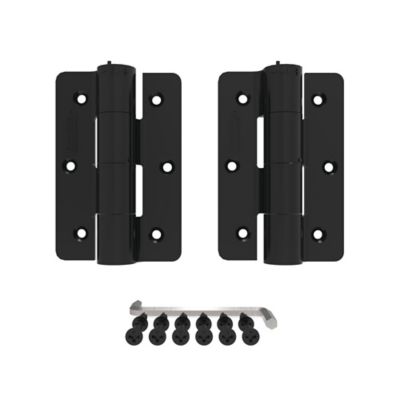
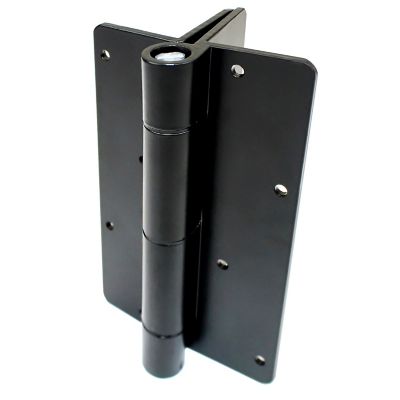
Wrap hinges are cabinet hinges with a bent mounting leaf that fits around the edge of a face frame or door, depending on the design. That wraparound shape gives the hinge contact with adjoining surfaces, adding support at the mounting point and helping spread the door’s load. The hinge pin provides the pivot, while the leaves connect the door to the cabinet. These hinges suit cabinets where the frame shape, door position, and mounting space call for something other than a flat hinge leaf. Think of a utility cabinet beside the laundry sink, a pantry door that gets opened throughout the day, or a workbench cabinet holding gloves and small tools. In each setting, a well-matched hinge helps the door swing freely and settle into its intended position without rubbing the frame. Partial-wrap and full-wrap hinges differ in how far their formed leaves extend around the mounting edge. Those shapes affect how the hinge seats against the cabinet, so similar-looking hinges are not necessarily interchangeable. Door configuration matters just as much. An overlay door covers part of the cabinet frame, while an inset door sits within the opening; some doors also have a rabbeted edge that requires a corresponding hinge shape. The amount of overlay, depth of any inset, frame thickness, and door thickness all influence fit. A hinge intended for a face-frame cabinet should not be assumed to fit a frameless cabinet. For replacement work, the existing hinge’s bends and mounting dimensions tell more than its finish alone. The position of the screw holes, distance from the pivot to the mounting surface, and shape of the door edge help narrow the match. Getting those details right keeps a small hardware repair from turning into a door that catches at one corner or leaves an uneven gap. Where part of the hinge remains visible with the cabinet closed, its outline also becomes part of the cabinet’s appearance.
Material and finish affect both the look of wrap hinges and how they hold up in their intended setting. Steel provides a firm mounting structure, while brass and other metal constructions may suit different hinge designs. Plated, painted, and other protective finishes give the exposed hardware its color and help shield the underlying metal, though the level of corrosion resistance depends on the material and finish. A cabinet near a utility sink has different exposure than one in a dry pantry, and hardware for a damp location needs an appropriate rating rather than a finish chosen by color alone. Matching nearby pulls and knobs can create a consistent look, but finish names do not always describe identical shades across different hardware lines. Shape and dimensions remain the deciding factors for proper operation. The wrap must accommodate the frame or door edge without forcing the metal out of shape, and the hinge barrel needs enough clearance for the intended swing. Nearby walls, adjoining doors, drawer fronts, and projecting trim can all limit that movement. On a narrow cabinet beside a workbench, even a small difference in pivot position may determine whether the door clears the bench edge. Door weight and size also matter: a tall, broad door places more leverage on its hinges than a small cabinet door. Hinge quantity, placement, fasteners, and the condition of the mounting material all contribute to the finished connection. Manufacturer specifications provide the basis for those choices; the wraparound shape alone does not establish a weight capacity. Screws need sound material to grip, especially on an older cabinet where mounting holes may be enlarged or the frame may be split. Closing action deserves attention, too. A self-closing wrap hinge can help draw a door shut, but self-closing does not automatically mean soft-closing. Some arrangements depend on a separate catch, while others have an integrated closing mechanism. Matching that behavior to the cabinet helps keep a frequently opened storage space pleasant to work around.
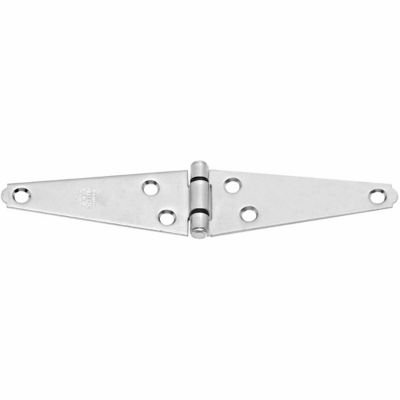
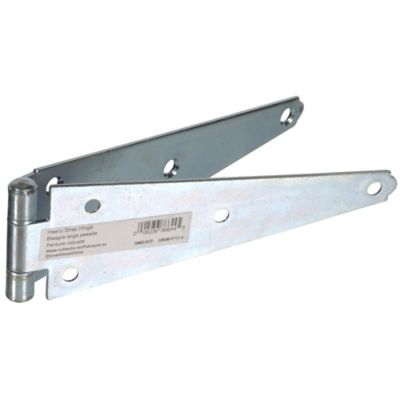
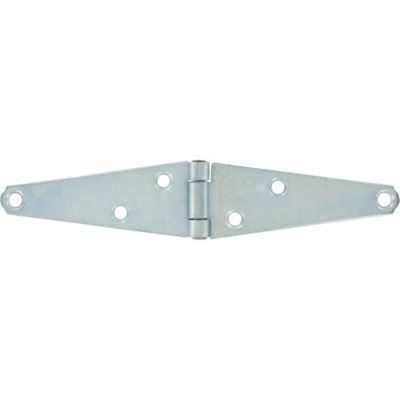
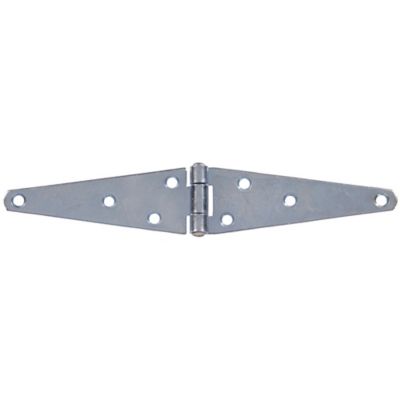
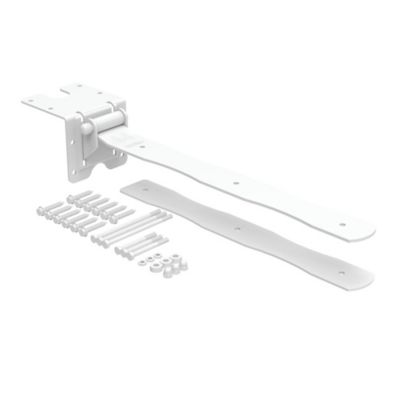
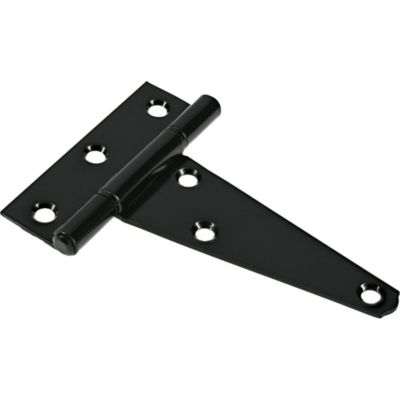
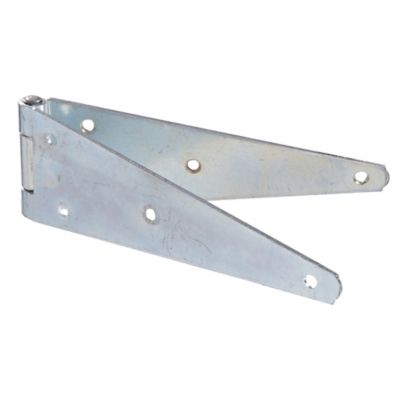
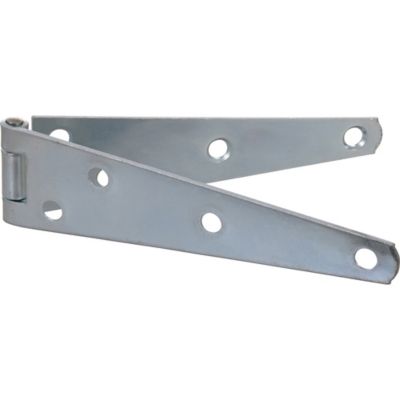
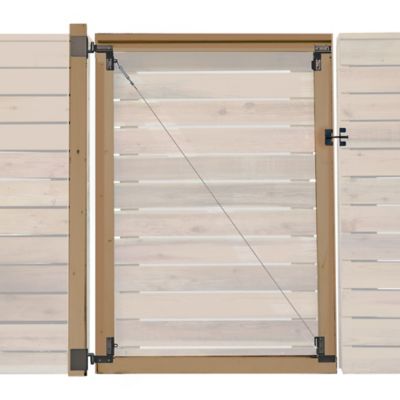
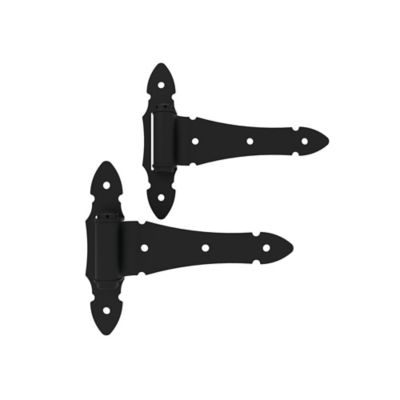
Wrap hinges make sense for homeowners, cabinet repairers, and folks keeping farm offices, tack rooms, garages, and utility spaces in working order. Their value is often most noticeable in everyday details: a feed-record cabinet that closes without a shove, a pantry door that stays aligned, or a workbench door that opens without scraping its neighbor. They are still cabinet hardware, and their shape should not be mistaken for a reason to put them on a heavy gate, stall door, or large shed door. Those applications need hinges rated for their particular load and mounting conditions. For projects calling for long hinge leaves that extend across the mounting surface,
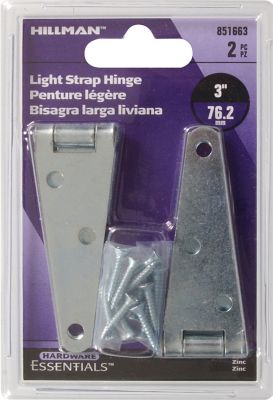
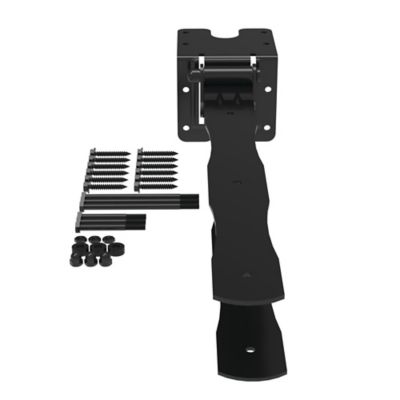
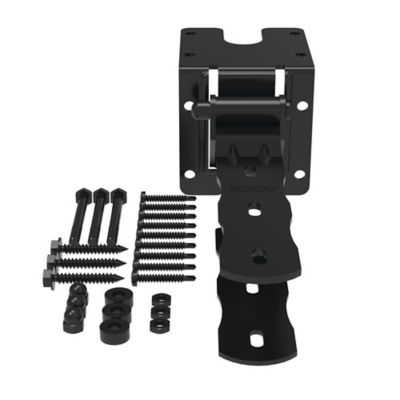
Black Strap Hinges have a different profile; wrap hinges are defined by the formed leaf that turns around an edge. Keeping the application straight helps protect both the hardware and the wood supporting it. Once installed, routine care is generally straightforward. Dust and grit around the barrel can interfere with smooth movement, so a soft cloth and finish-appropriate cleaning help keep the hinge area tidy. Harsh abrasives can scratch exposed surfaces or damage a protective coating. Any lubricant should follow the hinge maker’s recommendations, particularly where a closing mechanism is enclosed, and excess should be wiped away so it does not collect dirt. A door that starts sagging, rubbing, or making a new noise deserves attention before repeated movement enlarges the screw holes. Loose fasteners, worn pivot points, damaged wood, and a shifted cabinet can produce similar symptoms, so replacing the hinge is not always the whole repair. For cabinets that see steady traffic, sound mounting and a suitable hinge design matter more than appearance alone. The best fit brings the frame profile, door position, opening clearance, closing action, and finish together. That leaves the cabinet ready for the daily rhythm of reaching in, grabbing what is needed, and closing the door behind it.