Spring Hinges
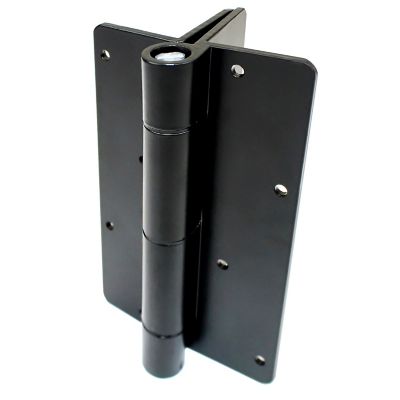
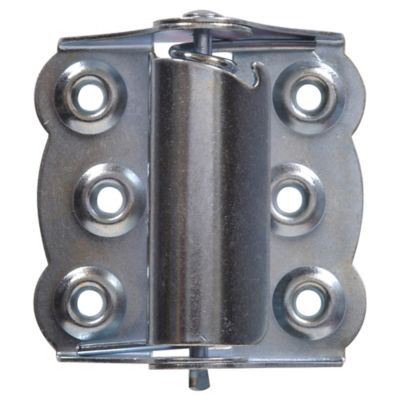
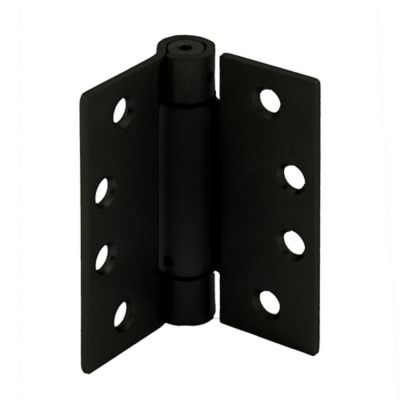
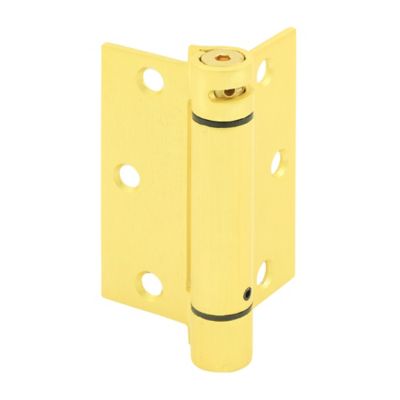
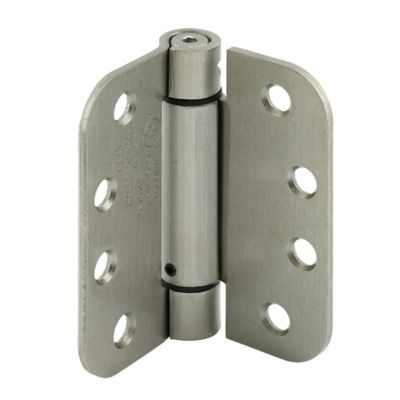
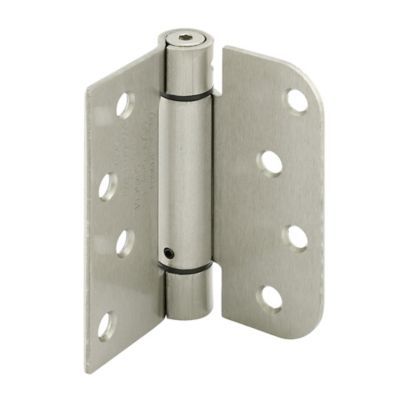
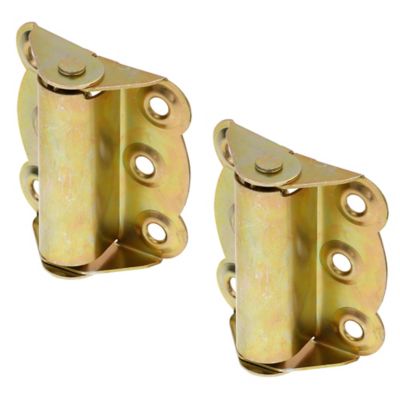
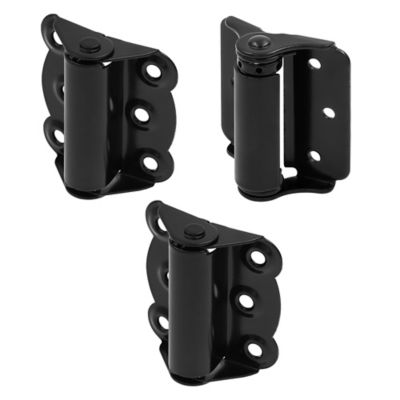
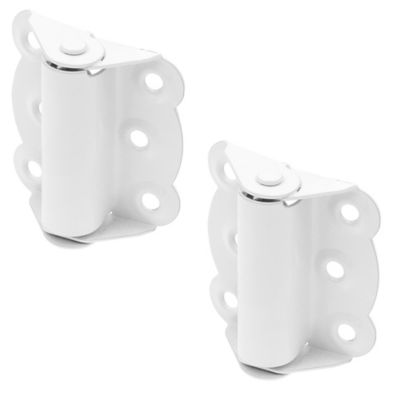
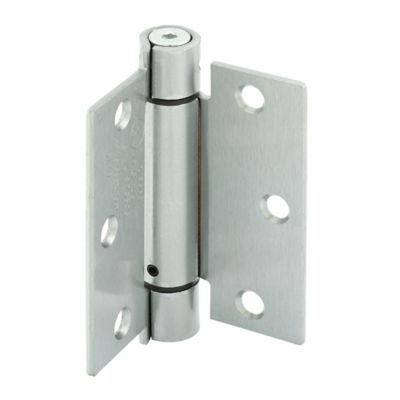
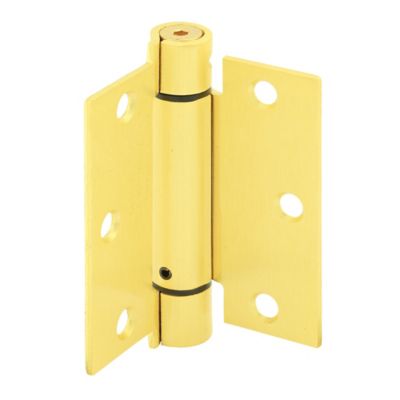
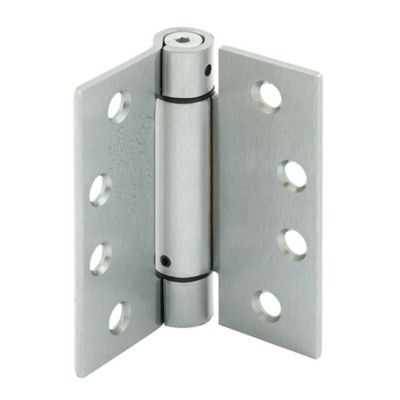
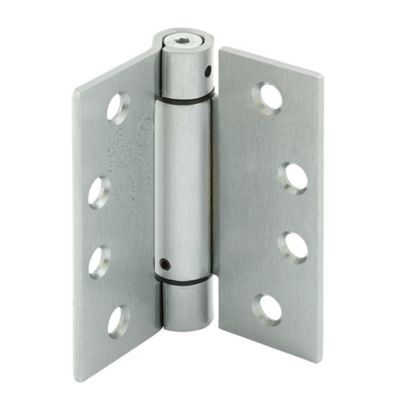
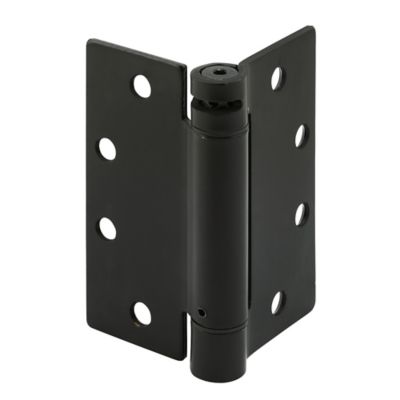
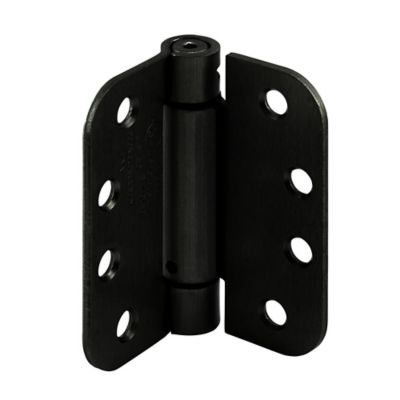
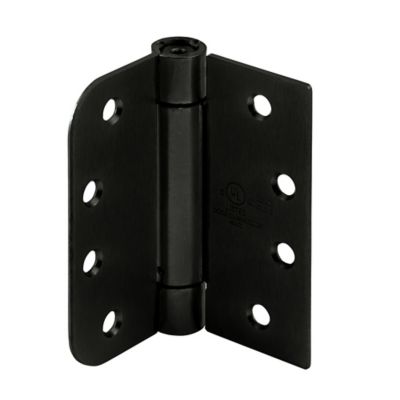
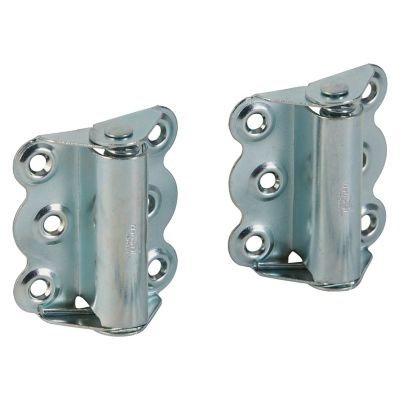
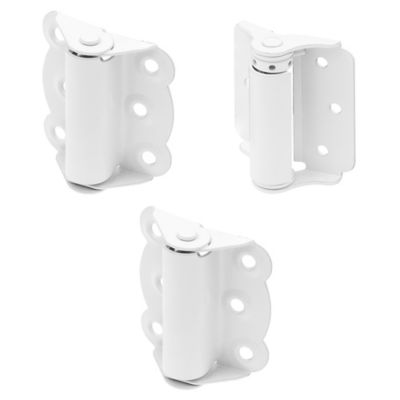
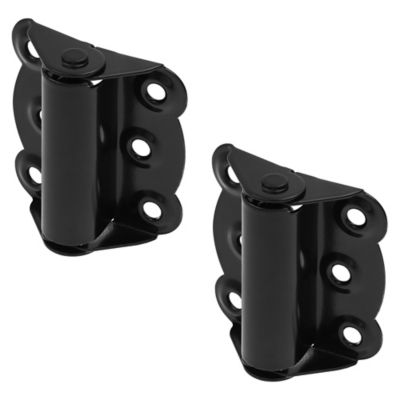
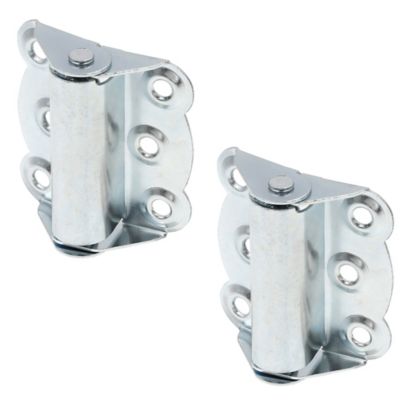
Shop spring hinges to help doors and gates close on their own after you pass through. When choosing self-closing hinges for a repair or new installation, check the hinge size, mounting pattern and door or gate weight requirements for a proper fit.
$53
.99
Sale Was $59.99 Save $6.00 (10%)
$53
.99
Sale Was $59.99 Save $6.00 (10%)
$53
.99
Sale Was $59.99 Save $6.00 (10%)
$53
.99
Sale Was $59.99 Save $6.00 (10%)
$53
.99
Sale Was $59.99 Save $6.00 (10%)
$53
.99
Sale Was $59.99 Save $6.00 (10%)
$58
.49
Sale Was $64.99 Save $6.50 (10%)
$53
.99
Sale Was $59.99 Save $6.00 (10%)
$44
.99
Sale Was $49.99 Save $5.00 (10%)
Best Of FAQ
What is a spring hinge?
A spring hinge has a built-in spring that moves a door or gate back toward its closed position after opening. Unlike a standard hinge, it combines the pivot point and spring mechanism in one piece of hardware.
What’s the difference between single-action and double-action spring hinges?
Single-action spring hinges let a door swing in one direction. Double-action spring hinges let it swing both ways, like a café-style door. The terms describe the swing pattern, not the number of springs.
How do mortise and surface-mounted spring hinges differ?
Mortise spring hinges fit into recesses cut into the door and frame, so the hinge leaves sit flush. Surface-mounted spring hinges attach to the face of the door and frame without those recesses. Check your existing hinge setup when choosing a mounting style.
What does handing mean for spring hinges?
Handing refers to the direction a door swings and which side the hinges sit on. Some spring hinges are made for a particular handing, while others are reversible. Follow the manufacturer’s handing diagram, since left-hand and right-hand labels can depend on your viewing position.
How do I choose a spring hinge finish to match my door hardware?
Start with the finish on your door handle, latch or nearby hinges. Matching both the color and the sheen helps keep the hardware looking coordinated. Finish names can vary by manufacturer, so compare the descriptions rather than relying on the name alone.
Best Sellers
-
"Great price point and has not rusted"
-
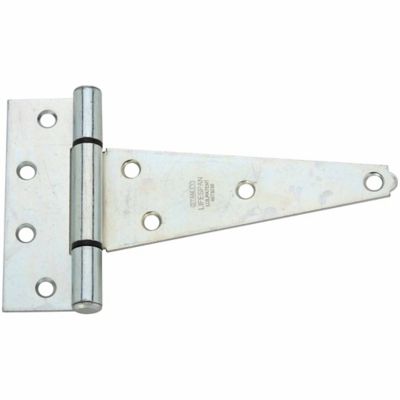
"Great hinges very heavy duty. A bit pricey"
-
"I proceeded to do my best at welding welding these hinges on to my door to make it open and close close"
-
"Great piece of engineering"
-
"Great hinges"