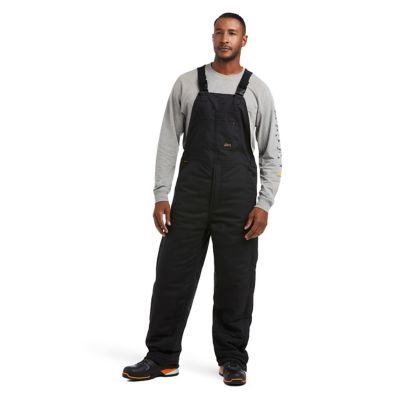
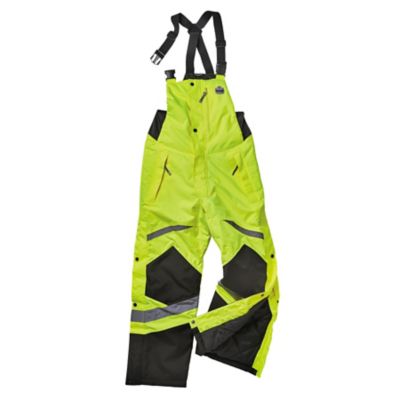
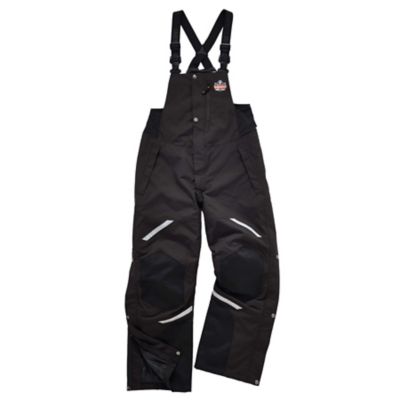
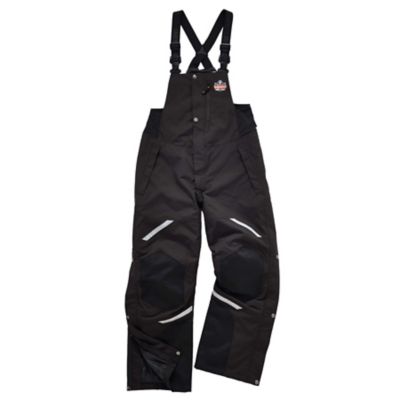
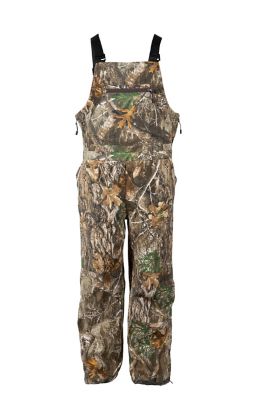
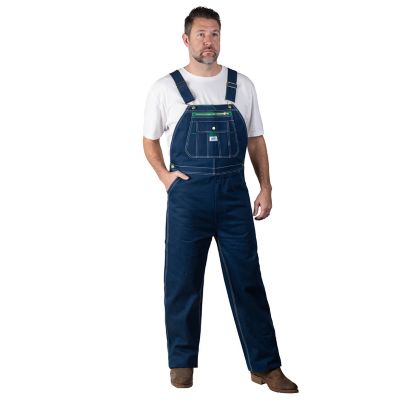
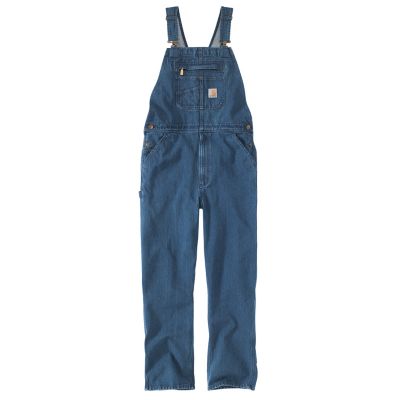
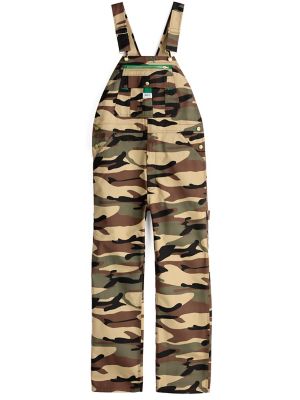
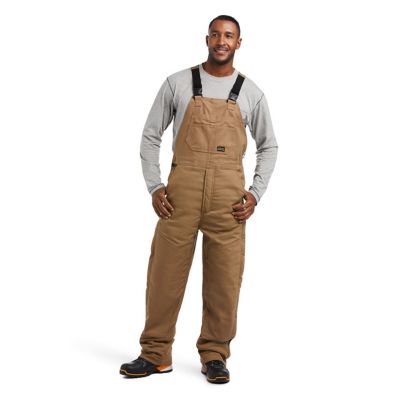
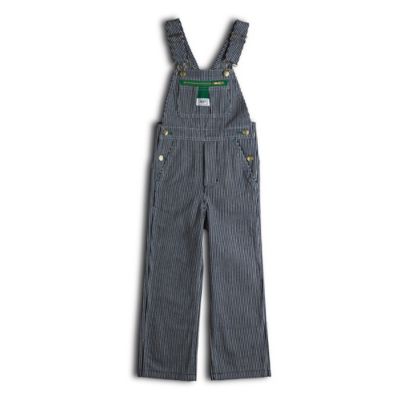
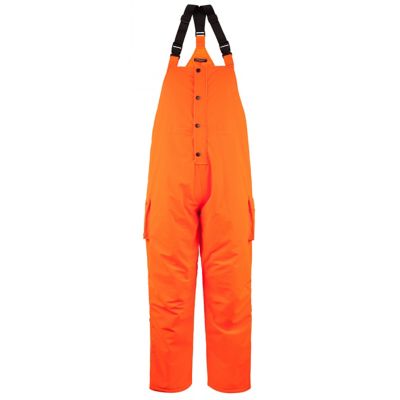
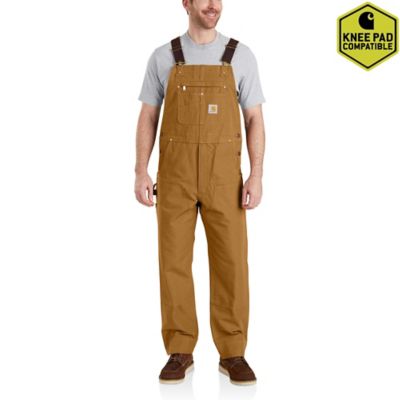
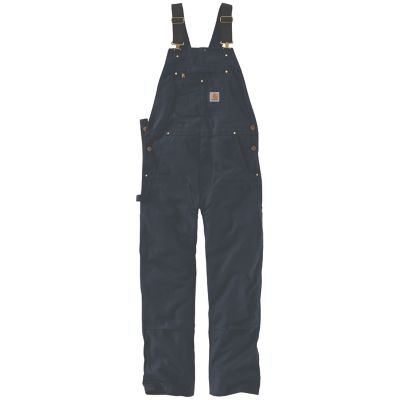
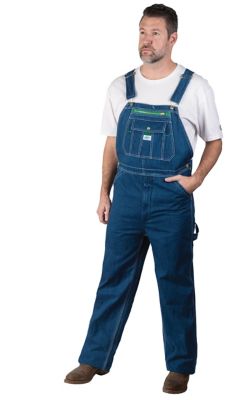
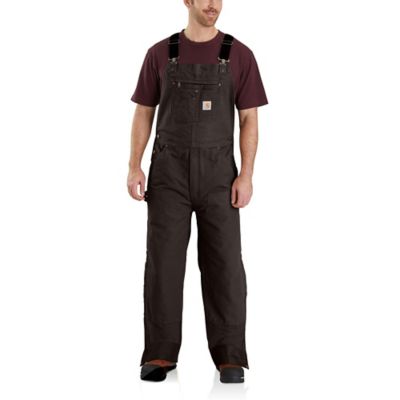
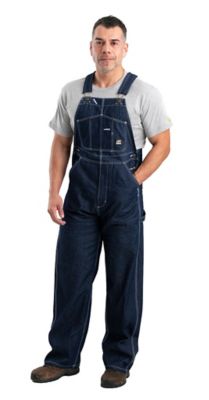
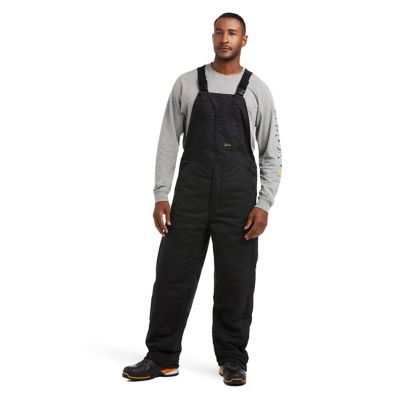
Workwear bibs are a practical choice for days that start before sunrise, stretch through muddy chores, or call for steady work outside during the cooler months. With shoulder straps, a high front, and room to move, bib overalls help cover the clothes underneath while keeping tools and small supplies close at hand. They fit right in on farms, ranches, job sites, workshops, hunting properties, and around the house when there is a fence to mend or a woodpile to stack. Many folks like them because they leave the waist and hips less restricted than standard work pants, making it easier to climb into a tractor seat, crouch beside a gate, or reach overhead while working on a barn. They can also be a thoughtful gift for a farmer, mechanic, carpenter, groundskeeper, or anyone who spends free time tending land. When choosing a pair, start with the kind of work and weather ahead. Cotton duck and canvas have a firm feel that suits rough chores, while denim offers a familiar fit for everyday tasks. Lighter fabrics can be more comfortable when the afternoon warms up, while lined or insulated bibs add welcome protection when cold air settles in. For wet conditions, look for water-resistant or waterproof fabric, sealed areas, and coverage that helps keep rain from soaking through to the layers below. During the cooler stretch of the year, insulated workwear bibs can help hold in warmth without piling on so many separate layers that movement becomes awkward.
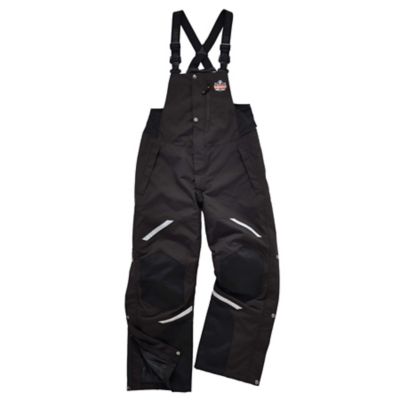
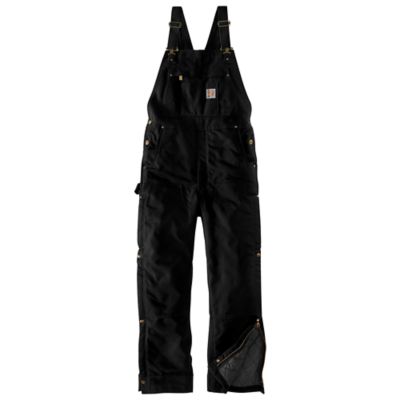
A good fit makes a difference after several hours on your feet. The bib should sit comfortably across the chest without pulling when you bend, sit, or climb, and the straps should adjust smoothly so the front stays in place without digging into your shoulders. Leave enough room for a shirt, sweatshirt, or jacket underneath, especially if the bibs are headed outdoors through changing temperatures. At the same time, extra room should not allow loose fabric to catch on machinery, branches, or corners around the shop. Check the waist, seat, and leg shape, along with inseam options, since a proper leg length helps keep cuffs from dragging through mud or catching under boots. Reinforced pockets, hammer loops, ruler pockets, and wide openings can make a pair more useful on the job. A chest pocket can hold a phone, pencil, tape measure, or small notepad, while front pockets give cold hands a place to warm up between tasks. If work takes place near traffic, equipment, or low light, high-visibility colors and reflective details may help workers stand out. Certain jobs may also call for flame-resistant materials, protective ratings, or site-specific clothing rules, so check the requirements before making a purchase. For a clean, straightforward look that pairs easily with flannel, thermal shirts, or a work jacket, browse
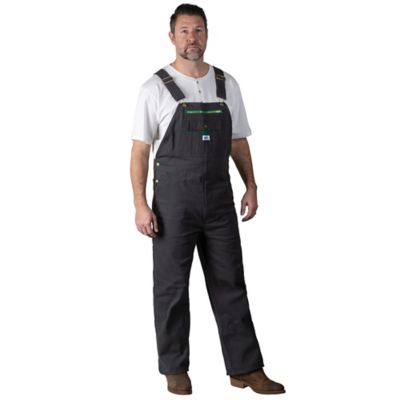
Black Bib Overalls For Men. A darker color can also make everyday dust and shop marks less noticeable, while classic brown, blue, or high-visibility shades may suit different work settings.
Think about the details that matter during a full day rather than only how the bibs look on the hanger. Strong stitching at stress points, secure hardware on the straps, and pocket openings that stay accessible can make routine chores feel less frustrating. Roomy knees are helpful when kneeling to repair a water line, plant along a fence row, or service a mower. A bib with a smooth lining may slide more easily over base layers, while a brushed interior can add a little extra comfort against the skin. If the work involves sawdust, feed, grease, or soil, follow the care instructions and wash the garment as recommended; regular cleaning helps keep fabric from becoming stiff with buildup and lets you spot worn areas before they become a problem. Hang bibs where air can move around them after a wet day, and empty the pockets before washing. Keeping a spare pair on hand can be useful for muddy chores, especially when one set is drying by the stove or laundry room. Workwear bibs also make a sensible gift when you know the recipient’s usual size and the conditions they face. For someone who works in a heated shop, a lighter unlined pair may be a better fit; for an outdoor worker who feeds livestock at dawn or clears snow from a drive, added insulation and weather protection may matter more. Whether they are worn over a flannel shirt on a crisp morning, layered above a hoodie while checking fence lines, or paired with a jacket for a cold day in the tractor seat, the right bibs bring practical coverage, useful storage, and easy movement to everyday work.