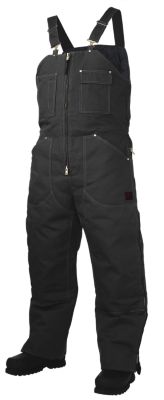
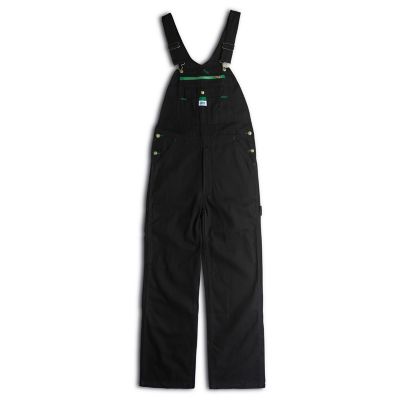
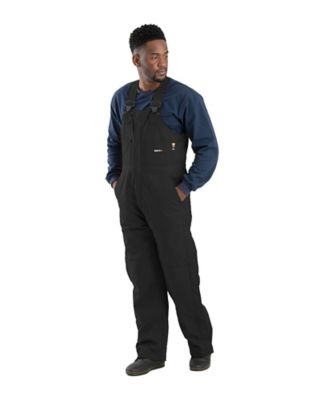
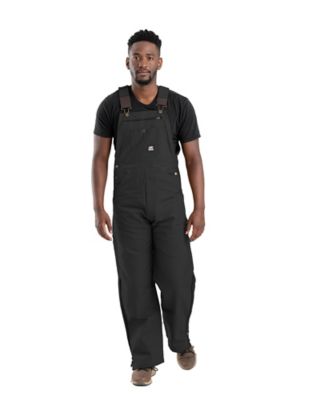
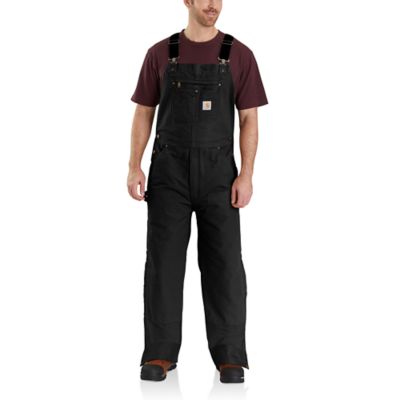
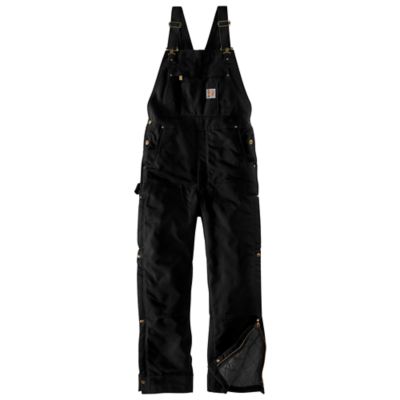
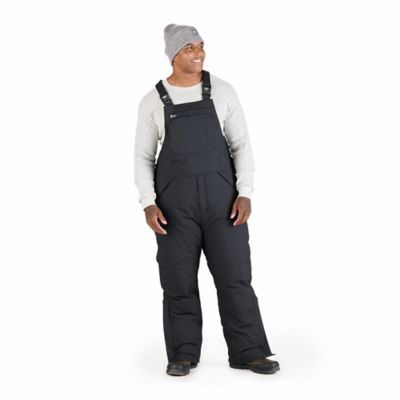
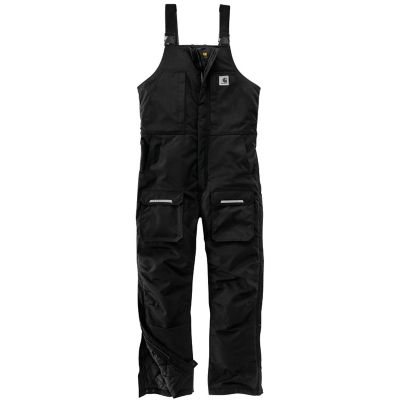
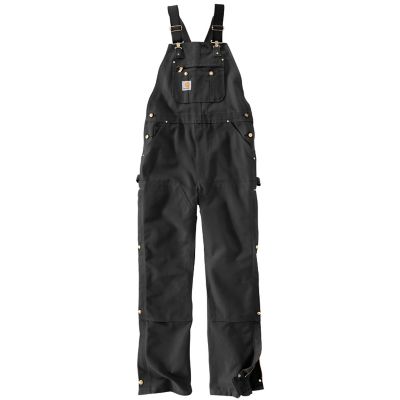
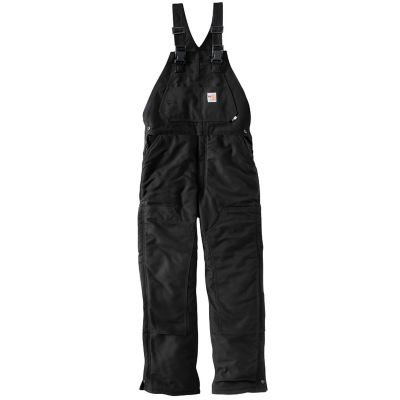
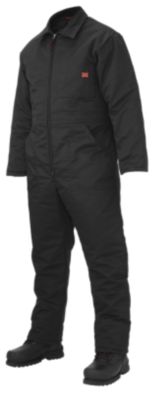
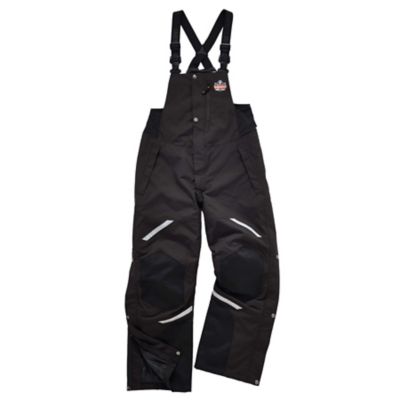
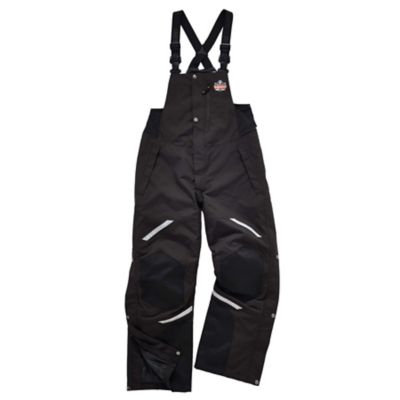
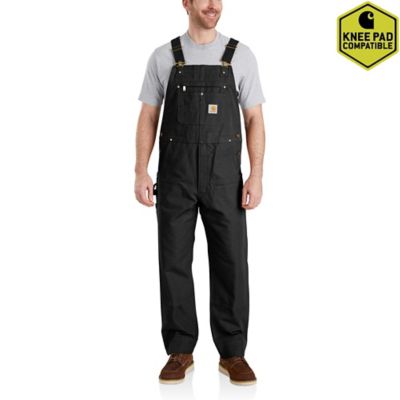
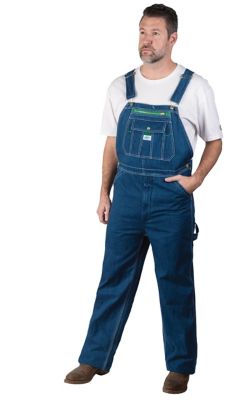
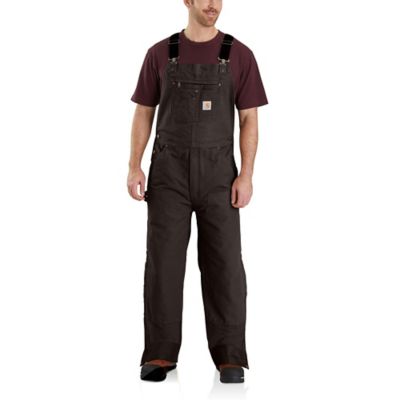
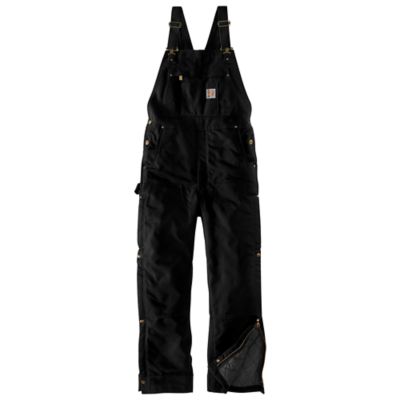
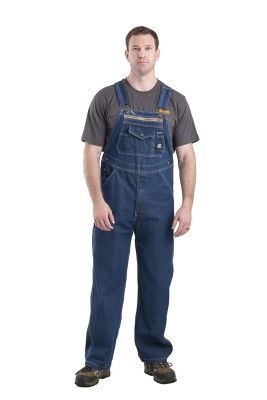
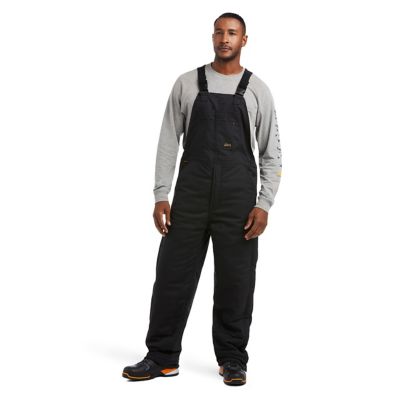
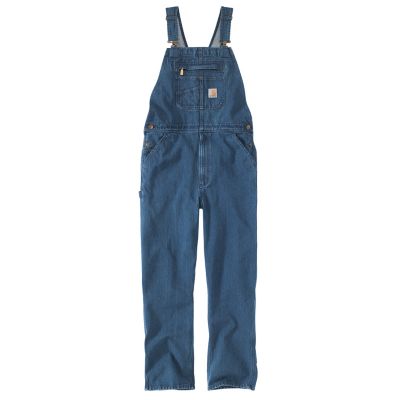
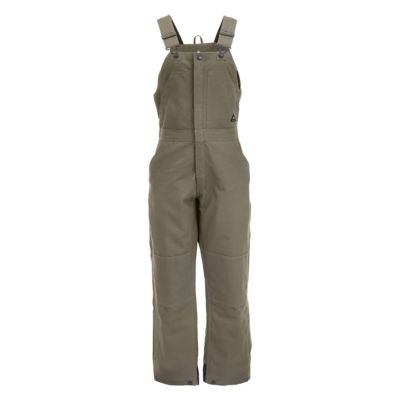
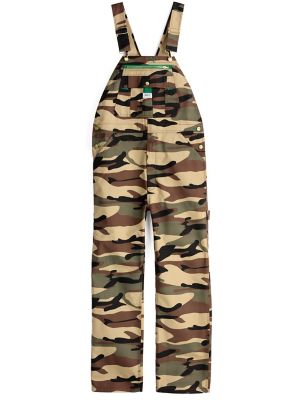
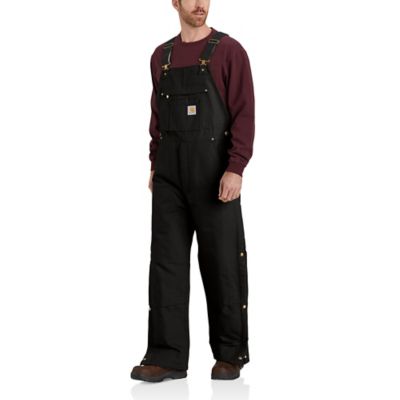
Black bib overalls for men bring a straightforward look to clothing built around chores, shop time, and work that keeps a fellow moving. The full bib adds coverage across the front, while shoulder straps support the pants without relying entirely on a tight waistband. That makes this style a practical choice for feeding livestock, tending fence lines, working on equipment, or spending an afternoon at the workbench. Black pairs easily with plaid shirts, plain tees, and button-front work shirts, so the same basic outfit fits in at the feed store or around the home place. Fabric makes a noticeable difference in how a pair feels and wears. Cotton duck has a firm, closely woven feel that suits contact with rough boards, tool handles, and other everyday sources of abrasion. Black denim offers a familiar jeans-like feel, with the character of the fabric becoming more noticeable as it breaks in. Twill can give the surface a smoother appearance, while fabric blends may bring different levels of stretch, weight, and shape retention. A little stretch can make kneeling beside a gate hinge or climbing into a tractor seat more comfortable, though the cut matters just as much as the fiber blend. Heavier cloth generally feels more substantial in the hand, while lighter cloth can feel less restrictive through a full day of movement. Neither fabric weight nor a stiff feel tells the whole story about how long a pair will hold up. Seam placement, reinforced stress points, and the way hardware attaches to the fabric all deserve attention, too. Black also has its own practical trade-offs: it can make some grease marks less noticeable, but pale dust, hay chaff, lint, and dried mud may stand out against the dark surface. For men who like a simple workwear look, those everyday marks are part of putting the garment through its paces.
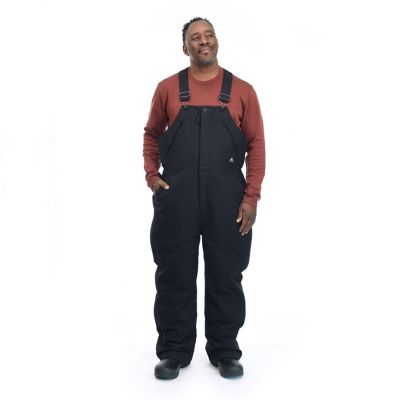
Fit is where black bib overalls start to feel like dependable chore clothes rather than something that needs adjusting all day. The bib should sit comfortably across the chest, with enough room through the waist, seat, and thighs to bend, squat, and reach without pulling at the straps. A relaxed cut can leave space for a shirt underneath and make stepping up onto equipment easier, while a straighter cut may feel less loose through the legs. Overalls sizing does not always line up with jeans sizing, so waist and inseam measurements are a better starting point than a familiar pants size alone. A full belly, broad chest, or longer torso can change where the bib rests, even when the waist measurement looks right. Adjustable straps help fine-tune that position, but they cannot make up for a rise or body length that does not fit. With a shirt tucked in and work boots on, there should be room to sit without pressure at the crotch and walk without the hems dragging beneath the heels. Leg openings also matter when pulling the fabric over boots; some cuts offer more room than others. Pocket layout is another detail that earns its keep during ordinary jobs. A bib pocket can keep a pencil or small notepad within reach, and deeper front pockets can hold small essentials without crowding the hands. Divided pockets, hammer loops, and reinforced openings may suit men who move between the barn, garage, and repair bench. The best arrangement depends on the job, since a pocket full of metal parts can press against the leg when kneeling. Secure closures help keep belongings in place, and smooth-working buckles make getting dressed less of a fuss. Around moving machinery, straps should be fastened and loose fabric kept clear of moving parts. Everyday bib overalls are work clothing, not a substitute for protective garments required for a particular task.
Care habits play a big part in keeping black bib overalls comfortable and presentable through repeated wear. The care label is the place to start because cotton, stretch blends, linings, and hardware can call for different washing and drying methods. Emptying every pocket before laundry helps keep screws, fence staples, and bits of grit out of the wash, while brushing away loose dirt first keeps it from spreading through the load. Turning the garment inside out and washing with similar dark colors can help limit surface rubbing and visible lint. Too much detergent may leave residue, particularly on dark cloth, so the amount should match the load and the washer’s directions. Grease and oil marks deserve treatment suited to both the fabric and the substance involved, rather than repeated washing without attention to the spot. Where the care label allows, lower drying heat can help limit shrinkage and stress on stretch fibers. Black fabric can soften in color over time, especially along seams, pocket edges, and other places that see frequent friction. That gradual change is different from a failed seam or a loose buckle, which deserves attention before a small problem turns into a torn strap attachment or an open pocket. Men who spend their days crouching beside equipment or leaning against rough surfaces may put extra wear on particular areas, making knee construction and reinforced stitching worth considering. For a husband, dad, son, or friend who reaches for bibs often, a pair in the right measurements can make a practical gift; matching the recipient’s preferred fabric feel and pocket setup matters more than guessing from appearance. The broader
Work Bib Overalls category offers another way to consider work-focused features alongside the black finish. A comfortable fit, useful storage, and construction suited to the job give this familiar style its everyday purpose, whether the next task is tightening a fence bracket or heading back to the barn.