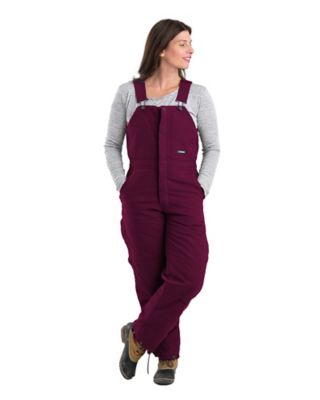
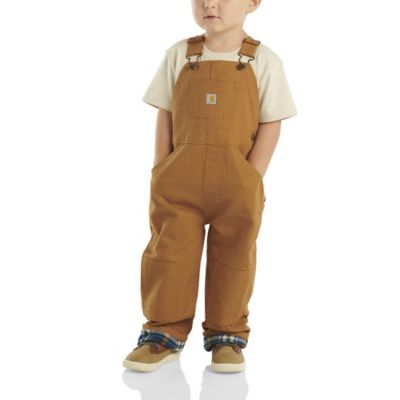
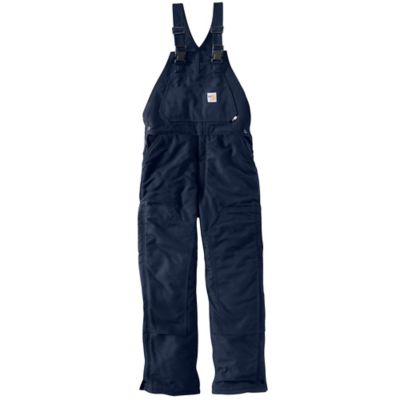
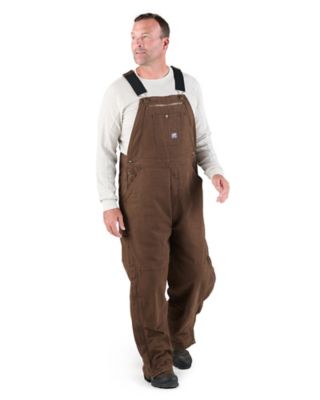
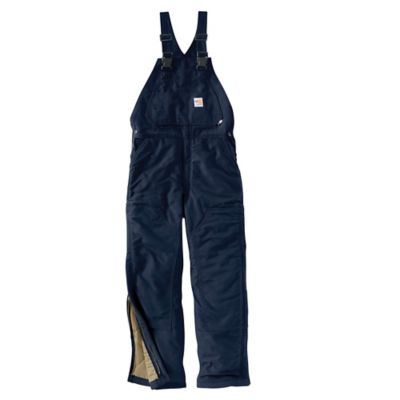
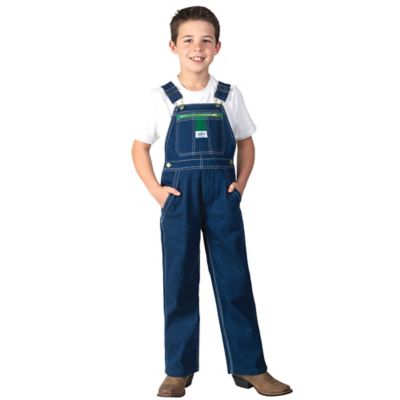
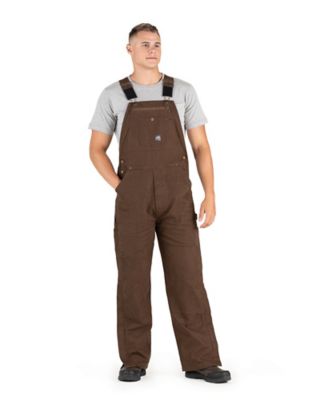
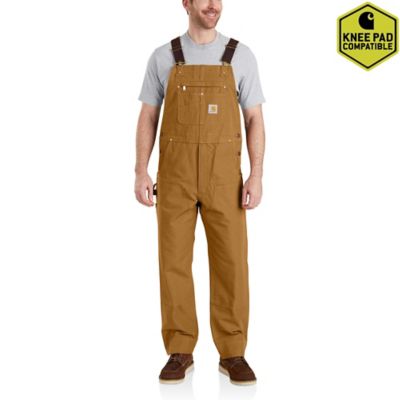
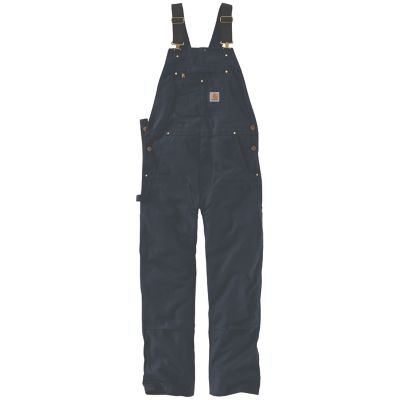
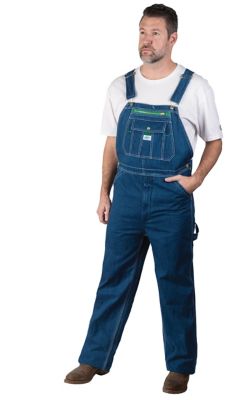
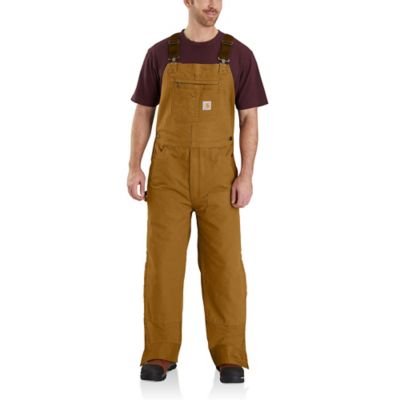
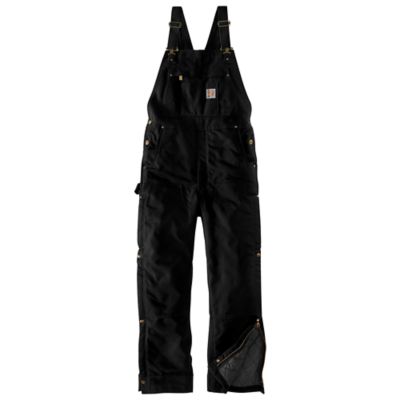
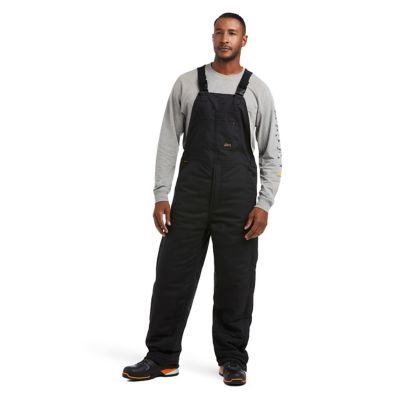
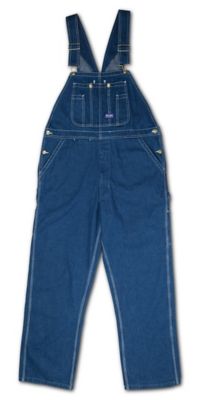
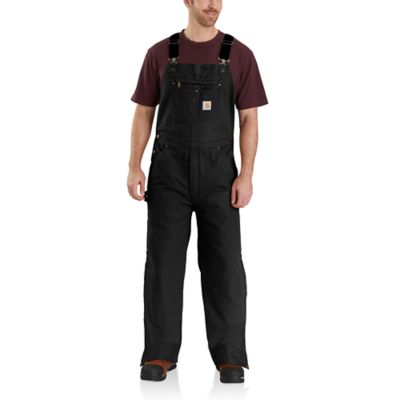
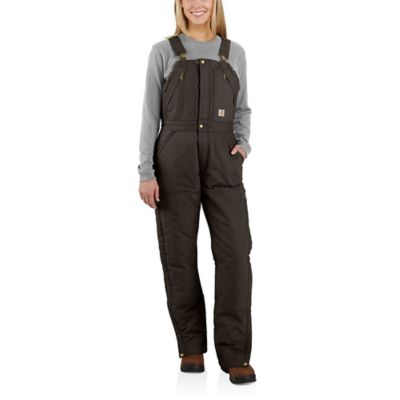
Work bib overalls are beltless workwear with a chest-covering bib, shoulder straps and full-length legs, giving folks coverage for chores that involve bending, lifting and kneeling. Adjustable straps help position the bib and waist, while pockets keep small essentials close without tying up your hands. That setup makes sense for farmers, ranchers, carpenters, mechanics and anyone who spends a good part of the day working outdoors or around a shop. The right fabric depends on what the day holds. Denim bib overalls offer a familiar feel and tend to soften with washing and wear, making them a practical choice for everyday barn chores, gardening and general maintenance. Cotton duck has a tightly woven canvas construction that stands up well to repeated rubbing against fence rails, lumber and rough work surfaces. Fabric weight matters, too: heavier cloth generally provides more substance against abrasion, while lighter cloth can feel less restrictive during active work. Stretch blends give a little when climbing steps or crouching beside a water line, and synthetic fabrics may offer faster drying or better moisture management, depending on their construction. None of those material names alone guarantees rain protection. Water-repellent finishes help shed light moisture, while waterproof performance depends on the fabric, seams and overall garment design. Unlined work bib overalls suit active jobs and milder conditions, with room for a base layer when the air turns cool. Insulated bib overalls add a lining that helps hold warmth during longer stretches outside, such as checking fence, tending livestock or running equipment in cold weather. The difference is easy to feel when moving from steady shovel work to sitting on a tractor seat in a cold breeze. Breathability, insulation and room for layers all play a part in comfort, and the warmest option is not always the best match for a day spent moving. Work bibs earn their place through that balance of coverage, movement and protection from everyday wear.
Fit shapes how work overalls feel long before the first chore is finished. A good fit leaves space through the seat, thighs and torso so the fabric does not pull tight when stepping onto a trailer or reaching down to pick up a feed pan. Shoulder straps should hold the bib in a comfortable position without digging in or leaving the waist hanging too low. Because sizing varies by maker and style, waist and inseam measurements are a starting point rather than a guarantee that ordinary pants sizing will carry over. Size charts and garment measurements help account for the clothes worn underneath, especially with insulated work bibs that may go over work pants and a sweatshirt. Enough room for those layers matters, but excess fabric can catch on obstacles or bunch behind the knees. Leg openings need to work with boots, and hems should clear the ground rather than drag through mud or under a heel. Side openings can make getting dressed easier, while leg zippers are helpful when bibs need to come on or off over work boots. Pocket placement deserves just as much attention as pocket count. Divided chest pockets can hold a pencil or small notepad, deeper front pockets provide space for everyday essentials, and tool pockets or hammer loops help keep suitable hand tools within reach. Secure closures are useful for small belongings when leaning over a gate or crouching under a sink. Reinforced knees, double-layer panels, reinforced pocket edges and multiple rows of stitching can help high-wear areas stand up to regular work. Knee-pad pockets, where present, accommodate compatible inserts for jobs that involve time on the ground. Every added feature changes how a pair feels, so the best combination fits the task rather than simply adding more pockets or heavier fabric. Color is another practical preference: darker shades give workwear a straightforward look, and
black bib overalls for men offer another direction alongside familiar denim and earth tones. No matter the color, freedom to move and well-placed storage matter most once the work starts.
Long service life comes from matching the construction to the job and giving the garment sensible care between wears. Feeding animals before daylight, hauling firewood and repairing a gate put different demands on fabric than indoor bench work, and repeated kneeling wears different spots than hours spent driving equipment. Tough outer cloth helps with abrasion, but seams, buckles, buttons and zippers also carry their share of strain. Checking those areas occasionally can catch a loose fastener or small tear before it becomes a bigger nuisance. Care labels take priority because denim, cotton duck, stretch fabrics, insulated linings and weather-resistant finishes do not all respond the same way to washing and drying. Brushing off dried mud and emptying pockets before washing keeps grit and forgotten hardware out of the laundry. Treating ordinary stains according to the care instructions and using the recommended wash temperature can help preserve the fabric and finish. Cotton may shrink, especially with high heat, while some insulated or coated garments need particular drying methods to protect their performance. Bibs should be dry before going into storage; hanging them in a dry space between wears helps keep damp fabric from sitting folded in a heap. Workwear also has limits worth keeping in mind. Standard denim or duck bib overalls are not a substitute for flame-resistant clothing, chainsaw protection, high-visibility apparel or other job-required protective equipment. Around moving machinery, loose straps, dangling tools and excess fabric need particular attention. For everyday chores, though, the appeal is simple: coverage that stays with the wearer, pockets where they are handy and a fit that accommodates a working day. Bib overalls can also make a thoughtful gift for someone starting a hands-on trade, caring for acreage or spending weekends on fence repairs and garden projects. Knowing their measurements, preferred layers and usual work makes that choice more personal and practical. From cool mornings at the barn to afternoons stacking split wood, well-chosen work bib overalls bring together the fabric, fit and useful details that help folks get on with the job.