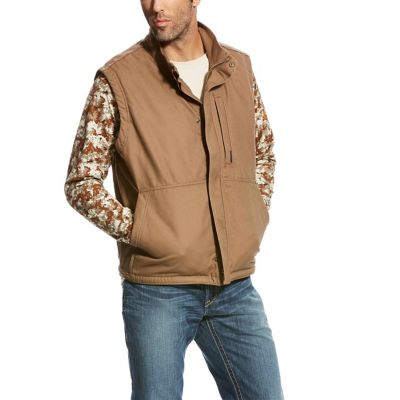
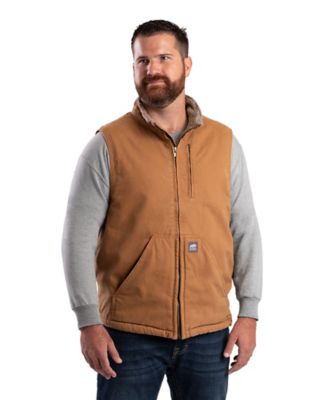
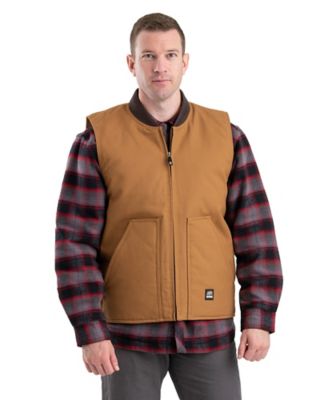
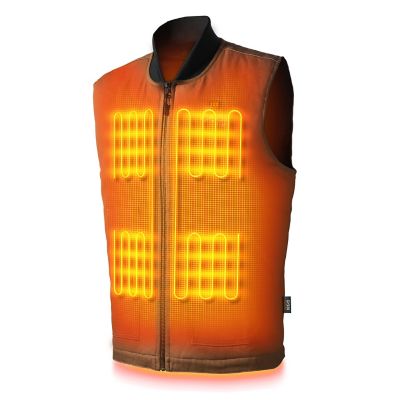
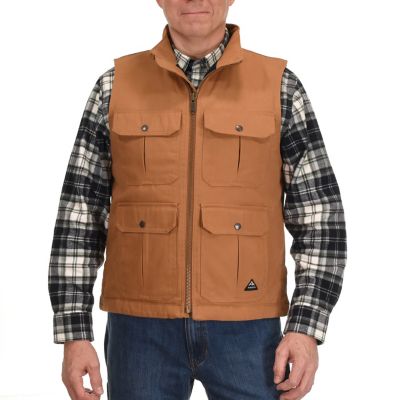
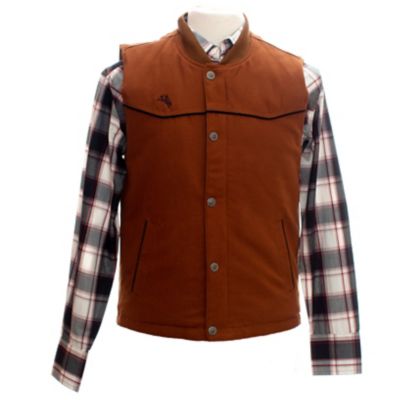
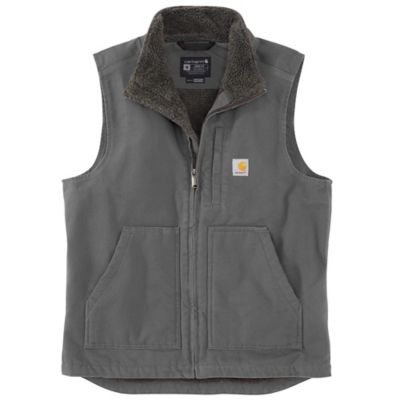
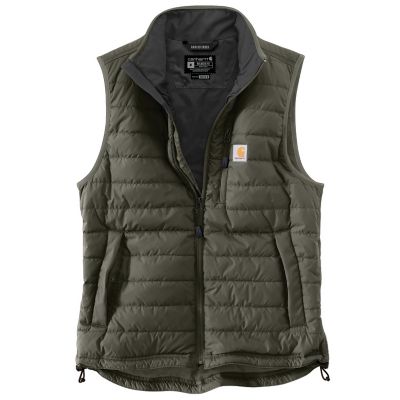
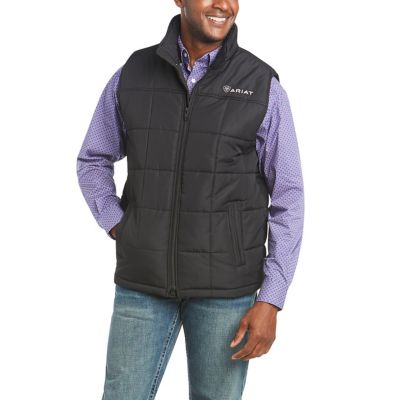
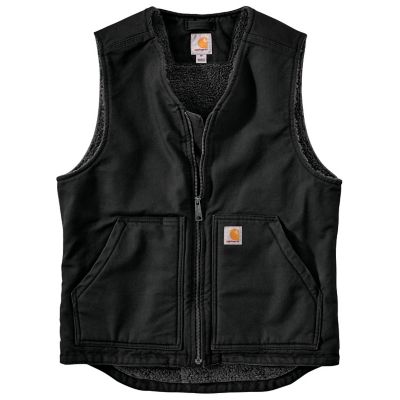
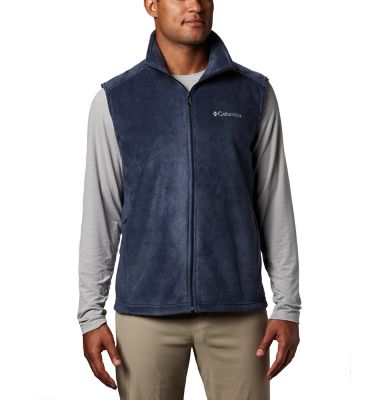
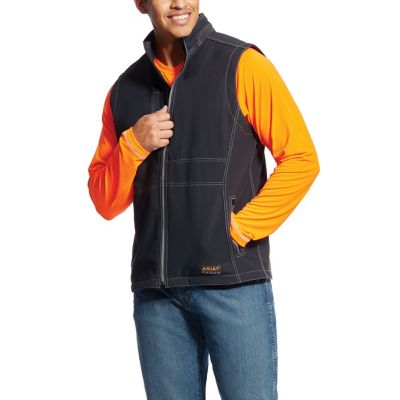
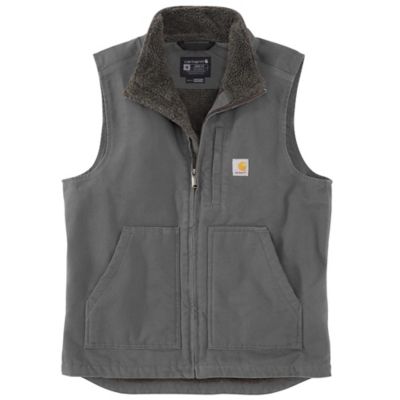
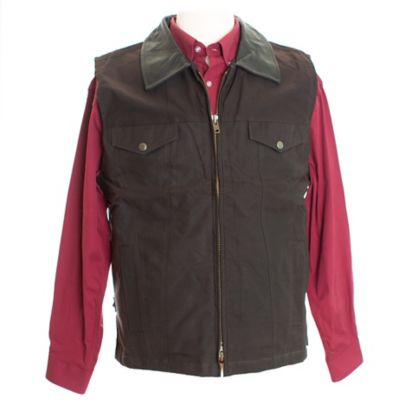
Workwear vests give you a practical middle layer when a jacket feels like too much and a shirt alone does not quite cut it. They are handy for early starts at the barn, fence repairs, landscaping jobs, hunting property, warehouse work, and everyday chores around the homestead. A vest keeps your core covered while leaving your arms free to swing a hammer, carry feed, climb into a truck bed, or handle gates and tools. During the warmer part of the season, a lightweight canvas, cotton, or breathable work vest can take the chill off a breezy morning without making you feel bundled up by afternoon. As the weather turns cooler, insulated and quilted styles add welcome warmth over a flannel, sweatshirt, or thermal shirt. This simple layer is especially useful for folks who move between indoor and outdoor work all day, since it can be slipped on before heading out and taken off when the sun warms the shop or equipment shed. Look for a comfortable fit that leaves room for the layers you normally wear underneath without hanging loose around machinery or getting in the way of your hands. A good work vest should sit smoothly at the shoulders, close securely through the front, and provide enough length to cover the lower back when you bend, reach, or climb. Features such as sturdy zippers, snap closures, reinforced stitching, and durable outer fabric matter when the vest is likely to brush against rough lumber, wire fencing, toolboxes, or brush. For a dependable everyday layer, browse options such as the
Mens Quilted Work Vest, then compare insulation, fabric weight, pocket layout, and overall fit to match the work at hand.
Pockets are one of the biggest reasons a workwear vest earns a regular place by the back door. Deep front pockets can hold gloves, a phone, keys, a tape measure, or a handful of screws while you move from one task to another, and inside pockets help keep smaller items close and protected. If you spend time around equipment, choose a design with pockets that close securely so contents do not tumble out when you climb, crouch, or ride in a tractor cab. A smooth lining can make the vest easier to pull over a sweatshirt, while a tougher outer shell stands up better to daily wear around lumber piles, hay bales, feed bags, and four-wheeler seats. Consider the type of work you do most often before choosing the weight. A lightly lined vest may be the better choice for active jobs where you work up a sweat, while heavier insulation makes sense for slow-moving chores, outdoor supervision, chilly commutes, and long hours spent checking livestock or working in an open shed. Darker colors can help hide dust and everyday scuffs, while earth tones fit naturally into a farm or ranch wardrobe. High-visibility colors or reflective details may be worth considering for roadside work, low-light conditions, or jobs around moving vehicles, but always pair visibility gear with safe work practices appropriate for the task. Comfort is just as important as toughness. Check the arm openings for a full range of motion, make sure the collar does not rub when zipped, and pay attention to whether the hem rides up when seated. A vest that feels easy to wear is more likely to become the layer you grab without thinking when the morning air is crisp and the chore list is already waiting.
Workwear vests also make thoughtful gifts for people who spend more time outside than they do in front of a heater. They suit a parent who heads out before daylight to open the chicken coop, a neighbor who is always repairing a gate, a contractor who works from one jobsite to the next, or a weekend outdoorsman who needs a dependable layer for changing conditions. They can be useful for new homeowners building a tool collection, college students working part-time outdoors, and anyone who enjoys a practical gift that will see plenty of use instead of sitting on a shelf. When choosing one for someone else, think about the person’s usual layers, preferred fit, and daily routine. Someone who wears thick hoodies may appreciate a roomier cut, while a person who works hard and moves constantly may prefer a lighter vest with breathable panels or less bulk. A neutral color is usually easy to pair with jeans, work pants, boots, and shirts already in the closet. For farm calls, trail maintenance, firewood stacking, or a chilly walk with the dog, a sturdy vest adds warmth where it counts while keeping both arms ready for the job. With sensible construction and the right fit, it can become part of a reliable routine: pulled on over a work shirt in the cool morning, worn through dusty chores, and hung near the mudroom door for the next trip outside.