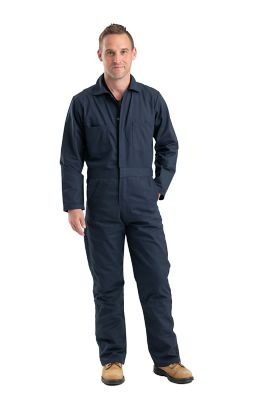
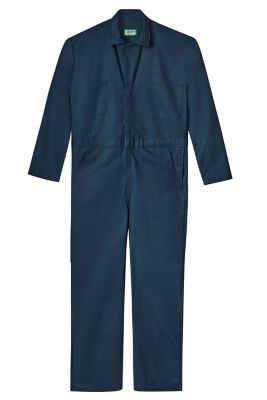
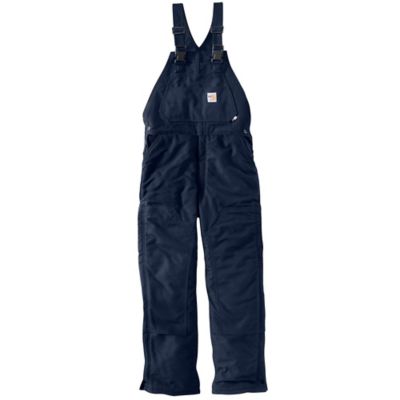
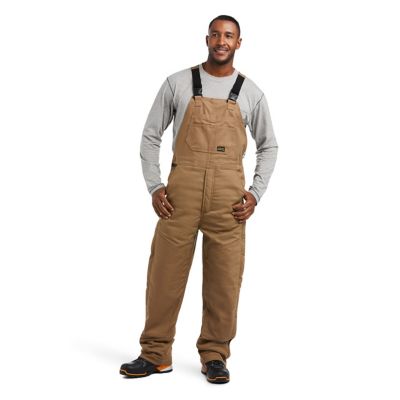
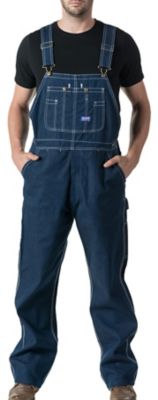
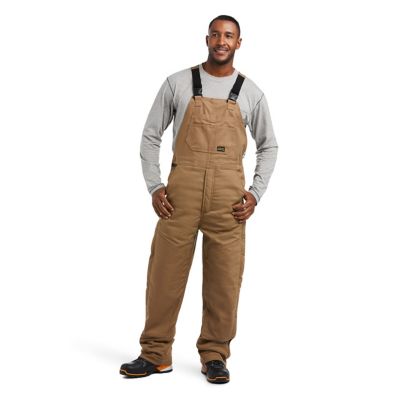
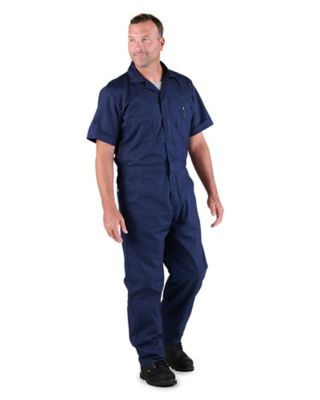
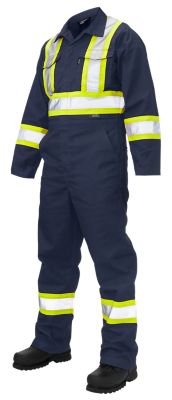
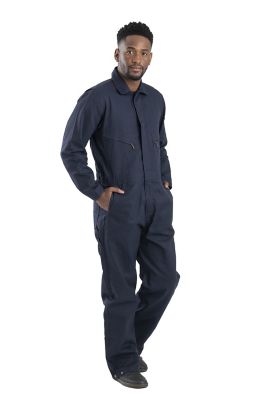
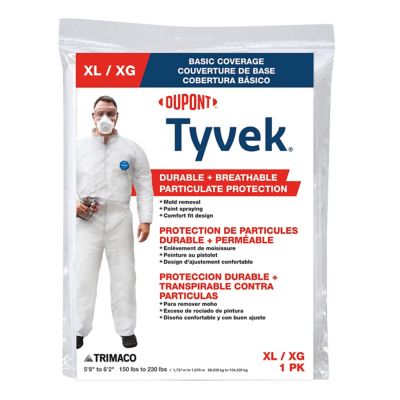
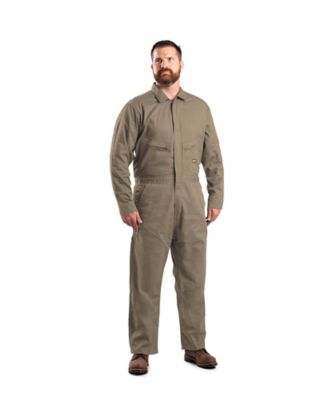
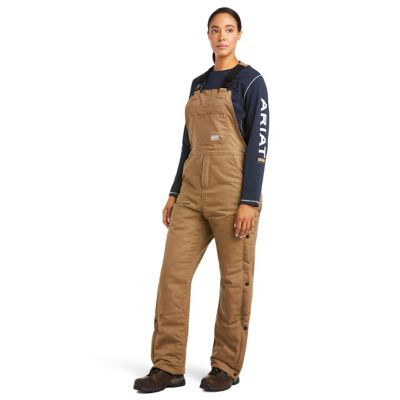
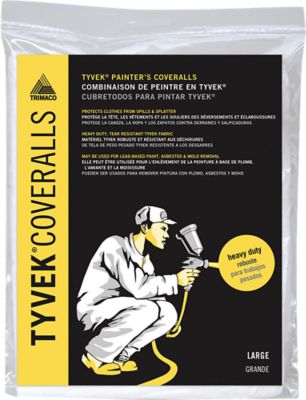
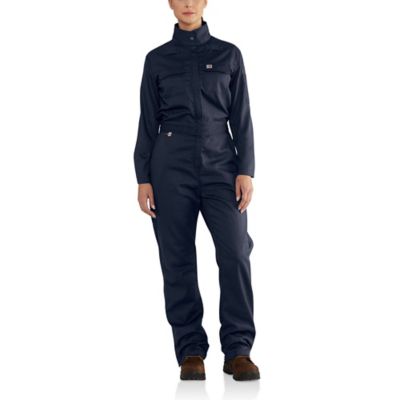
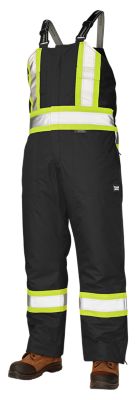
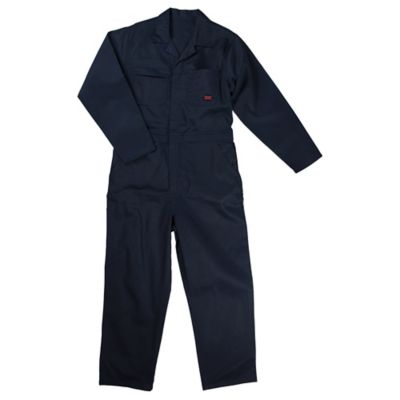
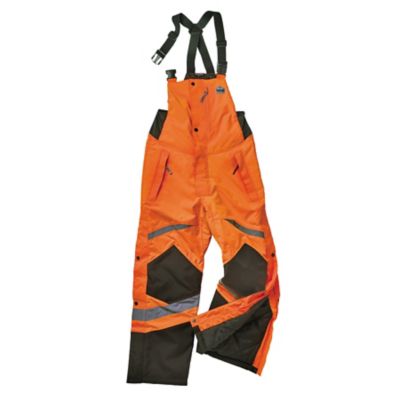
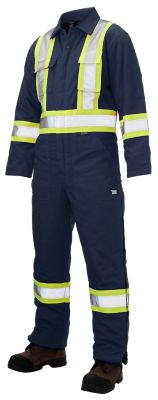
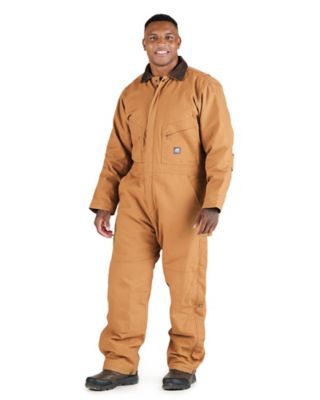
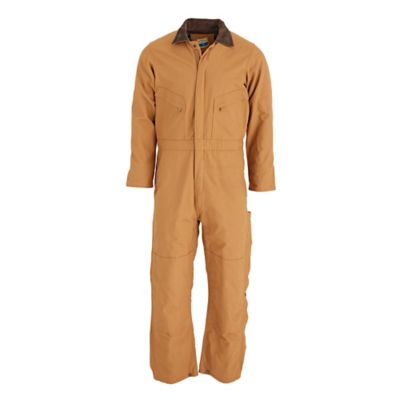
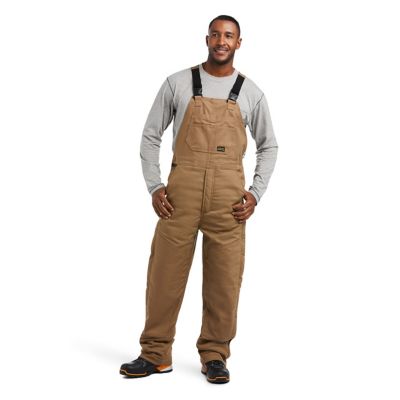
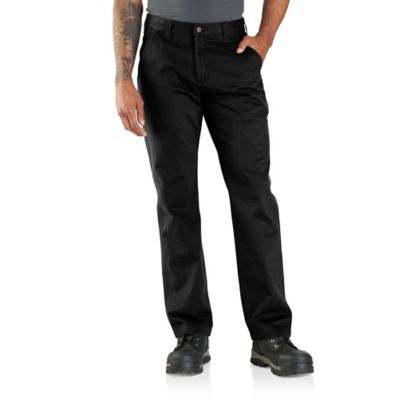
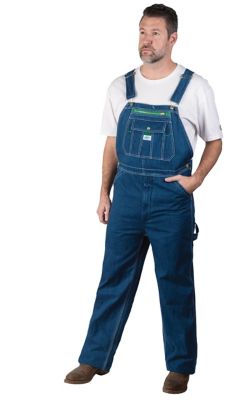
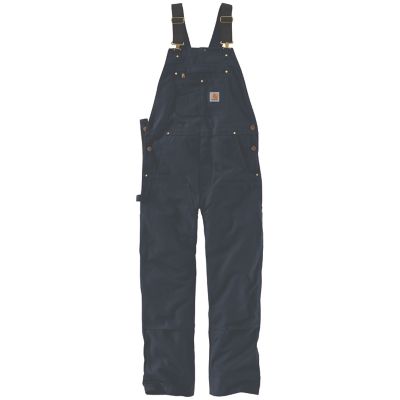
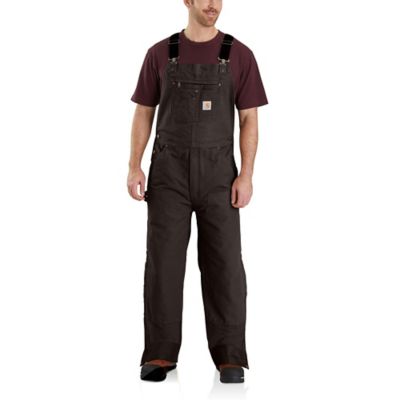
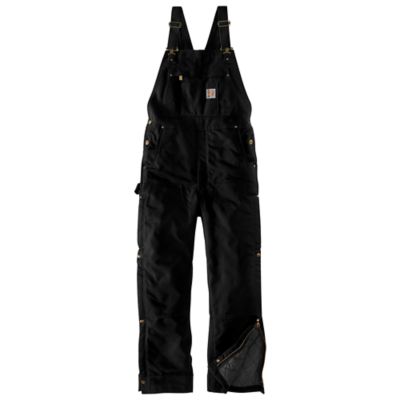
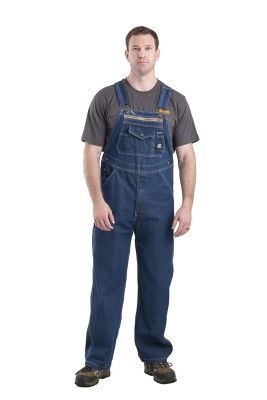
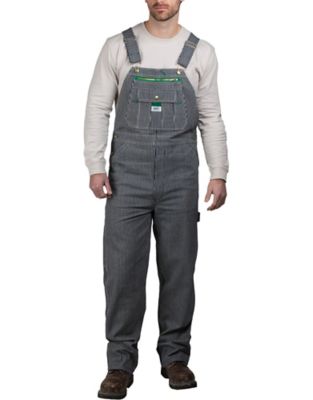
Workwear uniforms bring a crew together without losing sight of what the job demands. On a farm, in a repair shop, at a service counter or along a delivery route, work clothing needs to look put together and leave room for a full day’s effort. A consistent shirt color or coordinated set of work clothes can make employees easier to recognize when a customer pulls into the yard or a driver arrives at the loading area. Beyond that shared appearance, the fabric and construction do much of the hard work. Cotton offers a familiar feel against the skin, while cotton-and-polyester blends can balance comfort with wrinkle resistance and straightforward care. Twill has a closely woven structure that suits many everyday uniforms, and canvas provides a substantial feel for tasks that involve brushing against rough surfaces. Ripstop fabrics have a reinforcing grid that can help limit the spread of small tears, though fabric weight and construction still matter. Stretch blends offer another option for jobs that involve repeated bending, climbing or reaching. A mechanic leaning over a fender and a farmhand crouching beside a feed trough may wear similar uniform colors, but their clothing needs can differ in important ways. Fabric that hangs neatly at a service desk may not be the best match for repeated contact with concrete, lumber or equipment. Heavier cloth can stand up to more rubbing, while a less substantial fabric may offer easier movement during tasks with less abrasion. Reinforced knees, firmly attached belt loops and extra stitching at pocket corners are useful details where clothing takes repeated strain. Color also plays a practical role: darker shades can make everyday marks less noticeable, while a consistent color scheme helps separate work clothing from off-duty clothes. The right balance comes from matching the uniform to the actual work, rather than expecting one fabric or cut to handle every task equally well.
Fit makes a noticeable difference from the first reach across a workbench to the last climb into the truck. Workwear uniforms should allow normal movement without excess fabric gathering around tools, catches or moving equipment. A shirt needs enough room through the shoulders for reaching forward, and its length matters when bending or stretching overhead. Pants should sit comfortably at the waist without pinching during a squat or pulling tight across the seat when stepping onto equipment. Coveralls need enough room through the torso to sit and bend without pressure at the shoulders or crotch. For crews with different builds, a coordinated appearance does not have to mean an identical cut for every person. Size charts and garment measurements help account for differences in rise, sleeve length and leg shape, especially when clothing will be worn over another layer. Pocket placement deserves just as much thought as pocket count. A chest pocket may keep a small notepad within reach, while a pocket positioned along the leg can provide access without crowding the waist. Tools or sharp objects should not press into the body when kneeling or sitting. Closures make a difference, too: snaps can be convenient, covered buttons can reduce exposed hardware, and zippers should move freely without catching the fabric beneath them. A
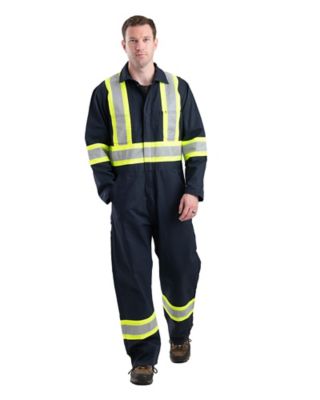
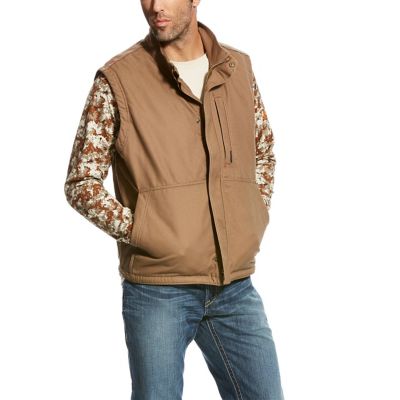
Workwear Vest can add accessible storage while leaving the arms free, provided its fit and features suit the task. For work near rotating machinery, loose hems, dangling cords and unsecured accessories deserve particular attention. Protective requirements also come before appearance. Ordinary work clothing is not a substitute for garments with the flame-resistant, visibility or other protective ratings a workplace requires. Bright fabric alone does not establish a safety rating, and choosing protective clothing means checking the garment label against the job’s requirements. Uniforms work best when their fit, pocket layout and construction support the way people actually move through the workday.
Care is part of keeping workwear uniforms ready for the next shift, especially when a day’s work leaves behind grease, feed dust or ground-in dirt. Wash instructions vary by fabric, finish and protective rating, so the care label is a better starting point than treating every load alike. Separating heavily soiled work clothing from other laundry helps keep that grime from spreading, and prompt attention to stains can make them easier to lift. Some fabrics tolerate a more vigorous wash routine than others; excessive dryer heat can shrink certain materials or affect stretch fibers and finishes. Garments with protective properties may have specific restrictions on bleach, softeners or other laundry products, and those directions matter beyond keeping a shirt looking neat. Clothing contaminated with hazardous substances may require workplace handling procedures rather than a trip through the household washer. Between washes, small construction details often reveal how a uniform is holding up. Fraying pocket edges, thinning knees, loose seams and damaged fasteners can turn a minor annoyance into a bigger interruption during a job. Early repairs may extend the working life of ordinary garments, but alterations to protective clothing need to follow the manufacturer’s directions and workplace rules. Having enough uniform changes for the normal wash cycle also helps keep stained or damp clothing from becoming the only choice before a shift. For teams, clear expectations about colors, fit and garment care can make a coordinated look easier to maintain without asking every worker to wear the same shape or fabric weight. For someone working independently, a regular set of work clothes can make getting out the door simpler and keep jobsite wear separate from clothes meant for other parts of the day. Whether the setting is a livestock operation, a maintenance crew or a small-town service business, workwear uniforms earn their place through practical details: fabric suited to the task, room to move, secure storage and construction that holds together through repeated wear and washing.