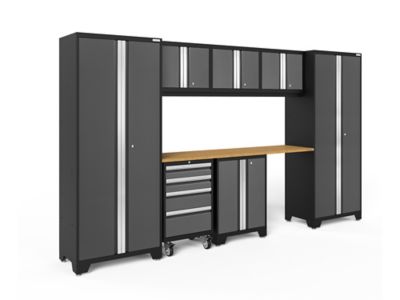
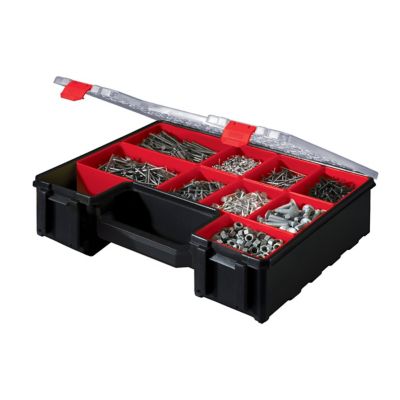
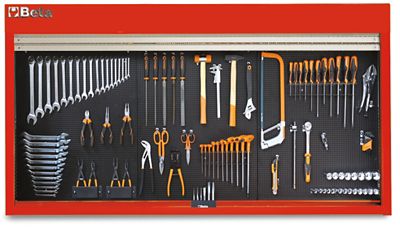
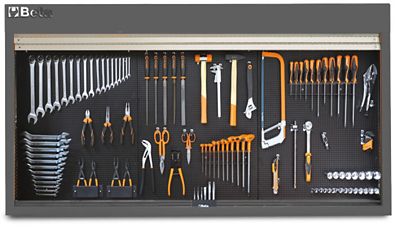
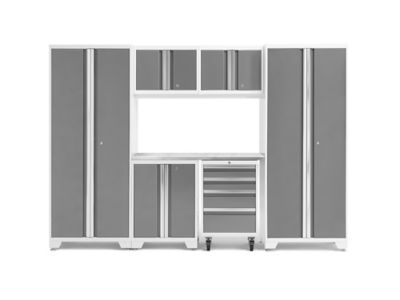
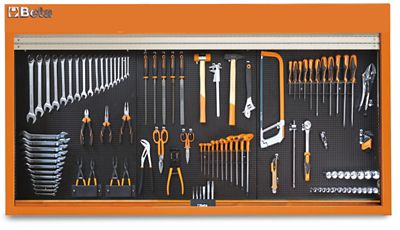
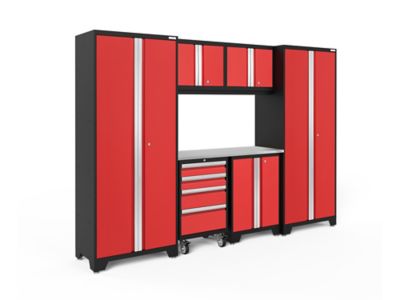
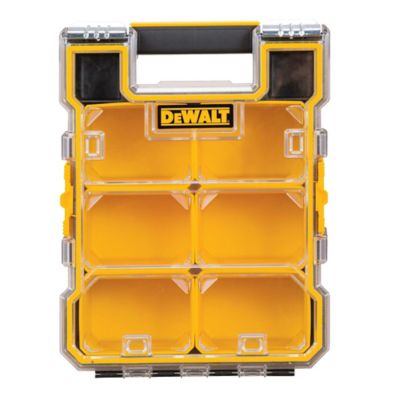
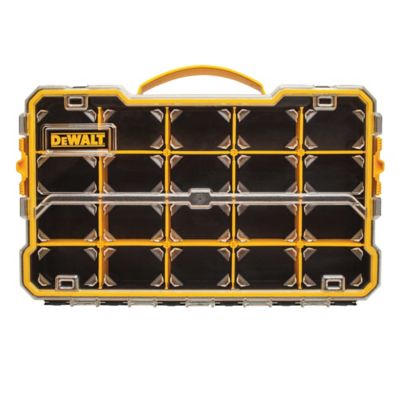
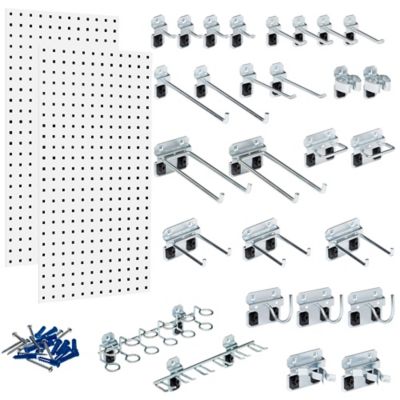
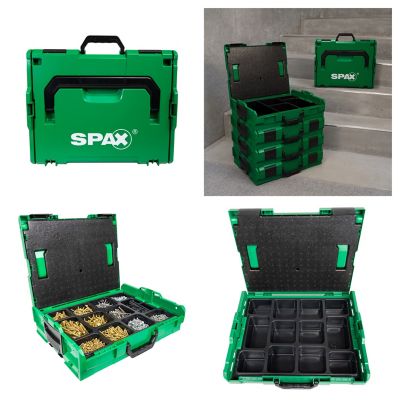
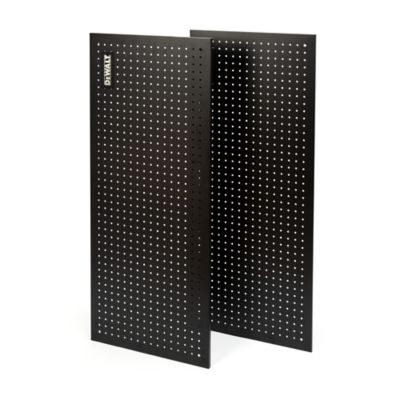
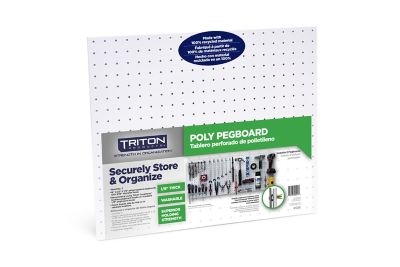
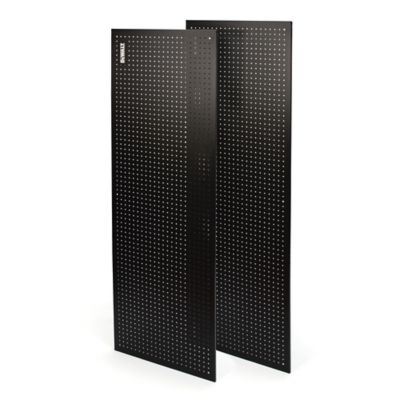
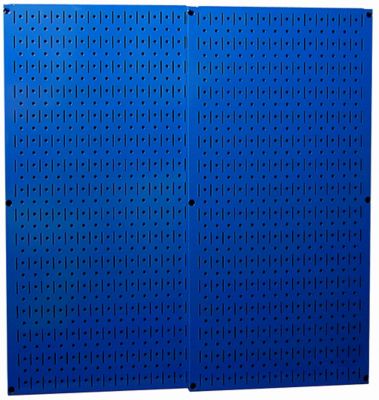
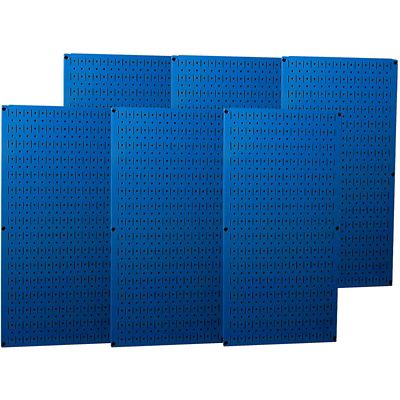
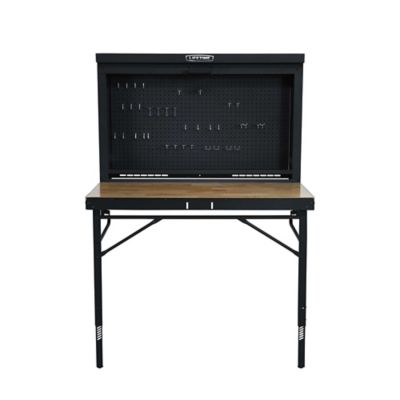
Workshop organizers are storage solutions that keep tools, hardware and supplies sorted, protected and easy to reach. They include pegboard systems, wall-mounted racks, storage rails, parts bins, drawer dividers and portable organizers, with different layouts suited to different kinds of work. In a farm shop, garage or home workshop, that can mean keeping wrenches beside the repair bench, separating bolts by size or giving measuring tools a spot away from heavier equipment. Wall-mounted organizers make good use of space above a bench without taking over the work surface. Hooks, holders and shelves can accommodate tools with different shapes, while open bins keep frequently needed hardware within reach. Drawer organizers bring order to smaller spaces, helping separate sockets, drill bits and fasteners that otherwise tend to roll together. Portable compartments suit jobs that move from the shop to a fence line, equipment shed or driveway, especially when a task calls for several sizes of screws, nuts or washers. The best fit depends on what needs a home and how often it comes out. A shallow tray makes small parts easier to see, while a deeper bin has room for larger fittings or several pieces of the same hardware. Adjustable dividers offer flexibility as a tool collection changes, and fixed compartments provide consistent separation for parts that stay in regular rotation. Clear lids and visible labels can save a lot of rummaging, particularly when similar-looking pieces have different dimensions. For long-handled tools or awkward attachments, racks with suitable spacing help keep handles from tangling. A useful setup leaves enough room to lift a tool off its hook, open a drawer fully and carry a loaded tray without squeezing past other equipment. Those everyday details matter just as much as the number of compartments, especially in a small shop where every stretch of wall and every corner of the bench has a job to do.
Materials, construction and mounting requirements help determine where workshop organizers belong and what they can hold. Steel organizers can suit heavier shop equipment, but metal thickness, joints, fasteners and the stated load rating all affect their carrying capacity. Coated finishes help protect metal surfaces, though scratches and contact with corrosive substances still deserve attention. Aluminum offers a lighter metal option, while molded plastic is practical for sorting small parts and carrying hardware between work areas. Plastic formulations vary, so resistance to impact, oils and cleaning agents depends on the organizer’s specifications. Wood-based panels and dividers can work well in dry indoor spaces, with edges and surfaces that benefit from prompt cleanup after spills. For any material, a smooth compartment is easier to wipe out than a narrow recess that traps filings and sawdust. Removable trays can make cleaning simpler, and drawer liners can help keep tools from sliding as drawers open and close. Fit goes beyond outside measurements. Pegboard hole spacing, panel thickness, rail profiles and attachment styles affect whether hooks and accessories work together. Drawer height needs to account for both the organizer and the tools inside it, while a storage case needs enough clearance for its lid and latches. Wall-mounted systems also depend on the supporting structure and the mounting method specified by the manufacturer; a panel’s load rating does not replace the need for suitable wall attachment. Individual hook ratings matter alongside the capacity of the overall system. For floor-standing storage, a stable base and appropriate anchoring help address tipping concerns, particularly where drawers extend into the workspace. Regular care is usually straightforward: clearing away grit, wiping up oil, checking attachment points and following the care directions for the material. Hinges, handles and latches deserve a look, too, since they take repeated handling. An organizer that suits the task should support the weight involved without crowding tools together or requiring a hard tug every time something comes out.
Different work calls for different arrangements, and workshop storage earns its place by making familiar tasks less of a scramble. Someone maintaining mowers or farm equipment may need space for sockets, extensions, hose clamps and replacement fasteners, with heavier tools close to the main work area. A woodworker may put more value on keeping measuring tools, drill bits and sanding supplies separated from clamps and rough-cut lumber. For welding and metalwork, small-part storage can help distinguish fittings and fasteners, while enclosed compartments help shield contents from settling shop dust. Shared workspaces benefit from clear labels and consistent locations, so the next person can find what belongs on the bench without opening every drawer. Grouping tools around a task can be handy, too: the pieces needed for routine equipment checks can stay together rather than being scattered across several cabinets. Storage works best alongside the bench, seating and cabinets already in the room, making the relationship between organizers and
workshop furniture worth considering. A shallow wall arrangement above a workbench serves a different purpose from a rolling cabinet beside a repair bay, and neither should block outlets, lighting or a clear walking path. Modular systems offer room to rearrange sections or add compatible components as needs change, while a simple tray or rack may be all a smaller workspace needs. Workshop organizers can also make practical gifts for a mechanic, a woodworker or the family member who always seems to be fixing something. Knowing the recipient’s tool sizes, available space and existing storage system helps narrow the fit without adding another box that has nowhere to go. Whether the work involves tightening a gate hinge or finishing a repair at the bench, well-planned storage keeps the necessary pieces close at hand and leaves more elbow room for the job itself.