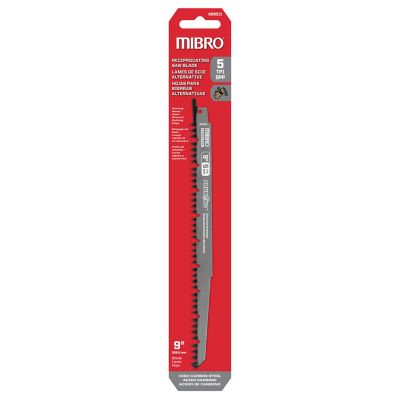
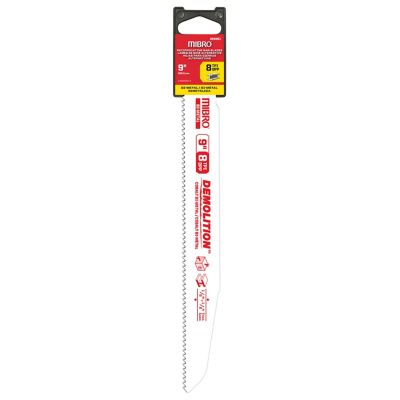
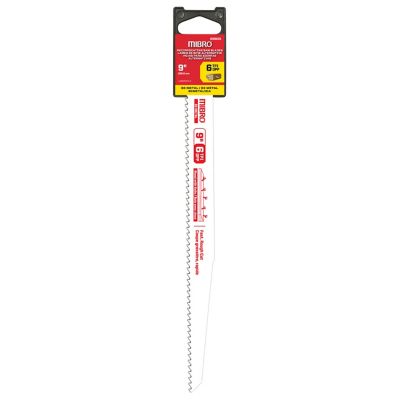
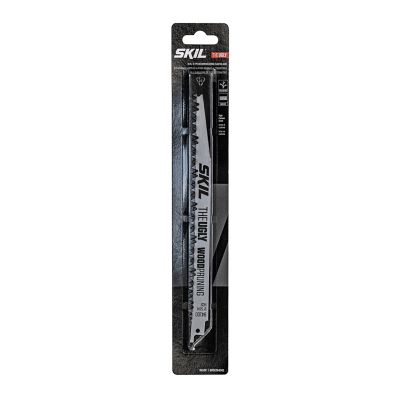
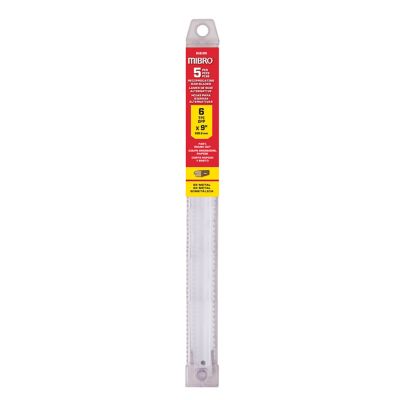
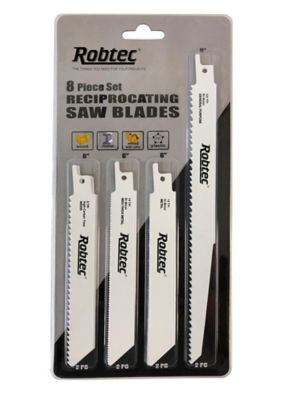
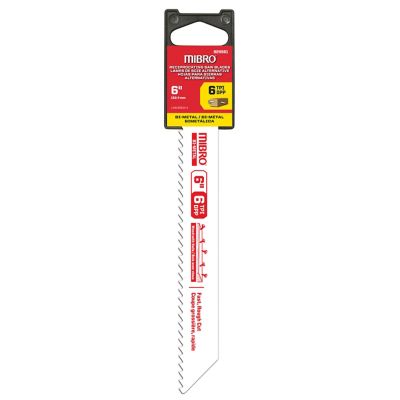
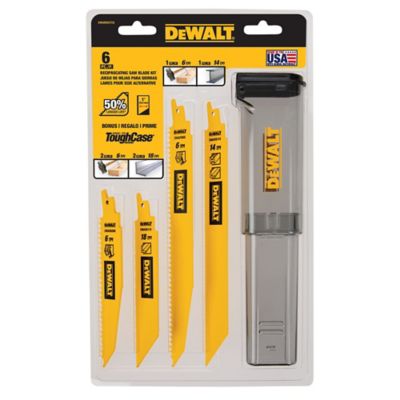
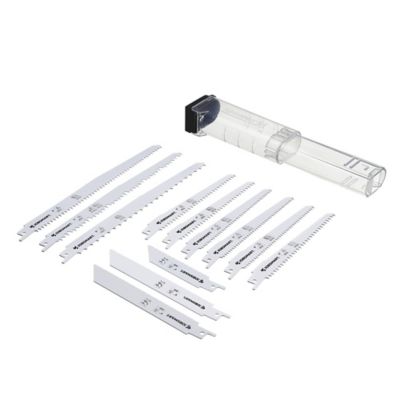
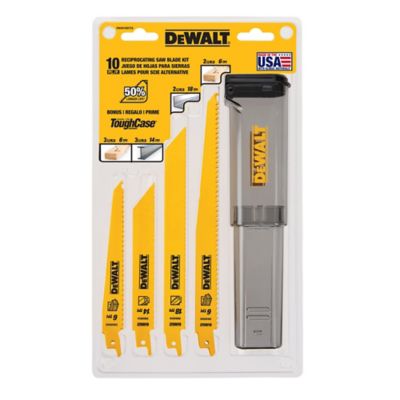
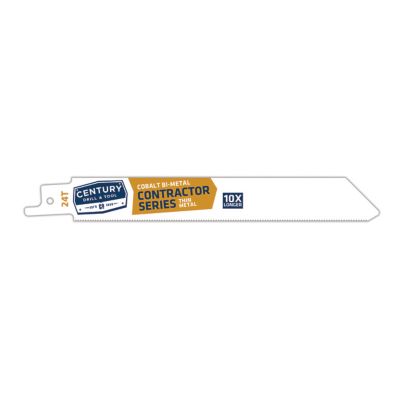
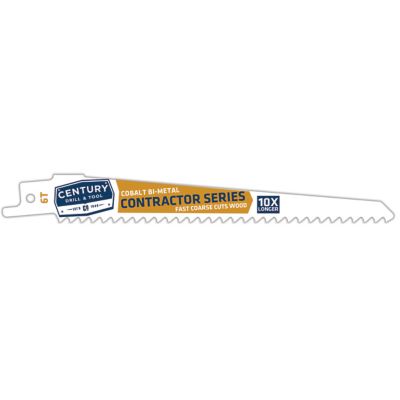
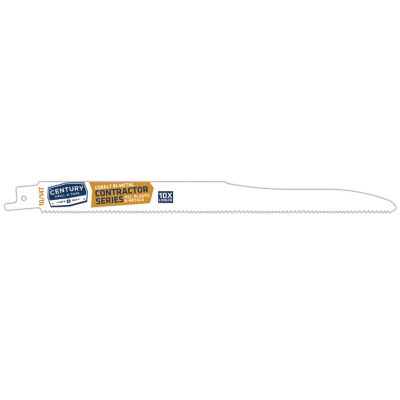
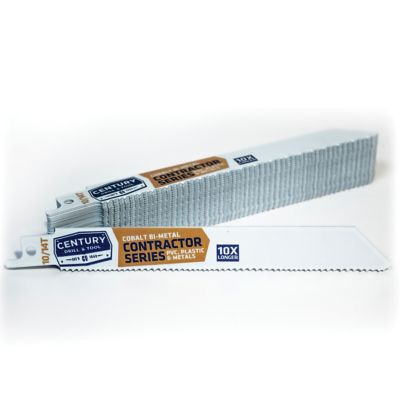
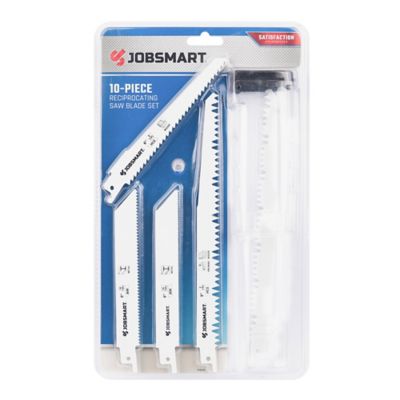
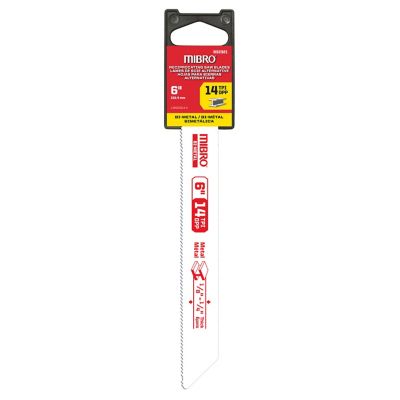
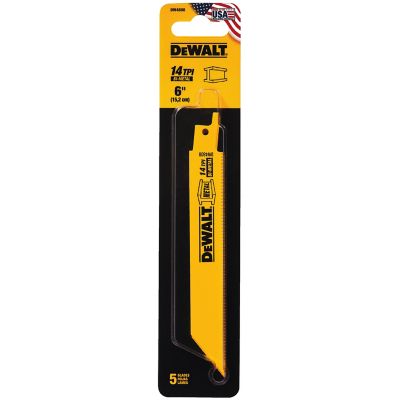
Reciprocating saw blades for wood handle the rough cutting that comes with fixing a fence, opening up old framing, trimming a fallen limb, or taking apart a worn-out shed door. Their back-and-forth cutting action suits jobs where access is awkward and a furniture-smooth edge matters less than getting through the material. The main differences come down to tooth pattern, blade material, length, and thickness, along with whether the wood is clean or contains fasteners. Clean lumber calls for a different cutting edge than a barn board with nails buried below the surface. Coarse wood-cutting blades, often around 3 to 6 teeth per inch, leave plenty of space between teeth to carry chips out of the cut. That open spacing helps keep thick wood from packing the teeth with sawdust, especially during rough cuts through dimensional lumber or branches. Teeth per inch, usually shortened to TPI, is only part of the picture, though. Tooth shape, spacing, and the blade’s stated application also affect how it cuts. Pruning blades generally have an open tooth pattern suited to green wood, while nail-embedded wood blades have cutting edges designed for encounters with wood and metal fasteners. A blade labeled only for clean wood should not be expected to handle hidden nails. For
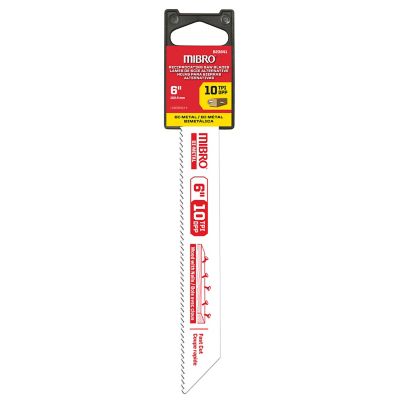
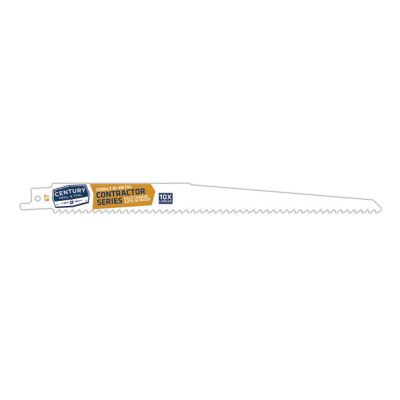
Wood Cutting Reciprocating Saw Blades, matching the cutting application is a better starting point than choosing by length alone. Someone cutting damaged fence rails may need a short blade with good control, while someone removing nailed framing needs a blade rated for that mixed material. These blades fit naturally into the tool kits of farmers, ranchers, carpenters, property owners, and folks who tackle repairs around the place. They are made for practical work, but they are not a replacement for a finish-cutting saw when clean plywood edges, tight-fitting joints, or smooth trim cuts are the goal.
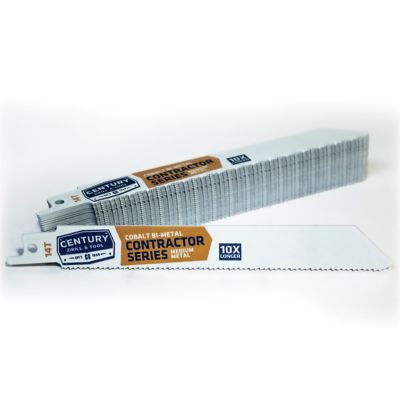
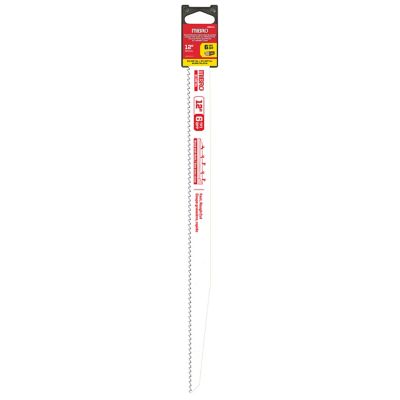
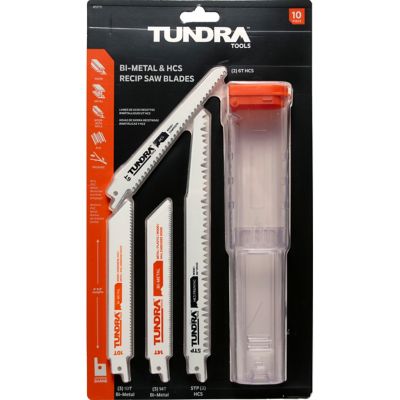
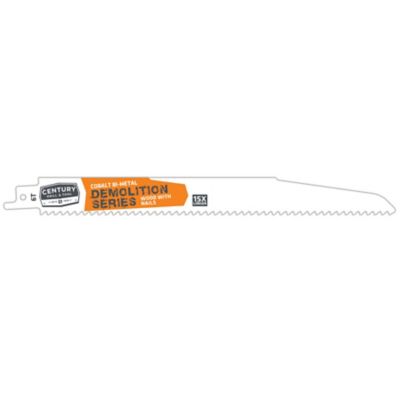
Blade material makes a noticeable difference when the work changes from clean boards to tougher demolition jobs. High-carbon steel blades offer flexibility and can be a sensible match for clean wood when their cutting rating fits the task. Bi-metal blades combine a flexible backing with a harder tooth edge, making many of them suitable for wood containing nails when the packaging specifically lists that application. Carbide-tooth blades offer resistance to tooth wear and can suit demanding wood-cutting or demolition work, depending on their design. Carbide does not make every blade appropriate for every obstacle: screws, hardened fasteners, masonry, and other concealed materials still call for a matching application rating. A coarse pruning blade and a nail-embedded wood blade may look similar at a glance, yet their teeth are built for different demands. Length matters just as much as tooth material once the cut gets underway. Common nominal lengths such as 6, 9, and 12 inches give shoppers a useful way to compare reach, but the right length depends on the material’s full thickness, the saw’s stroke, and the manufacturer’s required blade projection. The blade needs to extend beyond the far side of the work throughout the stroke so its tip does not strike inside the cut. Shorter blades generally offer better control when their reach is sufficient; longer blades provide clearance for thicker material but can flex more easily. That extra reach also means more blade moving beyond the surface where it may be hard to see. Width and thickness affect handling, too. Wider, thicker blades tend to resist bending during straight demolition cuts, while narrower profiles can allow more maneuvering room within their stated applications. Neither shape turns a reciprocating saw into a precision joinery tool. For a repair behind a gate hinge or beside a wall stud, room for the saw body, shoe, and moving blade can matter more than overall blade length.
Fit and everyday care help determine how well a wood-cutting reciprocating saw blade earns its place in the toolbox. Many full-size reciprocating saws accept a standard 1/2-inch shank, but the saw’s manual and the blade’s compatibility information should settle the fit, especially with compact or specialty tools. A matching shank is only one requirement; blade length, cutting application, and the tool manufacturer’s operating limits still matter. Before cutting into a wall, floor, or enclosed assembly, the path needs checking for wiring, plumbing, and anything else the moving blade could reach. Loose boards and small offcuts need firm support rather than a hand close to the teeth. Keeping the saw shoe against the work, when the task and tool instructions allow, helps limit bouncing and gives the blade steadier support. Letting the teeth do the cutting instead of forcing the saw helps prevent bending and excessive strain. A blade that wanders, binds repeatedly, has missing teeth, or takes noticeably more effort may need replacement rather than more pressure. Power should be disconnected or the battery removed before blade changes, inspection, or cleaning, and a blade needs time to cool after a hard cut. Sap, pitch, and packed sawdust can collect around the teeth, so cleaning with a method approved by the blade manufacturer helps keep the cutting edge clear. Dry storage protects steel surfaces from corrosion, and a blade case or protected compartment keeps teeth from knocking against loose hardware. Keeping clean-wood, pruning, and nail-embedded blades separated also makes the next repair easier to sort out without guessing at a worn label. For someone who regularly repairs outbuildings, maintains fence lines, or handles remodeling, a few clearly labeled blade types can make a practical addition to a working tool kit. The best match is the one suited to the actual wood, any embedded fasteners, the space around the cut, and the saw doing the work.