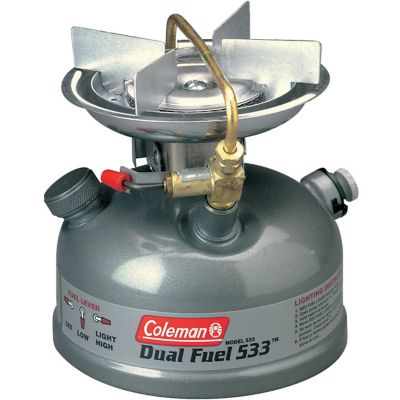
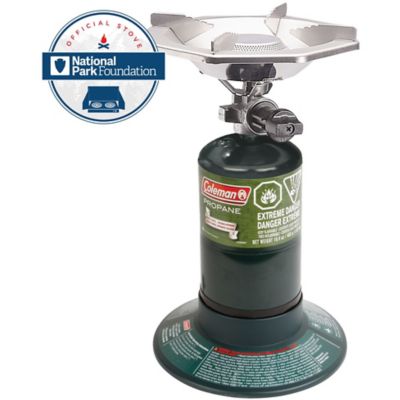
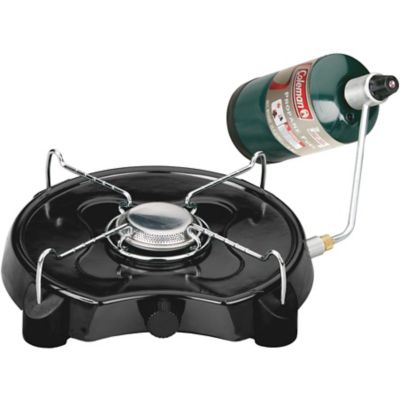
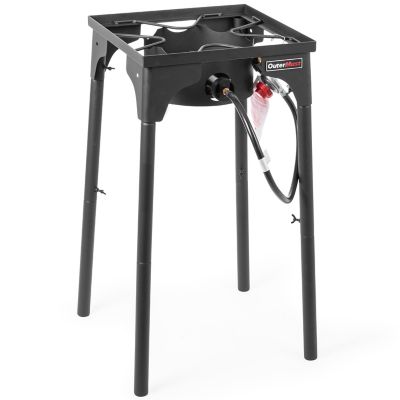
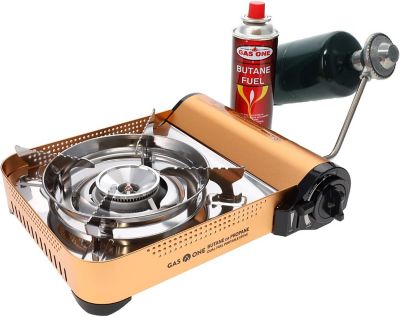
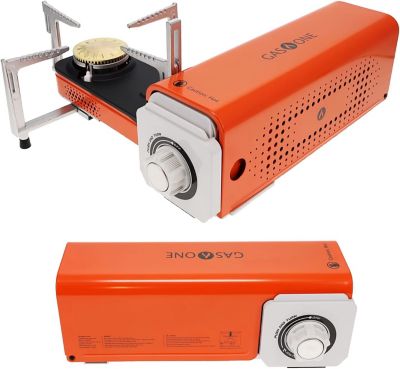
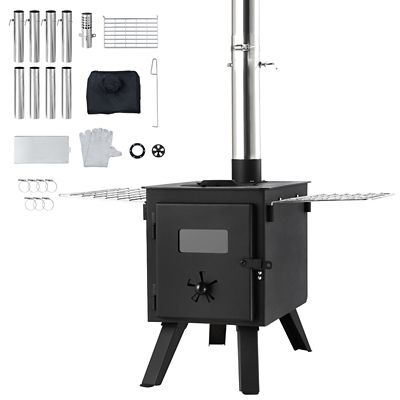
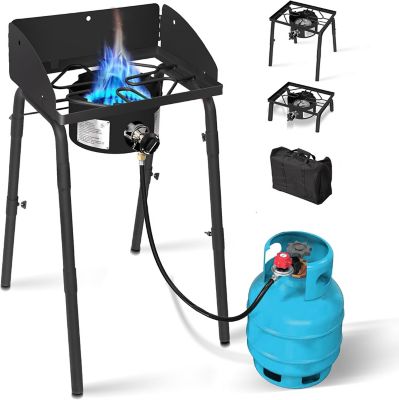
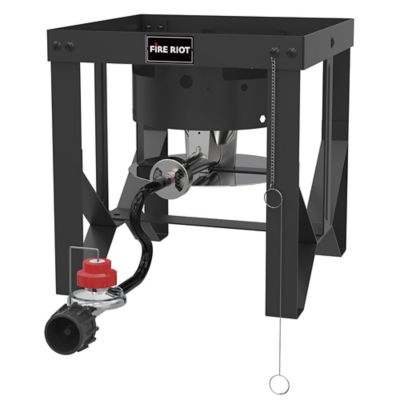
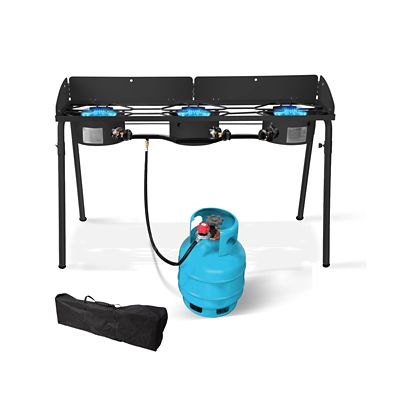
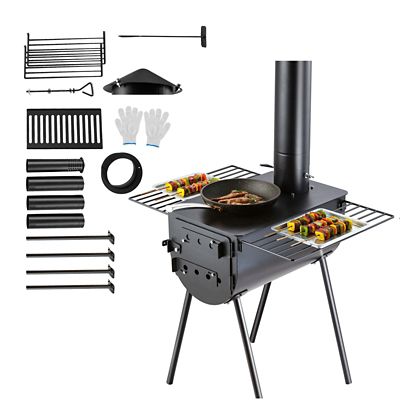
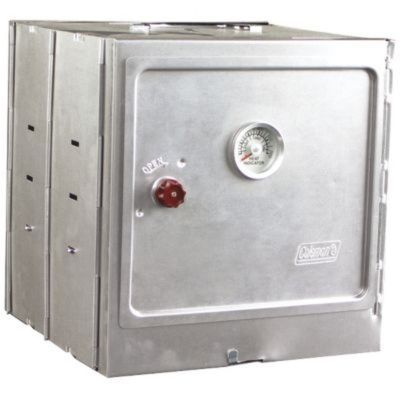
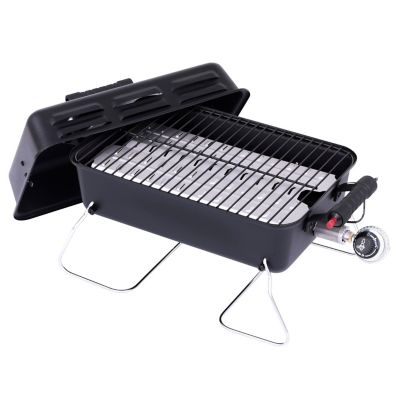
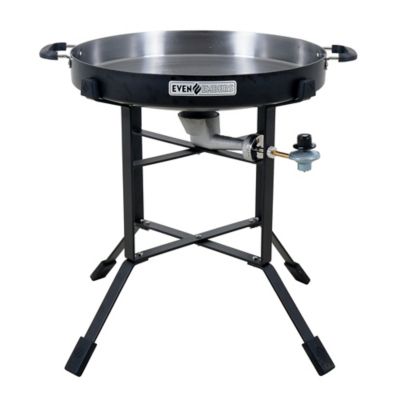
Portable camp stoves bring a little comfort to Christmas outdoor adventures, whether the plan calls for breakfast at deer camp, a holiday weekend at the campground, or hot soup after a long walk through the woods. There’s something satisfying about setting a pot on the burner while boots crunch across frosty ground and the coffee gets going. These stoves make outdoor cooking possible without building a wood fire, giving campers a way to prepare meals where stove use is permitted. The best match depends on how far the stove needs to travel, how many people are eating, and what’s on the menu. A compact single-burner setup can suit a solo camper heating water for oatmeal, while a broader cooking surface makes more sense for folks bringing a skillet and feeding several hungry people. Packed size matters just as much as cooking space. A stove that slips into a backpack serves a different purpose from one that rides beside a cooler in the truck, and folding legs, removable supports, or a carrying case can affect how neatly everything fits. Weight becomes especially noticeable when the walk from the parking spot to camp stretches beyond a few steps. For Christmas trips that involve cold mornings, fuel requirements deserve a close look, too. Stove designs differ in the fuel they accept, how that fuel connects, and the temperatures in which they’re meant to operate. Matching the stove to its specified fuel and expected conditions matters more than simply choosing the smallest package. A familiar fuel setup can also make a gift feel more useful to someone who already has an outdoor cooking routine. From a quick cup of coffee to a full camp supper, portable cooking equipment earns its place by fitting the way a person actually spends time outside, rather than adding another awkward piece of gear to haul around.
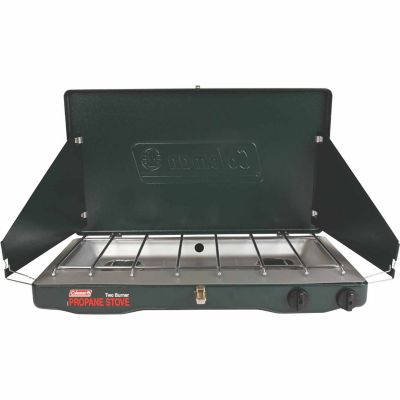
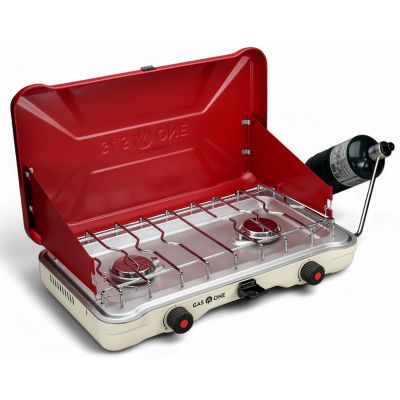
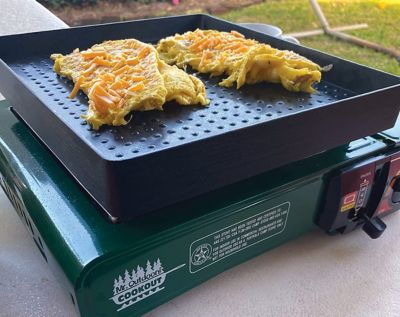
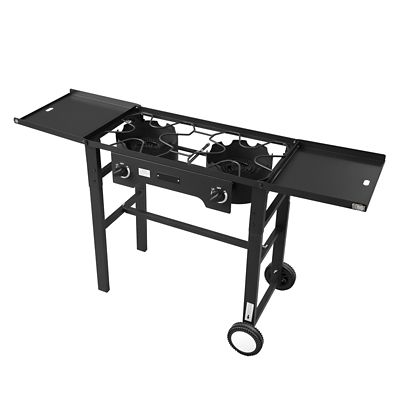
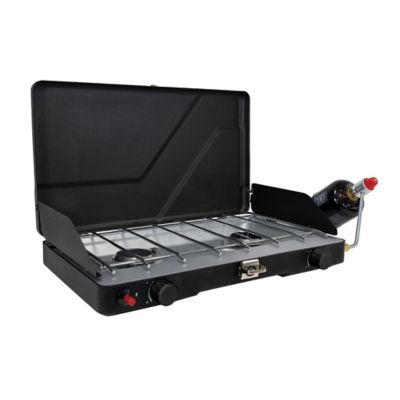
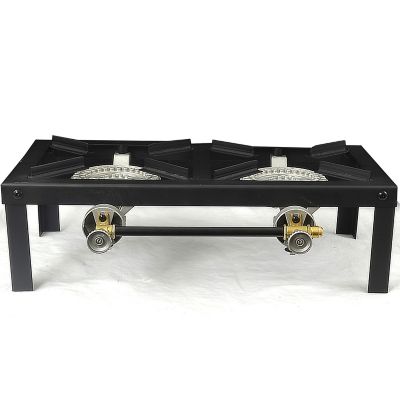
Materials and construction help tell the story of how a camp stove will handle those trips. Stainless steel cooking areas can simplify cleanup, coated steel bodies offer a sturdy feel, and aluminum components can help keep carrying weight down. Individual designs vary, so the hinges, latches, burner supports, and fuel connections are worth as much attention as the outer shell. A lid that closes securely and supports that fold neatly can make a difference when gear gets packed and unpacked over a holiday weekend. Fit also means checking the relationship between the stove and the cookware. A small burner may be plenty for a narrow pot, but a broad skillet needs suitable support and clearance around the controls and fuel connection. Cookware should stay within the stove maker’s stated size limits, including when a griddle spans more than one burner. For family meals, separate cooking zones can keep breakfast moving: eggs in one pan, water heating in another, and fewer people waiting with empty plates. The selection of
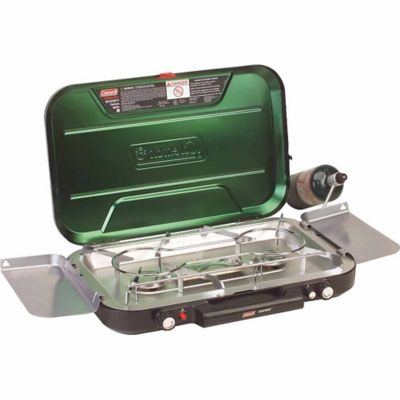
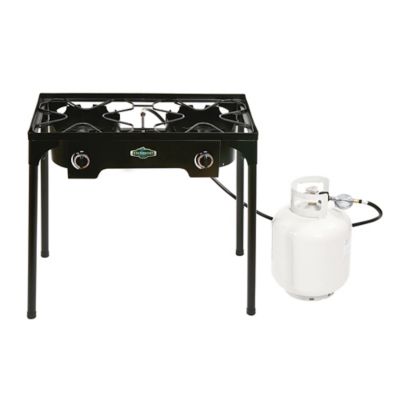
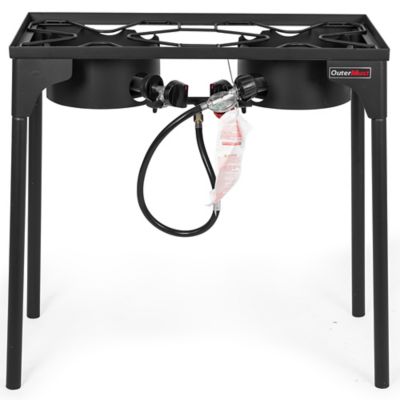
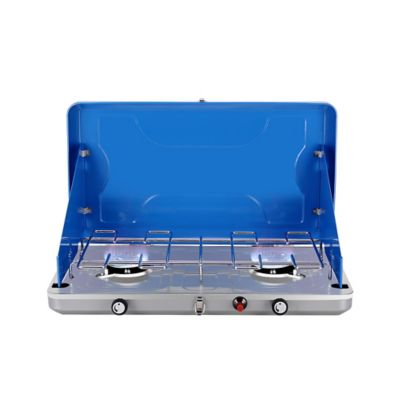
Two Burner Camping Stoves For Family Trips fits that kind of shared camp kitchen, where room for more than one pot can matter as much as packed size. Burner output is only part of cooking performance. Flame control matters when the meal calls for a gentle simmer instead of a fast boil, and controls that are easy to reach leave more room to work around a hot pan. Wind protection can help limit gusts across the burner, but any shield needs to follow the manufacturer’s directions and leave fuel containers properly exposed to airflow. A tall windscreen wrapped around the wrong setup can trap heat where it doesn’t belong. On uneven ground, a broad stance and firm footing help keep the cooking area steady. Christmas camping often means handling gear with chilly fingers, so straightforward assembly and clearly marked controls are welcome details, especially when daylight is short and supper needs to get started.
As a Christmas gift, a portable camp stove suits people who would rather spend a free day at camp than stay indoors, including anglers, hunters, hikers, and families building their own outdoor traditions. The most thoughtful choice reflects the recipient’s habits. Someone who walks miles with a pack may appreciate a light, compact cooking setup, while a truck camper may care more about pot space, a stable base, and room to cook a hearty breakfast. Existing cookware and fuel preferences can help narrow that match without guessing at features the person may never need. Care is part of keeping any stove ready for the next outing. Food spills and grease are easier to manage before they harden through repeated cooking, but cleaning should wait until the stove is off, disconnected as directed, and fully cool. Burner openings and fuel fittings need the care described in the owner’s manual rather than a hard scrubbing that could damage small parts. After a damp Christmas campout, letting the stove dry thoroughly before packing helps limit corrosion and keeps moisture from lingering inside a closed case. A quick inspection of hoses, seals, supports, and connections can reveal wear before the next meal depends on them. Fuel should travel and be stored according to its label and the stove manufacturer’s instructions. Every camp kitchen also needs a safe place to operate: outdoors in open air, on a stable, heat-safe surface, with the required clearance from brush, gear, and other materials that can burn. Camp stoves do not belong in tents, vehicles, garages, or enclosed shelters, even when the goal is to escape the cold. Following local fire restrictions and keeping children and pets clear of hot cookware helps preserve the easygoing spirit of the trip. With a suitable setup and sensible care, a portable stove can become a familiar part of Christmas adventures, from the first breakfast at camp to the last warm meal before heading home.