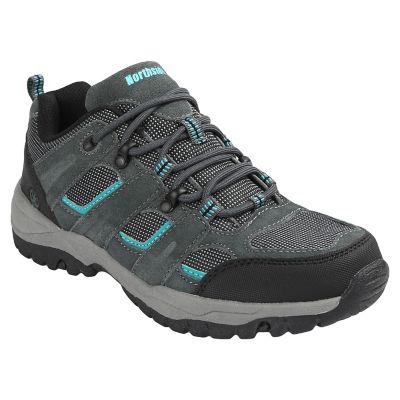
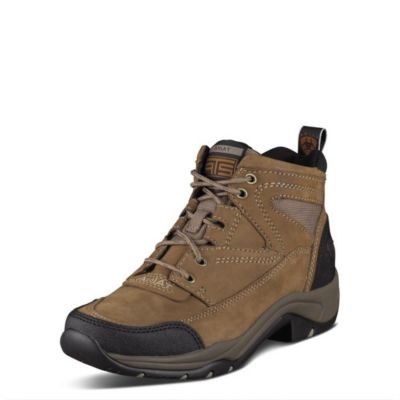
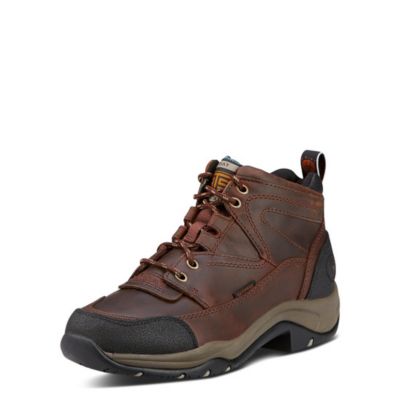
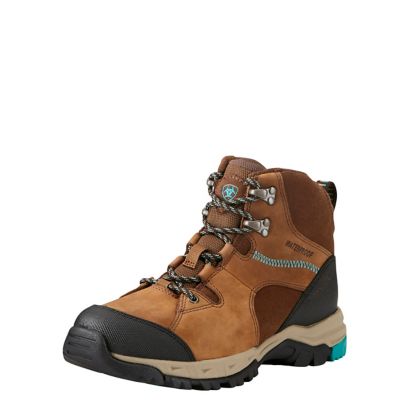
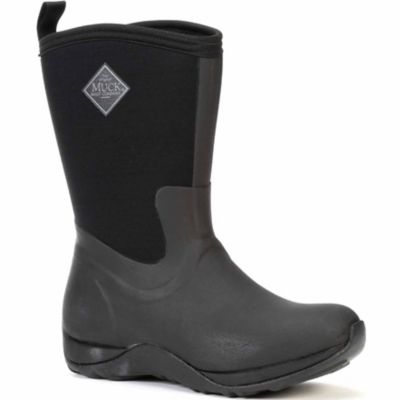
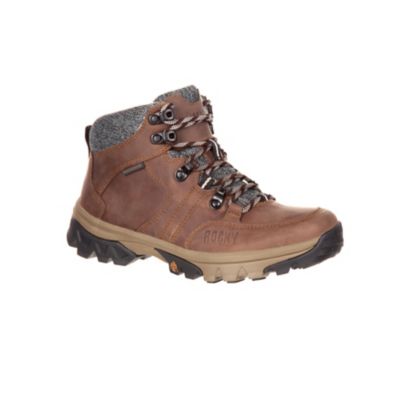
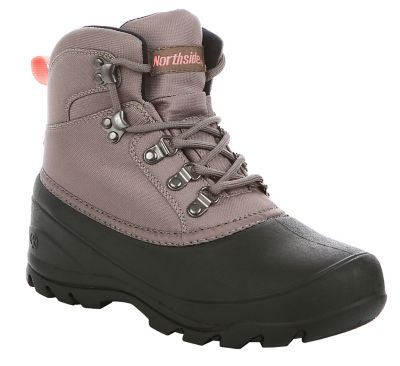
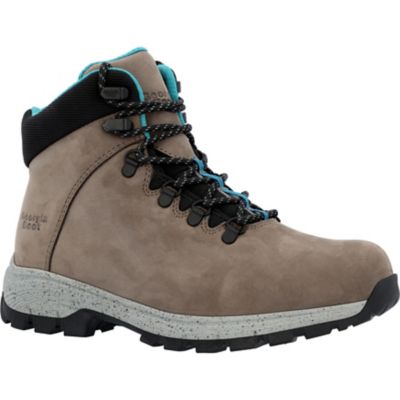
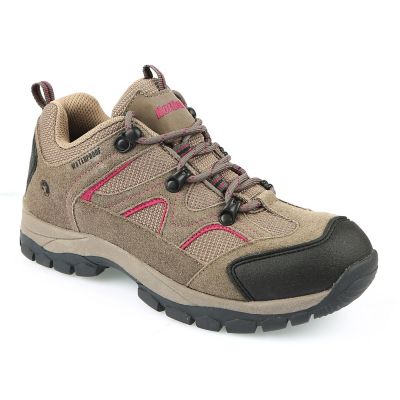
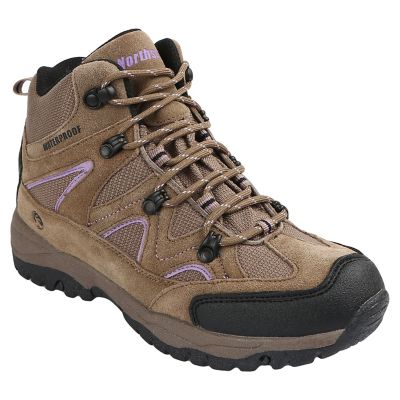
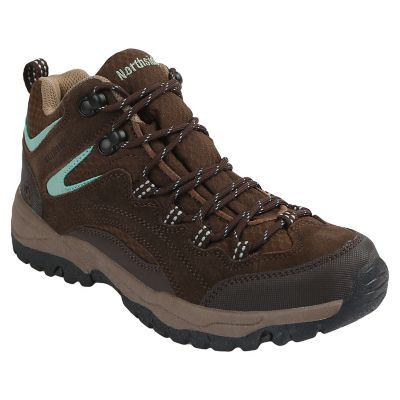
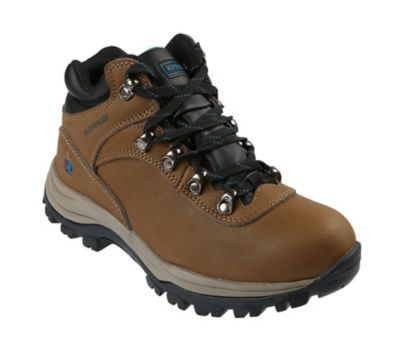
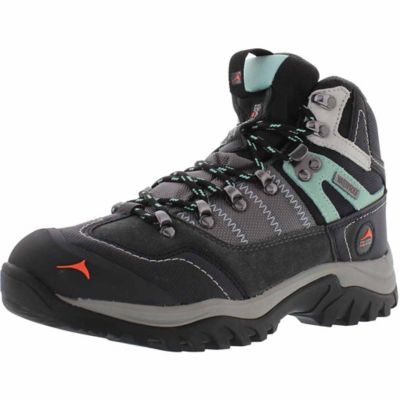
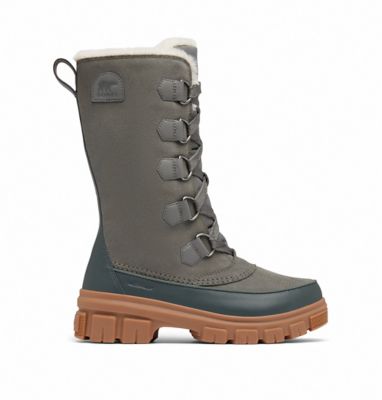
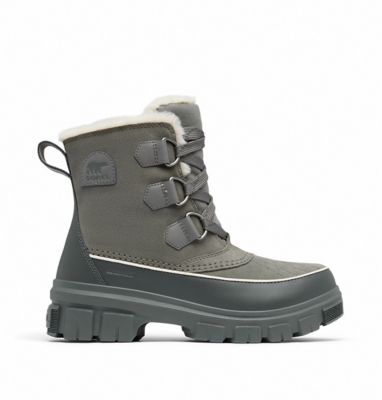
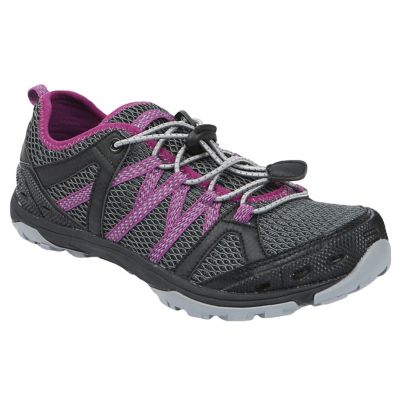
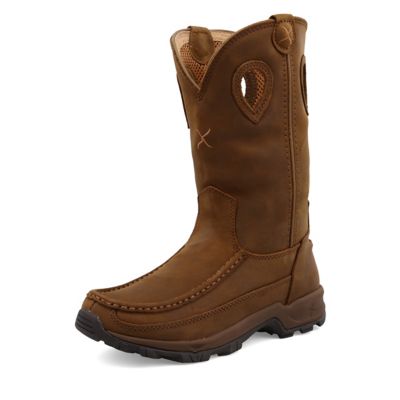
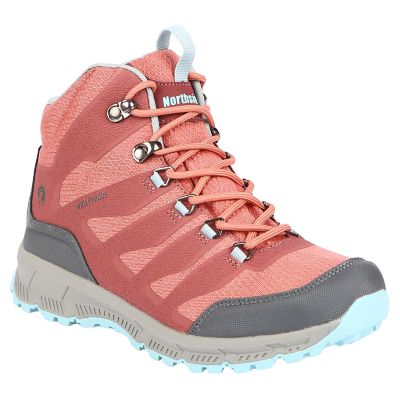
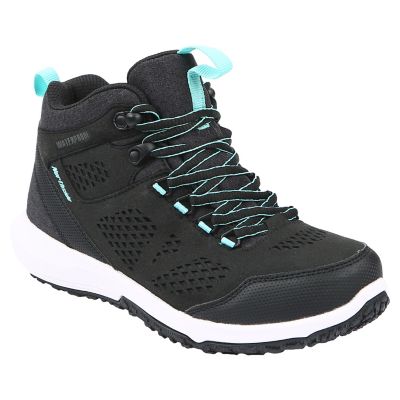
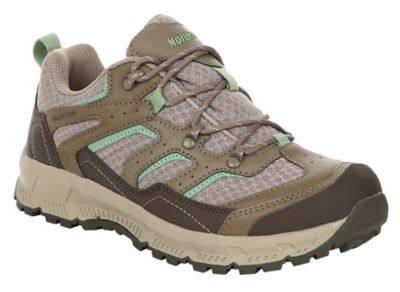
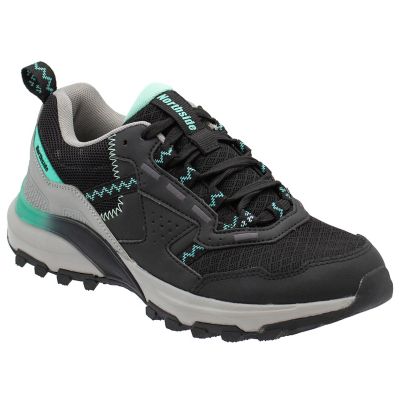
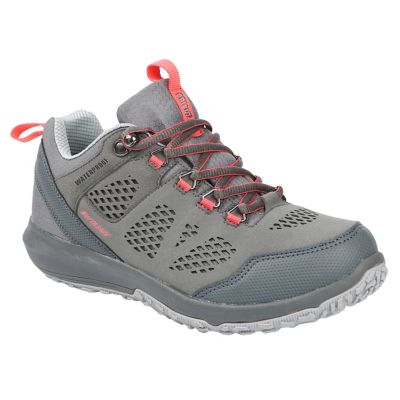
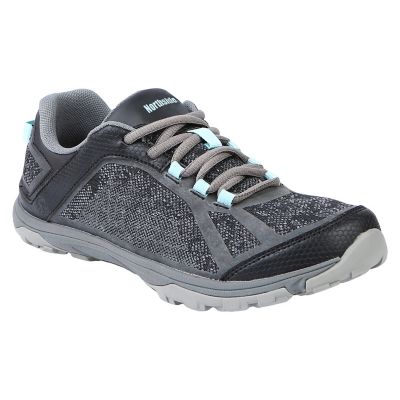
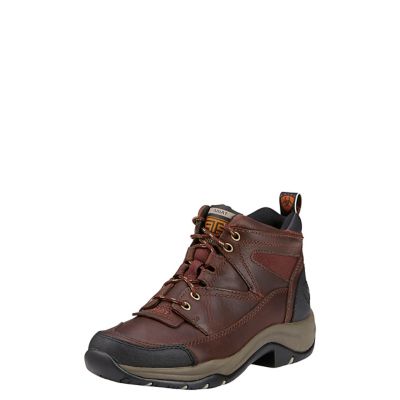
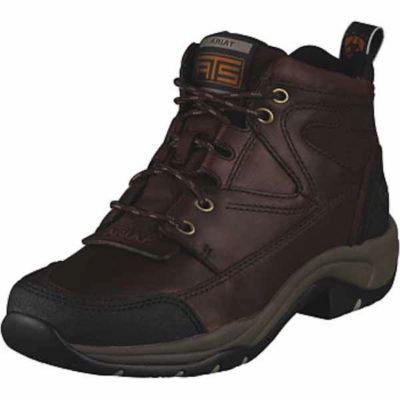
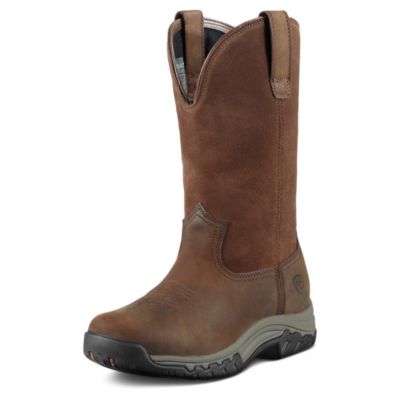
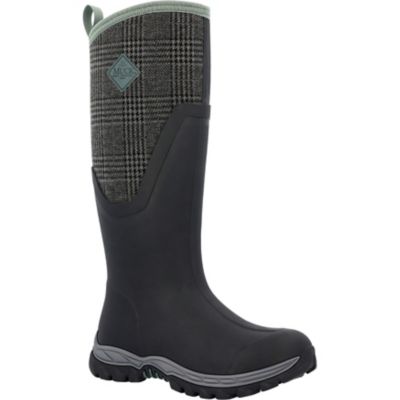
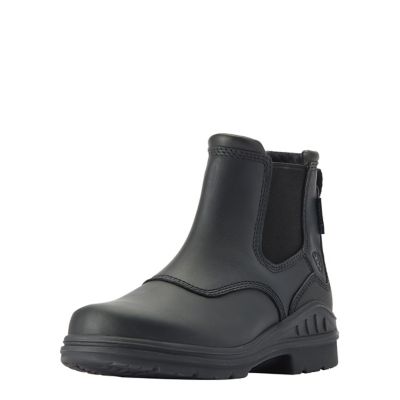
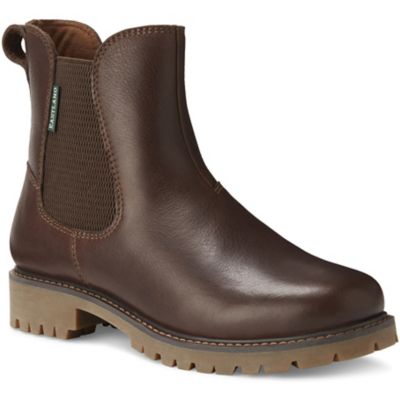
Women’s winter hiking shoes are built for more than a chilly walk around the property. They’re made for packed snow on a trail, frosty gravel roads, damp leaves, muddy paths, and those slick spots where winter weather turns a familiar route into a careful shuffle. A good pair helps keep feet warm, dry, supported, and steady without feeling like a heavy chore to wear. When choosing a pair, start with the conditions you expect to meet. Waterproof uppers or a waterproof breathable membrane help keep out slush, melting snow, and wet grass while allowing some heat and moisture to escape during active hikes. Full-grain leather can offer a sturdy, broken-in feel and good protection from brush, while treated synthetic materials often keep the overall shoe lighter. Sealed seams, gusseted tongues, and well-covered laces or zippers can add another layer of protection when the trail is wet. No shoe stays completely dry if water comes over the collar, so check the height and fit around the ankle if you regularly walk through deeper snow. For more coverage and warmth, shoppers may also want to compare these styles with
Women's Winter Walking Boots. Winter hiking shoes can be a useful choice for anyone who spends time outdoors during the cooler months, including hikers, dog walkers, hunters, campers, farm and ranch workers, and folks who simply like taking the long way down a wooded lane. They also make a practical gift for a daughter heading off to school, a friend who enjoys cold-weather trails, or a family member who is always the first one out clearing a path after a snowfall.
Warmth comes from more than a thick-looking upper, so pay attention to the insulation rating and how you plan to move. Synthetic insulation around 200g is commonly suited to active winter hiking, where steady movement helps generate body heat and a lighter shoe can feel more comfortable over several miles. Heavier insulation, such as 400g, may be a better fit for very cold conditions, slower walks, hunting stands, snowshoe approaches, or other outings where you spend more time standing still. Thick insulation is not always better for every person or every trail; a warm, active hiker may prefer a more flexible shoe, while someone who gets cold feet easily may appreciate extra insulation and room for warm socks. Leave enough space to wiggle your toes, but avoid a loose heel that lifts with every step. Try shoes on with the socks you expect to wear, preferably a moisture-wicking winter hiking sock rather than a bulky cotton pair that holds dampness against the skin. Walk on a hard floor, bend your knees, and check that your toes do not press the front when you step downhill. A supportive midsole can take the sting out of frozen, uneven ground, while a firm heel counter and useful ankle structure can add confidence on side slopes. Removable footbeds may make it easier to adjust the fit, dry the interior, or replace an insole after a season of hard use. Remember that waterproof and insulated shoes can feel snugger than everyday sneakers, and a little room for air circulation is helpful; crushing the insulation can reduce its ability to hold warmth.
Traction deserves just as much attention as waterproofing. Winter hiking shoes should have a rubber outsole with a lug pattern suited to the ground you cover, whether that means loose dirt, wet roots, packed snow, or icy walkways. Deep, well-spaced lugs can help shed mud and snow, while a winter-focused rubber compound may stay more flexible in low temperatures than standard casual footwear. Some outsoles are designed specifically for wet ice and frozen surfaces, but no tread makes every patch of ice safe, especially when it is covered by fresh snow or water. Take shorter steps, slow down on slopes, and consider traction aids when conditions are especially slick. A flexible forefoot can make a shoe feel natural on a rolling trail, while a slightly stiffer sole can provide protection from sharp rocks, frozen ruts, and rough ground. Look for a toe cap or reinforced front if your routes pass through brush or rocky areas, and check the collar for soft padding that helps prevent rubbing around the ankle. Easy-entry features such as a generous opening, pull loop, or side zip can be handy when fingers are cold, though traditional laces usually provide the most adjustable fit. After a hike, brush away packed snow and grit, loosen the laces, and let the shoes dry at room temperature rather than placing them beside a wood stove or heater, where heat can damage leather, adhesives, and waterproof finishes. With the right balance of insulation, weather protection, traction, fit, and support, women’s winter hiking shoes can turn a gray, cold day into a comfortable chance to follow a trail, check fence lines, walk the dog, or enjoy the quiet crunch of snow underfoot.