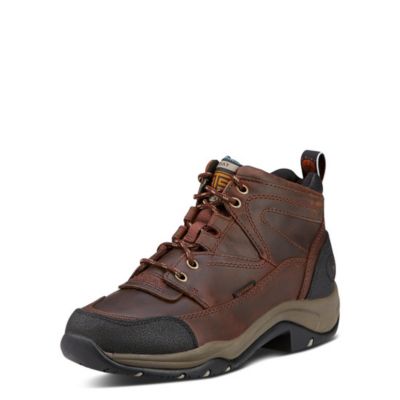
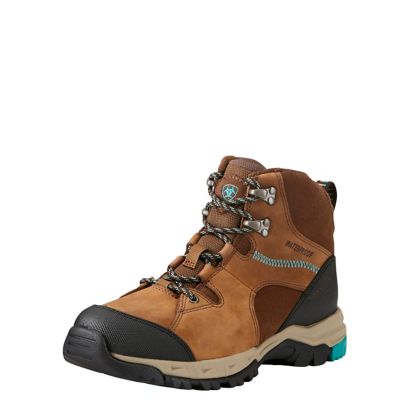
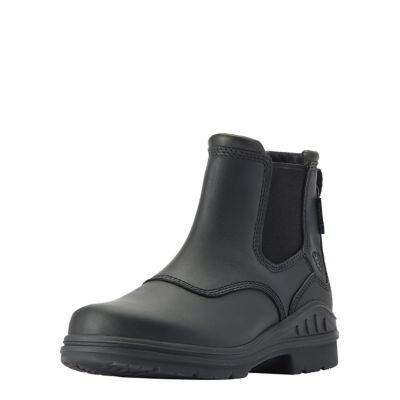
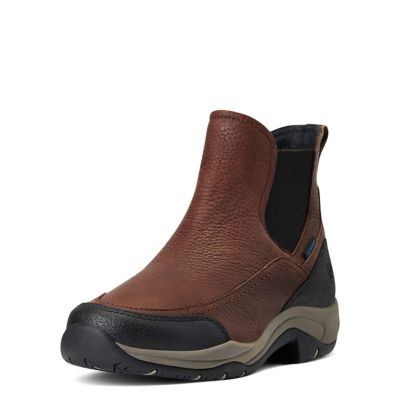
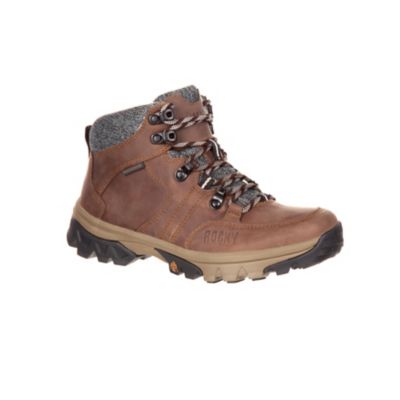
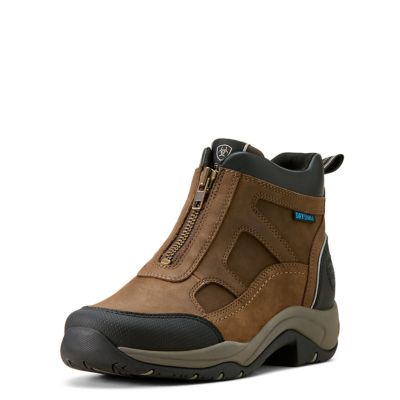
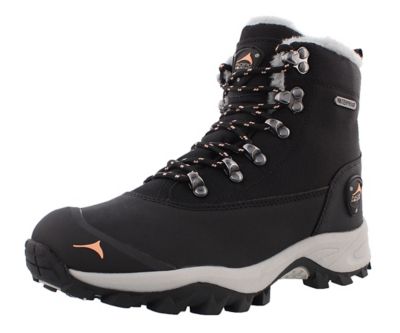
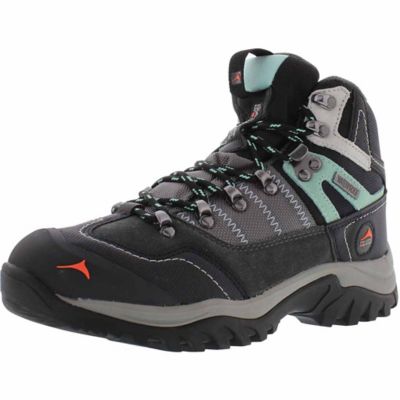
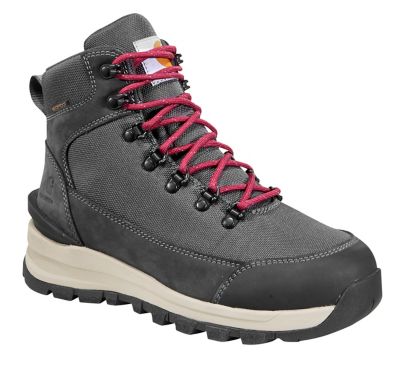
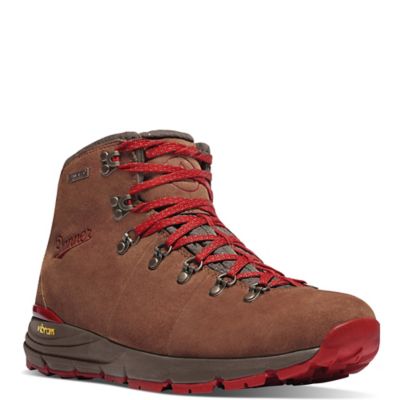
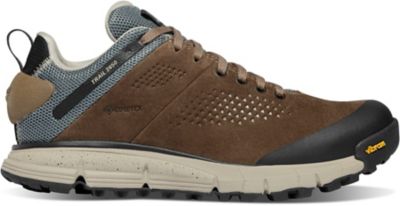
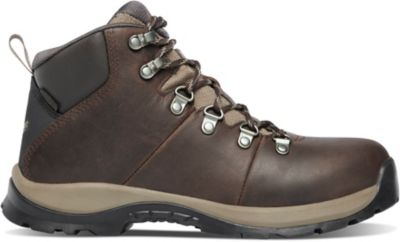
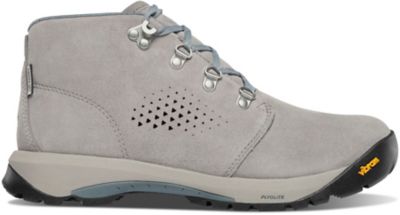
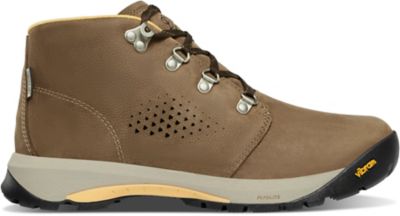
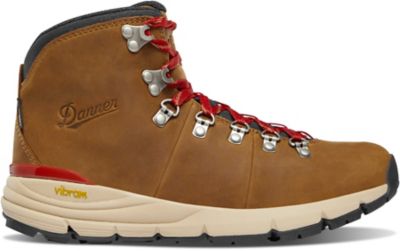
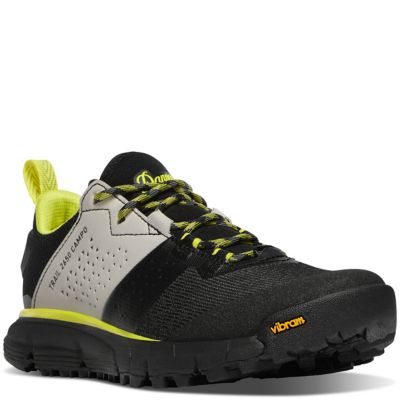
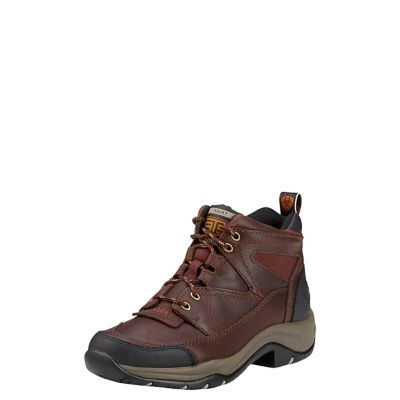
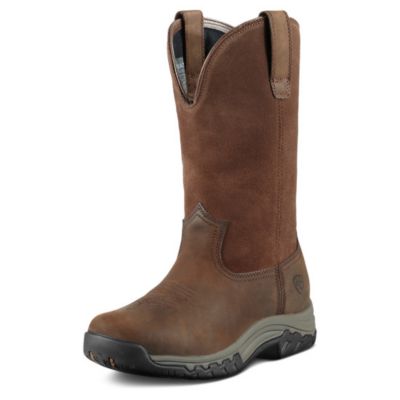
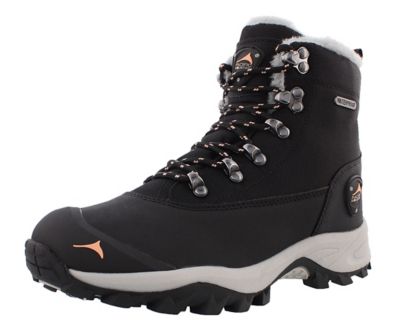
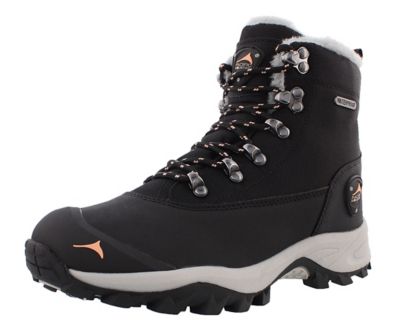
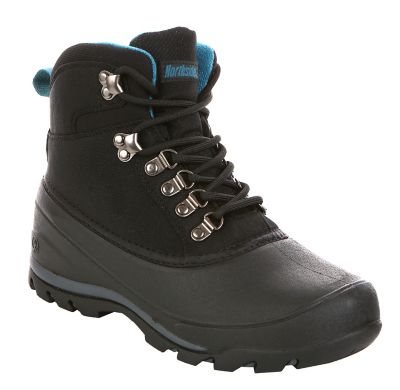
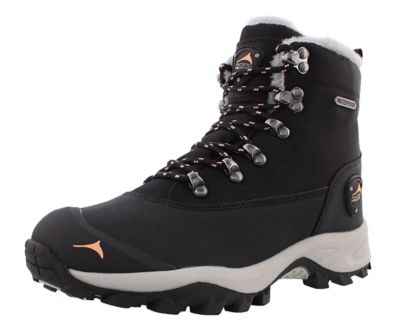
Women’s waterproof hiking boots combine protection against outside moisture with the traction, cushioning, and foot coverage needed for walking trails. They’re a practical choice for women heading down muddy paths, crossing dew-soaked grass, or spending a few miles on rocky ground where everyday shoes can fall short. Waterproof construction may involve a membrane beneath the upper, sealed seams, or a combination of materials designed to keep water from reaching the foot. A water-resistant upper alone doesn’t offer the same protection as a fully waterproof boot, so that distinction matters when puddles and rain are part of the route. Leather uppers offer a substantial feel and can hold up well against brush and repeated flexing with proper care. Suede provides a softer surface, while synthetic fabrics and mesh panels can help reduce weight. Mixed-material uppers balance these characteristics in different ways, making the overall construction more important than any single material. Breathable waterproof membranes allow some moisture vapor to escape, but socks, activity level, and the boot’s lining still affect how damp feet feel after a long climb. Water can also enter over the collar, so waterproof hiking boots aren’t a substitute for footwear designed for prolonged wading. A gusseted tongue helps close the gaps along the sides of the laces, limiting entry points for water and trail grit. Collar height deserves a look, too: a mid-height boot offers more coverage around the ankle than a low hiking shoe, though height alone doesn’t determine support. For a walk along a creekside trail or an afternoon exploring wooded acreage, the right construction depends on how wet, rough, and lengthy the outing is likely to be. Lightweight builds suit shorter walks and steady movement, while more substantial uppers and underfoot structures can make sense for uneven routes and longer days carrying a pack. The goal is enough protection for the ground ahead without carrying more boot than the trip calls for.
Fit makes a bigger difference than an impressive list of features, especially once the trail starts climbing or dropping. Women’s hiking boots vary in heel shape, forefoot room, and overall volume, so the size that works in a casual shoe may not feel the same in a trail boot. A secure heel helps limit rubbing, while space around the toes allows them to spread naturally and keeps them from pressing into the front on downhill stretches. Wide-width options can provide additional room without requiring extra length, although width and interior volume aren’t the same thing. Feet that feel squeezed across the ball or crowded over the instep need a different fit, not simply tighter or looser laces. The socks intended for hiking belong in the fit equation as well; a thick sock can change how the heel sits and how much room remains above the toes. Feet may expand over the course of a walk, making a little breathing room useful without letting the foot slide around. Lacing systems with separate lower and upper sections can help adjust the hold across the foot and around the ankle. Underfoot, cushioning softens the feel of repeated steps, while firmer midsoles and supportive structures help manage uneven ground. A flexible boot may feel comfortable on a maintained park loop, whereas a stiffer platform can feel steadier across loose stones or under a loaded pack. Neither approach is best for every hiker. Outsole tread matters just as much: widely spaced lugs give mud somewhere to release, and defined edges can help bite into loose dirt. Rubber compounds and tread patterns perform differently across rock, soil, and slick surfaces, and no outsole guarantees a grip on every wet root or smooth stone. For women moving between gravel roads, steep trail sections, and stretches of packed earth, a balanced boot should feel secure without fighting the natural bend of each step. Early outings should feel manageable, not like a test of how much pinching or heel slip can be tolerated.
Long-term durability depends on matching the boot to its workload and keeping the materials in good shape. Repeated scrapes against rocks, dried mud left along seams, and grit caught around the tongue all take a toll over time. Protective toe caps and reinforced heel areas add coverage where contact is common, while solid stitching and well-bonded soles help the boot handle repeated miles. Hiking footwear is built around walking terrain, though, and shouldn’t be mistaken for safety-toe work boots or other task-specific protection around machinery, livestock, or heavy materials. After a muddy outing, gentle cleaning keeps dirt from building up in the tread and along the upper. A soft brush, a damp cloth, and cleaning products suited to the material are generally a better match than harsh scrubbing or strong household cleaners. Care directions matter because leather, suede, textile panels, and waterproof membranes may need different treatment. Removable insoles can be taken out to help the interior dry, and boots should air-dry away from direct heat that can affect leather, adhesives, or other components. Waterproofing treatments may help maintain the upper’s ability to shed water, but they don’t repair a torn membrane or an open seam. A saturated outer fabric can also make a boot feel heavier and less breathable even when the waterproof barrier is still intact. Routine attention to fraying laces, worn tread, and separating edges helps reveal when a pair needs repair or replacement. Appearance can be part of the decision, too, especially for footwear that goes from a trailhead to a stop in town. For a darker look that pairs easily with trail pants or everyday jeans, take a look at
Women's Black Waterproof Hiking Boots. Whether the next outing is a nearby nature loop, a family camping trip, or a full day beyond the paved road, a well-fitting pair offers a practical foundation for time on foot. As a gift for a regular hiker or someone building a trail kit, waterproof boots work best when the recipient’s size, preferred fit, and usual terrain are known.