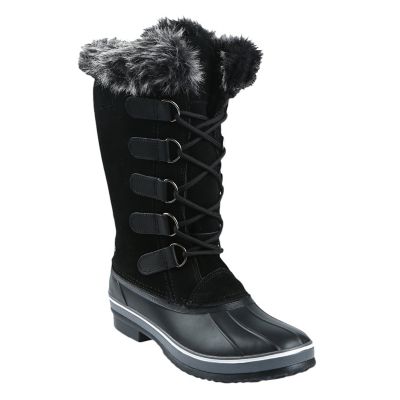
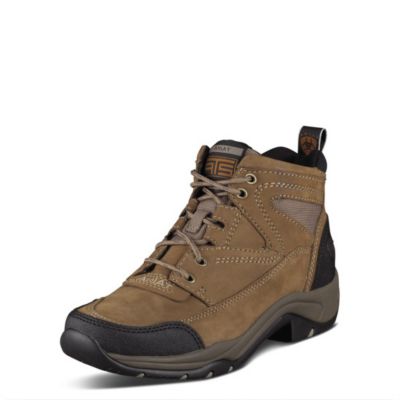
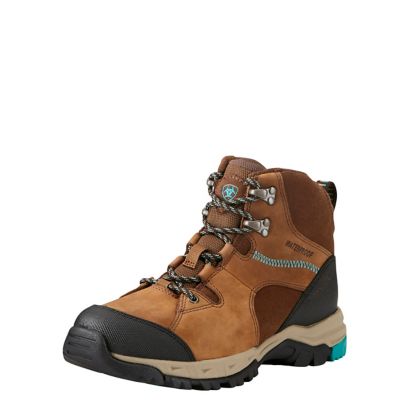
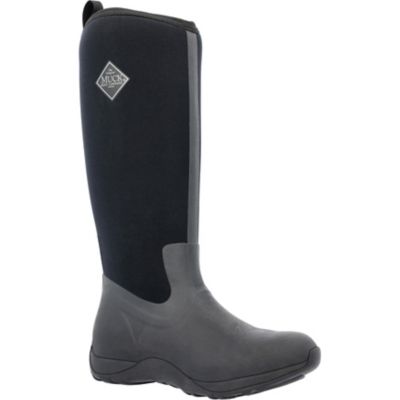
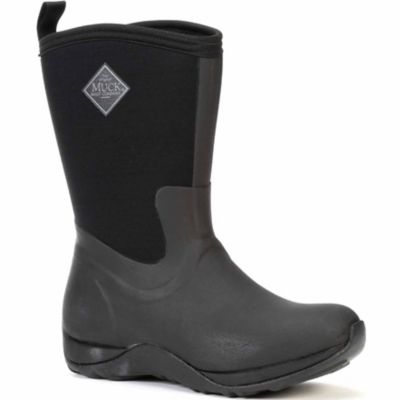
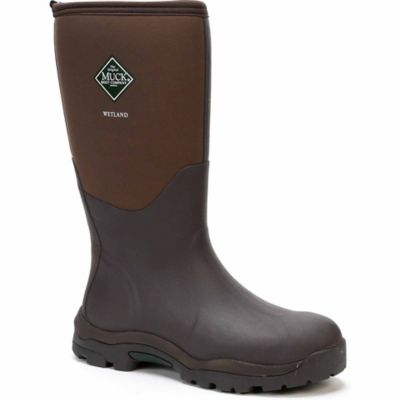
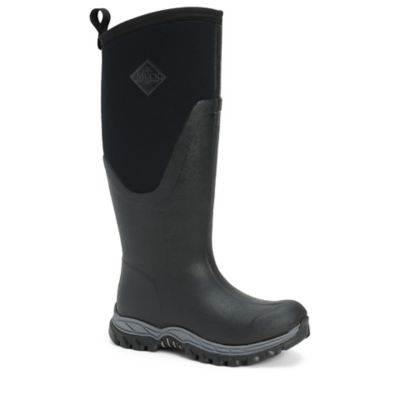
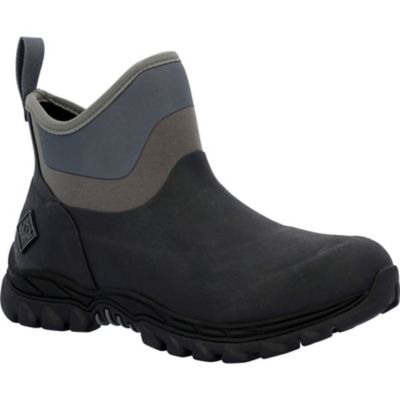
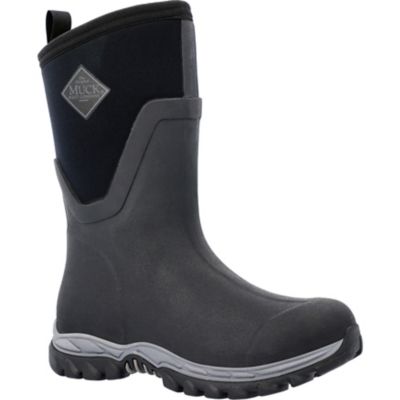
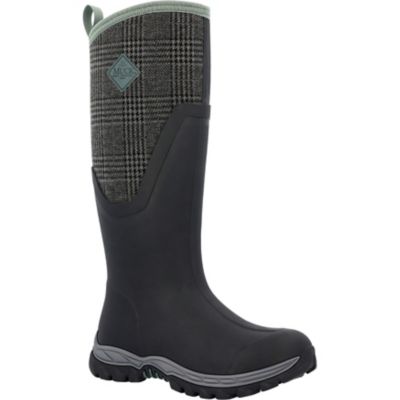
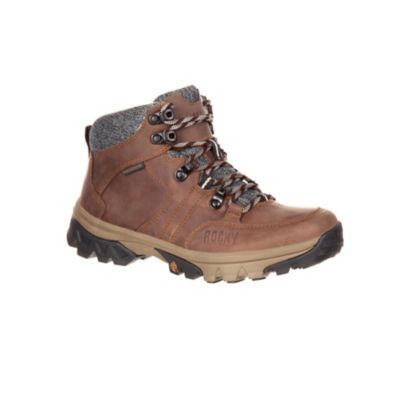
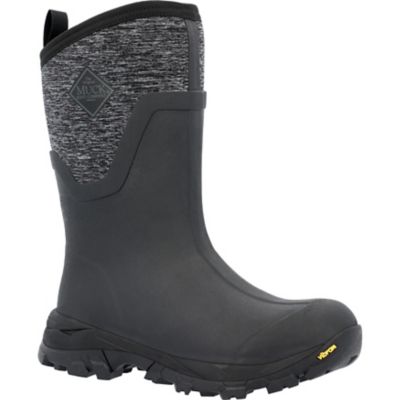
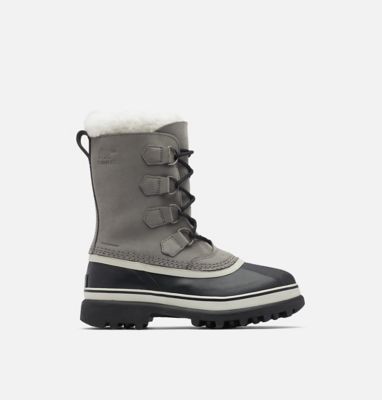
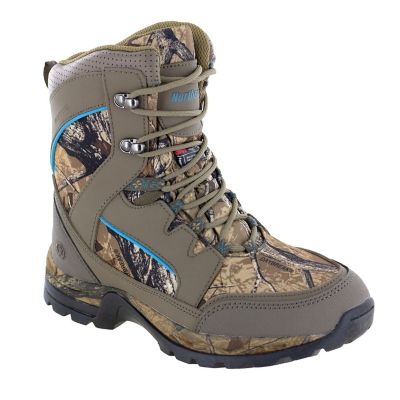
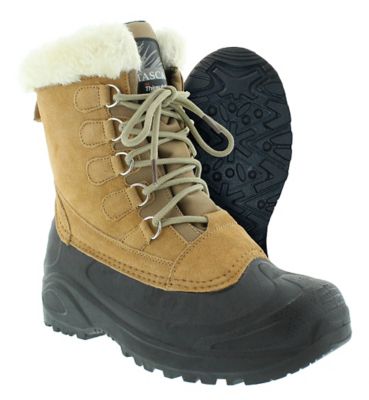
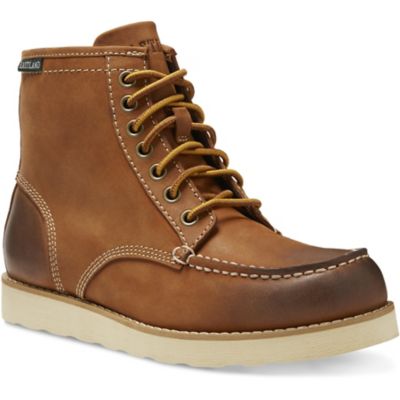
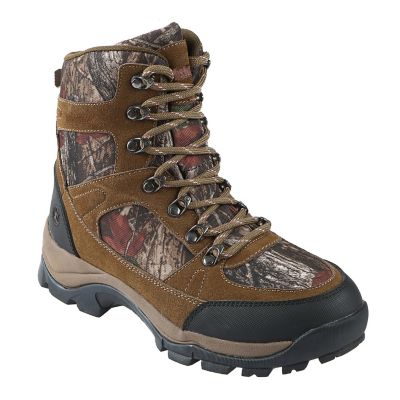
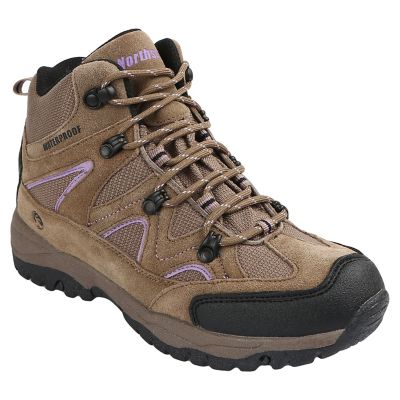
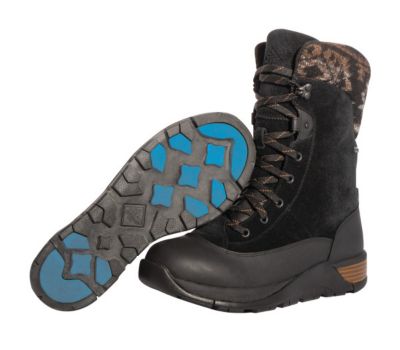
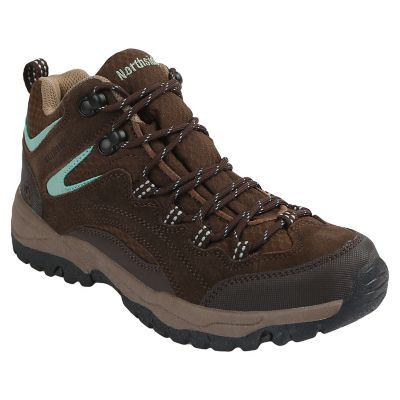
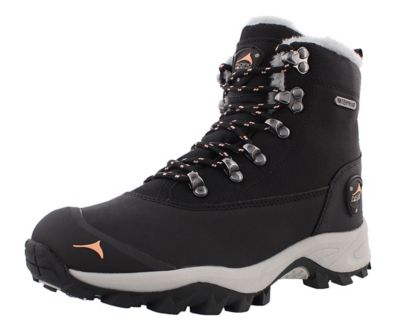
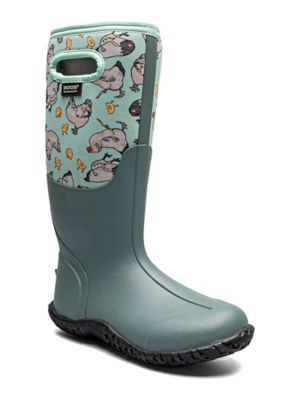
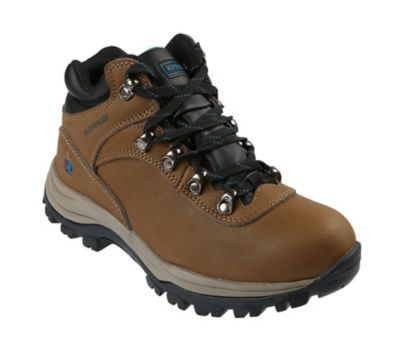
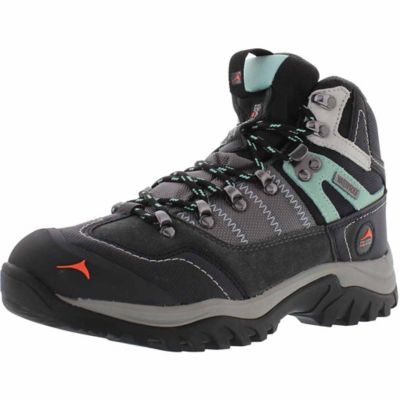
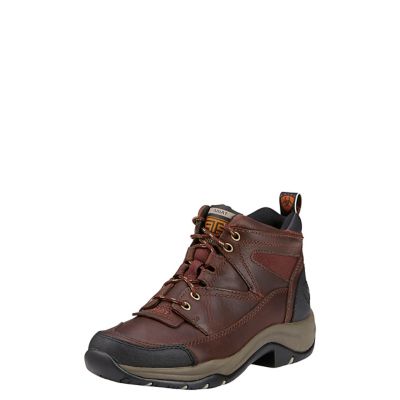
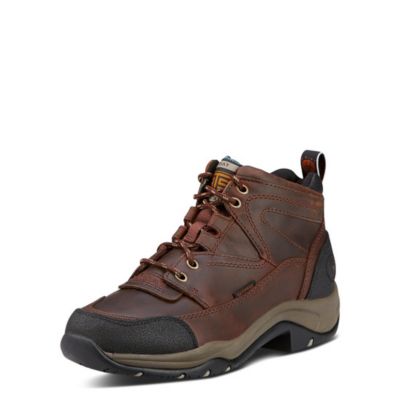
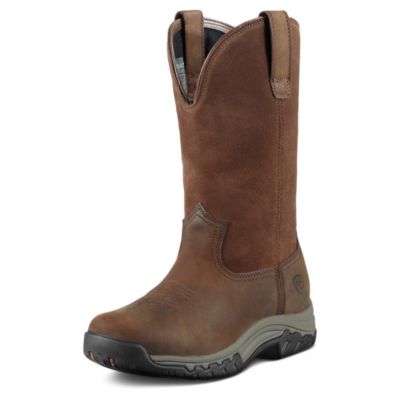
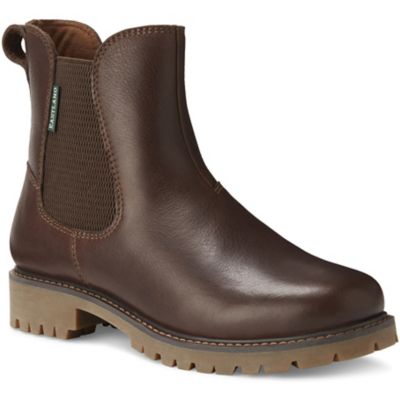
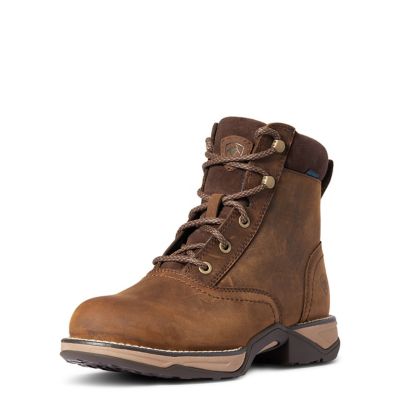
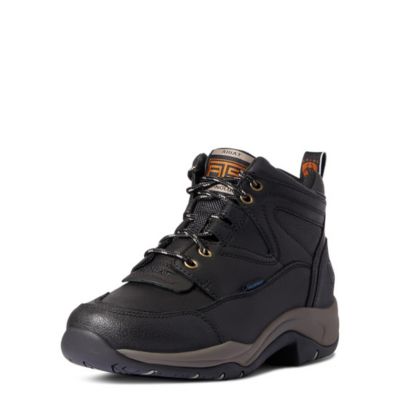
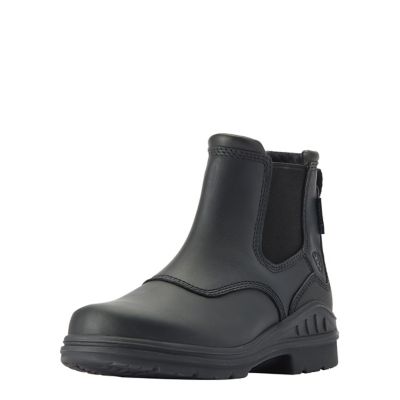
Women's winter hiking boots are made for more than a quick walk from the truck to the barn. They are built to help keep feet warm, dry, and steady when the trail is covered with snow, slush, frozen mud, or a slick layer of ice. A good pair can make a big difference on a winter hike, a snowy dog walk, a backcountry chore, or a long day spent outdoors. Look for boots that combine insulation, waterproof protection, dependable traction, and supportive construction without feeling too heavy for the way you plan to use them. Insulation is one of the first details to consider. Boots with around 200 grams of insulation are often a practical choice for active hiking, especially when you will be moving at a steady pace and generating plenty of body heat. If your feet tend to get cold, you expect deep snow, or you will spend stretches of time standing still, more substantial insulation around 400 grams may be a better fit. Thicker insulation can add warmth, though it may also add weight and make the boot feel less flexible. For milder winter conditions or fast-paced walks, a lightly insulated design may offer a more natural stride. Keep in mind that warm socks, circulation, activity level, and the fit of the boot all affect how warm your feet feel. A boot that is too tight can compress your socks and leave less room for insulating air, while a loose boot can let cold air in and cause your heel to slide. Browse
Womens Insulated Waterproof Hiking Boots to compare options made for cold-weather trails and outdoor work.
Waterproofing matters whenever snow melts against the boot or a trail turns into a wet, muddy stretch. Look for a waterproof membrane or other sealed construction that helps stop water from soaking through the upper, along with sealed seams and a gusseted tongue that keeps snow from finding its way inside. Leather, treated synthetic materials, and fabric uppers can all work well when they are properly designed for winter use. A taller shaft is useful in deeper snow because it offers extra coverage around the ankle and lower leg, while a lower mid-height boot may feel more nimble on packed paths. Pay attention to the opening at the top, too. A secure collar helps keep out snow, grit, and cold wind, but it should not rub against your leg. Traction is just as important as warmth. Winter hiking boots should have an outsole with deep, well-spaced lugs that can bite into loose snow, soft ground, and uneven trails. Specialized cold-weather rubber compounds may stay more pliable in low temperatures than ordinary soles, which can help improve contact on frozen surfaces. Even the best outsole cannot make every icy slope safe, so take shorter steps, slow down on shaded areas, and use trekking poles when the terrain calls for extra balance. A stable heel counter, supportive midsole, and firm ankle hold can also help when you are carrying a daypack or crossing rutted ground. If you hike on rough trails, check for a reinforced toe and durable sidewalls that can handle roots, rocks, and repeated contact with packed snow. For long walks, cushioning and arch support deserve a close look. Some hikers prefer a roomy toe box for thicker socks, while others need a narrower heel to prevent slipping. Trying boots on with the socks you expect to wear outdoors is one of the simplest ways to get a more reliable fit.
Women's winter hiking boots can be useful for a wide range of people, from experienced trail walkers and snowshoers to anyone who spends winter tending animals, checking fences, hauling firewood, or walking a dog before sunrise. They also make a thoughtful gift for someone who enjoys state parks, hunting camp, weekend cabin trips, or scenic walks when the leaves are down and the ground is firm. For a gift, consider the recipient's usual terrain and habits rather than choosing based on appearance alone. Someone who hikes groomed trails may appreciate a lighter boot with flexible cushioning, while a person who works outdoors or explores deep snow may need a taller, warmer design with more protective features. Fit can vary from one foot shape to another, so check sizing details and look for room at the toes without allowing the foot to slide forward. Wide and extra-wide options can be helpful for hikers who need more space, and removable footbeds may make it easier to use preferred insoles. Before heading into the cold, wear new boots around the house or on short walks to find pressure points and give the materials a chance to flex. Pair them with moisture-wicking wool or synthetic socks, and avoid cotton socks that can hold dampness against the skin. Let boots dry naturally after a wet outing; remove the insoles, loosen the laces, and keep them away from direct heat that can damage leather, adhesives, or waterproof treatments. Brush off salt and mud before storing them, and refresh the exterior according to the care instructions. With the right match of insulation, waterproofing, traction, fit, and support, winter hiking boots can help make cold-weather miles feel more comfortable, whether the route winds through snowy woods, follows a gravel lane, or leads across the pasture at the end of a long day.