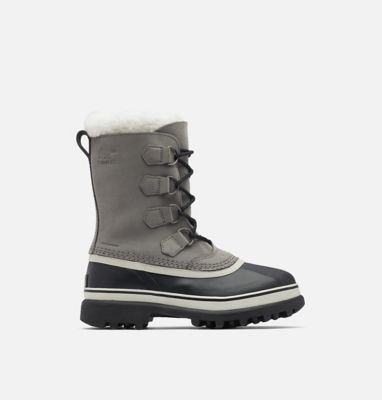
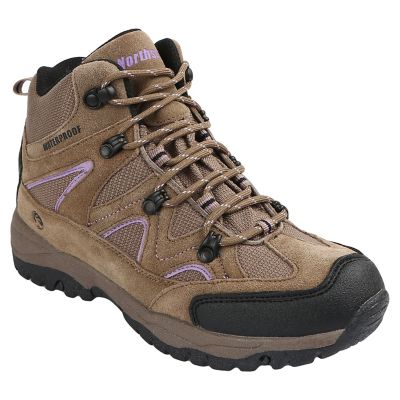
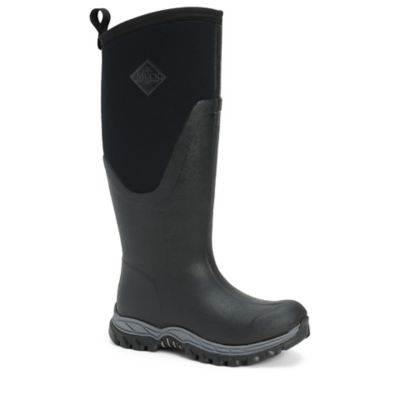
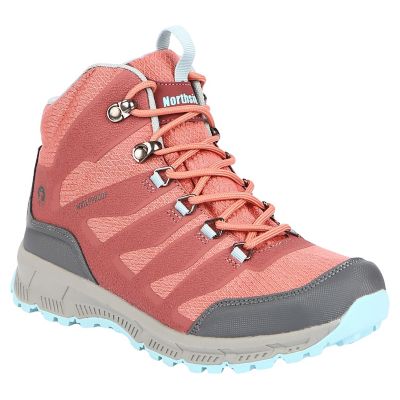
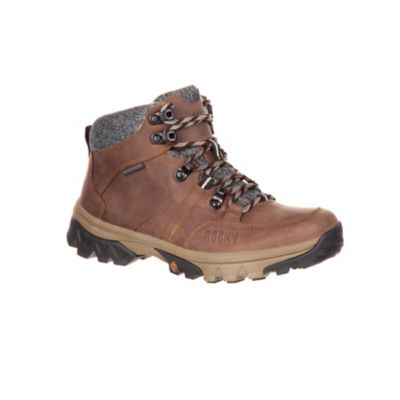
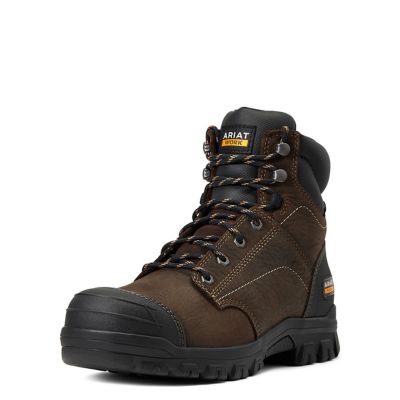
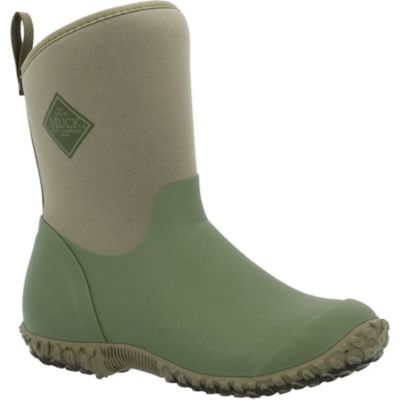
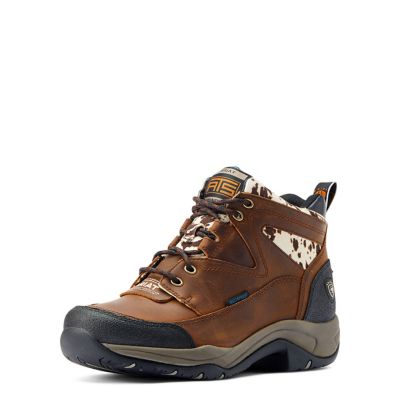
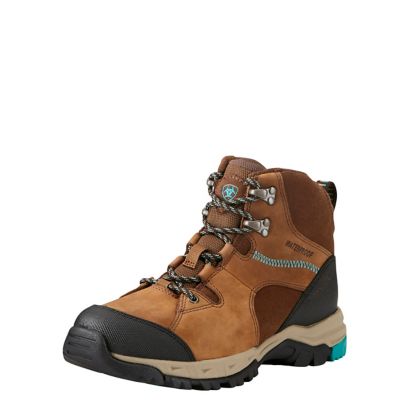
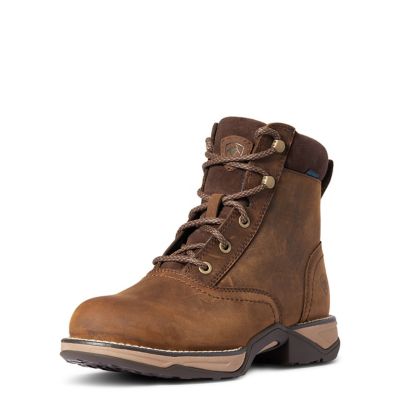
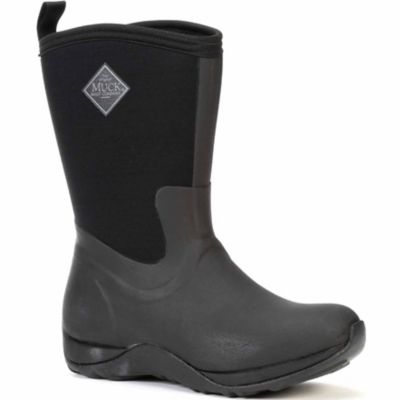
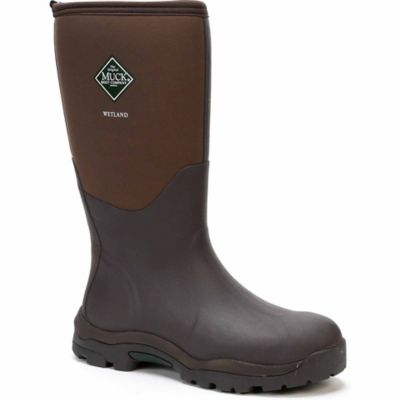
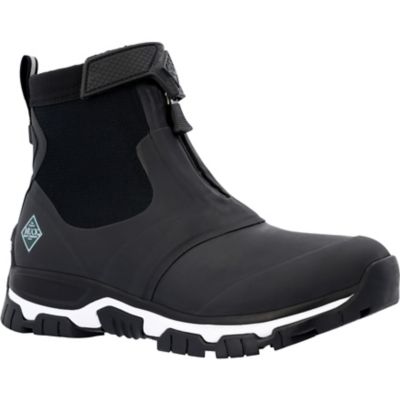
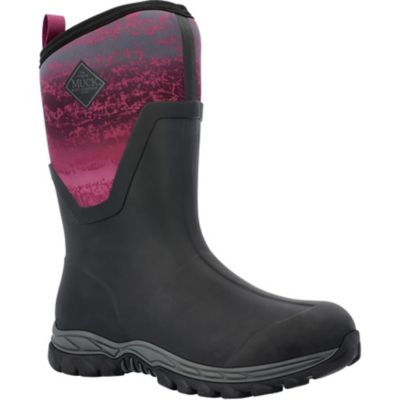
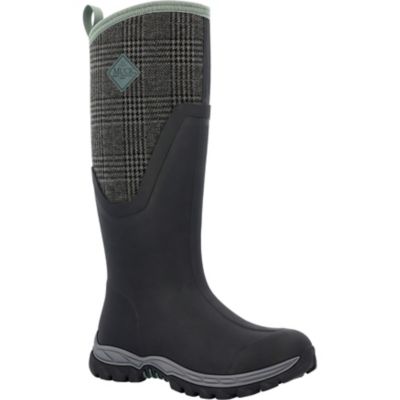
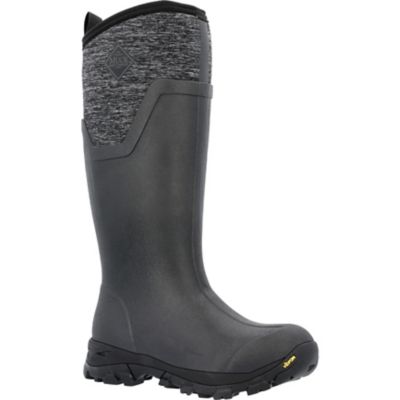
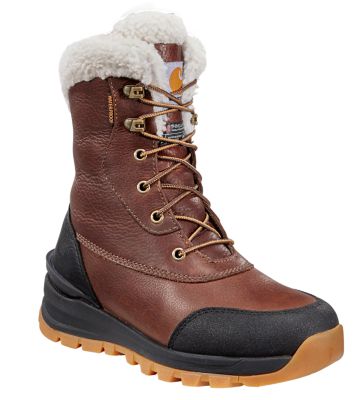
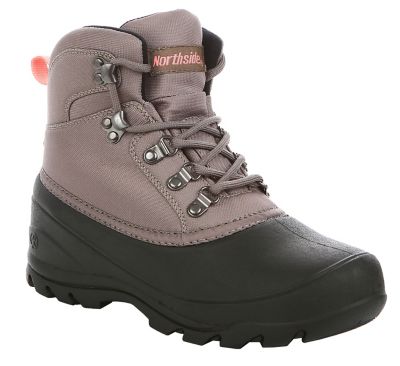
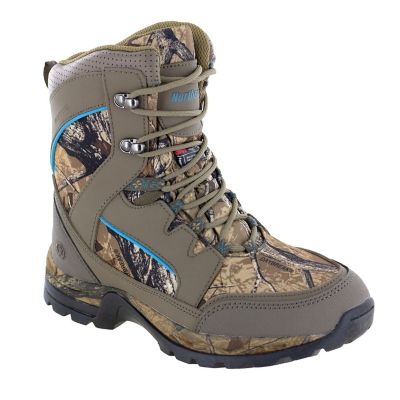
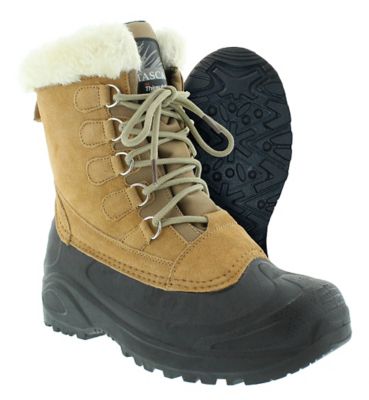
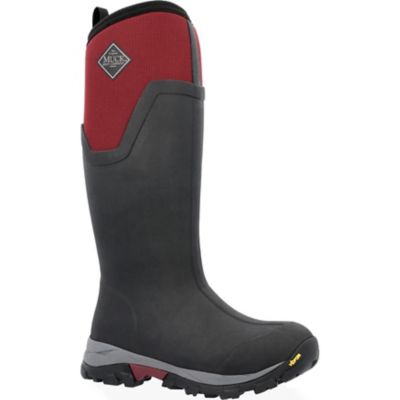
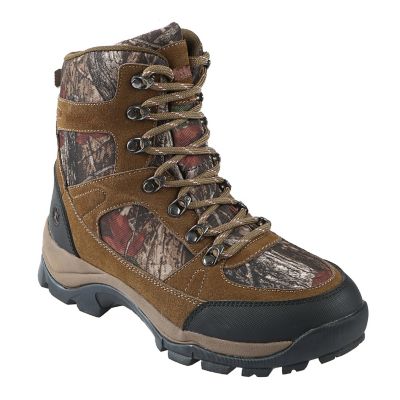
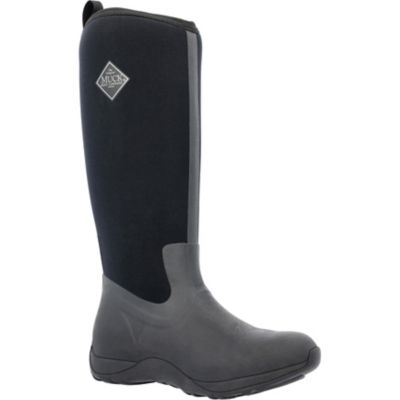
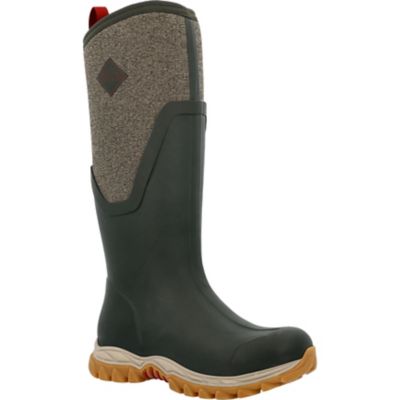
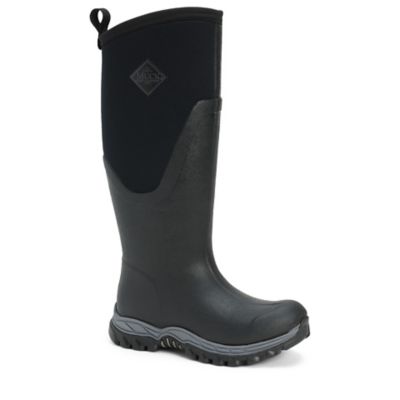
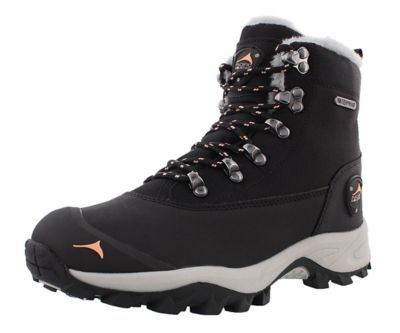
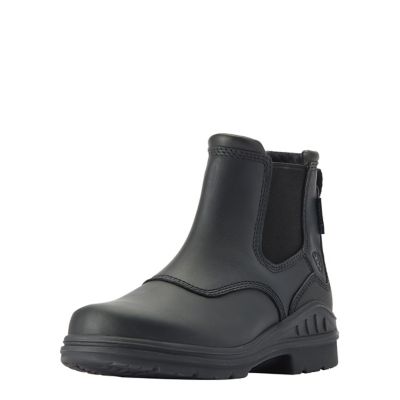
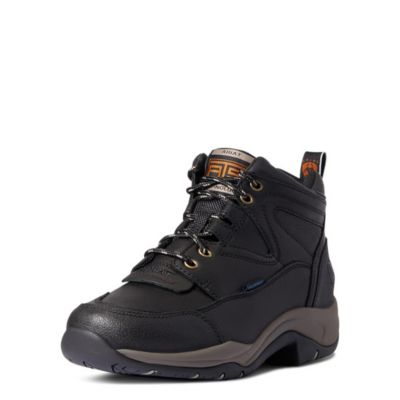
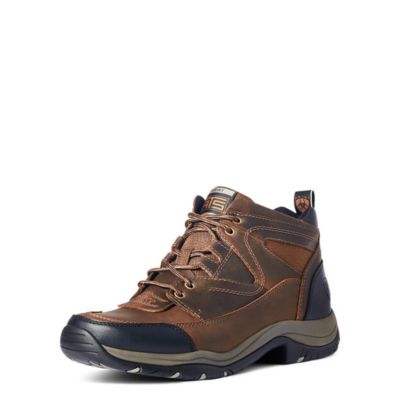
Women’s insulated waterproof hiking boots are built for the days when a regular pair of trail shoes just does not offer enough warmth, protection or grip. They can be a solid choice for winter hikes, snowy walks with the dog, outdoor chores, hunting camp, travel through wet weather and everyday time spent on the farm or around the property. A waterproof upper helps keep rain, slush and melting snow from soaking through, while insulation helps hold in body heat when the ground is cold. Look for construction that balances water resistance with breathability, since feet can get damp from sweat as easily as from puddles. Sealed seams, a gusseted tongue and a boot opening that sits comfortably around the ankle all help keep moisture and trail debris outside. Leather, coated leather, textile and synthetic uppers each have their own feel, so consider whether you prefer a boot that breaks in with wear or one that feels flexible right out of the box. A taller boot can offer extra coverage in deeper snow, brush and wet grass, while a mid-height style may feel easier to move in on maintained trails and around the yard. For another cold-weather option, browse
Women's Winter Hiking Boots to compare styles suited to snowy conditions and cooler outdoor work.
Insulation is one of the most important details to compare, but the right amount depends on how you use your boots. Many women’s insulated waterproof hiking boots use around 200 grams of synthetic insulation, which is a versatile choice for active winter hiking, brisk walks and changing conditions when you are moving steadily. Boots with around 400 grams of insulation may be a better fit for someone who tends to have cold feet or expects to stand around in freezing temperatures, such as while watching a winter sporting event, working in an outdoor pen or waiting along a hunting trail. Thicker insulation is not always warmer in practice if the fit is too tight, because cramped toes have less room to retain heat. Try boots on with the socks you expect to wear, leaving enough space to wiggle your toes without letting your heel lift excessively. A supportive footbed, cushioned collar and firm heel hold can make a long walk feel much better, especially on uneven ground. Pay attention to the boot’s weight, too. A heavily insulated boot may feel reassuring in deep cold, while a lighter design can be less tiring on rolling trails. Soles made with winter-oriented rubber compounds are worth considering for packed snow and icy paths, since ordinary summer rubber can become stiff and lose traction in cold weather. Look for a lug pattern that sheds mud and snow without leaving the sole too smooth, and check for a stable heel and dependable edge grip when the trail slopes or the ground is slick. No outsole replaces careful footing, but good traction can help you feel more planted when crossing frozen ruts, wet leaves, creek banks and snowy gravel.
A comfortable fit matters just as much as insulation and waterproofing, particularly when boots will be worn for several hours at a time. Women’s feet can vary widely in width, arch shape and heel volume, so use the available size and width information rather than assuming every boot will fit the same. Lace-up designs make it easier to fine-tune the fit around the ankle and instep, while speed hooks may be handy when you are gearing up outdoors with cold fingers. A toe cap can protect against rocks and roots, and a reinforced heel can add structure on rough terrain. If you plan to wear gaiters in deeper snow, look for a compatible toe attachment point, such as a small D-ring, along with a boot height that works with the gaiter’s upper strap. These boots can make a practical gift for a woman who enjoys trail walks, camping, birding, outdoor photography, volunteering at a farm or spending cool days at the barn. They are also useful for someone moving to a colder climate or building a dependable cold-weather wardrobe. Before heading out, wear new boots on shorter walks so the fit can settle in, and avoid pairing them with cotton socks that hold moisture against the skin. Wool or synthetic hiking socks can help manage dampness and warmth, while a spare pair is useful on longer outings. After muddy or snowy use, brush off grit, loosen the laces and let the boots dry at room temperature away from a woodstove, heater or other direct heat, which can damage adhesives and dry out leather. With a comfortable fit, suitable insulation, waterproof protection and a sole made for the ground you expect to cover, a good pair of women’s insulated waterproof hiking boots can carry you from damp late-summer trails into crisp, wet and snowy days during the cooler months.