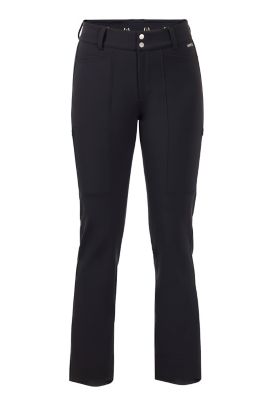
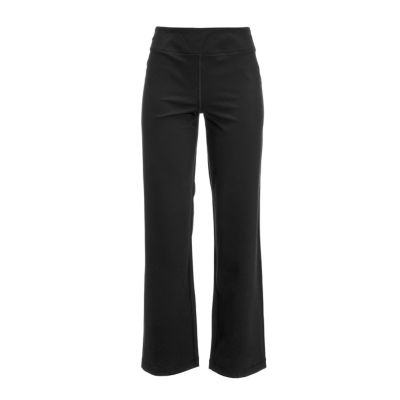
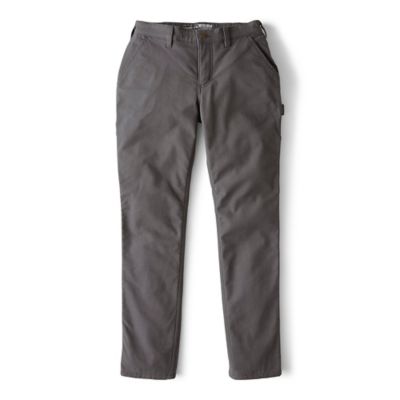
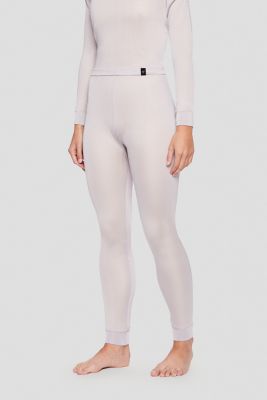
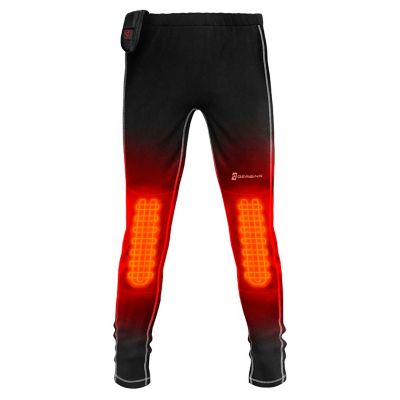
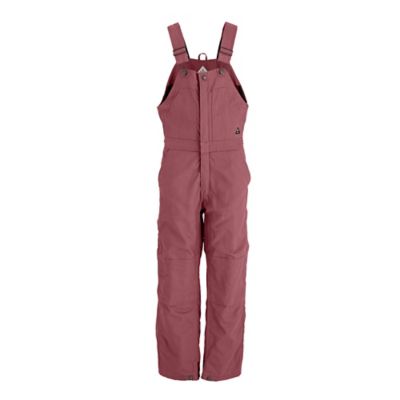
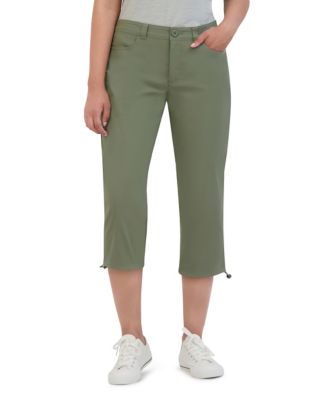
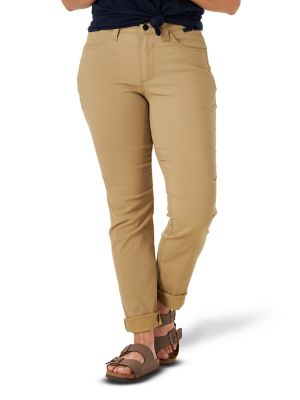
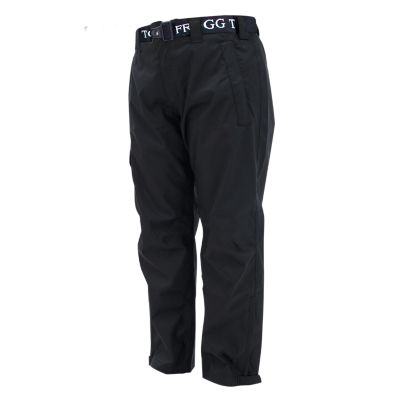
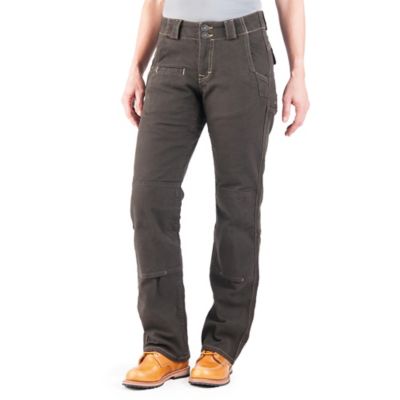
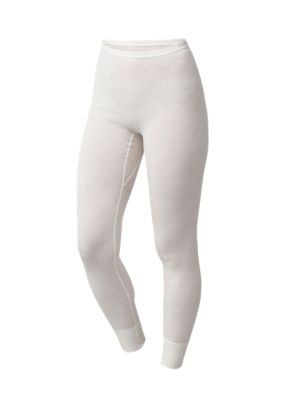
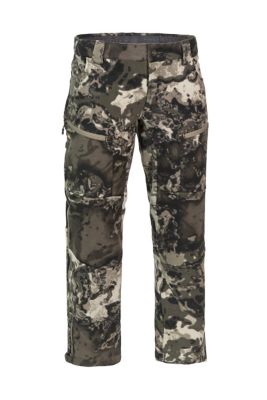
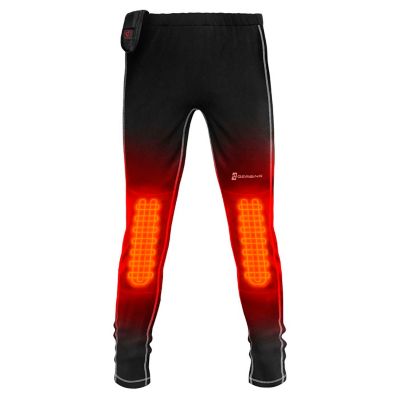
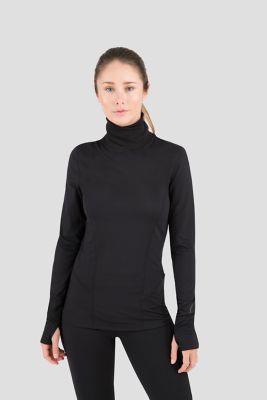
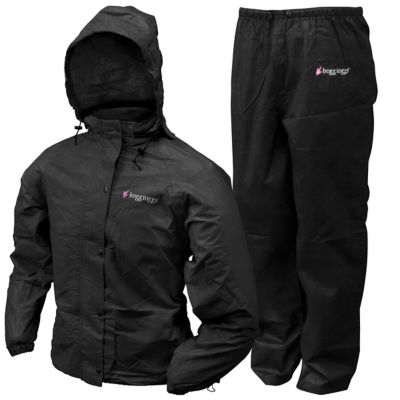
Women’s winter hiking pants balance warmth, weather protection, and freedom to move when the trail turns cold. A walk along a snowy creek bottom calls for something different from a steep climb up an exposed ridge, and fabric construction makes a real difference in how pants feel along the way. Stretch-woven softshell pants generally offer a mix of wind resistance, breathability, and flexibility, making them practical for active hikes where legs are working steadily. Fleece-lined hiking pants add a soft insulating layer against the skin, which can feel especially welcome on slower outings, shady trails, or breaks beside the truck. Unlined shell pants leave more room to adjust warmth with thermal layers underneath. Merino wool or synthetic base layers help move moisture away from the skin, while cotton layers tend to hold moisture and take longer to dry. Insulation alone does not make pants waterproof, and a water-repellent finish is not the same as a waterproof barrier. Water-repellent fabrics can shed light snow and brief splashes, but prolonged wet snowfall, rain, or sitting on wet ground can call for waterproof construction with sealed seams. Wind resistance matters, too, especially across open pasture edges and ridgelines where a breeze can cut through an otherwise comfortable outfit. For higher-effort hikes, breathable fabric and zippered vents can help release excess heat before sweat builds up inside. Thick insulation may feel cozy standing still but become too warm during a long uphill pull. Lighter insulation paired with a separate base layer offers another way to match clothing to the pace and conditions. Fabric weight, lining, and weather protection work together, so warmth is better judged by the whole construction than by thickness alone. A brushed interior adds comfort without necessarily providing the same insulation as a deeper fleece lining. For everyday trail outings, the right balance leaves legs warm enough during a short pause without making every climb feel like a workout inside a heavy blanket.
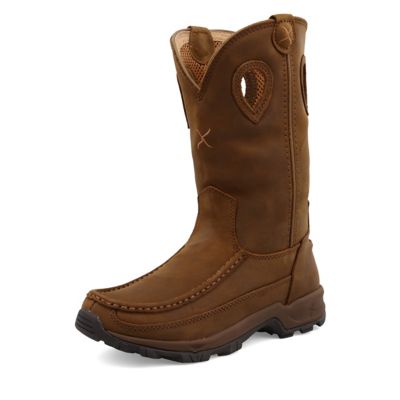
Fit becomes especially important when winter hiking pants need to move over thermal leggings and work around taller boots. A comfortable waistband stays put while bending to tighten laces, stepping over a fallen limb, or climbing a rocky stretch, without digging in beneath a pack’s hip belt. Contoured waistbands, belt loops, and adjustable waist details offer different ways to manage that fit, while a gusseted crotch and shaped knees give legs room to bend. Stretch helps with long strides, but it does not replace enough room through the hips, seat, and thighs. Pants that feel fine while standing may pull across the knees once a base layer goes underneath. On the other hand, extra fabric around the lower leg can catch on brush or interfere with traction equipment. Inseam length and leg opening deserve just as much attention as waist size: hems should cover the boot opening without dragging through slush or bunching heavily at the ankle. A roomier cuff may fit over
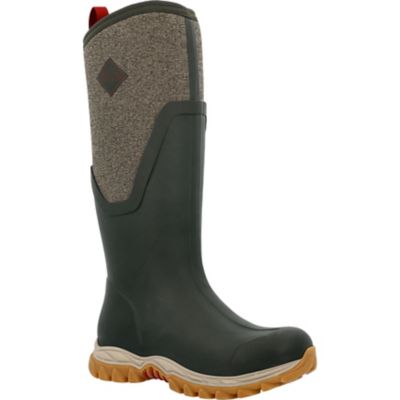
Women's Winter Hiking Boots, while cuff zippers can make that opening easier to adjust. Some winter hiking pant designs include boot hooks, adjustable hems, or internal gaiters to help limit snow creeping upward; separate gaiters provide another option when snow gets deeper. These features help manage gaps around footwear, though they do not turn every pant into a fully snowproof layer. Pocket placement also matters once gloves, a pack, and a jacket enter the picture. Zippered pockets help keep keys and small essentials from slipping out during a scramble, and a thigh pocket can be easier to reach than a front pocket beneath a hip belt. Pocket contents should still sit comfortably without pressing into the leg with every step. For women who alternate between brisk trail walks and slower wildlife watching, a fit that allows easy layering and unrestricted movement can matter as much as extra insulation. Room to squat, kneel, and take a high step keeps the focus on the trail rather than tugging at a waistband.
Winter trail clothing also has to stand up to the ordinary wear that comes with getting outdoors: brushing past bare branches, kneeling beside a pack, and walking through gritty snow near a trailhead. Closely woven nylon or polyester fabrics can offer resistance to abrasion, while reinforced knees, seat panels, or lower-leg sections provide extra coverage in areas that take more contact. Stretch panels can improve movement, though their placement and exposure to rough surfaces affect how well they suit brushy routes. Strong stitching, secure pocket closures, and hems that stay clear of the ground all contribute to longer wear. Care plays a part in keeping those features working. The garment’s care label takes priority, especially for bonded fabrics, waterproof membranes, and fleece linings. Many technical fabrics benefit from mild detergent and a thorough rinse; fabric softeners can interfere with moisture management or water-repellent finishes. Drying instructions vary, and heat should only be applied when the label allows it. Over time, an outer fabric may stop beading water even though the garment is otherwise sound, and a compatible treatment may help restore that surface repellency. Pants should be clean and fully dry before storage, with trail grit cleared from zippers and cuffs. Intended use helps put all these details into perspective. A woman walking rolling woodland trails may favor a flexible, lightly lined pair, while someone covering exposed terrain or stopping often may want more wind protection and room for insulation. Snowshoeing adds a greater chance of contact with deep snow and sharp equipment edges, making cuff coverage and lower-leg reinforcement particularly useful. For a gift, knowing the recipient’s usual fit, inseam, and preference for lined pants or separate layers makes the choice more personal and practical. Whether the outing is a quiet loop close to home or a longer backcountry trek, women’s winter hiking pants should support steady movement, sensible layering, and comfort through changing trail conditions.