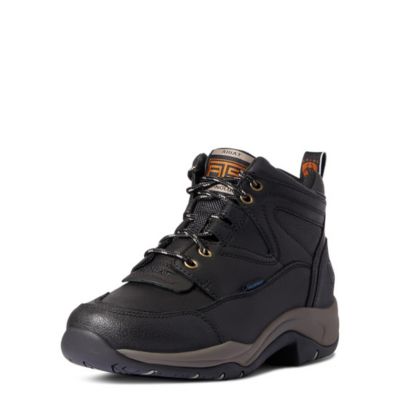
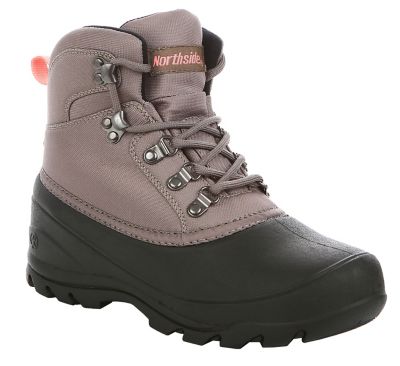
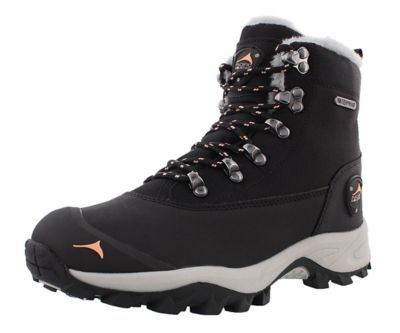
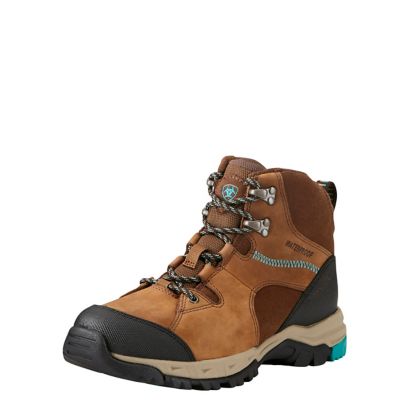
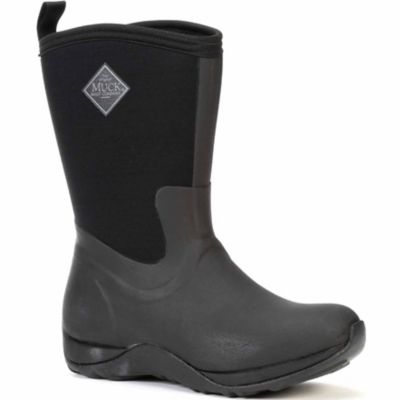
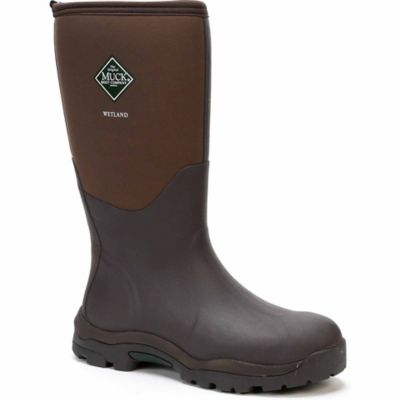
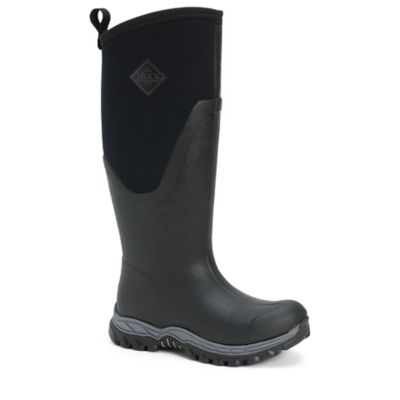
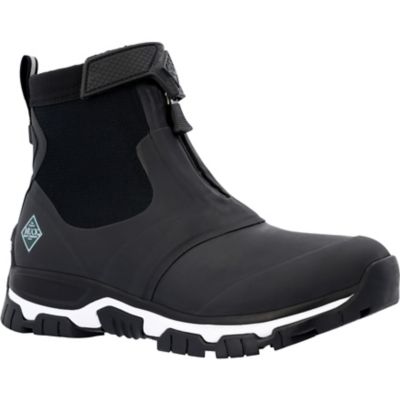
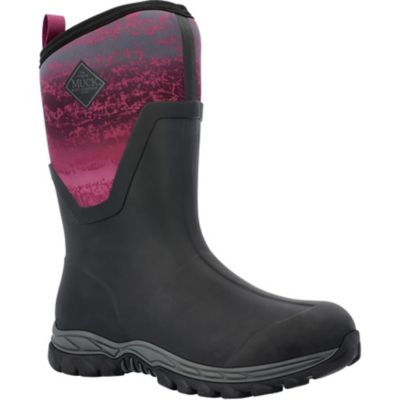
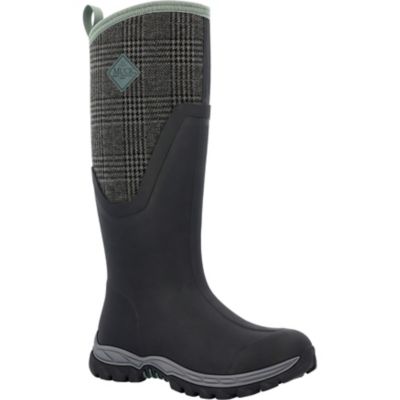
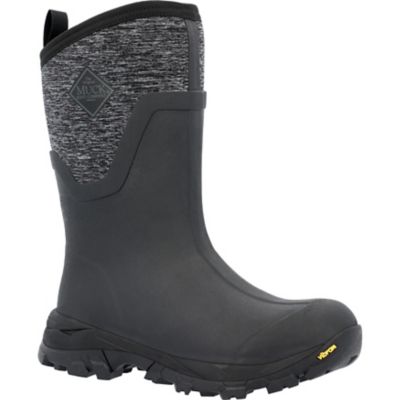
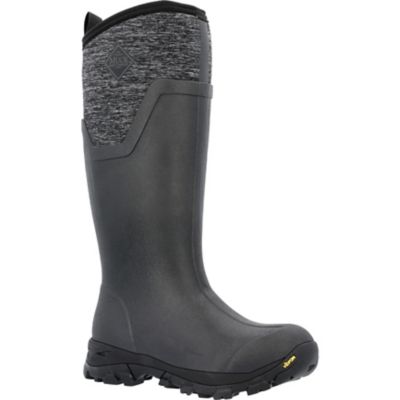
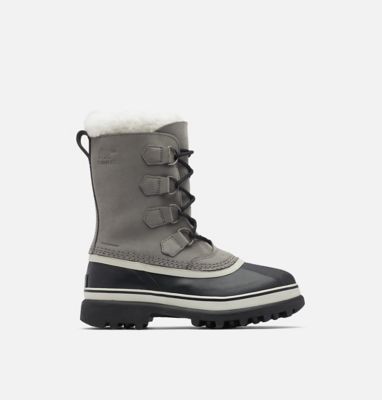
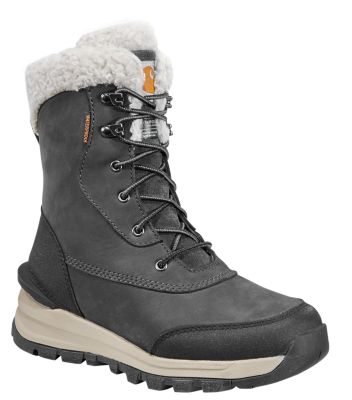
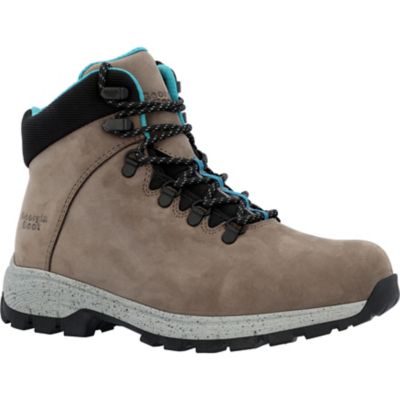
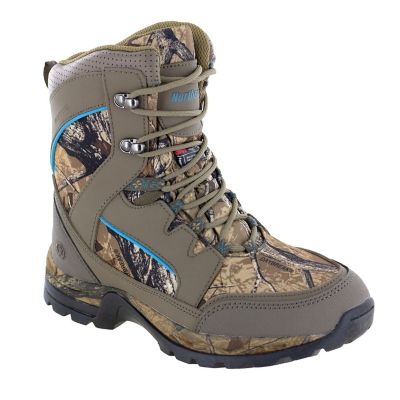
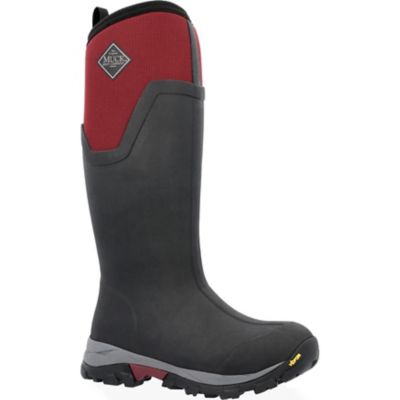
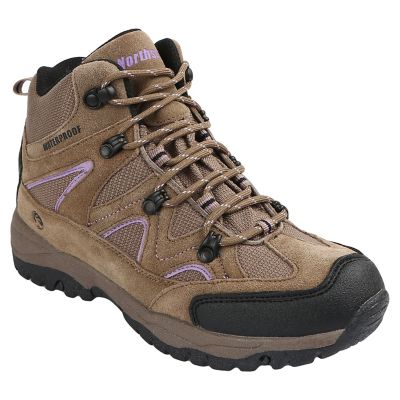
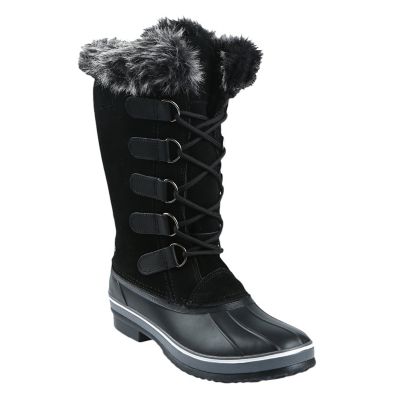
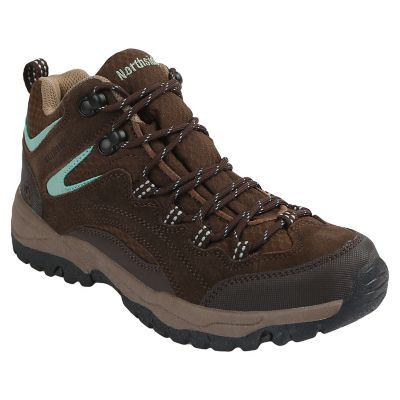
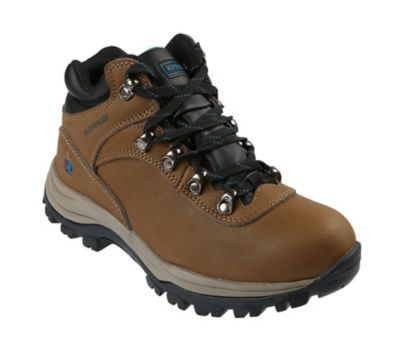
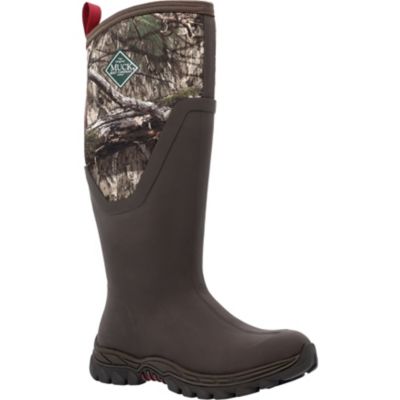
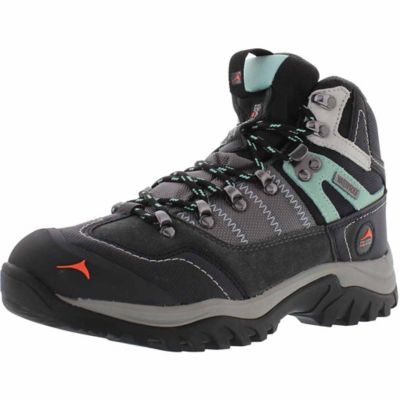
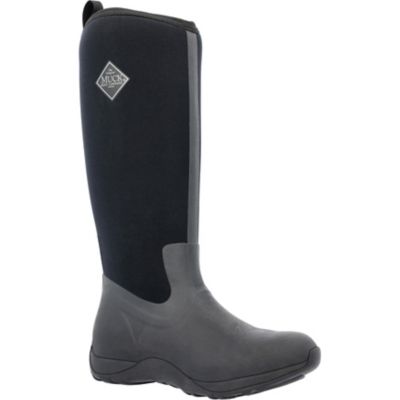
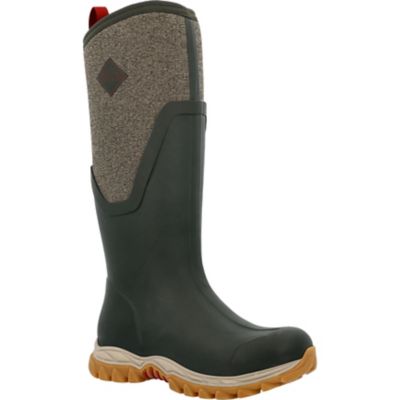
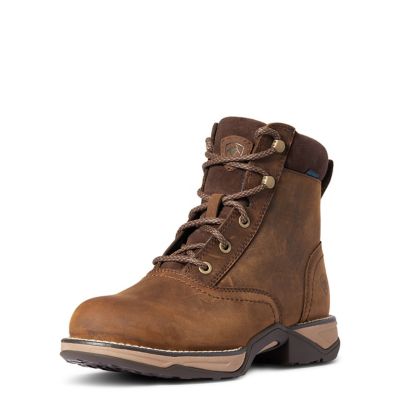
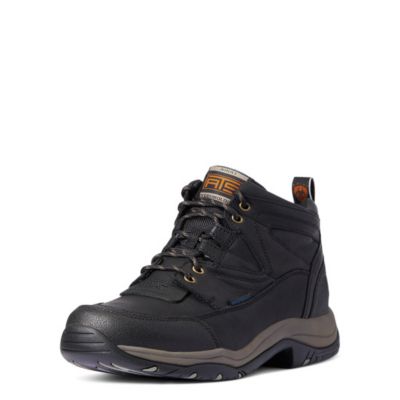
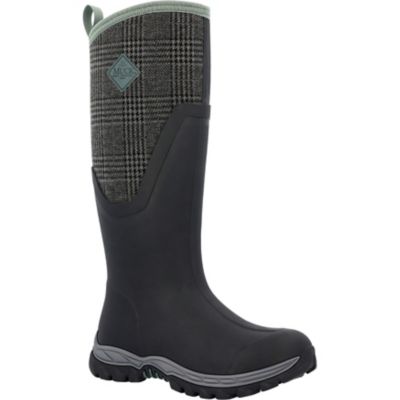
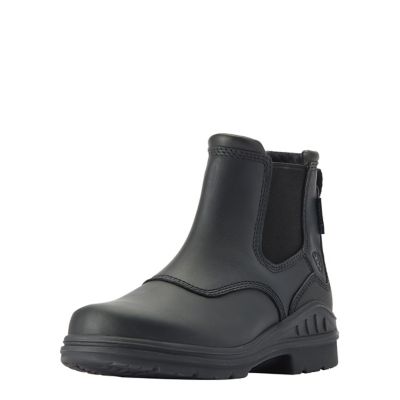
Women’s insulated hiking boots are made for more than a stroll down a cleared sidewalk. They’re a dependable choice for wooded trails, gravel roads, hunting camp, snowy dog walks, and everyday chores when cold ground and wet weather make ordinary footwear fall short. Insulation helps hold in warmth during the cooler months, while a waterproof or water-resistant upper helps keep slush, damp leaves, shallow puddles, and melting snow from soaking through. Many styles use synthetic insulation, with lighter insulation suited to active wear and heavier insulation better matched to colder conditions or slower-paced outdoor work. A waterproof membrane can keep outside moisture out while allowing some heat and perspiration to escape, which is helpful when a brisk hike turns into a steady climb. Look for sealed seams, a gusseted tongue, and a shaft height that gives useful coverage without rubbing the leg. A mid-cut boot is a handy all-around choice for day hikes and daily wear, while a taller shaft can offer extra protection in deeper snow, wet brush, or loose ground. Keep in mind that warmth depends on more than the insulation rating. Your pace, the wind, the dampness underfoot, and the socks you wear all make a difference. A boot that feels cozy while standing around a chilly trailhead may feel too warm during a fast uphill walk, while a very lightly insulated boot may not be enough for long hours outside. Consider the conditions you actually encounter, from cool mornings on the farm to icy paths around a cabin, and choose a level of insulation that fits the way you spend time outdoors.
Traction deserves just as much attention as warmth. Look for rubber outsoles with deep, well-spaced lugs that can bite into mud, packed snow, loose gravel, and leaf-covered ground. Some winter-oriented outsoles are made with rubber compounds designed to stay flexible in low temperatures, which may provide more dependable grip than an everyday sole when the ground is frozen. Even the best tread cannot replace careful footing on glare ice, but a stable outsole, a supportive heel, and a firm connection between the upper and sole can help you move with more confidence. Fit is another important part of staying comfortable on the trail. Women’s insulated hiking boots are shaped with a women-specific fit, but feet vary from person to person, so pay attention to width, arch support, heel hold, and the amount of room around the toes. You should have enough space to wiggle your toes and wear the socks you plan to use, without letting your heel slide up and down with every step. Thick thermal socks can change the fit considerably, and cramming them into a snug boot can restrict circulation and leave feet colder instead of warmer. Try boots with your usual hiking socks, and remember that feet may swell a little during a long outing. A secure lace-up closure can help fine-tune the fit from ankle to forefoot, while a pull-on or zip feature may be convenient for quick trips around the property. Cushioned footbeds, padded collars, and flexible uppers can make a noticeable difference when you’re walking several miles, climbing uneven ground, or spending a full day on your feet. For changing conditions, prioritize a balance of warmth, waterproof protection, flexibility, and support rather than choosing a boot based on one feature alone.
These boots can be a thoughtful gift for a woman who enjoys hiking, camping, birding, snowshoeing, outdoor photography, or simply getting fresh air with the dog when the trail is damp and the temperatures drop. They also suit the practical person who would rather have one sturdy pair ready for errands, chores, and weekend exploring than change footwear every time the forecast shifts. If the boots are intended as a gift, check the recipient’s usual size, preferred width, and whether she wears heavy or lightweight socks; a gift receipt can be useful because fit matters so much with insulated footwear. For your own pair, think about where they’ll spend most of their time. A lightweight, flexible design may be the better match for quick hikes and active movement, while a sturdier boot with more insulation and a taller shaft may be preferable for cold trail work, winter camping, or standing outside for long stretches. After use, brush off dirt and salt, let the boots dry naturally away from direct heat, and remove the insoles if they need extra air. Drying them beside a woodstove or heater can damage adhesives and make leather or synthetic materials crack sooner. Waterproof treatments should be refreshed according to the care instructions, especially after repeated exposure to mud or wet snow. Properly fitted and cared for, women’s insulated hiking boots can carry you through crisp trail mornings, soggy back roads, frosty chores, and the cooler stretch of the season with steady comfort. Men shopping for a similar cold-weather option can also browse
Men's Insulated Hiking Boots for insulated footwear suited to outdoor walks, work around the property, and winter-ready adventures.