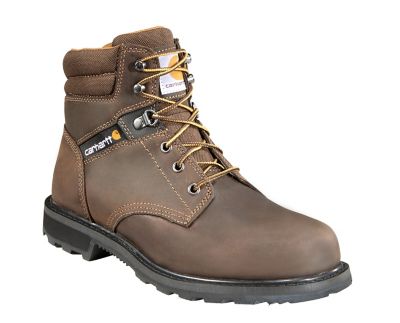
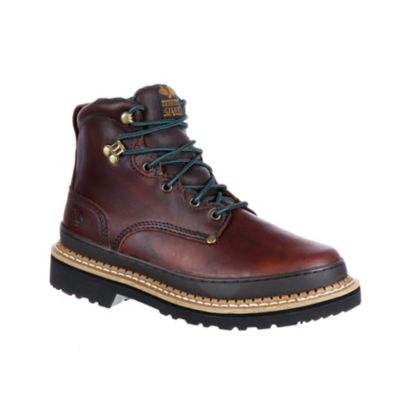
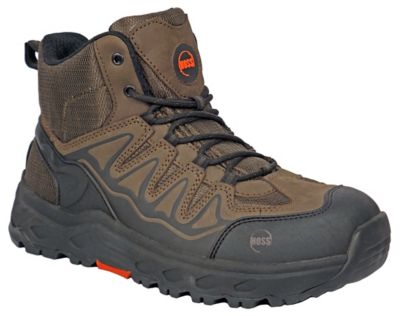
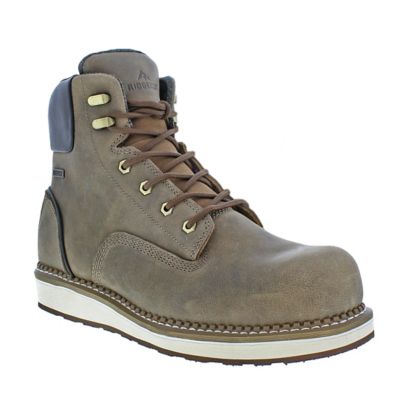
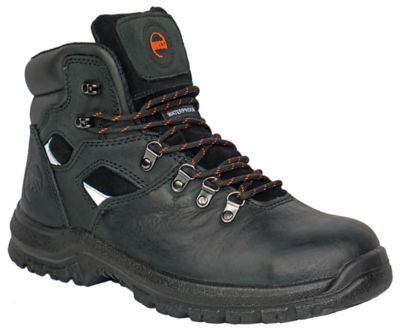
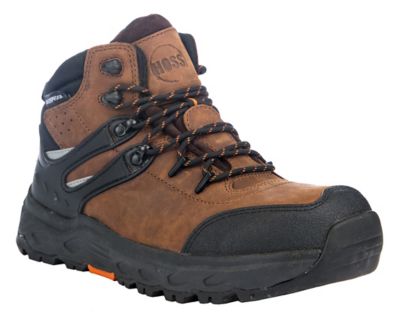
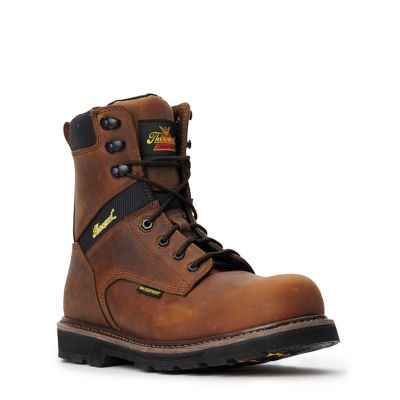
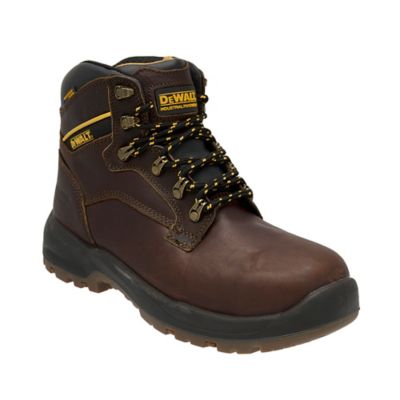
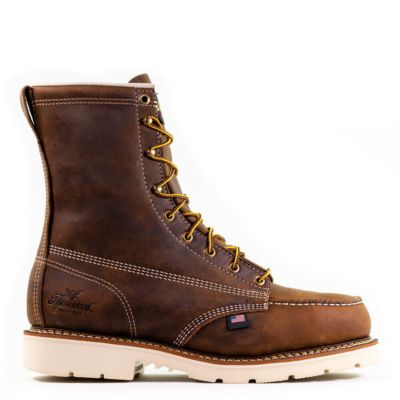
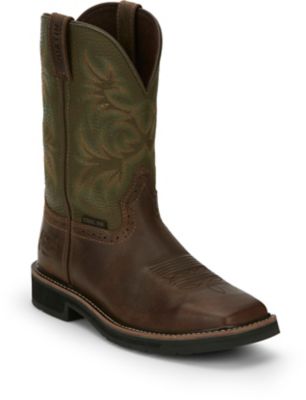
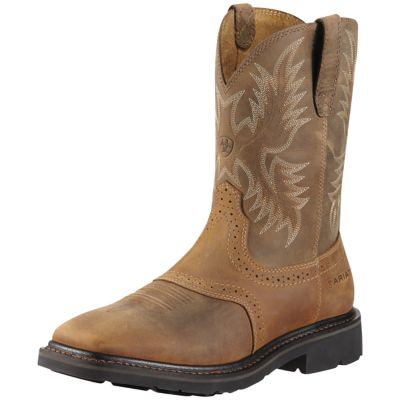
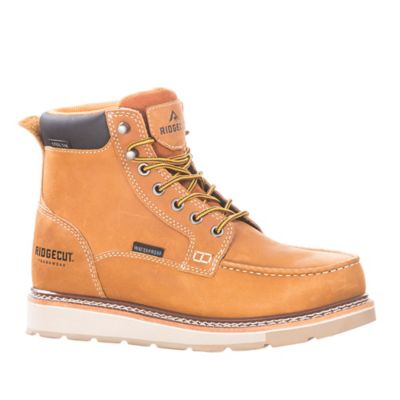
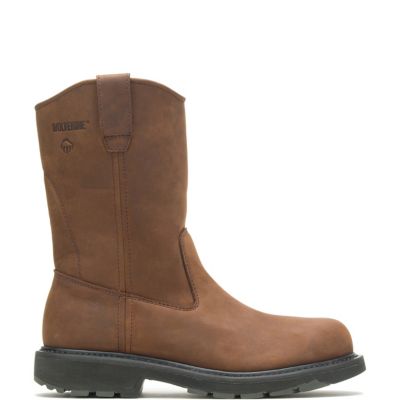
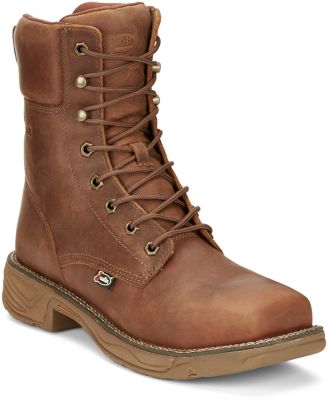
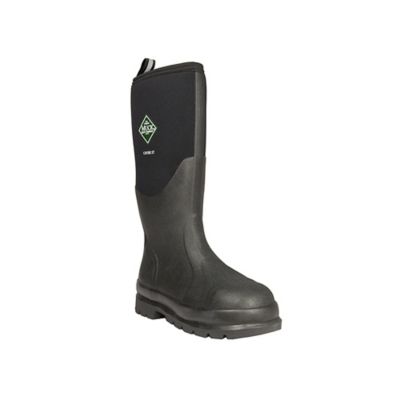
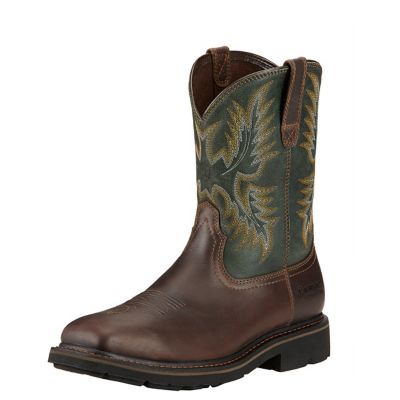
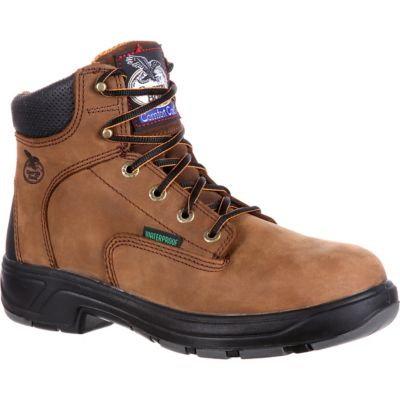
Men’s safety toe work boots combine reinforced toe protection with the support and traction needed for demanding work. A protective toe cap helps shield the toes from impact and compression hazards, whether the job involves moving fence posts, unloading equipment or handling materials in a shop. Steel, composite and alloy toe caps are common choices, and the right option depends on workplace requirements, fit and the rest of the boot’s construction. Steel toe caps often have a relatively slim profile, while composite caps contain nonmetal materials and may help reduce weight. Alloy caps offer another metal option that can weigh less than steel, although the weight of the whole boot matters more than the cap alone. None of these materials automatically provides greater protection than another; the boot’s marked safety rating is what counts. Boots marked to ASTM F2413 requirements meet specified protective-footwear criteria, with markings identifying impact and compression protection and any additional rated features. Workplace rules may call for electrical hazard protection, puncture resistance or metatarsal protection beyond a reinforced toe. A safety toe does not protect the entire foot, and a toe cap alone does not establish an electrical hazard rating. EH-rated footwear provides secondary electrical protection under specified dry test conditions, not permission to work around live circuits without other required safeguards. Static-dissipative footwear serves a different purpose and is not interchangeable with EH-rated footwear. For welders, equipment operators, warehouse crews, mechanics and ranch hands, matching those markings to the actual task is more important than choosing by appearance. Steel remains a familiar choice for work involving heavy materials, and
Steel Toe Work Boots for Men offers a closer look at that protective-toe category. Whatever the toe-cap material, safety footwear works best as one part of a jobsite safety plan, alongside sound lifting habits, clear walkways and the protective equipment required for the work.
Fit makes a big difference when a shift includes standing at a workbench, climbing into equipment and walking across a gravel yard. Men’s safety toe work boots should hold the heel securely without squeezing the forefoot, and the toes need room to move without pressing against the cap. Leather may soften with wear, but the protective toe cap will not stretch to make extra space. A boot that pinches across the toes at the start is not likely to become the right fit after a few long days. Trying boots with the same socks worn on the job helps establish the right amount of room, especially when comparing standard and wide widths. Both feet deserve attention, since one may be larger than the other. Standing, walking, crouching and stepping onto a low platform can reveal pressure points that are easy to miss while sitting down. Lace-up construction allows adjustment across the instep and around the ankle, while pull-on styles offer straightforward on-and-off convenience. With pull-on boots, some initial heel movement may be normal, but excessive slipping can lead to rubbing and an unstable feel. Cushioning, arch support and the shape of the footbed matter on concrete floors, where each step feels different from walking on packed dirt. Insoles need enough room inside the boot, and any replacement should follow the footwear maker’s guidance, particularly for electrically rated styles. Outsole design deserves the same attention as fit. Deep, open tread can help release loose soil, while other tread patterns suit shop floors and warehouse aisles. Oil resistance describes how a sole material stands up to oil exposure; it is not the same thing as slip resistance. Slip-resistant soles can improve footing on certain surfaces, but no outsole makes every surface safe. Ladder work may call for a defined heel and supportive shank, while frequent kneeling makes flexibility through the forefoot especially important. The best match balances protection, movement and support for the tasks repeated throughout the day.
Materials and construction shape how work boots handle daily wear, from scraped toes near a trailer hitch to repeated flexing beside a feed bunk. Full-grain leather is a common choice for its resistance to abrasion and its ability to soften with wear when properly maintained. Other leather finishes and textile panels offer different balances of flexibility, weight and upkeep. Reinforced toe bumpers can help protect the outer material when work involves kneeling, although an outer bumper is not a substitute for a rated safety toe. Waterproof construction can help keep feet dry around washdown areas, puddles and damp ground, but protection depends on the boot’s design and condition. Water can still enter over the shaft, and damage to seams or membranes can compromise the barrier. A lining that manages perspiration and socks that move moisture away from the skin can make long hours in boots more comfortable. Construction methods also affect how boots feel and how they can be maintained. Welted construction may allow resoling in some styles, while cemented construction often offers flexibility without the same repair options. Any repair to protective footwear needs to preserve its required performance and follow the manufacturer’s direction. Routine care starts with brushing away grit, clearing packed tread and wiping off mud or jobsite residue before it settles into seams. Leather conditioner should suit the material, and suede, nubuck and waterproof membranes need their own approved care methods. Let damp boots dry naturally away from direct heat, and remove insoles when the care instructions allow. Regular checks can uncover separating soles, deep cuts, worn tread or a damaged lining before those problems interrupt a workday. After a significant impact or compression event, boots may need replacement even when damage is not obvious. For a practical gift, the wearer’s size, preferred fit and workplace requirements matter more than guessing at a style. The right pair belongs comfortably in the daily routine, from the first walk across the yard to the last equipment check before heading home.