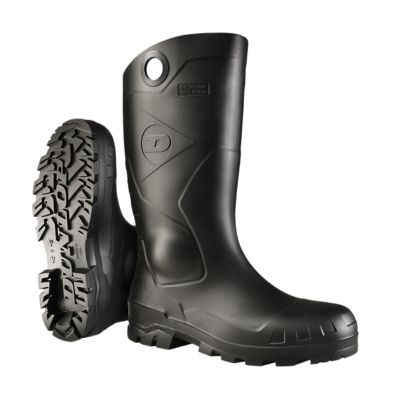
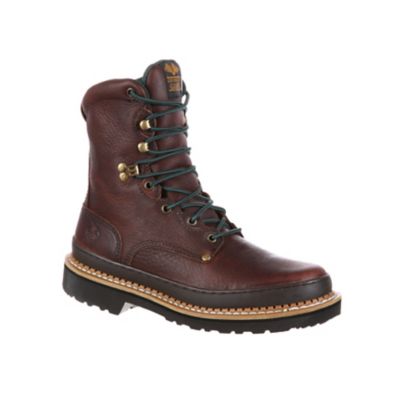
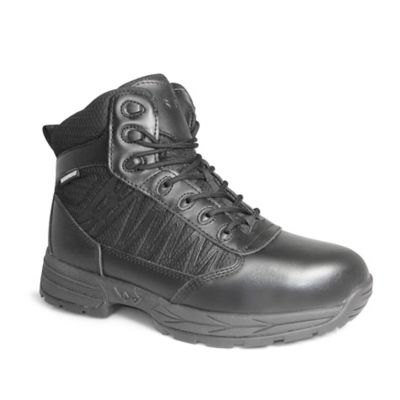
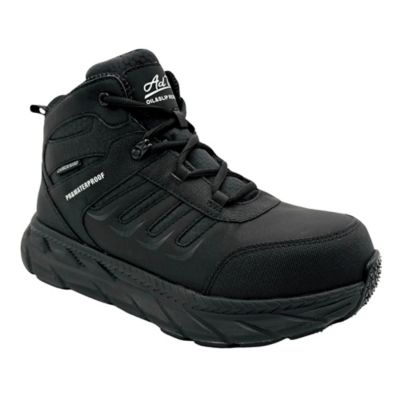
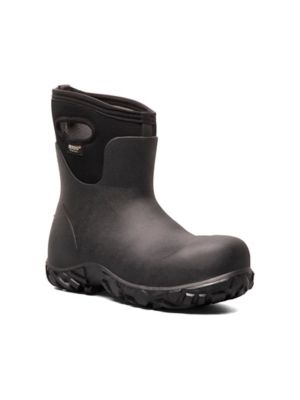
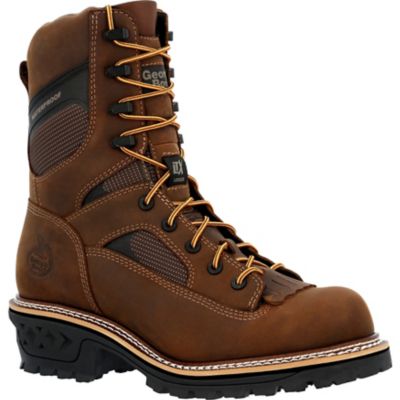
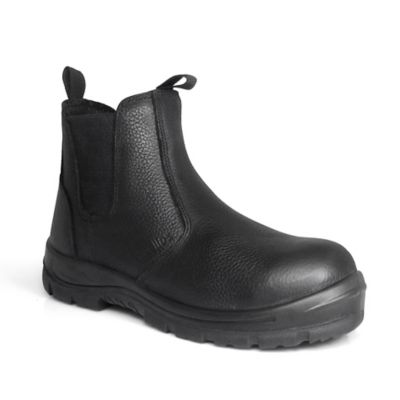
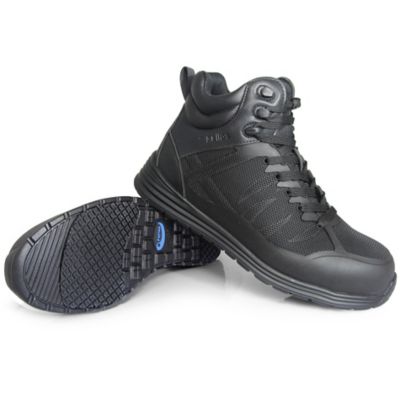
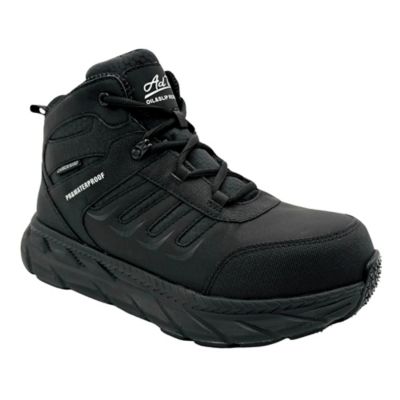
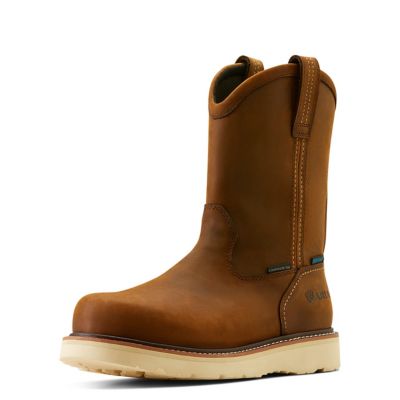
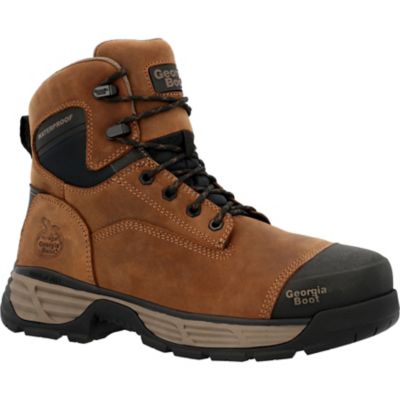
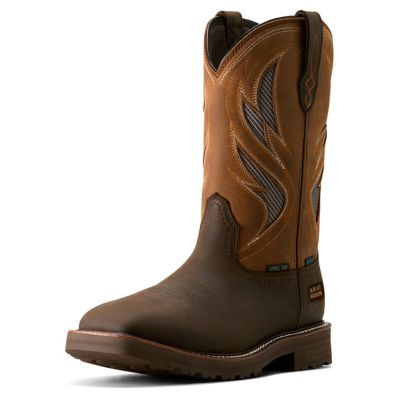
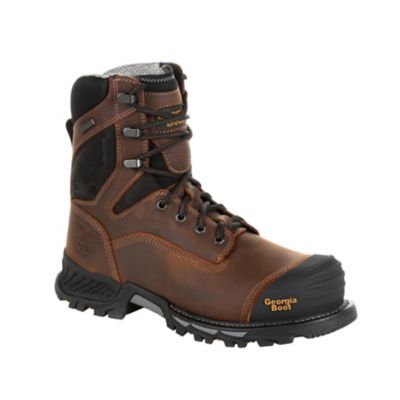
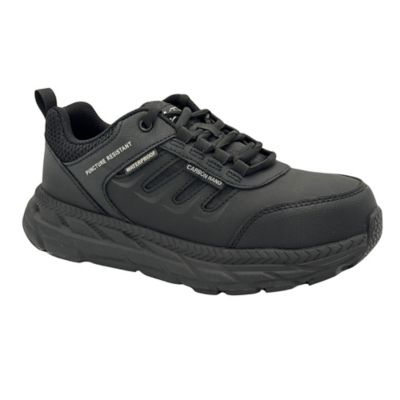
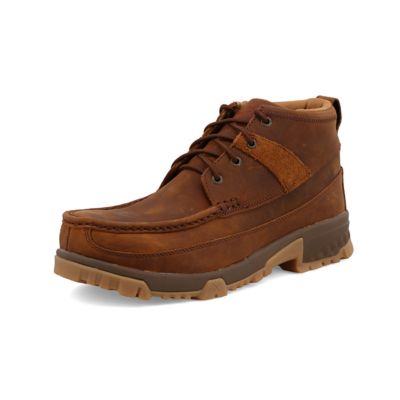
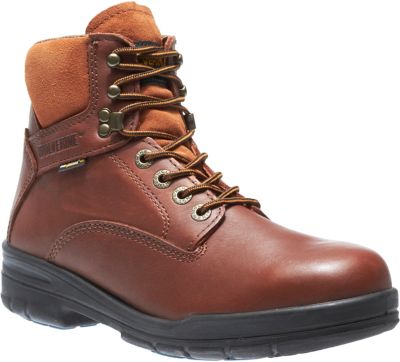
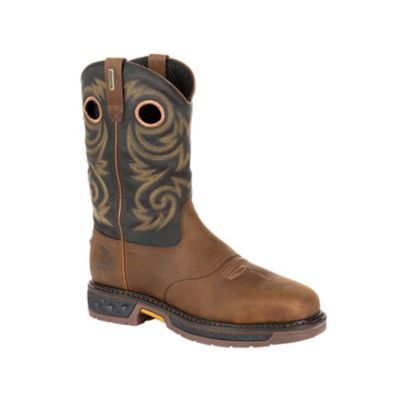
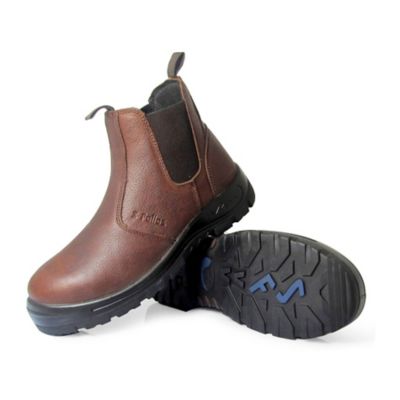
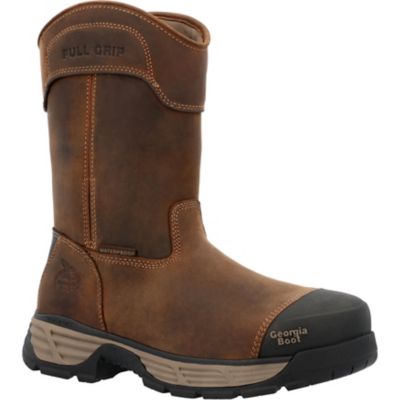
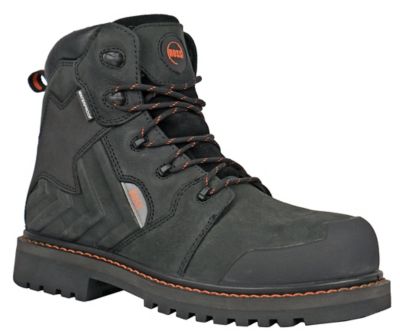
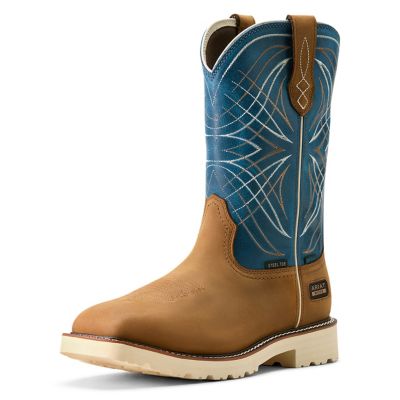
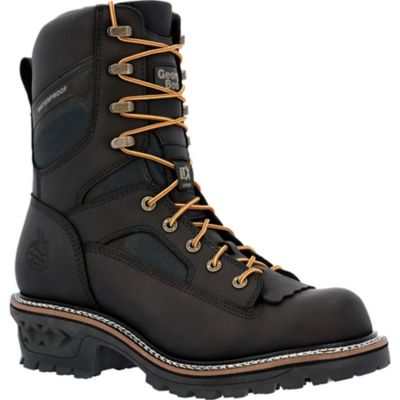
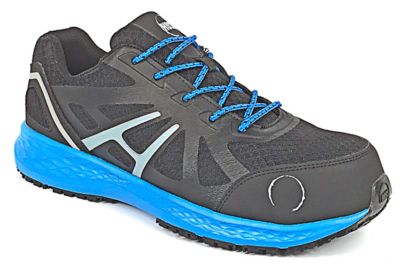
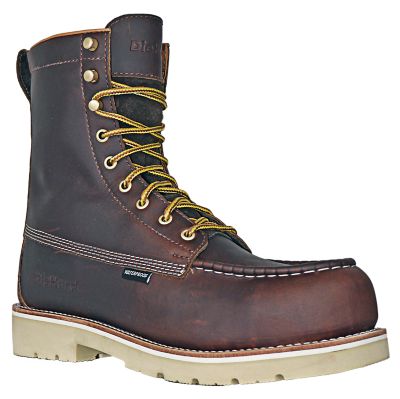
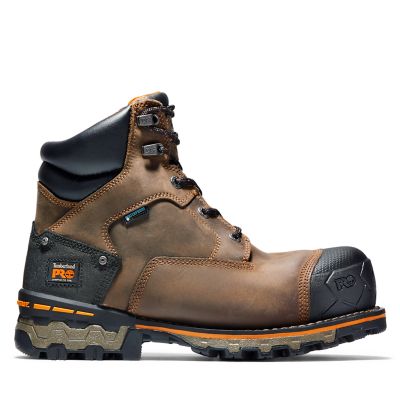
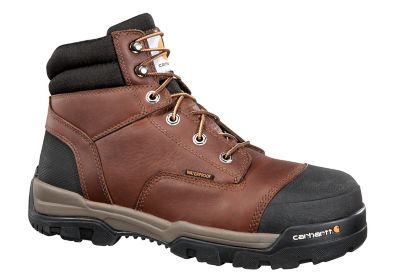
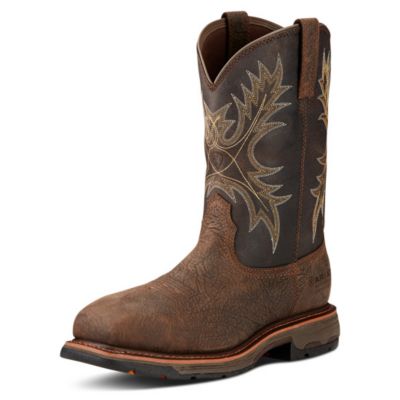
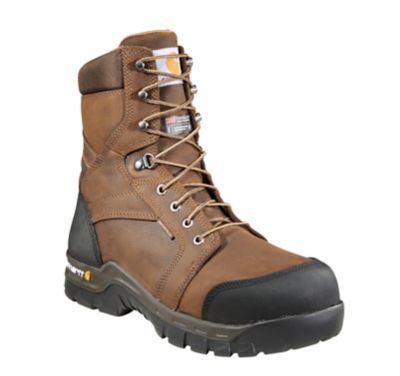
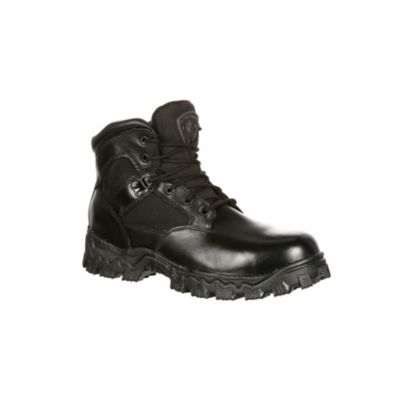
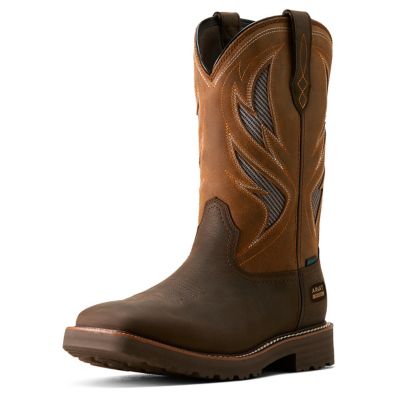
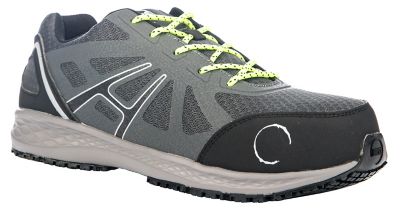
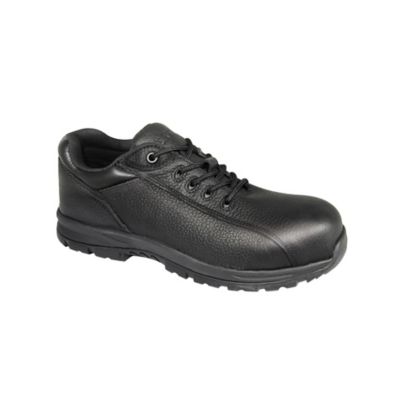
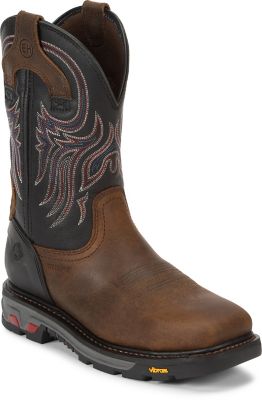
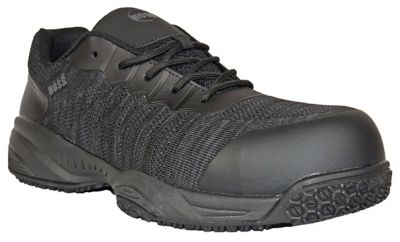
Lightweight safety toe work boots make sense for days that involve plenty of walking along with the lifting, hauling, and hands-on work. Moving feed through a barn, carrying parts across a shop, or making rounds through a warehouse calls for footwear that balances toe protection with a manageable feel underfoot. A lighter build can mean less heft to lift with every step, though the entire boot matters—not just the material in the toe cap. Steel, alloy, and composite safety toes each have a place in work footwear, and the right choice depends on the boot’s fit, construction, and safety markings. Composite caps often help keep weight down, while alloy caps can offer another alternative to traditional steel. Neither material automatically makes one boot the best match for every job. Footwear marked to meet applicable ASTM F2413 requirements provides a clearer starting point for understanding its rated protection against toe impact and compression. Matching those markings to workplace requirements is part of finding a pair that belongs on the job. Beyond the cap, upper materials have a lot to do with how a boot feels and holds up. Leather brings structure and resistance to everyday scuffs, while textile panels can trim weight and give the upper more flex. Reinforcement around the toe and heel helps address the spots that tend to rub against equipment, steps, and work surfaces. Construction matters, too: some bonded soles offer a flexible feel, while some welted builds allow for resoling, depending on their design. Shorter shafts can allow easier ankle movement, while taller shafts provide more coverage against rubbing and loose debris. Lace-up styles let the fit adjust across the instep; pull-on styles trade that adjustment for a straightforward way to get boots on and off. The best balance is enough boot for the work without extra heft that serves no purpose, whether the day centers on a concrete shop floor or steady trips between buildings.
Fit deserves just as much attention as the safety toe itself, especially when a shift includes standing at a bench, kneeling beside equipment, and walking back to the parts room. The protective cap should leave room for toes to spread naturally without pressing across the top or pinching along either side. Unlike leather uppers, a safety cap will not stretch to make space, so pressure there is not something to count on breaking in. A snug hold through the heel and midfoot helps limit sliding, while enough length keeps toes from bumping the front when stepping down or walking down a slope. Width matters as much as length; moving up a size does not always solve a boot that is too narrow. Trying boots with the same work socks worn on the job gives a more useful sense of the fit. Any footbed or orthotic also needs room without crowding the toes or lifting the heel too high. Underfoot, cushioning and support serve different purposes. A softer footbed can ease the feel of hard floors, while a supportive platform helps keep the foot steady when carrying a load or standing in one place. Midsole materials, shanks, and outsole construction all affect that balance. Broad, relatively flat soles can feel comfortable across smooth floors, while deeper tread and a defined heel may suit other tasks, subject to the worksite’s footwear rules. Traction still depends on the surface and what is on it. Slip-resistant footwear cannot make every floor safe, and tread packed with debris cannot grip the same way as clean tread. Oil resistance, puncture resistance, electrical hazard protection, and static-dissipative properties are separate considerations rather than automatic benefits of a safety toe. Each calls for the right markings and the right application. A low weight is welcome on a long shift, but it should never take the place of the protection a particular task requires.
Everyday comfort also depends on what happens inside the boot after several hours of work. Linings that help move perspiration away from the foot, breathable upper panels, and removable footbeds can make a difference during a busy day. For a closer look at footwear built around airflow,
Lightweight Breathable Work Boots offers a related category to consider, with safety features checked separately against the job’s requirements. A waterproof membrane and an open, ventilated build serve different needs, so the demands of a wash area or another splash-prone workspace belong in that decision. Keeping boots in working shape starts with attention to the materials. Brushing away grit helps prevent it from grinding into seams and flex points. Leather benefits from cleaning and conditioning with products suited to its finish, while textile sections generally call for gentler cleaning according to the maker’s directions. Heavy coatings can interfere with some materials, so more treatment is not always better. Boots need time to air-dry away from heaters and other direct heat sources, and removable footbeds can be taken out when the care instructions allow it. Regular checks around the toe, heel, stitching, and sole edge can catch separation or heavy wear before it becomes a bigger problem. Laces and footbeds may be replaceable, but a boot with a damaged protective cap, a separating outsole, or a serious impact history needs closer attention and may need replacement even if the damage is not obvious. Lightweight safety toe work boots earn their place through the whole package: protection suited to the task, a fit that stays comfortable, soles that match the walking surface, and materials that stand up to daily wear. That combination matters far more than chasing the lowest weight alone.